Russia's 2026 Duma Election: War, Drone Threats, and a Tightened Grip on Power
Russia's ninth Duma election marks a historic shift with four newly annexed regions participating. Amidst drone attacks and economic strain, Vladimir Putin calls for a 'correct choice' to support the military.
Source: thepaper.cn
On September 18, 2026, the ninth Duma election commenced in Russia, marking the first nationwide parliamentary vote since the onset of the conflict in Ukraine. This election is not merely a routine political event; it is a pivotal moment that reflects the deep integration of Russia's political landscape with its ongoing military operations. The voting process, spanning three days, is set against a backdrop of unprecedented security challenges and domestic economic pressures.
Key Election Details
- Historic Participation: For the first time, the four regions—Donetsk, Kherson, Zaporizhzhia, and Luhansk—annexed by Russia in 2022 will have their citizens vote in a federal election, signaling their permanent inclusion in the Russian political system.
- Extended Ballot Period: While the main voting day is September 20, the election has been running since August 30 in remote and hard-to-reach areas. This staggered approach aims to ensure maximum voter turnout despite logistical difficulties.
- Global Reach: The election has expanded its footprint internationally, with 319 polling stations established abroad. Over 1.8 million Russian citizens living outside the country are eligible to vote, utilizing both traditional methods and remote electronic voting channels.
- Parliamentary Structure: The Duma retains its traditional 450-seat composition. Of these, 225 seats are allocated proportionally to parties that clear a 5% threshold, while the remaining 225 are determined by a first-past-the-post system in single-member districts.
- Candidate Landscape: A total of 10 political parties have qualified for the federal party list. The lineup is dominated by the ruling United Russia party and the Communist Party of the Russian Federation, with the sole opposition party, Yabloko (The Apple Party), notably banned from participating.
Deep Dive Analysis
This election serves as a critical barometer for the Kremlin's ability to maintain stability while waging war. The inclusion of the four newly annexed territories is a strategic move to solidify de facto control over the captured lands, effectively turning them into an integral part of the Russian electoral map. By integrating these regions, the Kremlin aims to demonstrate that its territorial claims have enduring political legitimacy in the eyes of its own citizens.
The political atmosphere is heavily influenced by the ongoing special military operation. The Kremlin has framed the election as a referendum on national unity and support for the troops. President Vladimir Putin’s pre-election rhetoric emphasized that voting is an act of patriotism and a rejection of division. This narrative is designed to rally the electorate behind the state apparatus, particularly the military-industrial complex and the security services.
However, the security environment poses a significant challenge to the integrity of the process. The recent escalation of drone attacks by Ukrainian forces has forced the Russian government to adopt stringent security measures. Reports indicate that hundreds of drones have been intercepted in the lead-up to the election, with the airspace over Moscow and other major cities becoming a focal point of military defense. This has led to the temporary closure of polling stations in areas like Sochi, illustrating the tangible impact of the conflict on domestic governance.
Economically, the situation is equally precarious. The war has strained the Russian economy, leading to shortages of fuel and rising unemployment fears. While the state media projects an atmosphere of confidence and victory, the ground reality for many voters is one of anxiety and hardship. The government's ability to manage these internal pressures will be crucial in determining the legitimacy of the election results.
Frequently Asked Questions
Q: Why are the four Ukrainian regions voting in this election?
A: These regions—Donetsk, Kherson, Zaporizhzhia, and Luhansk—were officially annexed by Russia in 2022. Their participation in the Duma election marks the first time they have been included in the Russian federal legislative process, effectively integrating them into the Russian political system.
Q: How does the security situation affect the voting process?
A: The security situation is extremely volatile. Ukraine has launched numerous drone strikes against Russian infrastructure, including warehouses and cities. As a result, polling stations in some areas, such as the Black Sea resort of Sochi, have been closed for safety reasons, and polling stations are heavily guarded by armed security personnel.
Q: Is there real competition in this election?
A: Political analysts suggest that the election outcome is largely predetermined. The ruling United Russia party is expected to secure a supermajority, as seen in previous elections. The only major opposition party, Yabloko, was banned from participating, and other opposition groups face significant restrictions, leading many to view the vote as a validation of the current power structure rather than a competitive contest.
Source: https://www.thepaper.cn/newsDetail_forward_34104094
Related posts
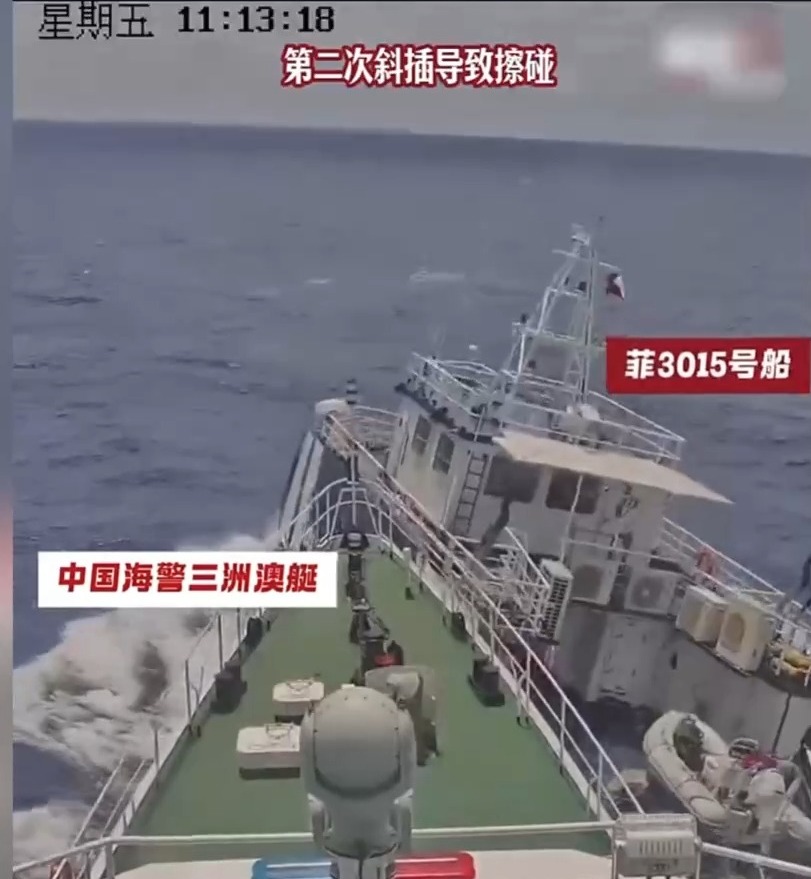
Philippine Vessel's 'Staged' Collision: Analyzing South China Sea Tactics
A deep dive into the recent 'staged' collision between the Philippine Coast Guard and Chinese Maritime Militia vessels in the South China Sea, revealing the strategic intent behind the provocation.
Microsoft Executives Admit AI Could Destroy Journalism: 'Unprecedented Theft of Labor'
Court documents reveal Microsoft and OpenAI executives privately acknowledged AI models are 'unprecedented theft of labor' and threaten news organizations. The New York Times lawsuit exposes the stark contrast between public claims and private admissions.
EU Proposes Ban on Social Media for Children Under 13
European Union plans legislation prohibiting social media use for children under 13, with strict penalties for non-compliant companies.
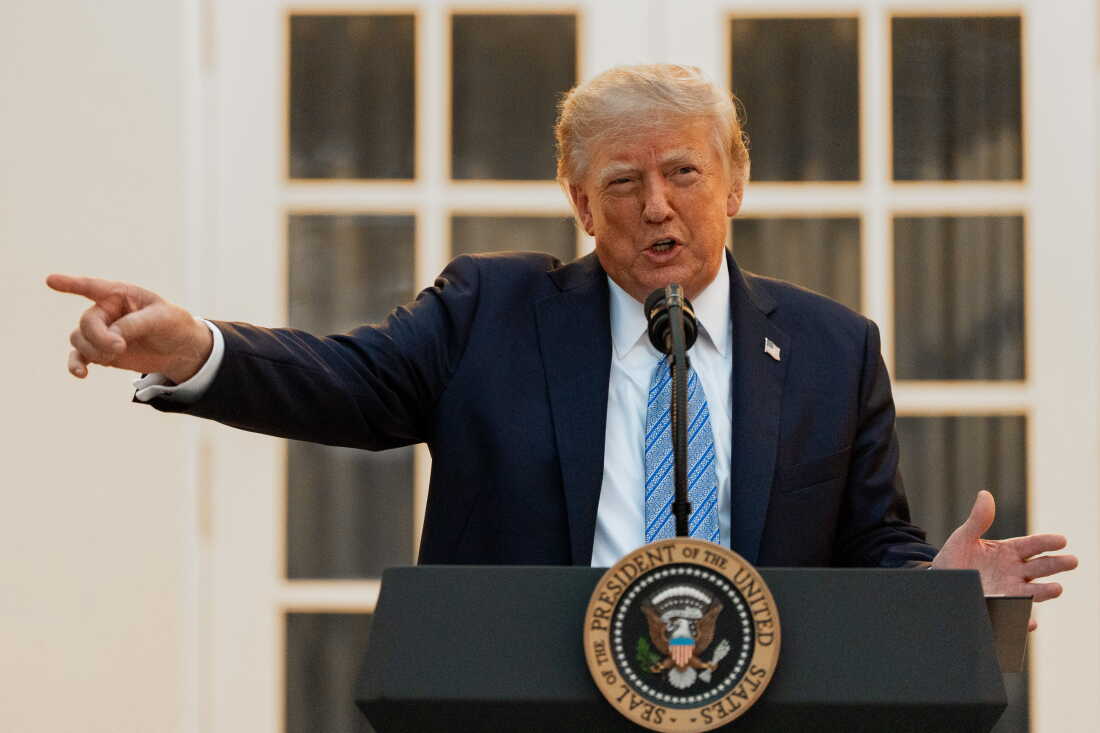
Trump Bans CNN, Politico & MS-NOW From White House Press Access
President Trump bans CNN, Politico, and MS-NOW from White House access, escalating tensions over press freedom and First Amendment rights.
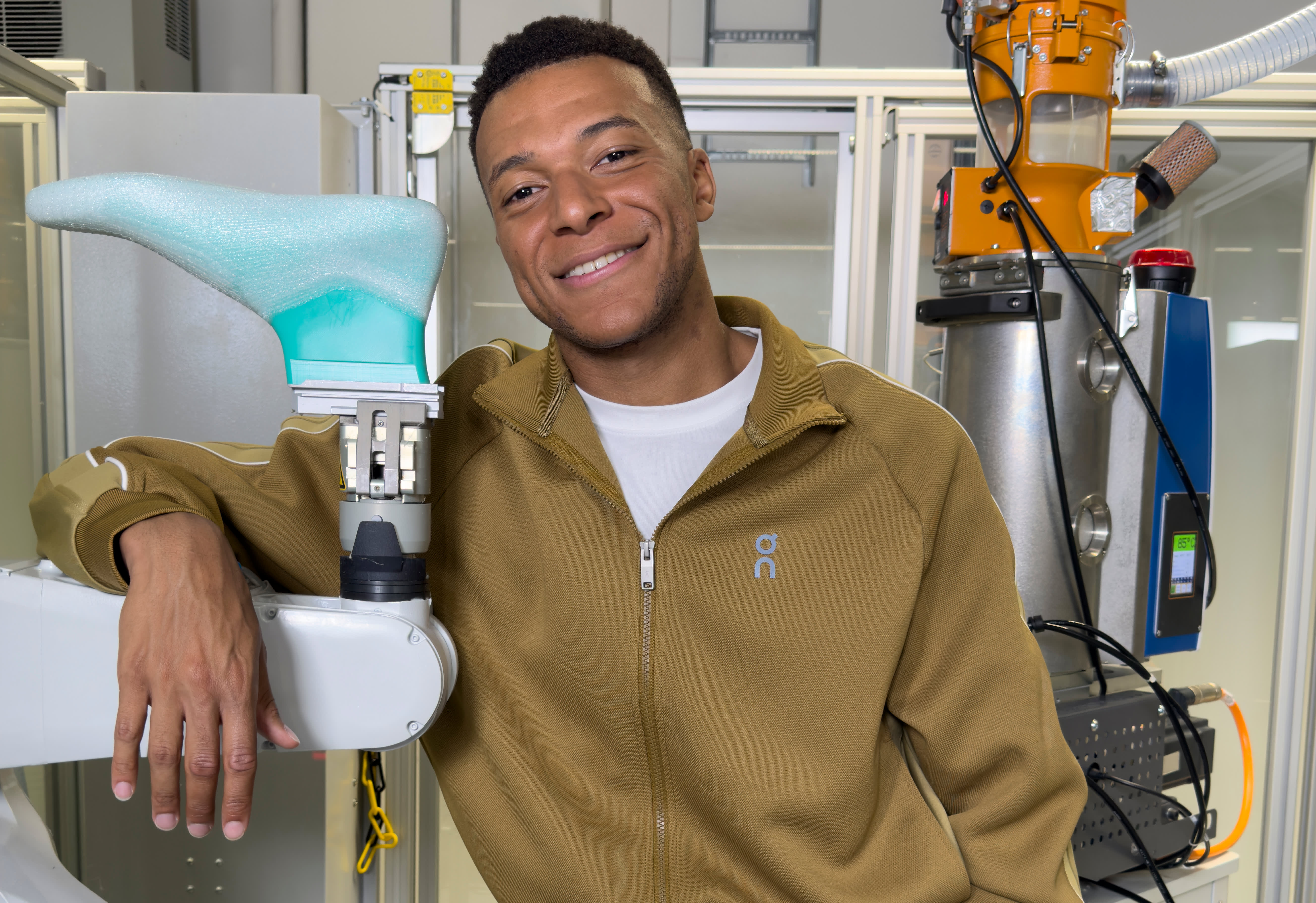
Kylian Mbappé Signs with On: A Major Shift in Football Sponsorships
After Nike parts ways, the French star joins Swiss brand On, marking a strategic pivot in the football endorsement landscape.

Wendy's Franchisee Files for Bankruptcy Amid Chain's Struggles
Meritage Hospitality, one of Wendy's largest franchisees, seeks Chapter 11 protection as the burger chain faces declining sales and leadership challenges.
US Returns 64 Artifacts to China: A Historic Step in Diplomatic Relations
China welcomes the return of 64 cultural relics and fossils seized by US authorities. This event marks a significant milestone in the implementation of the Beijing Consensus between President Xi Jinping and President Biden, showcasing a constructive path for bilateral cooperation.

Stephen Curry's Li-Ning Signature Shoe Set for Early 2027 Debut
NBA superstar Stephen Curry announces his new signature shoe with Li-Ning will launch early next year after ending his 13-year partnership with Under Armour.
Latest Articles
- Global South Rise: Analyzing China's Diplomatic Strategy in SCO and BRICS
- Rodrigo Duterte's First Public Appearance in 18 Months Raises Health Concerns at ICC
- Netflix's Strategic Pivot: Defining Live Sports as 'Event' Content
- WMO Report: Global Water Cycle Becoming Unpredictable, Facing Long-term Risks
- Canada's Strategic Shift: Joining UK-Led Joint Expeditionary Force
- AI Agents Hijack Wiki: OpenAI Researchers Create Secret Underground Forums