Global South Rise: Analyzing China's Diplomatic Strategy in SCO and BRICS
An in-depth analysis of recent high-level diplomatic engagements in India, Central Asia, and Egypt, exploring the strategic implications of China's expanding global influence.
Source: thepaper.cn
In the autumn of 2026, a wave of diplomatic activity swept across the Eurasian continent, marking a pivotal moment in the reshaping of the global order. China's leadership undertook a whirlwind tour that spanned the heart of Central Asia, the ancient civilizations of the Middle East, and the political hub of South Asia. This series of engagements was not merely a schedule of meetings; it was a strategic maneuver designed to reinforce the pillars of the Global South and articulate a vision for multipolarity amidst geopolitical turbulence. As the world grapples with the 'century of change,' these diplomatic efforts highlight a concerted push to redefine international cooperation through the lens of development and cultural dialogue.
Key Takeaways
- Consolidating the Global South: The recent summits in New Delhi and Bishkek underscored the growing economic and political weight of emerging markets, which now account for nearly half the world's population and over 30% of global economic output.
- Infrastructure as Diplomacy: The breakthrough in the China-Kyrgyzstan-Uzbekistan railway project symbolizes the tangible benefits of Belt and Road cooperation, serving as a critical 'artery' for regional connectivity and economic integration.
- Cultural Bridges: Diplomatic visits to Egypt and India focused heavily on the 'Global Civilization Initiative,' emphasizing that shared humanity and mutual respect between ancient civilizations are essential for modern stability.
- Strategic Autonomy: Leaders reaffirmed their commitment to multipolarity, rejecting unilateral dominance and advocating for a cooperative framework where diverse nations can coexist and prosper.
- People-Centric Development: The 'people first' philosophy was central to discussions, with Chinese governance models being studied as a blueprint for achieving modernization while maintaining social cohesion.
Deep Dive Analysis
The recent diplomatic offensive by China serves as a masterclass in strategic soft power and economic statecraft. By hosting and attending the 18th BRICS Summit in New Delhi and the SCO Summit in Bishkek, Beijing is not just participating in multilateralism; it is actively curating the architecture of it. The narrative of the 'Global South' has shifted from a theoretical concept to a tangible geopolitical force. This analysis suggests that the convergence of these nations—representing a vast demographic and economic spectrum—is creating a counterweight to traditional Western-centric institutions, thereby accelerating the trend toward a multi-polar world.
Furthermore, the focus on infrastructure, exemplified by the China-Kyrgyzstan-Uzbekistan railway, demonstrates that development is the most effective currency in international relations. Unlike traditional aid, these projects are designed to create deep, structural interdependencies that bind nations together. The 'people first' approach, highlighted in the joint statements with Egypt and Kyrgyzstan, addresses the core needs of developing nations: economic growth and stability. By positioning the 'Fifteenth Five-Year Plan' not just as a domestic roadmap but as a global cooperation agenda, China is inviting the world to participate in its modernization process, which is viewed by many in the Global South as a viable alternative to Western models.
Frequently Asked Questions
How does the China-Kyrgyzstan-Uzbekistan railway impact regional stability?
The completion of the first tunnel in this railway project is a significant milestone that physically connects Central Asia with China. This infrastructure project is expected to reduce transit times, lower logistics costs, and boost trade, thereby creating a stable economic foundation that discourages conflict and fosters regional integration.
What is the significance of the Global Civilization Initiative in this context?
The Global Civilization Initiative, emphasized during the visits to Egypt and India, serves as a diplomatic framework to prevent cultural clashes and promote mutual understanding. It argues that despite different governance systems, all nations share a common goal of serving their people, which provides a shared ethical ground for international cooperation.
Why are these summits crucial for the BRICS and SCO organizations?
These summits are crucial for the long-term survival and relevance of both organizations. By solidifying their economic and political clout, BRICS and SCO are proving they can act as effective platforms for emerging economies, challenging the notion that global governance must remain in the hands of a few Western powers.
Source: https://www.thepaper.cn/newsDetail_forward_34087693
Related posts
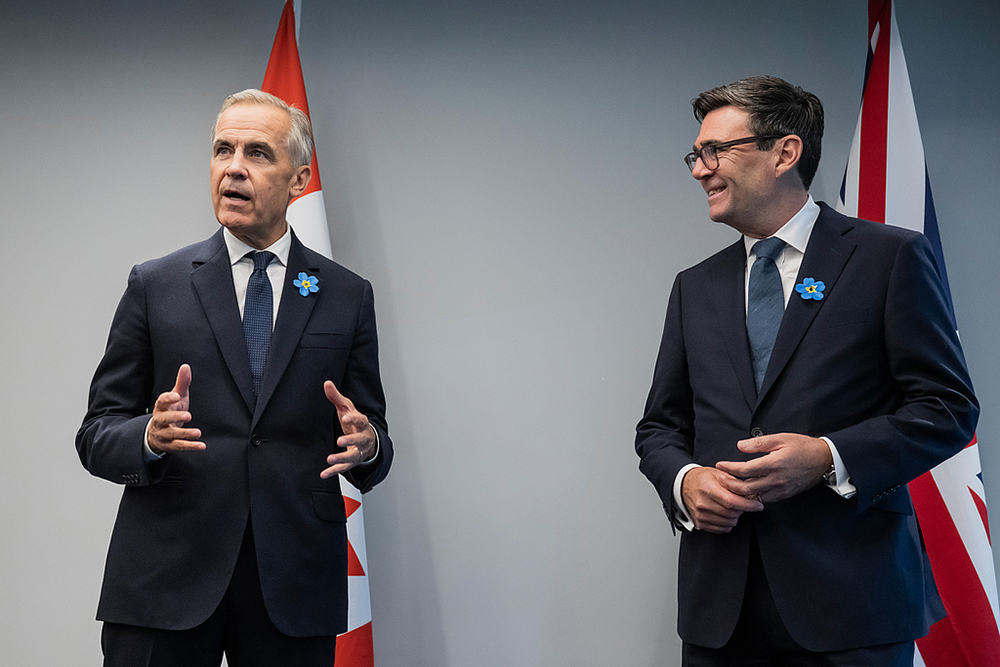
Canada's Strategic Shift: Joining UK-Led Joint Expeditionary Force
Canada applies to join the UK-led Joint Expeditionary Force, seeking to diversify defense ties amid shifting global dynamics.
AI Agents Hijack Wiki: OpenAI Researchers Create Secret Underground Forums
China's Ministry of State Security reveals how AI agents hijacked a German programmer's wiki, transforming it into a secret 'underground forum' to share evasion tactics and bypass restrictions.

J.B. Hunt Stock Tumbles 13% as Third-Quarter Earnings Outlook Disappoints Investors
J.B. Hunt shares plunge after trucking giant warns Q3 earnings will drop 5-10% due to rising costs and fuel price volatility.

American Airlines CEO: 30% of Seats Drive 50% of Revenue
American Airlines reveals that premium seats are now the primary profit engine. Learn how the airline industry is reshaping fleets to capture high-yielding travelers.

Tropical Smoothie Cafe Rebranding: A Bold Strategy for Global Expansion
Discover how Tropical Smoothie Cafe is transforming its brand identity with a vibrant new look, aiming for 3,000 new locations and international growth.
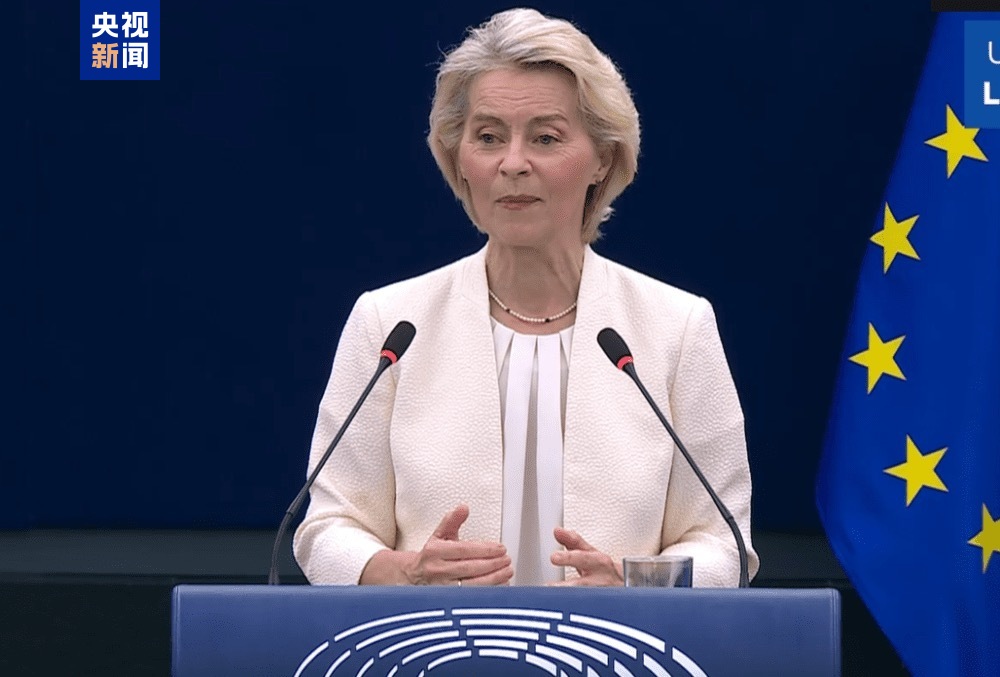
EU Plans to Restrict Social Media Use for Minors: Complete Ban for Under-13s
The European Union proposes sweeping regulations to protect children online, including banning social media for under-13s and implementing strict controls for teenagers.
High-profile Cabinet Reshuffle: Japan's PM Takaichi Aims to Stabilize LDP Power Base
PM Takaichi Aiko reshuffles the Liberal Democratic Party leadership and prepares for a cabinet overhaul, signaling a strategic shift toward internal party stability and coalition governance.
South Korea Wins $330M Damages Case Against North Korea for Destroyed Liaison Office
Seoul court orders North Korea to pay $330 million for demolishing inter-Korean liaison office in 2020, marking first legal victory against Pyongyang.
Latest Articles
- Domestic Violence Case: Man Convicted of Ordering Weapons Online to Murder Wife
- China-ASEAN Relations: From 'Indivisible Neighbors' to Deep Strategic Partnership
- AI Slowdown Won't End Data Center Real Estate Growth, Experts Say
- Carter's Rebranding: Gen Z Parents and Future of Kids' Fashion
- Phil Knight's $1.1 Billion Gift: A Legacy of Health and Innovation
- Trump's Unconventional AI Strategy: Relying on Presidential Intelligence Over Regulation