South Korea Wins $330M Damages Case Against North Korea for Destroyed Liaison Office
Seoul court orders North Korea to pay $330 million for demolishing inter-Korean liaison office in 2020, marking first legal victory against Pyongyang.
Source: thepaper.cn
In a landmark ruling that underscores the persistent tensions on the Korean Peninsula, a South Korean court has ordered North Korea to pay approximately 446 billion won (about $330 million) for the demolition of the inter-Korean liaison office in 2020. This decision represents a significant legal victory for South Korea and sets an important precedent for holding North Korea accountable for its actions through international legal channels.
Key Points
- Historic Legal Victory: This marks the first time South Korea has successfully sued North Korea and won a damages case in court. The Seoul Central District Court ruled in favor of the South Korean government's claim, though it did not provide detailed reasoning for its decision.
- The Demolition Incident: On June 16, 2020, North Korea unilaterally destroyed the inter-Korean liaison office building located in the then-Kaesong Industrial Complex. According to North Korean state media, this action was taken as a countermeasure to "respond to the people's demands."
- Legal Timeline: South Korea's Unification Ministry filed the lawsuit against North Korea in June 2023, seeking compensation for the destruction of the facility that served as a crucial communication channel between the two nations.
- Monetary Value: The court awarded approximately 446 billion won in damages, equivalent to about $330 million based on the current exchange rate of 1,371 won per US dollar.
- Context of Relations: The liaison office was established in September 2018 following the Panmunjom Declaration signed by South Korean President Moon Jae-in and North Korean leader Kim Jong-un earlier that year. It was designed to facilitate communication, negotiations, and people-to-people exchanges between the two Koreas.
- Purpose of the Facility: The building served multiple critical functions, including inter-Korean communication and negotiation, government-level talks and consultations, civilian exchanges and aid, and facilitating personnel movements between the two sides.
- Current Relations: The demolition occurred during a period of already strained inter-Korean relations, further deteriorating the diplomatic atmosphere on the peninsula and eliminating a key communication channel.
In-depth Analysis
This court ruling comes at a particularly sensitive time in inter-Korean relations, which have seen significant fluctuations since the high-level diplomacy of 2018. The destruction of the liaison office represented a major setback for peace efforts on the peninsula, as it eliminated one of the few remaining direct communication channels between the two governments. While the financial award is substantial, its practical collection remains uncertain given the existing sanctions against North Korea and the lack of diplomatic relations between the two nations.
The case highlights South Korea's evolving legal approach to addressing North Korean provocations, moving beyond diplomatic statements to formal legal action. This strategy may set a precedent for future cases involving North Korean actions that cause harm to South Korean interests or property. However, the effectiveness of such legal measures depends heavily on international cooperation and enforcement mechanisms, which remain challenging in the context of the current geopolitical landscape.
Looking ahead, this ruling could influence how South Korea and other nations approach similar incidents involving North Korean activities. It may also impact the already complex dynamics of inter-Korean relations, potentially leading to further legal challenges or countermeasures. The case underscores the ongoing challenges in maintaining peace and stability on the Korean Peninsula, where legal victories on paper may not translate to tangible changes on the ground.
Frequently Asked Questions
What was the purpose of the inter-Korean liaison office? The liaison office served as the first official communication channel between North and South Korea, established after the 2018 Panmunjom Declaration. It facilitated government-level talks, civilian exchanges, and provided logistical support for personnel movements between the two nations.
Can South Korea actually collect the damages from North Korea? While the court has awarded the damages, practical collection faces significant challenges due to international sanctions against North Korea and the lack of diplomatic relations between the two countries. The ruling primarily serves as a legal and symbolic victory rather than a guaranteed financial recovery.
How might this ruling affect future inter-Korean relations? The decision could lead to more legal actions by South Korea against North Korean provocations and may prompt Pyongyang to take further countermeasures. It represents a shift toward addressing inter-Korean disputes through legal channels rather than solely through diplomatic negotiations.
Source: https://www.thepaper.cn/newsDetail_forward_34080014
Related posts
Domestic Violence Case: Man Convicted of Ordering Weapons Online to Murder Wife
A disturbing case from Shandong Province highlights the tragic consequences of domestic violence and the failures in legal protections for victims.
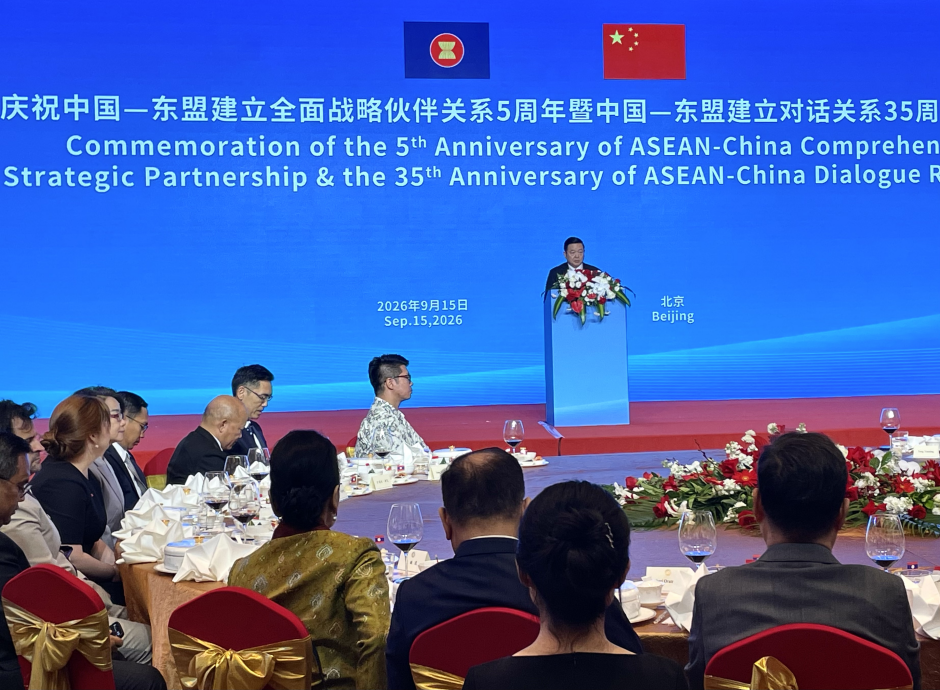
China-ASEAN Relations: From 'Indivisible Neighbors' to Deep Strategic Partnership
Exploring the evolution of China-ASEAN relations over 35 years, from trade partners to comprehensive strategic allies with $1 trillion in bilateral trade.

AI Slowdown Won't End Data Center Real Estate Growth, Experts Say
Despite recent concerns about AI development pace, data center real estate continues to see strong demand from cloud computing and digital transformation.

Carter's Rebranding: Gen Z Parents and Future of Kids' Fashion
Carter's Inc. rebrands to attract Gen Z parents, focusing on child autonomy and social media trends. Discover how the 161-year-old retailer is evolving to stay relevant.

Phil Knight's $1.1 Billion Gift: A Legacy of Health and Innovation
Nike co-founder Phil Knight donates $1.1 billion to Oregon's medical center, marking a historic healthcare milestone and continuing his family's massive philanthropic legacy.
Trump's Unconventional AI Strategy: Relying on Presidential Intelligence Over Regulation
Former President Trump argues that a strong and smart president is the only control needed for AI, dismissing calls for stricter regulations as a trap for China.

Bank of America Q3 Outlook: Investment Banking Fees Fall Over 10%
Bank of America projects a double-digit decline in investment banking fees for Q3, signaling a cooling trend in the AI-fueled capital markets boom.

Main Street Millionaires: The Wealthy Class Hiding in Plain Sight
Discover the silent economic revolution driving wealth in America. Beyond billionaires, a vast network of Main Street millionaires controls the economy and shapes policy.
Latest Articles
- China Warns Japan Against 'New Militarism' Over Joint Drills
- China-Laos Defense Talks: Dong Jun Meets Khamliang in Beijing
- Iran and the West: Empire, Revolution, and the Roots of the 2026 War
- Sweden Election 2026: One Seat, Deep Anxiety
- China's Diplomatic Envoys Local Tours: What Beijing's New Outreach Means
- Indonesia Ferry Disaster: Why Java Sea Capsizing Keeps Repeating