EU Plans to Restrict Social Media Use for Minors: Complete Ban for Under-13s
The European Union proposes sweeping regulations to protect children online, including banning social media for under-13s and implementing strict controls for teenagers.
Source: thepaper.cn
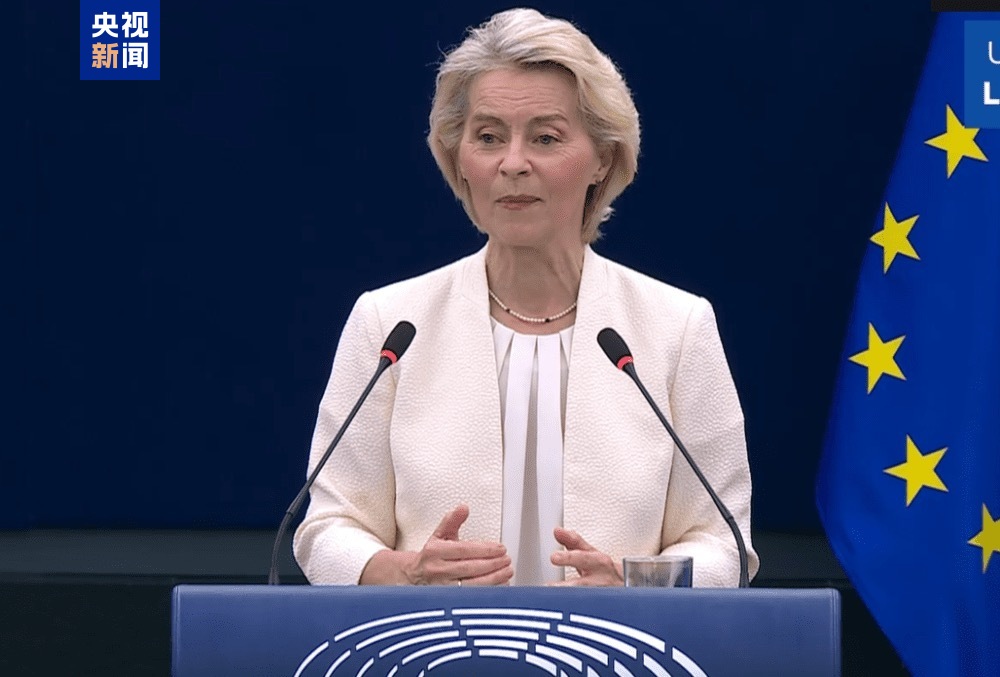
In an unprecedented move to protect children's digital wellbeing, the European Union has announced comprehensive plans to restrict social media access for minors. This landmark proposal, unveiled by European Commission President Ursula von der Leyen during her annual State of the Union address, represents one of the most significant regulatory interventions in the digital space globally. The measures reflect growing concerns about the impact of social media on children's mental health, privacy, and development, positioning the EU as a global leader in digital child protection.
Key Provisions
- Complete ban for under-13s: The EU will prohibit children under 13 from using social media platforms entirely, aligning with existing age verification requirements but with stronger enforcement mechanisms.
- Restricted accounts for 13-15 year-olds: This age group will only be allowed to use "mini accounts" created and monitored by parents or guardians, with limited functionality and usage time restrictions.
- Safety obligations for platforms serving 15-18 year-olds: Digital platforms will be required to implement "safety by design" principles for teenagers, including content filtering and time management features.
- Shift in responsibility burden: The regulations will place the onus on platforms to prove their services are safe for children, rather than requiring parents and children to assume all risks.
- Addiction prevention measures: The EU explicitly rejects addictive design features and algorithms that push extreme content to young users, signaling a fundamental approach to platform accountability.
In-depth Analysis
The proposed regulations mark a paradigm shift in how societies approach digital protection for minors. By establishing age-based restrictions with graduated levels of control, the EU acknowledges developmental differences while recognizing that one-size-fits-all approaches are insufficient. This framework represents a significant evolution from current self-regulation models to mandatory compliance with legal consequences.
The timing of these regulations coincides with mounting global evidence about social media's negative impacts on adolescent mental health, including increased rates of anxiety, depression, and body image issues. By targeting addictive features and extreme content exposure, the EU addresses both the structural design of platforms and the content ecosystem that harms young users.
Industry experts predict these regulations will force major platforms to fundamentally redesign their user experiences and age-gating systems. The economic implications are substantial, as platforms will need to invest in robust age verification technologies and develop entirely new product lines for younger users. The EU's approach likely sets a precedent that other regions, including North America and Asia, may follow in coming years.
The proposed "Kids Act" legislation, scheduled for detailed announcement on September 17, faces a complex legislative process requiring approval from EU member states and the European Parliament. However, the strong political backing suggests these measures will likely be enacted, potentially taking effect within 18-24 months after final approval.
Frequently Asked Questions
What happens if a child under 13 tries to create a social media account? Platforms will be required to implement robust age verification systems, potentially requiring identity documentation or parental consent verification. Non-compliance could result in significant fines and restrictions on platform operations within the EU market.
How will these regulations affect teenagers' digital literacy development? Proponents argue that controlled access allows for supervised digital skill development while protecting vulnerable users. Critics worry that restrictions might limit opportunities for teenagers to learn responsible online behavior, though the EU's tiered approach aims to balance these concerns by gradually increasing permissions with age.
Source: https://www.thepaper.cn/newsDetail_forward_34081488
Related posts
High-profile Cabinet Reshuffle: Japan's PM Takaichi Aims to Stabilize LDP Power Base
PM Takaichi Aiko reshuffles the Liberal Democratic Party leadership and prepares for a cabinet overhaul, signaling a strategic shift toward internal party stability and coalition governance.
South Korea Wins $330M Damages Case Against North Korea for Destroyed Liaison Office
Seoul court orders North Korea to pay $330 million for demolishing inter-Korean liaison office in 2020, marking first legal victory against Pyongyang.
Domestic Violence Case: Man Convicted of Ordering Weapons Online to Murder Wife
A disturbing case from Shandong Province highlights the tragic consequences of domestic violence and the failures in legal protections for victims.

China-ASEAN Relations: From 'Indivisible Neighbors' to Deep Strategic Partnership
Exploring the evolution of China-ASEAN relations over 35 years, from trade partners to comprehensive strategic allies with $1 trillion in bilateral trade.

AI Slowdown Won't End Data Center Real Estate Growth, Experts Say
Despite recent concerns about AI development pace, data center real estate continues to see strong demand from cloud computing and digital transformation.

Carter's Rebranding: Gen Z Parents and Future of Kids' Fashion
Carter's Inc. rebrands to attract Gen Z parents, focusing on child autonomy and social media trends. Discover how the 161-year-old retailer is evolving to stay relevant.

Phil Knight's $1.1 Billion Gift: A Legacy of Health and Innovation
Nike co-founder Phil Knight donates $1.1 billion to Oregon's medical center, marking a historic healthcare milestone and continuing his family's massive philanthropic legacy.
Trump's Unconventional AI Strategy: Relying on Presidential Intelligence Over Regulation
Former President Trump argues that a strong and smart president is the only control needed for AI, dismissing calls for stricter regulations as a trap for China.
Latest Articles
- Bank of America Q3 Outlook: Investment Banking Fees Fall Over 10%
- Main Street Millionaires: The Wealthy Class Hiding in Plain Sight
- China Warns Japan Against 'New Militarism' Over Joint Drills
- China-Laos Defense Talks: Dong Jun Meets Khamliang in Beijing
- Iran and the West: Empire, Revolution, and the Roots of the 2026 War
- Sweden Election 2026: One Seat, Deep Anxiety