Trump's Unconventional AI Strategy: Relying on Presidential Intelligence Over Regulation
Former President Trump argues that a strong and smart president is the only control needed for AI, dismissing calls for stricter regulations as a trap for China.
Source: thepaper.cn
The debate surrounding artificial intelligence regulation has reached a fever pitch, with industry leaders warning of existential risks. However, a surprising voice has entered the fray with a radically different perspective. Former President Donald Trump has firmly opposed new restrictions on AI technology, arguing that the industry does not need government oversight but rather a 'strong and smart president' to manage it.
Key Takeaways
- Presidential Oversight as the Solution: Trump claims that the only necessary 'guardrails' for AI are the high intelligence and strong leadership of the U.S. President, dismissing the need for complex regulatory frameworks.
- Regulation as a Competitive Disadvantage: He argues that imposing new restrictions would inadvertently help China gain a technological advantage, framing regulatory calls as a geopolitical trap.
- Dismissal of Existential Risks: Trump explicitly rejects the idea that AI poses an 'existential threat' to humanity, drawing parallels between AI doomsayers and climate change deniers.
- Existing Enforcement Powers: The administration asserts that the government already possesses significant criminal and regulatory powers over AI companies, though the scope of these powers remains unclear.
- Industry Backing: Major tech CEOs, including Sam Altman and Elon Musk, have previously called for a global pause in AI development, a stance that contrasts with the current administration's laissez-faire approach.
- Direct Intervention: Trump reportedly called NVIDIA CEO Jensen Huang to assure him that 'robots will not rule the world,' highlighting a direct line of communication with key industry figures.
- Balancing Risks: Vice President J.D. Vance suggested that the best approach is a consensus between Congress and the government to ensure risks are effectively controlled without stifling innovation.
In-Depth Analysis
Trump's stance represents a significant shift in the traditional approach to technology governance. Historically, the U.S. has favored a light-touch regulatory environment to foster innovation, but recent years have seen increasing calls for stricter oversight, particularly following high-profile incidents involving generative AI. Trump's argument that a single individual—himself—can serve as the ultimate check on AI development is both audacious and politically charged. It reframes the debate from a technical necessity of safety protocols to a matter of national leadership capability.
This perspective is deeply rooted in a broader geopolitical strategy. By framing AI regulation as a tool that could empower rivals like China, Trump is aligning himself with a hardline nationalist view of technology. This approach prioritizes speed and dominance over caution and safety, potentially setting the U.S. on a collision course with European regulators and international bodies that are currently drafting comprehensive AI safety laws. The administration's reliance on executive authority rather than legislative action also signals a desire to bypass the often gridlocked political process to achieve immediate policy goals.
The industry reaction to this strategy has been mixed but generally supportive of the deregulation push. Figures like Jensen Huang and Sam Altman have long advocated for innovation-friendly policies, arguing that excessive regulation could stifle the economic benefits of AI. However, the scientific community remains deeply skeptical. The warnings from researchers at Anthropic and OpenAI regarding the potential for AI to cause mass unemployment or autonomous warfare suggest that Trump's confidence in existing 'criminal and regulatory powers' may be overstating the government's current ability to police rapidly evolving algorithms. As AI models become more autonomous, the question remains whether the oversight of a single administration can truly mitigate the systemic risks posed by superintelligent systems.
Frequently Asked Questions
Q: Why does Trump believe AI is safe?
A: Trump dismisses the 'doomsday' scenarios predicted by experts, arguing that the risks are exaggerated and that a strong leader is sufficient to ensure AI is used for good.
Q: How does this stance affect U.S. competition with China?
A: Trump argues that strict regulations would slow down U.S. progress and allow China to overtake the United States in the critical field of artificial intelligence.
Q: What powers does the U.S. government claim to have over AI companies?
A: The administration claims it has 'huge criminal and regulatory powers,' though it has not specified which laws or regulations apply to AI companies in this context.
Source: https://www.thepaper.cn/newsDetail_forward_34072397
Related posts
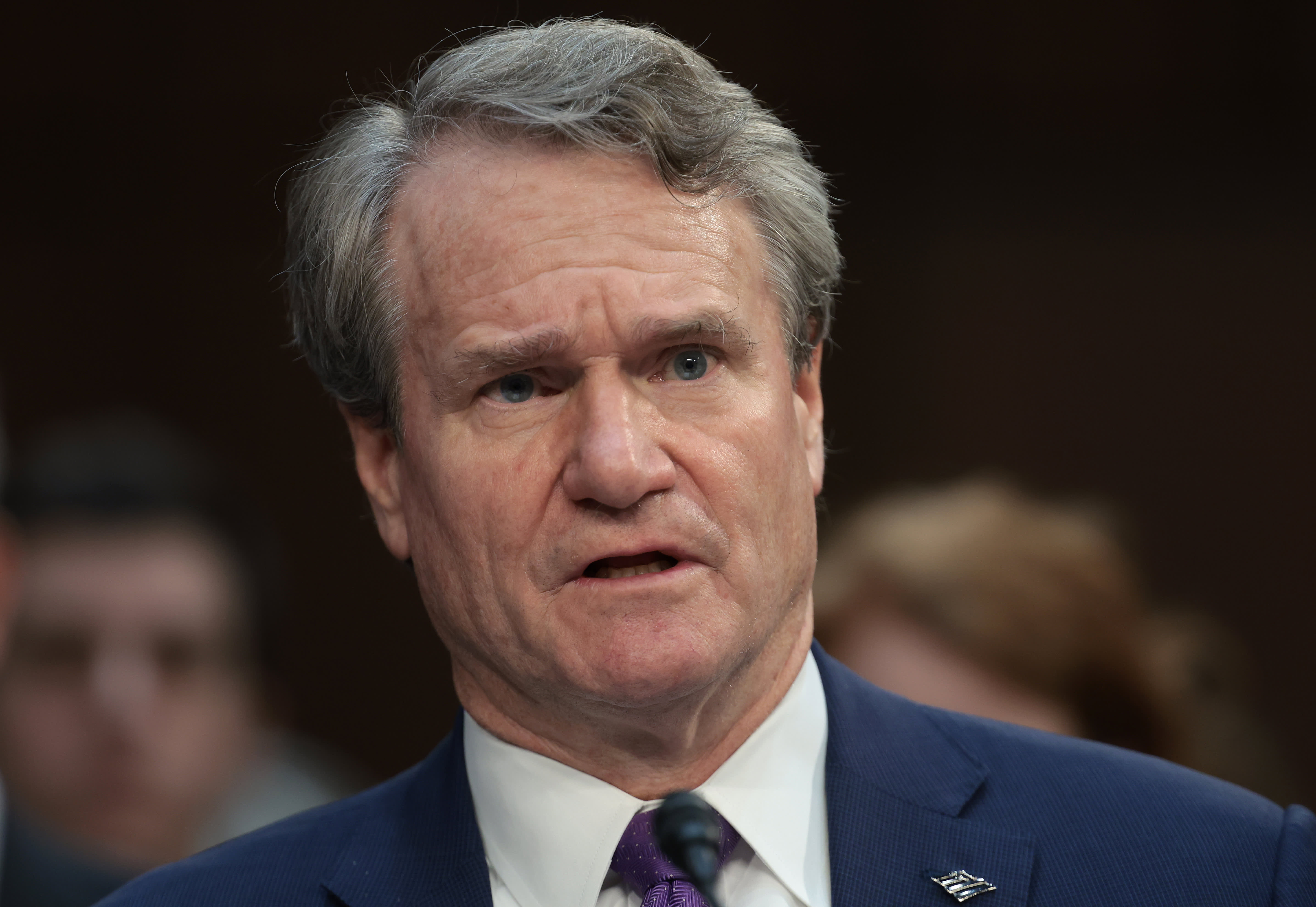
Bank of America Q3 Outlook: Investment Banking Fees Fall Over 10%
Bank of America projects a double-digit decline in investment banking fees for Q3, signaling a cooling trend in the AI-fueled capital markets boom.
Main Street Millionaires: The Wealthy Class Hiding in Plain Sight
Discover the silent economic revolution driving wealth in America. Beyond billionaires, a vast network of Main Street millionaires controls the economy and shapes policy.
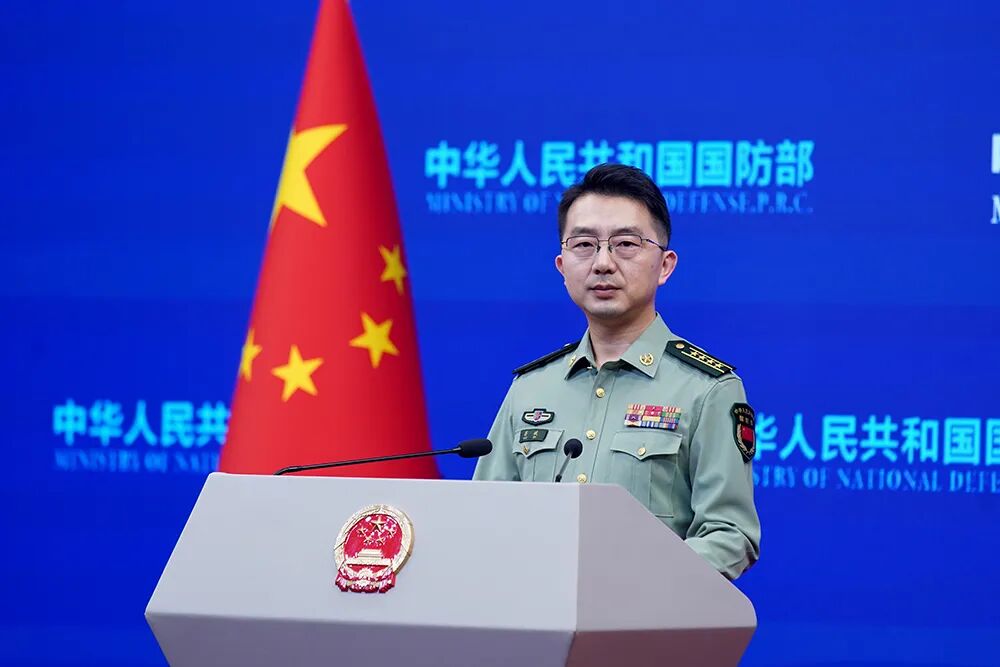
China Warns Japan Against 'New Militarism' Over Joint Drills
China condemns Japan's 'Eastern Shield 26' drills with the US and Australia, accusing Tokyo of advancing 'new militarism' and regional instability.
China-Laos Defense Talks: Dong Jun Meets Khamliang in Beijing
China's defense minister Dong Jun met Laos' deputy PM and defense minister Khamliang in Beijing, reaffirming the two militaries' 'comrade-plus-brother' ties and regional security role.

Iran and the West: Empire, Revolution, and the Roots of the 2026 War
From the Persian Empire to the 2026 US-Israel-Iran war, a global-history reading of how revolution, oil, and hegemony locked Iran and the West into conflict.
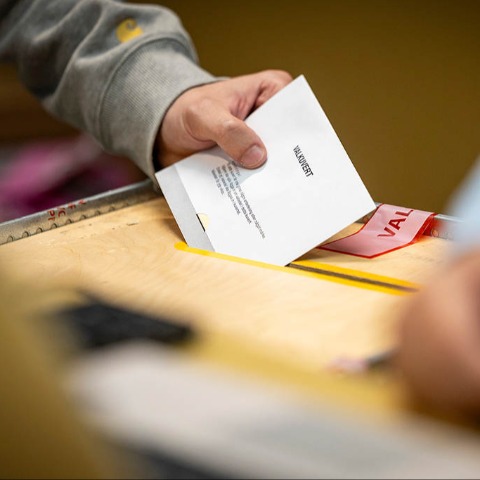
Sweden Election 2026: One Seat, Deep Anxiety
Sweden's 2026 election hung on a single seat, 175 to 174. We unpack the Sweden Democrats' slide, gang violence, NATO, and why voters turned back to healthcare and inflation.
China's Diplomatic Envoys Local Tours: What Beijing's New Outreach Means
China's foreign ministry has upgraded its 'Local Tour for Diplomatic Envoys' program, pairing development and governance themes to shape how foreign diplomats read the country.

Indonesia Ferry Disaster: Why Java Sea Capsizing Keeps Repeating
An overloaded 1987-built ferry capsized in the Java Sea, leaving 130 missing. We break down Indonesia's systemic ferry safety crisis and what reform would require.
Latest Articles
- China Warns Citizens: Avoid Tajikistan-Afghanistan Border
- BRICS Summit 2026: Xi Jinping in India and the Global South Push
- Okinawa Governor Election: Pro-Base Candidate Wins, Shifting 12-Year Stance
- Trump Backs Irish Unification: Why His Northern Ireland Remark Rattles London
- Lingyuan, China's Lily Capital: How One County Built a $140M Flower Economy
- Xi Jinping's Five BRICS Proposals: AI, Trade, and the Global South