AI Slowdown Won't End Data Center Real Estate Growth, Experts Say
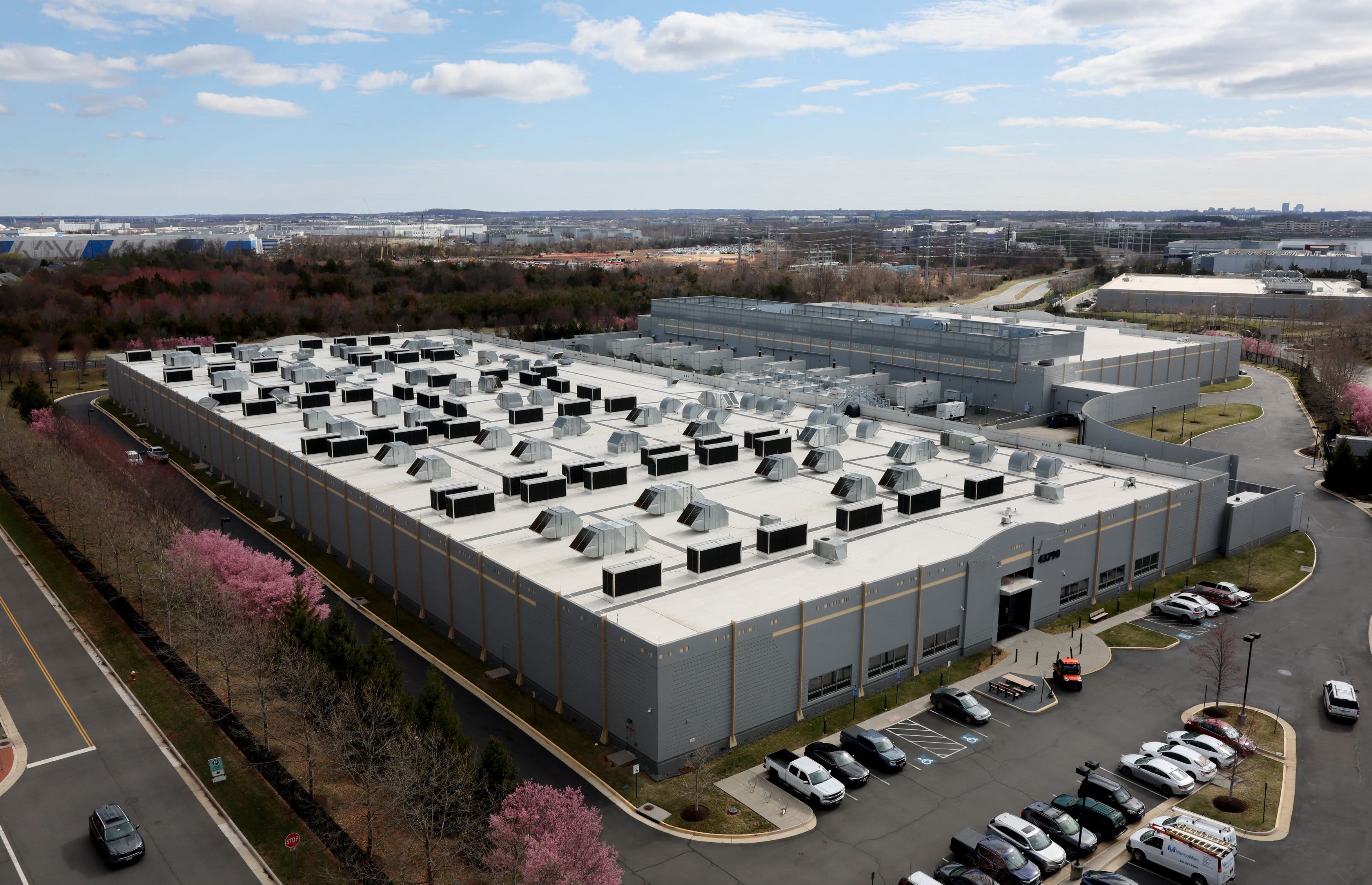
Despite recent concerns about AI development pace, data center real estate continues to see strong demand from cloud computing and digital transformation.
Source: CNBC
Recent calls for a slowdown in artificial intelligence development have sent ripples through the tech and real estate markets, with major data center REITs experiencing stock volatility. However, industry leaders remain confident that the underlying demand for data center infrastructure remains robust, driven by broader digital transformation trends beyond just AI.
Core Content
- AI's Growing but Not Sole Influence: While artificial intelligence has rapidly become the dominant driver of data center demand, accounting for an estimated 70% of global capacity needs by 2030 according to McKinsey, it's not the only factor. Cloud computing, enterprise IT, and internet services continue to generate substantial demand that has been somewhat overshadowed by recent AI hype.
- Massive Investment Requirements: Meeting global data center demand by 2030 will require approximately $7 trillion in capital expenditures, with real estate alone representing about $3 trillion of that investment over the next five years, according to JLL. This staggering figure underscores the long-term nature of data center infrastructure development.
- Market Disparities in Impact: Not all geographic markets will be affected equally. Key markets like Northern Virginia, Dallas, Chicago, Singapore, Tokyo, Frankfurt, and Amsterdam are experiencing demand that significantly outpaces supply, with customers competing fiercely for limited space. These markets benefit from locational advantages and data sovereignty requirements that can't be easily replicated elsewhere.
- Shift from Training to Inference: The real growth in data centers is expected to come from inference rather than training, as businesses and consumers increasingly adopt AI tools into daily workflows. Currently, only about 25% of Americans use AI daily, leaving significant room for adoption growth and corresponding data center demand expansion.
- Strong Institutional Backing: Major institutional investors including Blackstone, BlackRock, and KKR maintain high conviction in the data center sector, providing substantial capital that supports continued development despite short-term market fluctuations.
- Strategic Positioning by REITs: Companies like Digital Realty have proactively prepared for potential market shifts, with $20 billion currently under construction (double the amount from 2023). They've diversified funding models, formed joint ventures, and maintained strong balance sheets with high liquidity and low leverage to weather any potential storms.
In-depth Analysis
The current market reaction to AI slowdown concerns appears somewhat disconnected from the fundamental drivers of data center demand. While AI has certainly accelerated the need for specialized infrastructure, the broader digital transformation across industries continues to generate substantial requirements for data processing and storage capacity. This dual demand stream creates a more resilient market than what current stock prices might suggest.
The data center real estate sector has evolved significantly over the past decade, moving beyond simple colocation to providing sophisticated solutions for edge computing, hybrid cloud environments, and specialized AI infrastructure. This evolution has positioned REITs like Digital Realty and Equinix to capture value across multiple demand vectors rather than being solely dependent on AI-driven growth.
Looking ahead, the next 5-10 years will likely see continued consolidation in the sector as larger players acquire specialized operators to build comprehensive service offerings. We can also expect increased focus on sustainability and energy efficiency, with data centers accounting for an estimated 1-3% of global electricity consumption. The regulatory environment around data privacy and sovereignty will further shape market dynamics, potentially creating barriers to entry for new players in certain regions.
Frequently Asked Questions
What impact would an AI slowdown actually have on data center demand? While an AI slowdown might reduce demand for specialized training infrastructure, it would likely accelerate demand for inference capacity as businesses focus on implementing existing models. Additionally, broader cloud computing growth and digital transformation initiatives would continue to drive substantial data center requirements.
How are data center REITs positioning themselves for potential market shifts? Leading REITs have been strengthening their balance sheets, diversifying funding sources, and expanding development pipelines. They're also forming strategic partnerships and joint ventures to share costs and risks while maintaining exposure to high-growth markets with structural supply constraints.
Which geographic markets offer the best opportunities for data center investment? Markets with strong connectivity, favorable regulatory environments, and limited available space continue to attract premium valuations. Key markets include Northern Virginia, Dallas, Chicago, Singapore, Tokyo, Frankfurt, and Amsterdam, where demand consistently outpaces supply and customers are willing to pay premium rates for prime locations.
Source: https://www.cnbc.com/2026/09/15/data-center-reit-ceo-ai-slowdown.html
Related posts
Phil Knight's $1.1 Billion Gift: A Legacy of Health and Innovation
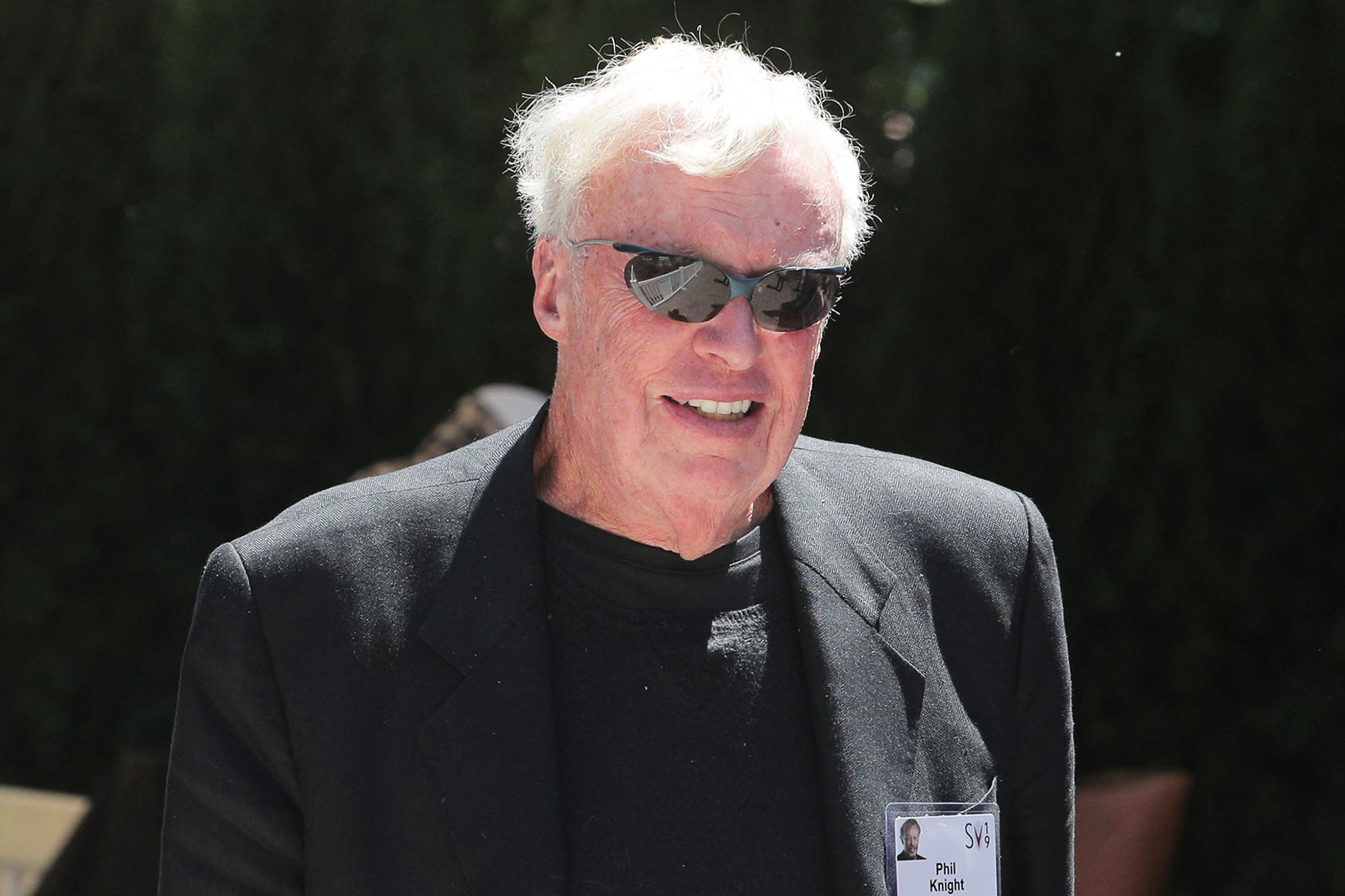
Nike co-founder Phil Knight donates $1.1 billion to Oregon's medical center, marking a historic healthcare milestone and continuing his family's massive philanthropic legacy.

Carter's Rebranding: Gen Z Parents and Future of Kids' Fashion
Carter's Inc. rebrands to attract Gen Z parents, focusing on child autonomy and social media trends. Discover how the 161-year-old retailer is evolving to stay relevant.

China-ASEAN Relations: From 'Indivisible Neighbors' to Deep Strategic Partnership
Exploring the evolution of China-ASEAN relations over 35 years, from trade partners to comprehensive strategic allies with $1 trillion in bilateral trade.
Trump's Unconventional AI Strategy: Relying on Presidential Intelligence Over Regulation
Former President Trump argues that a strong and smart president is the only control needed for AI, dismissing calls for stricter regulations as a trap for China.
Bank of America Q3 Outlook: Investment Banking Fees Fall Over 10%
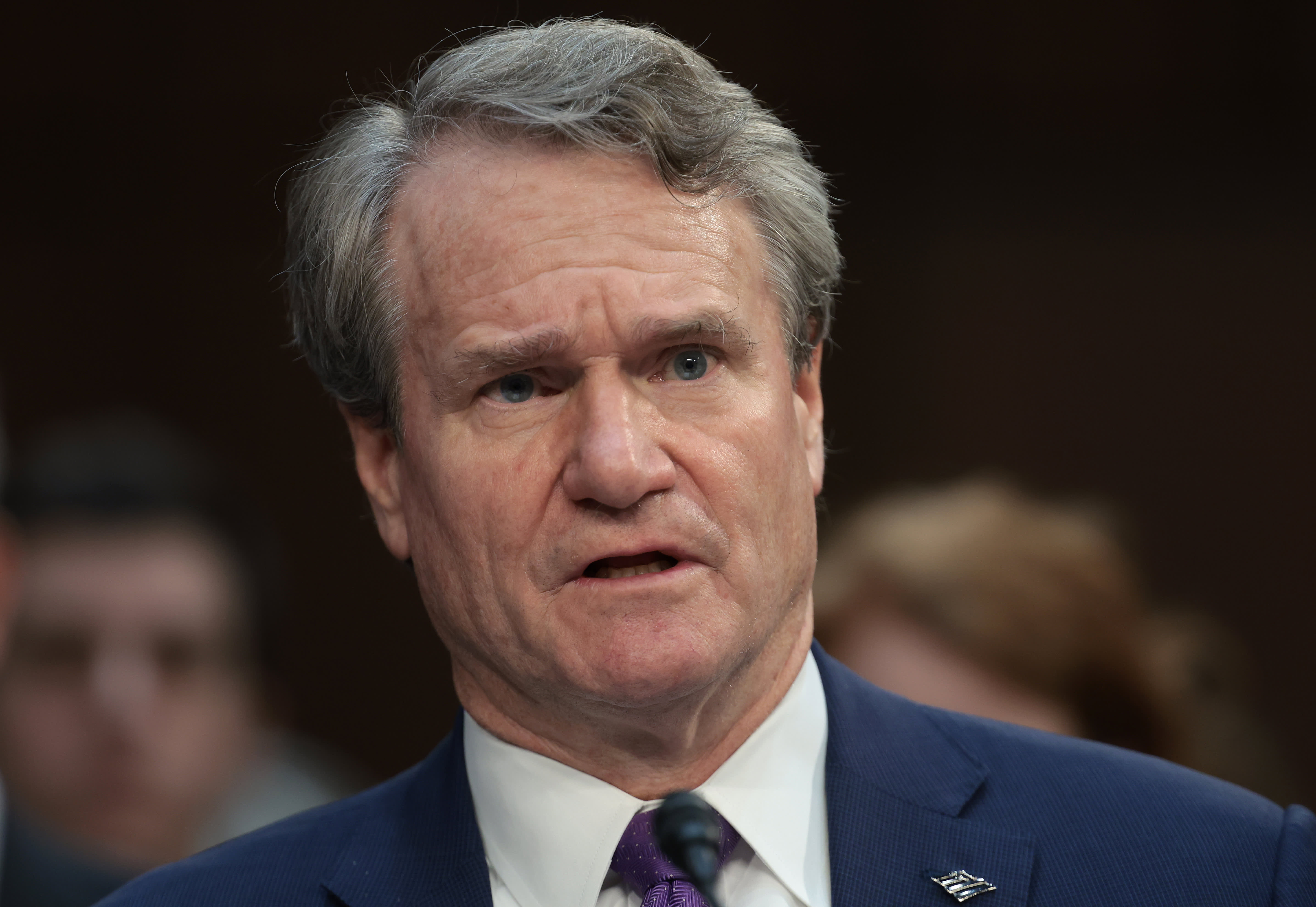
Bank of America projects a double-digit decline in investment banking fees for Q3, signaling a cooling trend in the AI-fueled capital markets boom.

Main Street Millionaires: The Wealthy Class Hiding in Plain Sight
Discover the silent economic revolution driving wealth in America. Beyond billionaires, a vast network of Main Street millionaires controls the economy and shapes policy.

China Warns Japan Against 'New Militarism' Over Joint Drills
China condemns Japan's 'Eastern Shield 26' drills with the US and Australia, accusing Tokyo of advancing 'new militarism' and regional instability.
China-Laos Defense Talks: Dong Jun Meets Khamliang in Beijing
China's defense minister Dong Jun met Laos' deputy PM and defense minister Khamliang in Beijing, reaffirming the two militaries' 'comrade-plus-brother' ties and regional security role.
Latest Articles
- Iran and the West: Empire, Revolution, and the Roots of the 2026 War
- Sweden Election 2026: One Seat, Deep Anxiety
- China's Diplomatic Envoys Local Tours: What Beijing's New Outreach Means
- Indonesia Ferry Disaster: Why Java Sea Capsizing Keeps Repeating
- China Warns Citizens: Avoid Tajikistan-Afghanistan Border
- BRICS Summit 2026: Xi Jinping in India and the Global South Push