NFL Australia Debut: Roger Goodell's Global Long Game
The NFL plays its first regular-season game in Australia as Commissioner Roger Goodell bets on a 10-to-15-year international growth plan, from Netflix rights to a future European division.
Source: CNBC
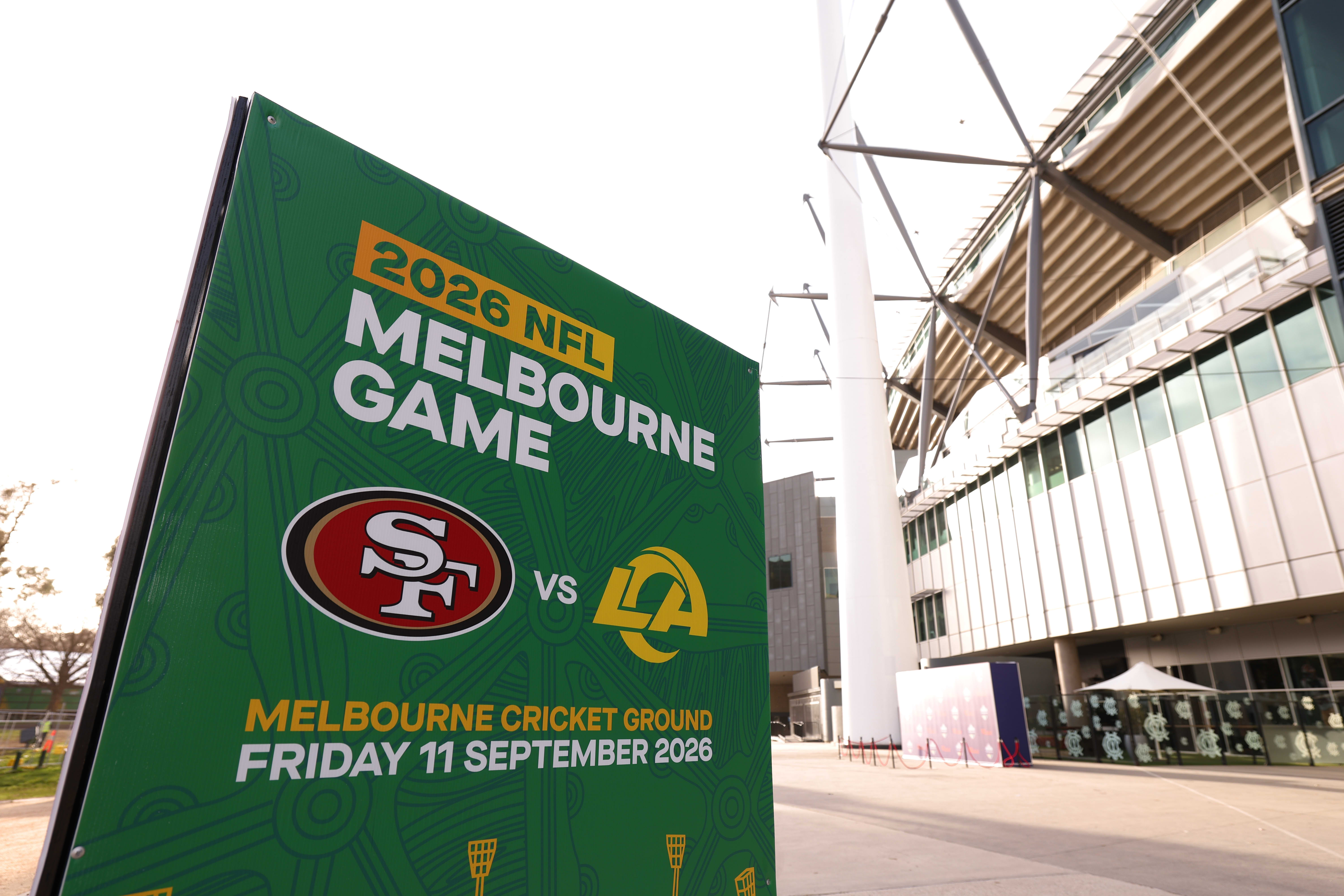
The NFL kicks off its first-ever regular-season game on Australian soil this week, with the San Francisco 49ers meeting the Los Angeles Rams in Melbourne. But the headline is not the fixture itself — it is the strategy behind it. Commissioner Roger Goodell, fresh off a contract extension that runs through March 2031, is openly framing international expansion as a decade-long project rather than a marketing stunt. For a league that dominates American television but still barely registers abroad, that distinction matters enormously.
Key Takeaways
- A historic first in Melbourne. The 49ers–Rams Week 1 matchup marks the NFL's first regular-season game staged in Australia, extending a slate that already includes Germany, France, Brazil and Mexico. It signals that the league's international calendar is no longer experimental but structural.
- Goodell is planning on a 15-year horizon. In an interview with CNBC, the commissioner said media, labor, stadium and international decisions all require a 5-, 10- or 15-year view, adding that failing to plan that far ahead would be "irresponsible." His new deal keeps him in the job until 2031, aligning his tenure with the league's next bargaining cycle.
- The international game count is set to climb. The NFL plans nine games outside the U.S. in 2026 and ten in 2027. Goodell has previously floated 16, but the current collective bargaining agreement caps international contests at 10 — a limit that expires in March 2031, the same month his contract ends.
- The audience gap remains stark. Last season's Week 1 international game between the Kansas City Chiefs and Los Angeles Chargers drew 18.5 million U.S. viewers on YouTube but only about 1.2 million abroad. That ratio is the clearest measure of how much room the league still has to grow.
- Netflix holds the Melbourne rights. The streaming giant has global broadcast rights to the 49ers–Rams game, part of a broader push to place more NFL content on free television and on partners that actively promote the sport in new markets.
- The Global Markets Program is the real engine. Each team owns marketing rights in at least one international market, and the league keeps refining the scheme to build fan bases in countries with no natural team allegiance. Goodell's guiding principle: don't just fly in, play and leave.
- A permanent overseas franchise is on the table. Goodell said he could eventually envision multiple NFL teams based in Europe, potentially forming a division so they play one another. He declined to set a timeline, calling it part of a wider business development plan.
- Player buy-in is the binding constraint. International travel disrupts routines that players rely on to stay healthy across a 17-game season. Goodell argues this generation of players is globally minded and eager to grow their personal brands, but any expansion beyond 10 games requires union agreement.
Deeper Analysis
The NFL's international push is often described as a marketing exercise, but the Melbourne game reveals something more strategic: the league is quietly converting a domestic monopoly into a portfolio of export markets before its home growth curve flattens. U.S. media rights have already been stretched across streaming platforms, a 17th regular-season game has been added, and stadium economics are maturing. When your domestic ceiling is visible, international becomes the only lever with genuine upside — and Goodell is pulling it early rather than late.
The numbers explain the urgency and the patience simultaneously. A 1.2 million overseas audience against 18.5 million at home looks trivial, yet it also means the league is starting from a very low base in markets where American football has no entrenched rival. Compare that with Europe, where the NFL competes against deeply rooted domestic soccer cultures, or Australia, where rugby league, Australian rules football and cricket already own the calendar. The NFL is not trying to win those markets outright; it is trying to carve out a durable niche, which is why the Global Markets Program — assigning teams marketing rights in specific countries — matters more than any single game.
The Netflix deal is the tell. Handing global rights to a streaming platform that markets aggressively across borders gives the NFL distribution without building local broadcast infrastructure. It mirrors how the league monetized its U.S. audience through streaming, and it positions the NFL to negotiate from strength when the current CBA and Goodell's contract both expire in March 2031. That convergence is not coincidental: the next round of labor talks will almost certainly determine whether the 10-game international cap survives, and with it whether a European division ever becomes realistic.
The biggest unresolved question is whether a week-long visit converts casual viewers into season-long fans. Goodell's own framing — that you don't want to be "at the circus," arriving to play and leaving — acknowledges the risk. Sustained fandom requires year-round touchpoints: sponsors, media partners, grassroots events and, eventually, a team locals can call their own. Until a franchise is permanently based abroad, every international game is effectively a very expensive audition.
Frequently Asked Questions
Why is the NFL playing a regular-season game in Australia now? The league has been steadily expanding its international slate across Germany, France, Brazil and Mexico, and Australia represents a new frontier with a strong sports culture and growing NFL viewership. Staging a real regular-season game, rather than an exhibition, gives the matchup competitive stakes that attract casual viewers.
Could the NFL eventually have a team based outside the United States? Goodell has said he expects it one day and can imagine multiple European-based teams, possibly forming their own division so they play each other regularly. He has deliberately avoided giving a timeline, framing any overseas franchise as the endpoint of a much longer business development process.
Source: https://www.cnbc.com/2026/09/10/nfl-commissioner-roger-goodell-international-future.html
Related posts

Xi Jinping, King Philippe Celebrate 55 Years of China-Belgium Relations
President Xi Jinping and King Philippe exchanged congratulatory messages, highlighting 55 years of strategic partnership and mutual respect.

China's Middle East Envoy Holds Key Talks with Saudi Diplomatic Advisor
China's special envoy for Middle East affairs meets with Saudi diplomatic advisor to discuss bilateral relations and regional stability amid ongoing geopolitical tensions.
Israel Election 2026: Netanyahu Faces Historic Protests and Tight Polls
Israel's upcoming parliamentary election is a referendum on PM Netanyahu. Massive protests and tight polls signal a historic shift in Israeli politics.

US Travel Alert: Middle East Security Risks Rise Amid Iran and Houthi Threats
US State Department updates travel warnings for 13 Middle East nations. Learn about new security risks involving Houthi attacks and Iranian threats.

AI Safety Risks: Global Experts Share Solutions at 2026 Governance Forum
International experts gathered at the 2026 Global Governance Forum in Xiong'an to address critical AI safety challenges and propose collaborative solutions.

UN Reform: China's 55-Year Commitment to Multilateralism
Explore China's deepening role at the UN, from peacekeeping to global development initiatives, and how it shapes the future of international cooperation.

Why Airlines Are Scrapping Brand-New Aircraft Amid Engine Shortage Crisis
Airlines are dismantling planes years ahead of schedule due to unprecedented engine shortages, creating a booming market for aircraft parts while raising concerns about sustainability and operational costs.
Comcast Exceeds Q3 Earnings Expectations as Media Strength Outweighs Connectivity Challenges
Comcast beats Wall Street expectations with strong media performance, while Peacock streaming service turns profitable for second time. The company faces challenges in connectivity but sees growth opportunities in mobile.
Latest Articles
- David's Bridal Spins Off AI Platform Pearl for Public Listing
- Elon Musk's Billion-Dollar Bet: New Investment in Skydance Media
- NHK Documentary Exposes Secret 1978 Yasukuni Shrine Ritual
- Philippines Air Force Training Crash: 4 Pilots Killed in SF-260 Collision
- North Korea Holds Third Company Commanders Meeting Amid Military Reinforcement
- Gen Z Candidates Tackle Housing Crisis in Midterms 2026