Musk Threatens Defamation Suit Over Gibney's 'Space Lasers' Film
Elon Musk's lawyer demands changes to Alex Gibney's documentary 'Musk' over a Starlink 'space lasers' exchange, raising the bar of actual malice.
Source: NPR
Elon Musk is once again testing the line between public figure and litigant. Days before Alex Gibney's nearly four-hour documentary Musk reaches audiences, a lawyer for the billionaire sent a pre-release defamation threat to the filmmaker's production company. The flashpoint is a set of text messages about "lasers" in space — and whether a documentary can be sued for asking a question rather than asserting a fact.
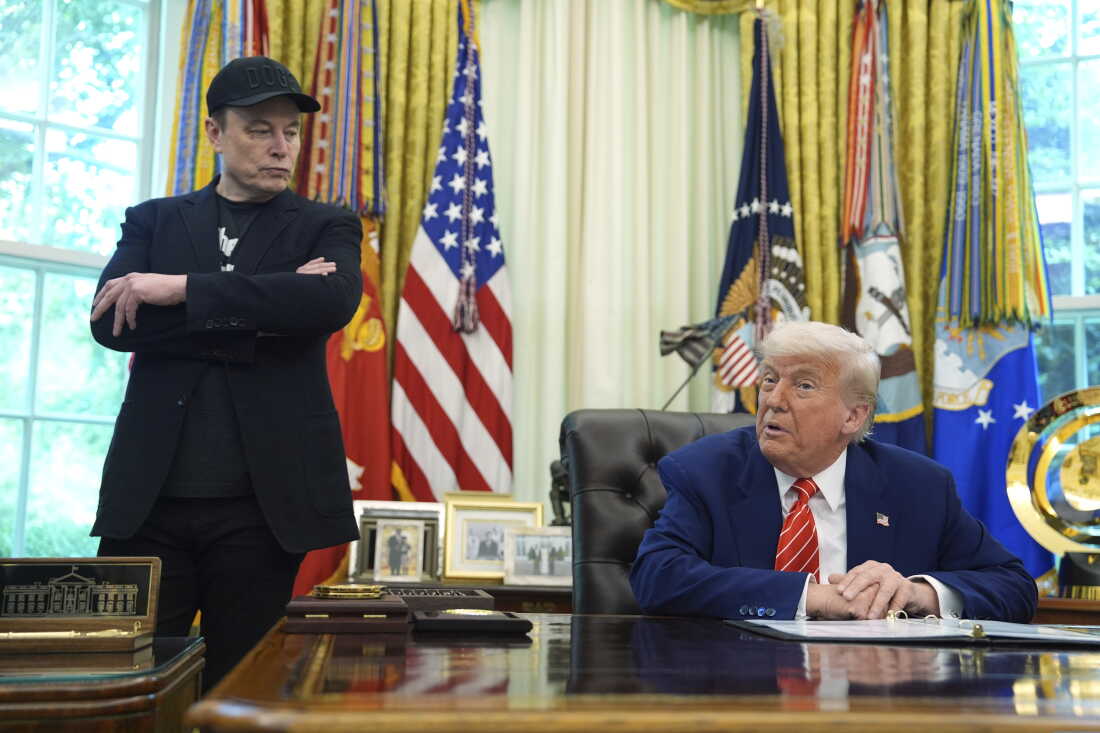
Key Facts
- The threat arrived before release. Attorney Alex Spiro sent a letter to Jigsaw Productions, the company behind the film, warning of a defamation suit ahead of the documentary's October debut. The letter focuses on a single on-camera exchange rather than the film's broader thesis about Musk's career.
- The disputed texts date to October 2024. Ashley St. Clair, a former MAGA influencer who dated Musk and had a child with him, described messages in which Musk said he was "feeling more optimistic" about Donald Trump's chances and that "tomorrow we unleash the anomaly in the matrix." When she asked what he meant, Musk replied that he planned to use "'Lasers' from space," adding that he had "over 10 thousand lasers in space right now."
- Gibney framed it as a question, not a claim. In the film, Gibney asks St. Clair whether she thought Musk was referring to satellites owned by SpaceX. She answers, "I don't know where else he has lasers." That exchange, Spiro argues, insinuates a debunked conspiracy theory that Starlink satellites helped rig the 2024 vote.
- Spiro's letter leans on technical context. He notes that Starlink satellites communicate through laser inter-satellite links, which is what "lasers in space" actually describes. He also points out that election officials, independent cybersecurity researchers, and fact-checkers publicly rejected the Starlink vote-rigging claim in November 2024, and that nothing since has revived it.
- St. Clair dismissed the legal threat. In a statement to NPR, she called the warnings "a joke" and said Musk's team is "more likely to colonize Mars than win a defamation case against Alex Gibney."
- Musk declined to participate. Gibney has said Musk refused an interview, so the film uses an AI-generated deepfake of Musk speaking directly to camera, assembled from his own public remarks. Spiro said the production "refused" to hear from Musk's team; neither he nor Musk has seen the finished film.
- The film is wide-ranging. It draws on interviews with Musk's first wife, Justine Musk, his father, Errol Musk, a Tesla co-founder, and numerous former business partners, journalists, and critics. It traces his childhood in South Africa, his dot-com-era fortune, the Twitter acquisition, and his time in the White House.
- The legal bar is high. To win a defamation case, Musk's lawyers would have to prove "actual malice" — that Gibney knew an assertion was false and included it anyway. That is a demanding standard for a public figure, especially when the disputed material is a question posed to a source.

Analysis
The timing of the letter matters as much as its content. A pre-release legal threat can chill distribution, spook streamers, and generate headlines that frame a documentary as contested before anyone has seen it. Musk has used that playbook before, attacking the film on X as a "hit piece" and accusing the Oscar-winning director of "fabricating a false film." But a threat is not a ruling, and the gap between the two is where this story actually lives.
On the merits, Musk's position looks difficult. Defamation law in the United States gives broad latitude to commentary about public figures, and it protects questions and framing as much as statements of fact. Gibney did not assert that Starlink stole votes; he asked a source whether she believed that was what Musk meant. Spiro's own letter concedes the underlying conspiracy theory was thoroughly debunked — which cuts against the idea that the film planted a false factual claim in viewers' minds. If anything, the exchange invites the audience to weigh an implausible interpretation, not to accept it.
The deeper context is Musk's evolving relationship with the press and with scrutiny itself. As his holdings have expanded across rockets, satellites, social media, and government advisory roles, so has his willingness to litigate coverage he dislikes. That posture carries strategic value even when cases are weak: it imposes costs, forces disclosures, and signals to other outlets that critical coverage comes with friction. For documentary filmmakers, the practical effect can be subtler — insurers, distributors, and legal reviewers may demand cuts that never reach a courtroom.
There is also a media-literacy dimension. The film's use of an AI deepfake to stand in for a subject who declined to be interviewed is a genuinely novel editorial choice, and it will likely be debated as much as the "space lasers" line. It raises questions about consent, authenticity, and whether synthetic reenactment clarifies or confuses. Those questions do not make the film defamatory, but they do make it a useful test case for how nonfiction storytelling adapts to subjects who refuse to participate.
Looking ahead, the most probable outcome is that no lawsuit is filed, or that one is filed and struggles at the actual-malice stage. Either way, the episode reinforces a pattern: public figures increasingly treat litigation threats as a communications tool, while courts continue to set a high bar for silencing criticism. Audiences, meanwhile, are left to do the work that the legal system deliberately leaves to them — deciding what a text message about lasers actually meant.
FAQ
Can Musk actually win a defamation suit over a documentary? It is very difficult. As a public figure, he must prove actual malice — that the filmmakers knew a claim was false and published it anyway. Asking a source a question, rather than asserting a fact, generally does not meet that standard.
Source: https://www.npr.org/2026/09/10/g-s1-142713/musk-trump-2024-lasers-space
Related posts
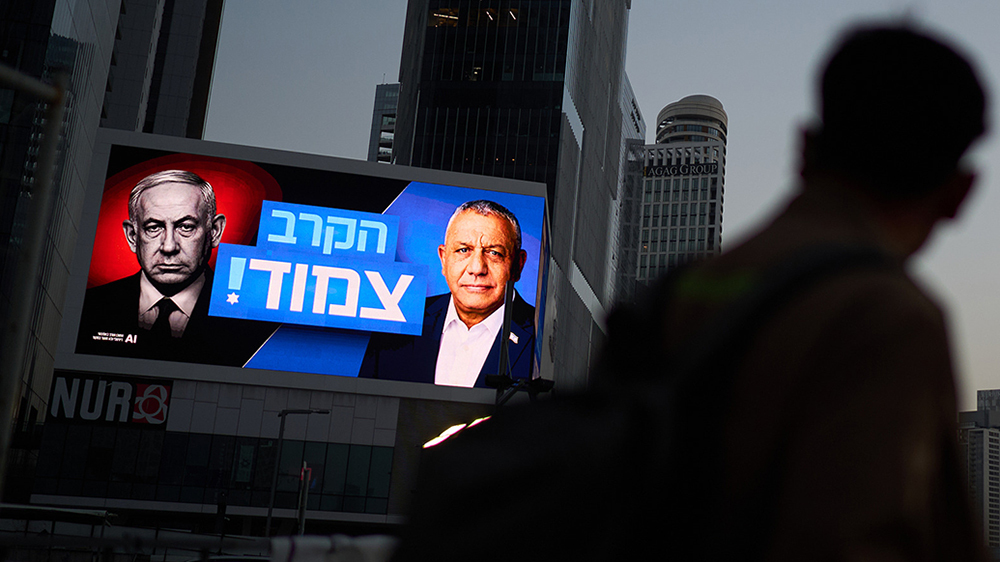
Israel Election 2026: Netanyahu Faces Historic Protests and Tight Polls
Israel's upcoming parliamentary election is a referendum on PM Netanyahu. Massive protests and tight polls signal a historic shift in Israeli politics.
US Travel Alert: Middle East Security Risks Rise Amid Iran and Houthi Threats
US State Department updates travel warnings for 13 Middle East nations. Learn about new security risks involving Houthi attacks and Iranian threats.

AI Safety Risks: Global Experts Share Solutions at 2026 Governance Forum
International experts gathered at the 2026 Global Governance Forum in Xiong'an to address critical AI safety challenges and propose collaborative solutions.

UN Reform: China's 55-Year Commitment to Multilateralism
Explore China's deepening role at the UN, from peacekeeping to global development initiatives, and how it shapes the future of international cooperation.

Why Airlines Are Scrapping Brand-New Aircraft Amid Engine Shortage Crisis
Airlines are dismantling planes years ahead of schedule due to unprecedented engine shortages, creating a booming market for aircraft parts while raising concerns about sustainability and operational costs.
Comcast Exceeds Q3 Earnings Expectations as Media Strength Outweighs Connectivity Challenges
Comcast beats Wall Street expectations with strong media performance, while Peacock streaming service turns profitable for second time. The company faces challenges in connectivity but sees growth opportunities in mobile.

David's Bridal Spins Off AI Platform Pearl for Public Listing
David's Bridal plans to spin off its AI platform Pearl into a publicly traded company, targeting a $350M valuation and a first-half 2027 IPO.
Elon Musk's Billion-Dollar Bet: New Investment in Skydance Media
Elon Musk invests $1 billion in Skydance, a major media merger involving Paramount and Warner Bros. Discovery. This strategic move aims to cut costs and secure the future of the combined entertainment giant.
Latest Articles
- NHK Documentary Exposes Secret 1978 Yasukuni Shrine Ritual
- Philippines Air Force Training Crash: 4 Pilots Killed in SF-260 Collision
- North Korea Holds Third Company Commanders Meeting Amid Military Reinforcement
- Gen Z Candidates Tackle Housing Crisis in Midterms 2026
- Tibetan Plateau Earthquake: Analysis of the 7.0 Magnitude Quake and Post-Disaster Response
- Meta's New Link Policy: Why Social Media Sites Want You to Stay