Panama Lawmakers' Taiwan Group Draws China's Ire: One-China Principle at Stake
China's embassy in Panama condemns lawmakers' cross-party group with Taiwan, reaffirming the One-China principle and warning against interference in bilateral relations.
Source: thepaper.cn
On September 8, 2026, a group of Panamanian lawmakers defied their own government's foreign policy by establishing a so-called "Panama-Taiwan Legislative Cross-Party Exchange Group." This move, which aligns with Taiwan's push for international engagement, has drawn sharp criticism from China's embassy in Panama. The incident underscores the ongoing tensions between Beijing and Taipei over diplomatic recognition, and it highlights the delicate balance Panama must strike between its economic ties with China and its historical relationship with Taiwan.
Key Points
-
Violation of the One-China Principle: The Chinese embassy stated that the lawmakers' action blatantly violates the One-China principle, which is the political foundation of Sino-Panamanian relations. China views Taiwan as an inalienable part of its territory, and any official interaction between foreign parliaments and Taiwan is seen as interference in China's internal affairs.
-
Panama's Official Stance: Since establishing diplomatic relations with China in 2017, Panama's successive governments have adhered to the One-China principle. President José Raúl Mulino and Foreign Minister Javier Martínez-Acha have reiterated that Panama's foreign policy is determined by the central government, not by individual legislators.
-
Embassy's Strong Condemnation: China's embassy expressed "strong dissatisfaction and resolute opposition" to the lawmakers' initiative. It urged the involved legislators to correct their course, respect national foreign policy, and cease actions that could harm the bilateral relationship.
-
Warning to Third Parties: The embassy also issued a stern warning to any third-party countries or individuals who support "Taiwan independence" forces, stating that China's resolve to safeguard its sovereignty and territorial integrity is unwavering, and any attempts to undermine the One-China principle are doomed to fail.
-
Context of Taiwan's Diplomatic Push: This incident comes amid Taiwan's efforts to strengthen its parliamentary diplomacy, particularly with countries that have formal ties with China. Taiwan's Legislative Yuan has been active in forming "friendship groups" with parliaments worldwide, a strategy that often provokes Beijing's backlash.
-
Regional Implications: The move by Panamanian lawmakers could set a precedent for other nations in Latin America and the Caribbean, where several countries have shifted recognition from Taipei to Beijing in recent years. It may also complicate the region's diplomatic landscape, as China continues to expand its influence.
In-Depth Analysis
This episode is more than a parliamentary gesture; it reflects the enduring geopolitical contest between China and Taiwan over diplomatic recognition. Panama's decision to switch recognition to China in 2017 was a significant diplomatic victory for Beijing, and it has since become a key partner in China's Belt and Road Initiative, particularly in infrastructure projects around the Panama Canal. The lawmakers' initiative, however, reveals that not all domestic political actors are aligned with the executive branch's foreign policy. This internal friction could be exploited by Taiwan to maintain a foothold in the region, even as its formal diplomatic allies dwindle.
From a broader perspective, China's strong reaction serves as a warning to other nations that maintain unofficial ties with Taiwan. Beijing's insistence on the One-China principle is non-negotiable, and it has shown a willingness to take punitive measures, such as trade restrictions or diplomatic downgrades, against countries that allow such parliamentary exchanges. For Panama, this incident tests the resilience of its relationship with China, which has brought significant economic benefits but also political constraints.
Looking ahead, the situation may escalate if Panama's government fails to rein in its legislators. China could respond by delaying or canceling investment projects, which would have tangible economic consequences. Conversely, if the government acts decisively to reaffirm its One-China commitment, it may mitigate the damage. This incident also highlights the growing assertiveness of Taiwan's parliamentary diplomacy, which, while lacking formal recognition, continues to seek informal channels to assert its presence on the global stage.
Frequently Asked Questions
Why does China consider Taiwan's parliamentary exchanges with other countries as interference?
China regards Taiwan as a province, not a sovereign state. Therefore, any official interaction between foreign parliaments and Taiwan's legislative bodies is seen as endorsing the idea of "two Chinas" or "one China, one Taiwan," which violates the One-China principle and constitutes interference in China's internal affairs.
What could be the consequences for Panama if the situation escalates?
If China perceives Panama's actions as a violation of the One-China principle, it could impose economic measures, such as tariffs or delays in infrastructure projects. Politically, China might reduce high-level exchanges or suspend cooperation agreements, which would strain the bilateral relationship.
How does this affect Taiwan's diplomatic strategy?
Taiwan's parliamentary diplomacy is a key component of its strategy to maintain international visibility and counter China's diplomatic isolation. By forming groups like the one in Panama, Taiwan seeks to build networks that could potentially lead to more formal ties in the future, despite China's opposition.
Source: https://www.thepaper.cn/newsDetail_forward_34036525
Related posts
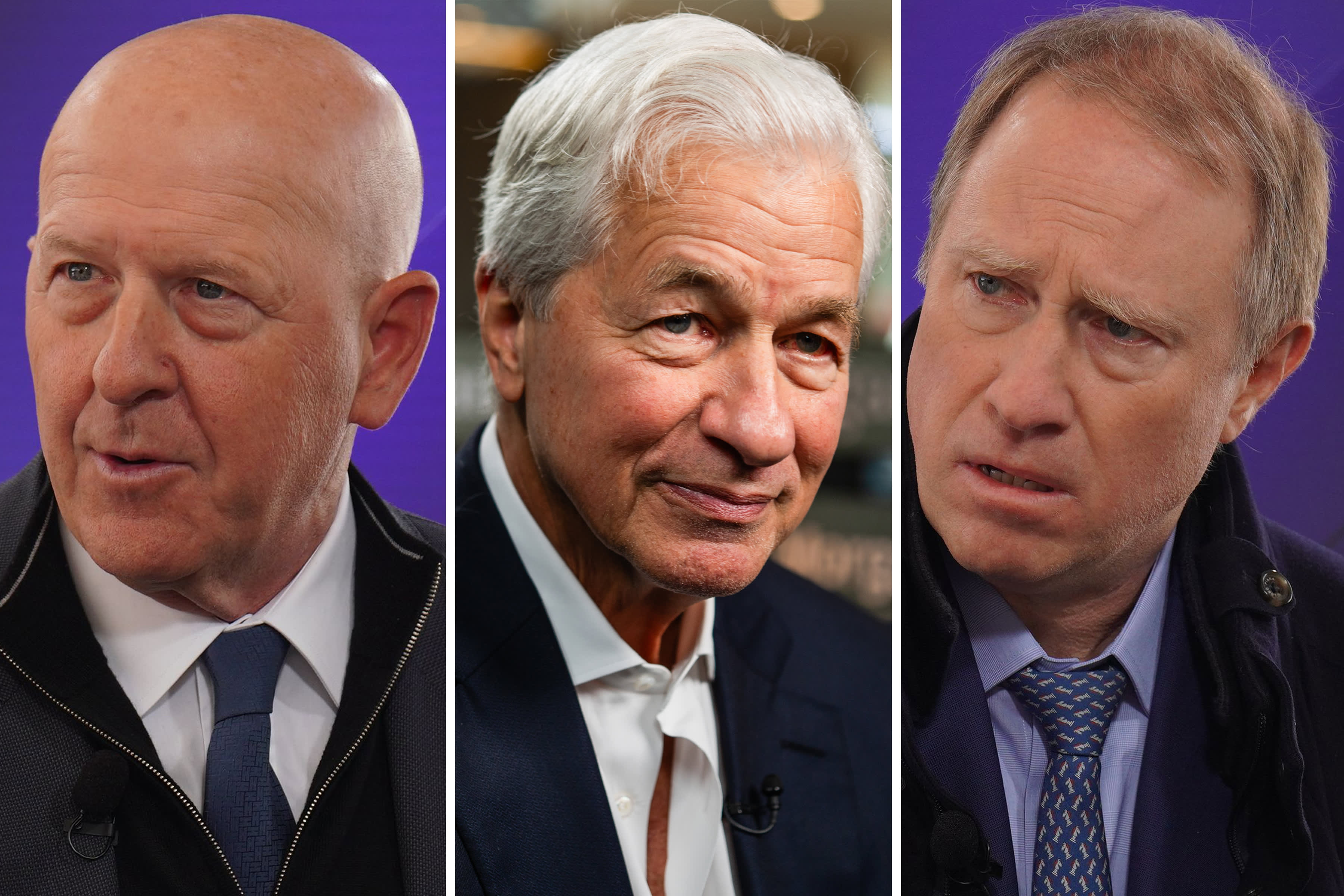
The AI Stock Boom: Goldman Sachs, JPMorgan, and Morgan Stanley's Dominance
Discover how Goldman Sachs, JPMorgan, and Morgan Stanley are leading the AI stock boom, leveraging relaxed capital rules and hedge fund lending. Explore the strategies and market trends shaping this lucrative industry.

The 30,000 km Journey of Beijing Swifts: Understanding Transnational Bird Conservation
Discover how Beijing swifts' epic migration across continents highlights the critical need for international cooperation in wildlife conservation efforts.

Japanese Telecom Giant Admits CEO's Actions Caused Massive Mongolia Grassland Fire
KDDI admits its subsidiary Mobicon's CEO triggered a 530,000-hectare fire in Mongolia's Numrug Nature Reserve during a 4G trial, sparking international outrage.
Shanghai Cooperation Organization: Strengthening Global Governance and Future Collaboration
Explore Premier Li Qiang's key address at the SCO Dushanbe Summit, focusing on multilateralism, economic cooperation, and the strategic vision for the next decade.

Nvidia CEO Jensen Huang: Europe Must Act Fast or Risk Falling Behind in AI Race
Nvidia CEO Jensen Huang urges Europe to accelerate AI adoption, criticizing Germany's hesitation and questioning the UK's excessive caution in the global tech race.
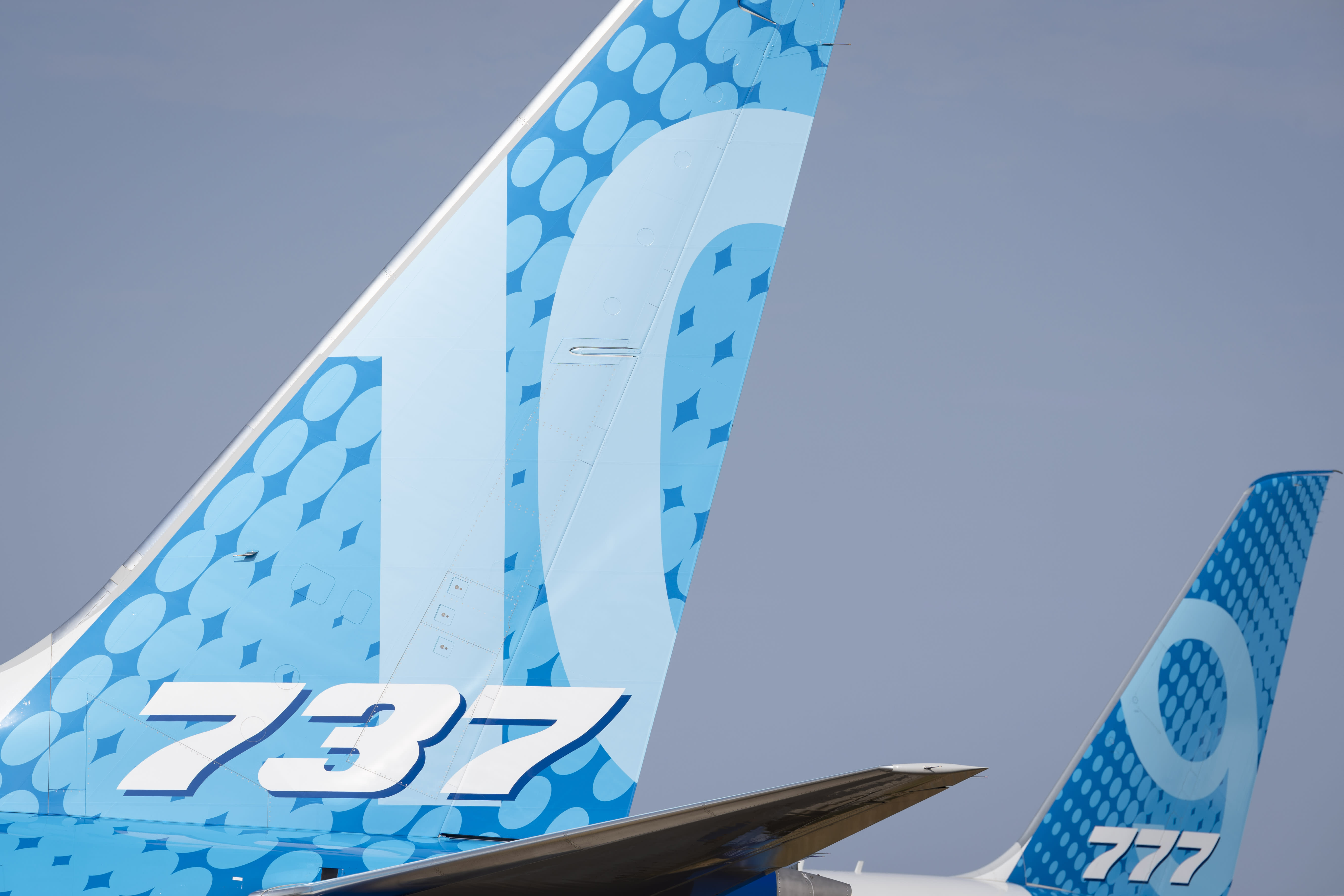
Boeing 737 Max 10 FAA Approval: A Major Win After Years of Delays
Boeing secures FAA certification for the 737 Max 10 after significant delays, facing new competition from China and Europe. Discover the implications for airlines and the future of aviation.

General Motors Beats Q3 2026 Earnings Estimates, Announces $20B Buyback
GM beats Wall Street expectations with Q3 2026 earnings, raises free cash flow guidance, and announces a massive $20 billion stock buyback amid inflationary headwinds.

Netflix Q3 2026 Earnings: Ad Tier Growth vs. Stock Slump Analysis
How Netflix's ad-supported tier and cost cuts impact earnings amid slowing subscriber growth and intense competition.
Latest Articles
- Japanese Politicians' Yasukuni Shrine Visits Spark International Concern
- Patriot Missile Holdback: Ukraine Faces Its Darkest Hour Since War Began
- Korea's Shrinking Military Pool: The Debate Over Gender-Equal Conscription
- JPMorgan Chase's $5 Billion Defense Strategy: Robot Factories & Hypersonic Missiles
- Netflix cuts 1,000 jobs as streaming growth slows and competition intensifies
- Shanghai's Cultural Renaissance: Festival, Theater, and Consortium Illuminate the City's Artistic Future