China Rejects 'Ladder-Pulling' Claims, Pledges to Build Ladders for Global South
China's foreign ministry dismisses accusations of hindering Global South development, highlighting Belt and Road, tariff-free access, and tech sharing as evidence of its commitment to mutual growth.
Source: thepaper.cn
In an era of heightened geopolitical competition, the narrative surrounding China's role in the Global South has become increasingly contentious. Recent allegations suggest that China has been 'pulling up the ladder' for other developing nations to secure its own economic dominance. However, during a routine press briefing on September 9, 2026, Chinese Foreign Ministry spokesperson Mao Ning firmly rejected these claims, articulating a vision of China as a builder of ladders rather than a remover of them. This statement comes at a critical juncture when the Global South is seeking more equitable partnerships and sustainable development pathways.
Key Points
-
Direct Refutation of 'Ladder-Pulling' Claims: Mao Ning explicitly stated that China has never and will never pull away the development ladders of other countries. Instead, China is committed to constructing such ladders through cooperative initiatives.
-
Belt and Road Initiative (BRI) as Infrastructure Backbone: Through the high-quality development of the BRI, China has helped partner countries address infrastructure deficits. This includes building roads, ports, and energy facilities that are essential for economic growth, thereby laying the groundwork for long-term development.
-
Cost-Effective Industrial and Tech Products: China provides industrial equipment and technological products at high cost-performance ratios. This approach helps developing nations lower the costs associated with industrialization and technological adoption, making development more accessible.
-
Knowledge and Experience Sharing: Beyond hardware, China shares its experiences and technical expertise with Southern countries. This soft power component aims to build local capacities, enabling these nations to chart their own development paths.
-
Market Access Through Zero-Tariff Policies: China has implemented zero-tariff treatment for products from many least-developed countries. This policy is designed to share market opportunities and integrate these nations into global supply chains, enhancing their economic resilience.
-
Mutual Benefit as Core Principle: Mao emphasized that 'helping others to succeed while achieving one's own goals' is the foundational value of China's foreign cooperation. The so-called 'ladder-pulling' narrative finds no traction among Global South countries, who view China as a reliable partner.
-
Commitment to Global South Revitalization: China's development is intrinsically linked to the prosperity of the Global South. By fostering win-win cooperation, China aims to contribute to the collective rise of developing nations, countering narratives of exploitation.
In-Depth Analysis
The 'ladder-pulling' accusation is not merely a rhetorical attack but reflects a deeper anxiety among Western powers about China's growing influence in the developing world. The metaphor itself is borrowed from historical critiques of developed nations that industrialized by exploiting colonies and then prevented others from following the same path. By applying this to China, critics attempt to frame Beijing as a neo-colonial power. However, China's counter-narrative is rooted in its own history as a developing nation and its 'South-South cooperation' framework. The BRI, for instance, has financed over 3,000 projects globally, from railways in Kenya to ports in Pakistan, which are tangible assets that contradict the 'ladder-pulling' theory. Moreover, China's zero-tariff scheme, which benefits 43 least-developed countries, represents a concrete market-opening gesture that many developed economies have not matched. Economically, China's investments in the Global South are often tied to resource access, but they also create jobs and infrastructure that these countries desperately need. The challenge lies in ensuring that these projects are debt-sustainable and environmentally responsible. Looking ahead, as the Global South gains more geopolitical weight, the battle for narrative supremacy will intensify. China is likely to double down on its 'ladder-building' rhetoric, backed by concrete initiatives like the Global Development Initiative, to solidify its role as a champion of developing nations. For the international community, the key takeaway is that the China-Global South relationship is multifaceted, and simplistic accusations do not capture the complexities of modern development finance and cooperation.
Frequently Asked Questions
What exactly is the 'ladder-pulling' theory? The theory suggests that China, having climbed the ladder of economic development, is now preventing other developing countries from doing the same by engaging in practices that undermine their growth, such as imposing unfair debt terms or dumping cheap goods. China rejects this, arguing that its policies are designed to help, not hinder.
How does China's zero-tariff policy benefit the Global South? China grants zero-tariff treatment to a significant portion of imports from least-developed countries, allowing them to export goods to China more competitively. This opens a vast market, helping these nations earn revenue, diversify their economies, and integrate into global value chains.
What evidence supports China's claim of 'building ladders'? Evidence includes the construction of infrastructure under the BRI, such as the Addis Ababa-Djibouti Railway in Africa, which has reduced transport costs for landlocked Ethiopia. Additionally, China's sharing of agricultural technology has improved crop yields in countries like Pakistan, demonstrating a commitment to capability-building.
Source: https://www.thepaper.cn/newsDetail_forward_34037417
Related posts
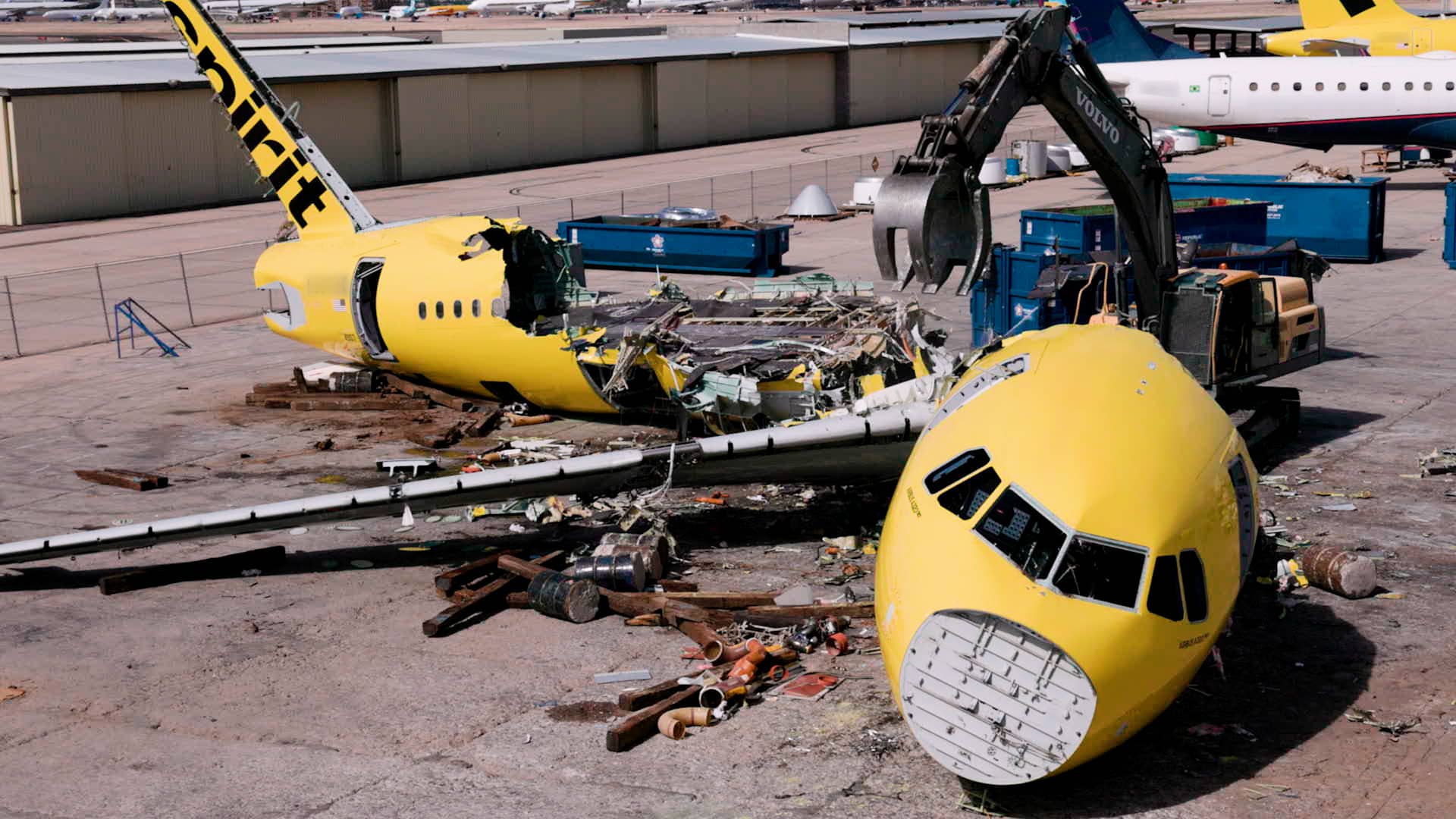
Why Airlines Are Scrapping Brand-New Aircraft Amid Engine Shortage Crisis
Airlines are dismantling planes years ahead of schedule due to unprecedented engine shortages, creating a booming market for aircraft parts while raising concerns about sustainability and operational costs.

NHK Documentary Exposes Secret 1978 Yasukuni Shrine Ritual
Newly released archival footage reveals the 1978 secret ritual that enshrined Class-A war criminals, exposing Japan's persistent historical revisionism.
Philippines Air Force Training Crash: 4 Pilots Killed in SF-260 Collision
A tragic air collision during a routine training mission in the Philippines has resulted in the deaths of four Air Force pilots. The incident highlights critical safety concerns within the country's military aviation infrastructure.

North Korea Holds Third Company Commanders Meeting Amid Military Reinforcement
Analysis of North Korea's recent military leadership gathering focused on strengthening company-level units and enhancing combat readiness.

Gen Z Candidates Tackle Housing Crisis in Midterms 2026
Young lawmakers from both parties are campaigning on solving the record-high cost of living. Explore how Gen Z is reshaping the housing debate.
Tibetan Plateau Earthquake: Analysis of the 7.0 Magnitude Quake and Post-Disaster Response
Expert analysis of the 7.0 magnitude earthquake in Baingoin, Tibet, examining its geological significance and the unique challenges of disaster response at high altitudes.

Meta's New Link Policy: Why Social Media Sites Want You to Stay
Meta is introducing paid plans to limit free hyperlink posting, a strategic move driven by the business model of keeping users engaged on platforms.
Darden vs. Chipotle: How Portfolio Diversification Impacts Restaurant Stock Performance in 2026
Why owning multiple brands like Darden and Brinker International outperformed single-chain giants like Chipotle and McDonald's in 2026. Analyzing the power of portfolio diversification.
Latest Articles
- High Fares And Fewer Passengers: Why Airlines Are Profitable Despite Lower Demand
- American Express Cuts 5% of Workforce to Accelerate AI Transformation
- Israel Imposes Total West Bank Blockade After Hebron Attack
- Russia Starts Diesel Exports to US: Geopolitical Shifts Ahead
- Peru Allocates $1.8 Billion to Combat El Niño and Economic Headwinds
- Trump Demands SpaceX Lift Starlink Restrictions for Ukraine Amid Geopolitical Tensions