Albania's 'Flamingo Revolution' Enters 100th Day: Kushner Resort Project Sparks Unrest
Protests against Jared Kushner's luxury resort in Albania continue past 100 days. Explore the environmental, legal, and political tensions behind the 'Flamingo Revolution.'
Source: thepaper.cn
As Albania's parliament reconvened after summer recess, lawmakers were met not with routine business but with flying eggs, tomatoes, and chants of 'Arrest Rama!' The scene on September 9 marked a new peak in a protest movement that has now exceeded 100 days—dubbed the 'Flamingo Revolution' for its defense of the birds' habitat against a luxury resort project backed by Jared Kushner, son-in-law of former U.S. President Donald Trump. The conflict has become a flashpoint for broader questions about environmental protection, foreign investment, and democratic accountability in the Balkans.
Key Points
-
Violent Clashes at Parliament: On September 9, Albanian police clashed with demonstrators outside the parliament building in Tirana. Protesters threw plastic bottles, eggs, and tomatoes at lawmakers and police, while shouting slogans like 'Albania is not for sale.' Lawmakers were eventually escorted inside under police guard.
-
The 'Flamingo Revolution' Origin: The protests began in late May after authorities installed barbed wire fences around Zvernec Beach, opposite Sazan Island, to block public access. The area is a protected wetland and critical habitat for flamingos, turtles, and monk seals—species that could be threatened by Kushner's planned resort.
-
Kushner's Investment Plan: In March 2024, Kushner announced a major investment in Sazan Island, a narrow peninsula between the sea and a lagoon. His company, SAZAN Coast, plans to build a luxury resort with artificial islands, which environmentalists say would cause 'irreparable damage' to bird breeding grounds.
-
Government's Legal Maneuvering: To fast-track the project, Prime Minister Edi Rama's government amended protected-area laws in 2024 to facilitate 'high-end' developments. This move also led to the non-renewal of fishing licenses for local fishermen, who now face fines up to €10,000 for fishing in traditional waters.
-
Violence and Suppression: The protests have been met with heavy police presence, and there are reports of violence against activists. Additionally, dozens of Instagram accounts belonging to activists, journalists, and an opposition leader were suspended or restricted, with Meta later citing 'mistaken deletion' for some, though many users still face limitations.
-
Corruption Allegations: Investigative reports have raised questions about the land deal itself. Albanian anti-corruption authorities have looked into the seller, Miami businessman Shehu, who may have falsified property titles to conceal drug money. Villagers have filed decade-long legal challenges claiming rightful ownership based on their own deeds and tax records.
International Attention: The project has drawn criticism from over 40 European environmental organizations, which have called for a halt. The protests have also become a symbol of resistance against what many see as undue influence by the Trump family in Albanian affairs.
In-Depth Analysis
The 'Flamingo Revolution' is more than a local environmental dispute; it encapsulates the tension between developing nations' desire for foreign capital and the need to preserve natural and social assets. Prime Minister Rama has framed Kushner's investment as a 'transformative opportunity' for Albania's economy, which cannot rely solely on domestic capital. However, the manner in which the project has been pushed through—by altering protected-area laws and suppressing dissent—raises serious questions about governance and the rule of law.
The protests also highlight a growing global trend: communities are increasingly willing to challenge powerful political and economic interests, even those connected to former U.S. presidents. The use of social media platforms to organize and amplify voices has been met with algorithmic suppression, sparking debates about digital rights and free speech. Meta's response—claiming some accounts were 'mistakenly' deleted—does little to quell concerns about corporate power aligning with political interests.
Looking ahead, the situation is unlikely to resolve quickly. The Albanian government appears committed to the project, and Kushner's company shows no signs of backing down. However, the sustained public outrage, combined with legal challenges and international scrutiny, could force a renegotiation or even cancellation. The outcome will set a precedent for how Balkan states balance foreign investment with environmental stewardship and democratic accountability. As the 'Flamingo Revolution' continues, it serves as a reminder that even small nations can become arenas for larger geopolitical and ethical battles.
FAQ
Why is the project called 'Flamingo Revolution'?
The name comes from the iconic flamingos that inhabit the wetlands near Sazan Island. Protesters chose this name to symbolize their fight to protect the environment and their country's natural heritage from what they see as a destructive development project.
What are the main concerns about the resort's environmental impact?
Environmentalists warn that the construction of artificial islands and luxury facilities will destroy the breeding grounds of protected birds, including flamingos, and harm other wildlife like turtles and monk seals. They argue the project violates Albania's commitments to biodiversity conservation.
Is there any legal basis for the villagers' land claims?
Yes, villagers have presented land deeds and tax records that suggest they are the rightful owners of the land sold to Kushner's company. Their legal challenges have been ongoing for a decade, indicating a complex history of property rights that the government has seemingly ignored in its rush to attract investment.
Source: https://www.thepaper.cn/newsDetail_forward_34037253
Related posts

Comcast Exceeds Q3 Earnings Expectations as Media Strength Outweighs Connectivity Challenges
Comcast beats Wall Street expectations with strong media performance, while Peacock streaming service turns profitable for second time. The company faces challenges in connectivity but sees growth opportunities in mobile.
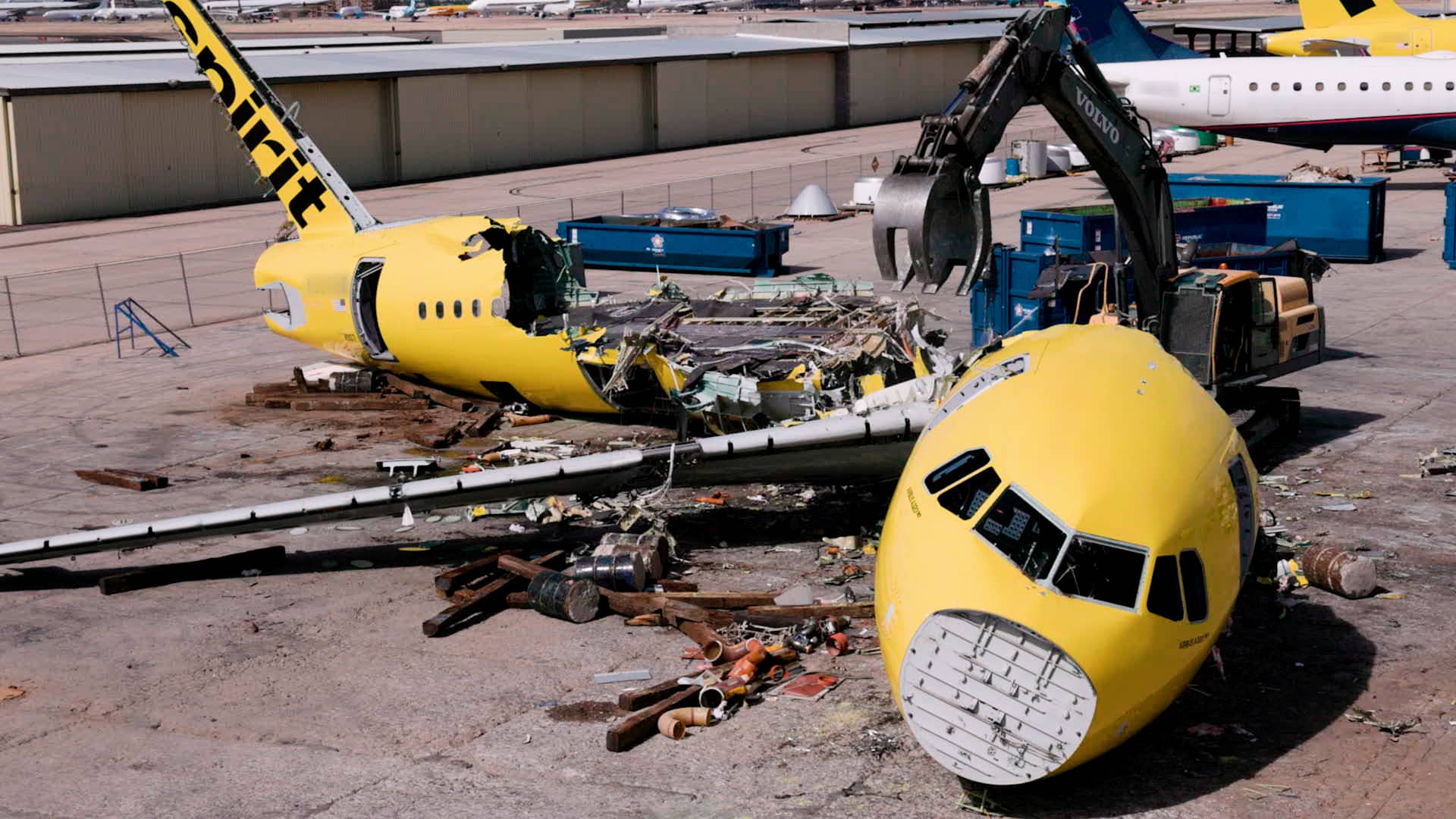
Why Airlines Are Scrapping Brand-New Aircraft Amid Engine Shortage Crisis
Airlines are dismantling planes years ahead of schedule due to unprecedented engine shortages, creating a booming market for aircraft parts while raising concerns about sustainability and operational costs.

NHK Documentary Exposes Secret 1978 Yasukuni Shrine Ritual
Newly released archival footage reveals the 1978 secret ritual that enshrined Class-A war criminals, exposing Japan's persistent historical revisionism.
Philippines Air Force Training Crash: 4 Pilots Killed in SF-260 Collision
A tragic air collision during a routine training mission in the Philippines has resulted in the deaths of four Air Force pilots. The incident highlights critical safety concerns within the country's military aviation infrastructure.
North Korea Holds Third Company Commanders Meeting Amid Military Reinforcement
Analysis of North Korea's recent military leadership gathering focused on strengthening company-level units and enhancing combat readiness.

Gen Z Candidates Tackle Housing Crisis in Midterms 2026
Young lawmakers from both parties are campaigning on solving the record-high cost of living. Explore how Gen Z is reshaping the housing debate.
Tibetan Plateau Earthquake: Analysis of the 7.0 Magnitude Quake and Post-Disaster Response
Expert analysis of the 7.0 magnitude earthquake in Baingoin, Tibet, examining its geological significance and the unique challenges of disaster response at high altitudes.
Meta's New Link Policy: Why Social Media Sites Want You to Stay
Meta is introducing paid plans to limit free hyperlink posting, a strategic move driven by the business model of keeping users engaged on platforms.
Latest Articles
- Darden vs. Chipotle: How Portfolio Diversification Impacts Restaurant Stock Performance in 2026
- High Fares And Fewer Passengers: Why Airlines Are Profitable Despite Lower Demand
- American Express Cuts 5% of Workforce to Accelerate AI Transformation
- Israel Imposes Total West Bank Blockade After Hebron Attack
- Russia Starts Diesel Exports to US: Geopolitical Shifts Ahead
- Peru Allocates $1.8 Billion to Combat El Niño and Economic Headwinds