China Sends Fourth Batch of Emergency Aid to Nepal via Y-20 Transport
China's fourth emergency aid shipment for Nepal arrives in Kathmandu, featuring flood relief equipment. Details on the aid contents, diplomatic context, and future implications.
Source: thepaper.cn
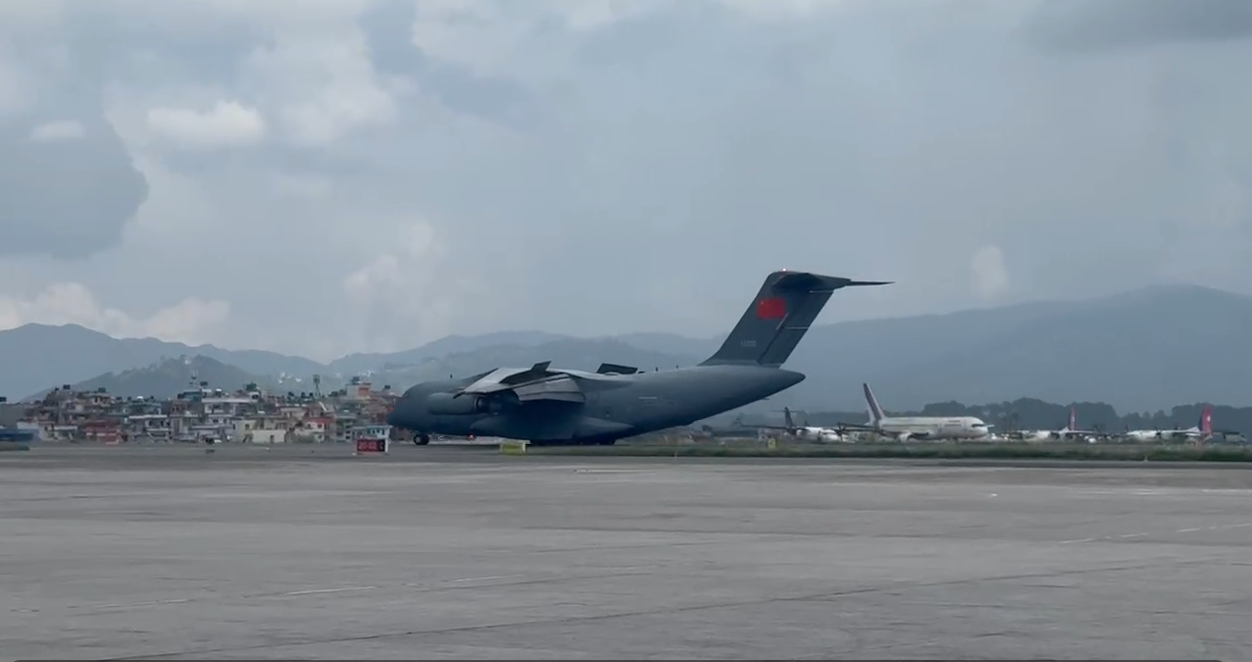
China has once again demonstrated its commitment to regional stability and humanitarian cooperation by delivering a fourth batch of emergency supplies to Nepal, which is grappling with severe flood-related disasters. The arrival of this aid, transported by a Chinese Air Force Y-20 large transport aircraft at Tribhuvan International Airport in Kathmandu on September 8, 2026, highlights the deepening bilateral ties and China's proactive role in disaster response across South Asia. As Nepal faces ongoing challenges from monsoon-induced flooding, this timely assistance underscores the practical dimensions of China's neighborhood diplomacy.
Key Details
- Fourth Batch Delivery: This marks the fourth consignment of emergency aid from China to Nepal, following earlier shipments that addressed immediate needs after the onset of the flood crisis.
- Transport via Y-20: The use of the Y-20, China's largest military transport aircraft, signifies the strategic importance of this mission and China's logistical capability to deliver heavy and bulky relief items over long distances.
- Aid Contents: The shipment includes inflatable rescue boats, stainless steel permanent-magnet flood pumps, backup batteries, mortuary refrigerators, and solar lamps. These items are specifically tailored to Nepal's most urgent requirements, focusing on rescue operations, temporary power supply, and post-disaster recovery.
- High-Level Attendance: Chinese Ambassador to Nepal, Zhang Maoming, and Nepal's Minister for Science, Technology and Innovation, Mahabir Pun, jointly attended the handover ceremony, reflecting the official and cooperative nature of the assistance.
- Context of Disaster: Nepal has been severely affected by monsoon floods and landslides, which have displaced thousands and caused significant infrastructure damage. The aid is intended to bolster local relief efforts and support long-term rehabilitation.
- Diplomatic Significance: This delivery is part of a series of aid packages that reinforce China-Nepal relations, which have grown stronger under China's Belt and Road Initiative and other bilateral agreements.
- Timely Response: The arrival of the aid comes at a critical juncture, as Nepal's disaster management agencies are stretched thin and international support is crucial for effective response and recovery.
- Previous Aid Batches: Earlier batches included food, tents, and medical supplies, showing a phased approach to addressing evolving needs on the ground.
Deeper Analysis
The delivery of this fourth aid batch is more than a humanitarian gesture; it is a strategic move that deepens China's influence in South Asia, a region traditionally seen as India's sphere of influence. By providing high-visibility assistance via military transport, China is showcasing its capacity for rapid, large-scale disaster response, which not only strengthens its image as a responsible global power but also builds goodwill among Nepali officials and citizens. The inclusion of advanced equipment like stainless steel permanent-magnet flood pumps and inflatable rescue boats indicates that China is not merely sending symbolic aid but is addressing practical, technical needs that align with Nepal's disaster management priorities. This approach fosters long-term dependency on Chinese technology and expertise, potentially opening doors for future contracts in infrastructure and disaster resilience projects. Moreover, the timing of this aid, amid global attention on climate-induced disasters, allows China to position itself as a leader in climate adaptation support for developing nations. Looking ahead, we can expect China to continue leveraging such humanitarian channels to strengthen diplomatic ties, counterbalance other regional powers, and promote its own technological standards in South Asia. For Nepal, this assistance provides immediate relief but also raises questions about the sustainability of relying on a single donor and the need for diversified international cooperation.
Frequently Asked Questions
What specific items were included in the fourth batch of aid?
The shipment comprised inflatable rescue boats, stainless steel permanent-magnet flood pumps, backup batteries, mortuary refrigerators, and solar lamps. These were selected based on Nepal's most urgent needs for rescue, temporary power, and post-disaster management.
Why is China using military transport aircraft for aid delivery?
The Y-20 transport aircraft offers high payload capacity and long-range capability, enabling the delivery of heavy and bulky equipment that might not be feasible with commercial carriers. It also symbolizes the strategic importance China places on its relationship with Nepal.
How does this aid impact China-Nepal relations?
This aid reinforces the bilateral partnership by demonstrating China's commitment to Nepal's welfare during crises. It also enhances trust and cooperation, potentially leading to stronger economic and infrastructure collaboration in the future.
Source: https://www.thepaper.cn/newsDetail_forward_34029605
Related posts

The AI Stock Boom: Goldman Sachs, JPMorgan, and Morgan Stanley's Dominance
Discover how Goldman Sachs, JPMorgan, and Morgan Stanley are leading the AI stock boom, leveraging relaxed capital rules and hedge fund lending. Explore the strategies and market trends shaping this lucrative industry.
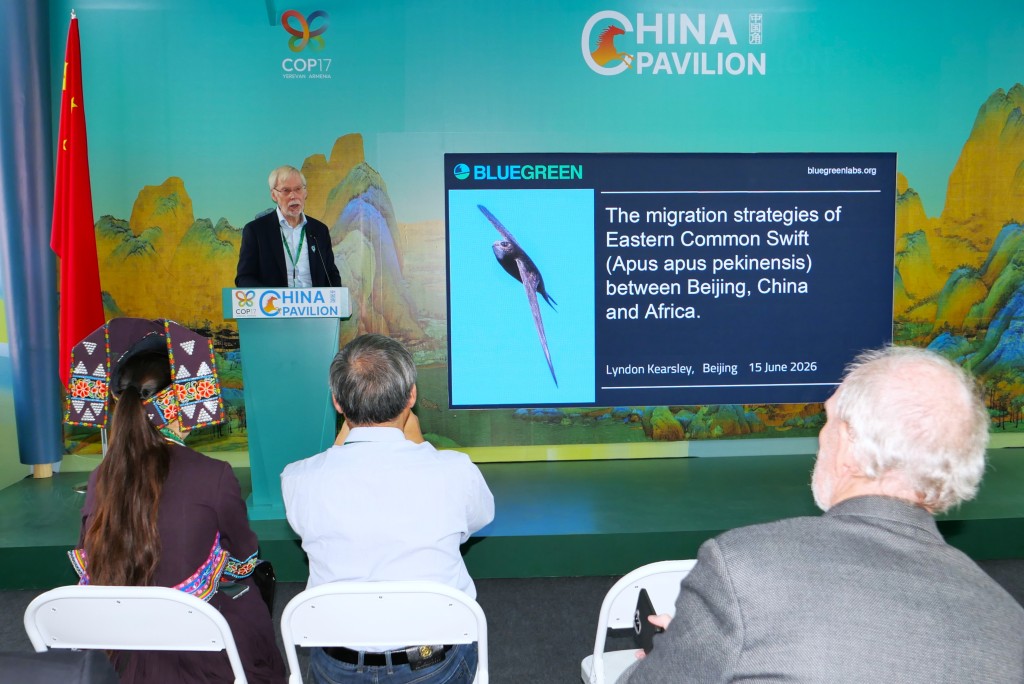
The 30,000 km Journey of Beijing Swifts: Understanding Transnational Bird Conservation
Discover how Beijing swifts' epic migration across continents highlights the critical need for international cooperation in wildlife conservation efforts.

Japanese Telecom Giant Admits CEO's Actions Caused Massive Mongolia Grassland Fire
KDDI admits its subsidiary Mobicon's CEO triggered a 530,000-hectare fire in Mongolia's Numrug Nature Reserve during a 4G trial, sparking international outrage.

Shanghai Cooperation Organization: Strengthening Global Governance and Future Collaboration
Explore Premier Li Qiang's key address at the SCO Dushanbe Summit, focusing on multilateralism, economic cooperation, and the strategic vision for the next decade.

Nvidia CEO Jensen Huang: Europe Must Act Fast or Risk Falling Behind in AI Race
Nvidia CEO Jensen Huang urges Europe to accelerate AI adoption, criticizing Germany's hesitation and questioning the UK's excessive caution in the global tech race.
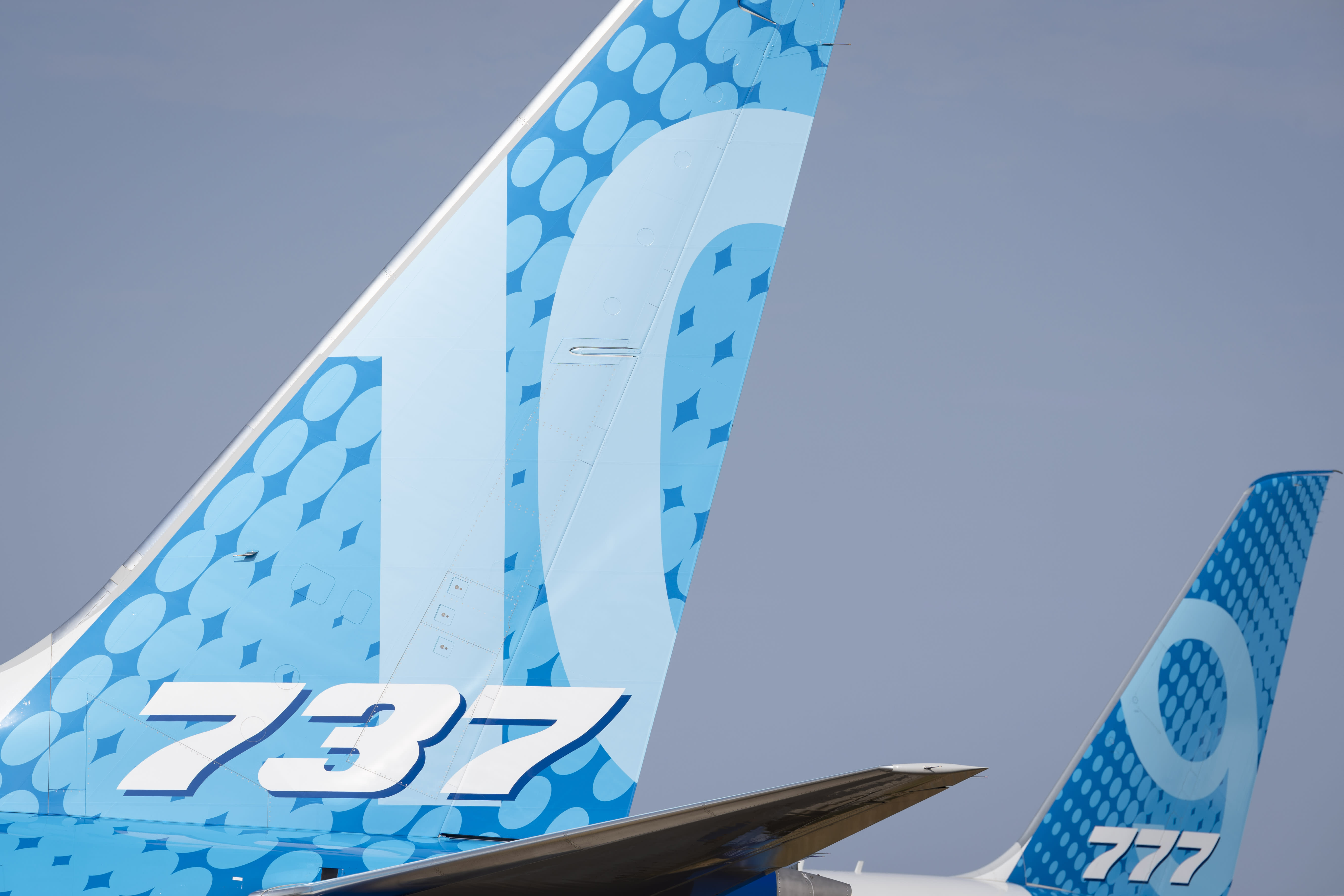
Boeing 737 Max 10 FAA Approval: A Major Win After Years of Delays
Boeing secures FAA certification for the 737 Max 10 after significant delays, facing new competition from China and Europe. Discover the implications for airlines and the future of aviation.

General Motors Beats Q3 2026 Earnings Estimates, Announces $20B Buyback
GM beats Wall Street expectations with Q3 2026 earnings, raises free cash flow guidance, and announces a massive $20 billion stock buyback amid inflationary headwinds.

Netflix Q3 2026 Earnings: Ad Tier Growth vs. Stock Slump Analysis
How Netflix's ad-supported tier and cost cuts impact earnings amid slowing subscriber growth and intense competition.
Latest Articles
- Japanese Politicians' Yasukuni Shrine Visits Spark International Concern
- Patriot Missile Holdback: Ukraine Faces Its Darkest Hour Since War Began
- Korea's Shrinking Military Pool: The Debate Over Gender-Equal Conscription
- JPMorgan Chase's $5 Billion Defense Strategy: Robot Factories & Hypersonic Missiles
- Netflix cuts 1,000 jobs as streaming growth slows and competition intensifies
- Shanghai's Cultural Renaissance: Festival, Theater, and Consortium Illuminate the City's Artistic Future