Ford's China Ties Draw Scrutiny: What It Means for US Auto Industry
The Trump administration has expressed 'profound concern' over Ford's partnerships with Chinese firms like CATL. Explore the implications for supply chains, national security, and the future of American manufacturing.
Source: CNBC
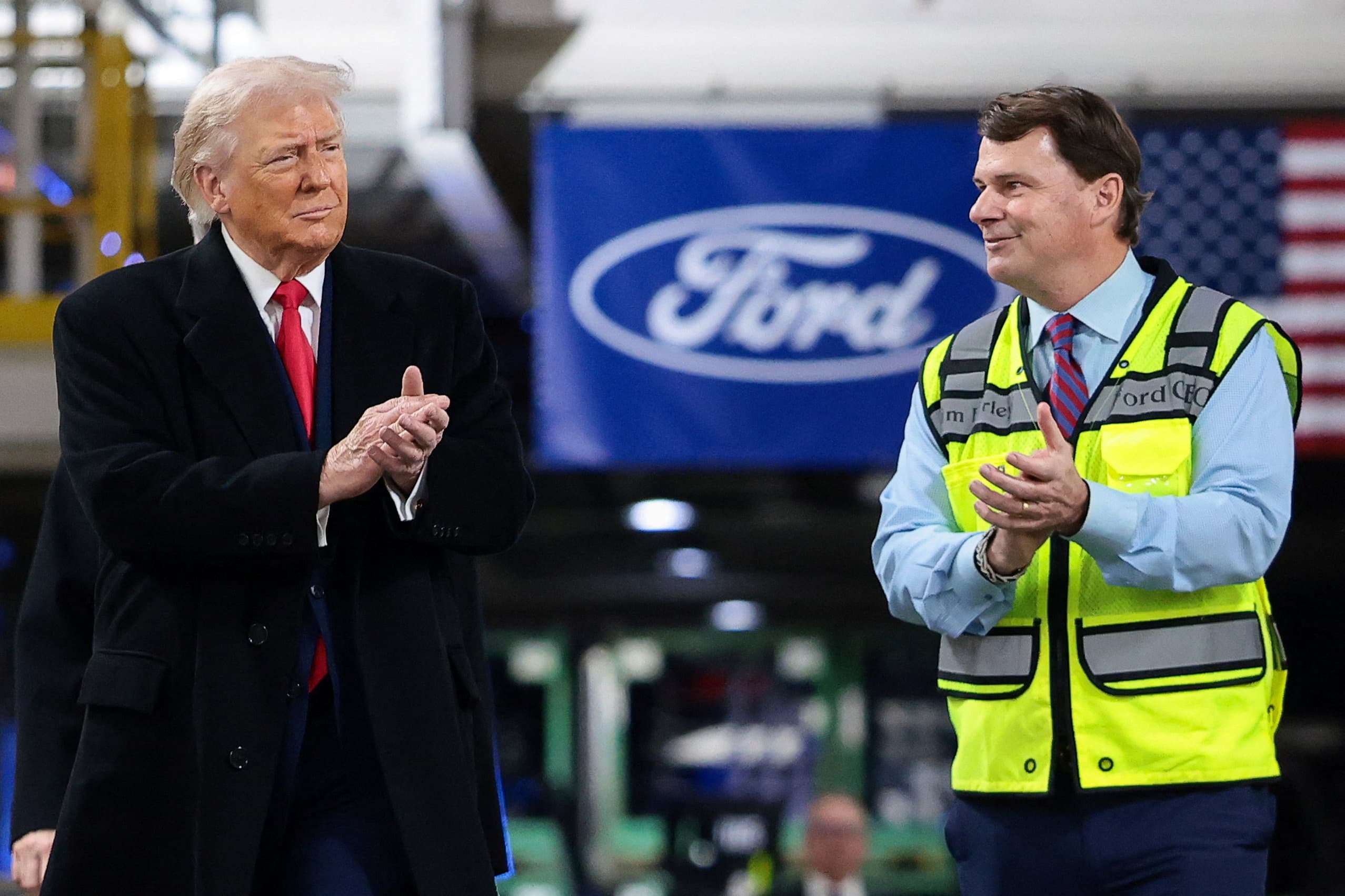
The Trump administration has turned its attention to Ford Motor Company, expressing 'profound concern' over the automaker's deepening ties with Chinese enterprises. In a letter to CEO Jim Farley, Transportation Secretary Sean Duffy questioned whether Ford's strategic partnerships—particularly with battery giant CATL—undermine American automotive integrity and national security. This move highlights the growing tension between global supply chain efficiency and geopolitical pressures, and it could reshape how U.S. automakers navigate their international alliances.
Key Points
-
Government Letter Raises Alarm: Transportation Secretary Sean Duffy sent a letter to Ford CEO Jim Farley, citing 'profound concern' about Ford's relationships with Chinese companies. The letter specifically mentions concerns about 'national automotive manufacturing integrity, supply chain exposure, and reliance on technologies of foreign adversaries.' This marks a significant escalation in government scrutiny of private sector decisions.
-
Ford's CATL Partnership Under Fire: Ford has a licensing agreement with Contemporary Amperex Technology Co. (CATL) to produce lithium iron phosphate (LFP) batteries. Originally announced in 2023, the deal has drawn renewed attention due to rising U.S.-China tensions and Ford's plans to use the technology for energy storage systems. The government questions whether such reliance on a Chinese state-backed enterprise is prudent.
-
Concerns Over Proposed Joint Ventures: Duffy referenced a framework proposed at an auto show in Detroit earlier this year that would 'facilitate Chinese joint ventures on United States soil.' This suggests that beyond battery technology, Ford may be exploring broader manufacturing collaborations with Chinese firms, which the administration views as a potential threat to domestic industry.
-
Ford's Position as a Top U.S. Producer: Ford frequently touts its status as the leading automaker in the U.S. by production volume. The government's letter implies that this position could be compromised if Ford becomes too intertwined with Chinese entities, potentially affecting jobs and technological independence.
-
CEO's Balancing Act: Jim Farley has publicly praised Chinese competitors for their innovation and has also supported the Trump administration's push to boost U.S. manufacturing. The letter urges Farley to 'reflect on these concerns and national necessities' and to adopt strategies that prioritize American workers and allied supply chains.
-
No Immediate Response from Ford: As of the report, Ford had not issued a public response to the letter. The company is likely assessing the political and legal implications before commenting, given the high stakes involved.
In-Depth Analysis
The government's letter to Ford is more than a routine inquiry; it signals a shift in how Washington views corporate globalization. For decades, U.S. automakers have sought cost advantages by partnering with suppliers in low-cost countries, including China. However, as geopolitical rivalry intensifies, such partnerships are increasingly seen as strategic liabilities. The administration's reference to 'foreign adversaries' is particularly telling, framing economic decisions in national security terms.
This move also reflects a broader policy trend: the push to reshore critical manufacturing and reduce dependence on Chinese technology. The automotive industry is at the forefront of this debate, especially with the transition to electric vehicles (EVs), where China has established a dominant position in battery production. By challenging Ford's CATL deal, the administration is sending a message that even established American brands cannot take a laissez-faire approach to Chinese partnerships.
For Ford, the situation is delicate. The company needs access to affordable battery technology to remain competitive in the EV market, and CATL is a global leader. However, political pressure may force Ford to seek alternative suppliers from allied nations or invest heavily in domestic battery production. This could increase costs and slow Ford's EV rollout, but it might also strengthen its image as a patriotic American brand.
Looking ahead, this letter could be a precursor to more formal actions, such as restrictions on technology transfers or tariffs on components sourced from Chinese partners. Other automakers, including General Motors and Stellantis, are likely watching closely, as they too have varying degrees of exposure to Chinese supply chains. The outcome of this standoff will set a precedent for how the U.S. government balances economic competitiveness with national security in the automotive sector.
FAQ
Why is the U.S. government concerned about Ford's ties to CATL? The concern stems from CATL's status as a Chinese company with potential links to the Chinese state. The government worries that relying on CATL's technology could expose the U.S. to supply chain vulnerabilities and allow foreign adversaries to gain leverage over a critical industry. The letter specifically mentions 'reliance on technologies of foreign adversaries,' indicating a national security angle.
Could Ford's partnership with CATL be terminated? It's possible, but not without significant consequences. Ford has already invested in licensing CATL's technology and may have contractual obligations. Terminating the agreement could lead to legal disputes and delays in Ford's EV and energy storage plans. However, if political pressure escalates, Ford might be compelled to renegotiate or find alternative partners, even at a higher cost.
What does this mean for consumers? In the short term, consumers may not see immediate changes. However, if Ford is forced to switch battery suppliers or localize production, the cost of EVs could rise, potentially making them less affordable. Additionally, this situation could affect the availability of certain models, as Ford may need to adjust its production timelines to comply with government expectations.
Source: https://www.cnbc.com/2026/09/08/ford-china-dot-sean-duffy.html
Related posts
Japan's High-profile Yasukuni Shrine Visit: A Challenge to Post-War Order
Prime Minister Sanae Takaichi and over 70 lawmakers attend the autumn festival, provoking international condemnation.
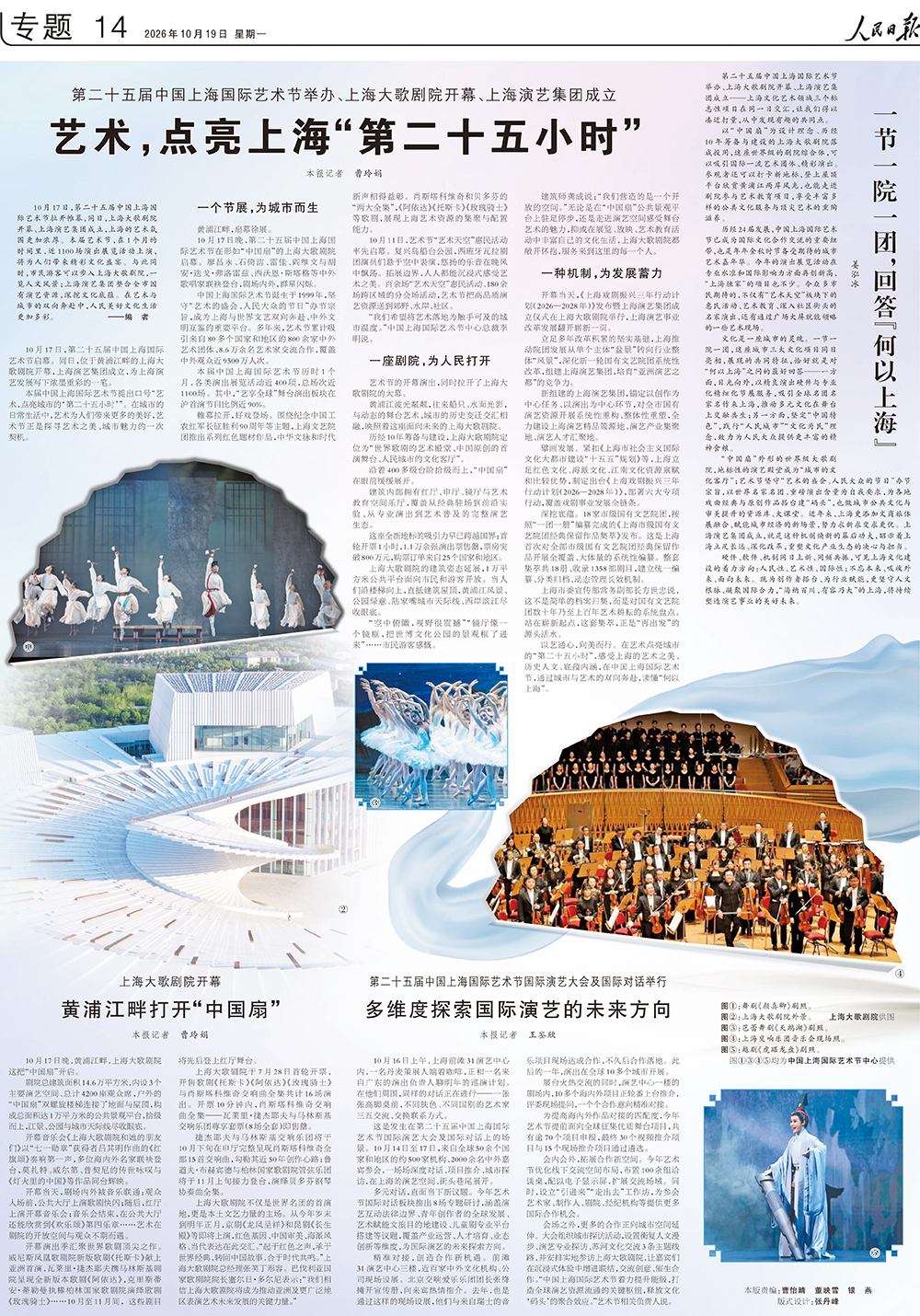
Shanghai's Cultural Renaissance: Festival, Theater, and Consortium Illuminate the City's Artistic Future
Exploring how Shanghai's 25th International Arts Festival, Grand Theater, and Performing Arts Consortium are transforming the city into a global cultural hub through innovative programming and accessible art experiences.
Netflix cuts 1,000 jobs as streaming growth slows and competition intensifies
Netflix lays off 6% of its workforce amid stagnating viewership and the rise of competitors like Skydance and YouTube.
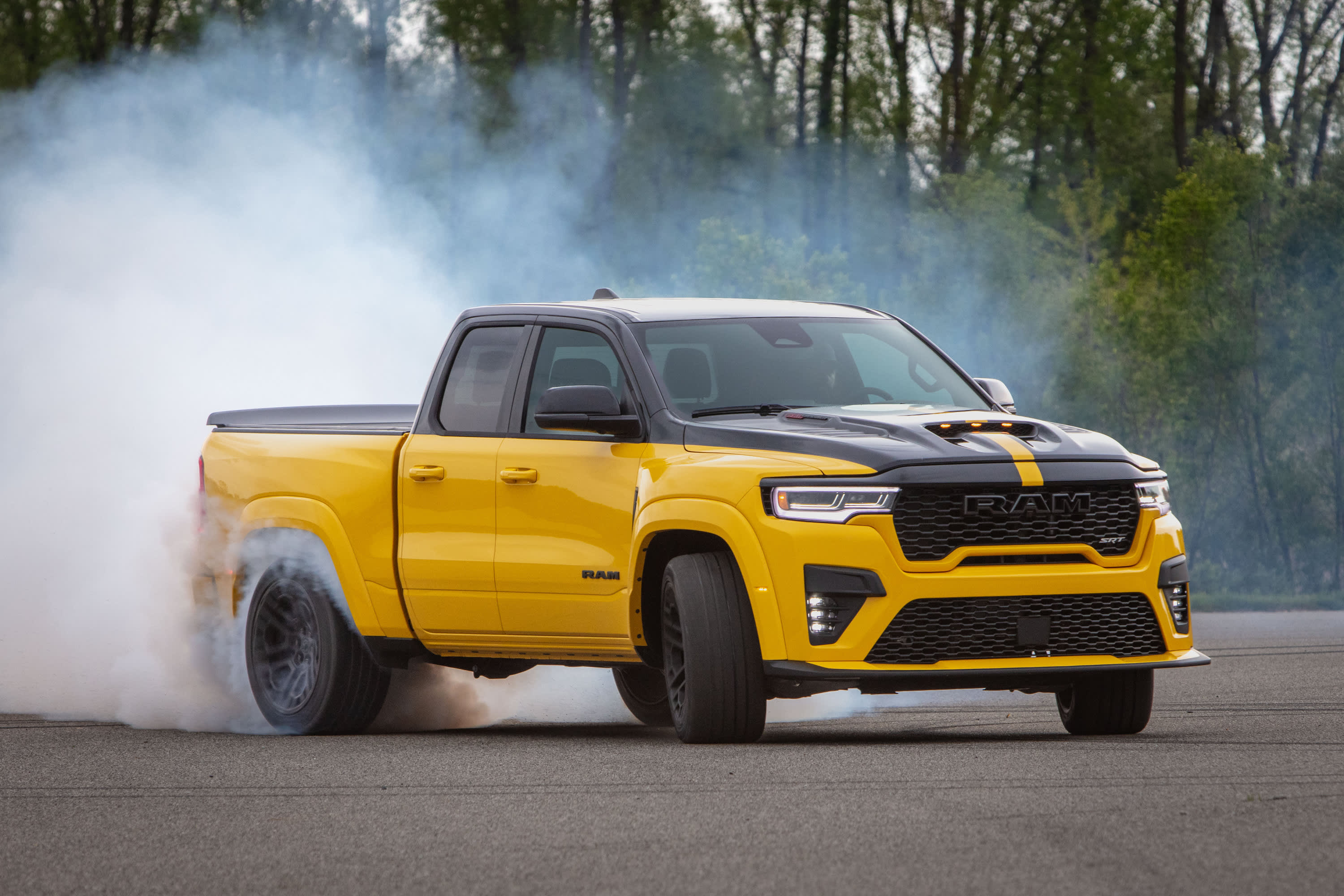
U.S. Loosens Fuel Economy Rules: Boost for V-8 Engines and Pickup Trucks
The U.S. lowers fuel economy targets to 34.9 mpg by 2031. Automakers see a financial tailwind, leading to a resurgence of V-8 engines and a shift away from compliance-focused EV investments.

Noah Adams: NPR Icon And Voice For Rural America
Explore the legacy of NPR's Noah Adams, a master storyteller who captured the soul of rural America and shaped public radio journalism for decades.

Social Security Benefits Boost, Russia-Ukraine War Updates, And Global Geopolitical Shifts
Explore the latest Social Security increase, the strategic implications of Russia's Starshield, and the Houthis' attack on Aramco in this comprehensive global analysis.

COP17: Critical Moment for Biodiversity Framework Implementation
As the Kunming-Montreal Global Biodiversity Framework faces implementation challenges, COP17 must deliver concrete solutions to address funding gaps, subsidy reforms, and global cooperation.
Iran's Deep Involvement in Yemen Conflict and Egypt's Potential Military Intervention
Saudi Arabia faces critical shortages in air defense due to Houthi attacks, prompting urgent requests for help. Reports reveal Iran's intelligence support for Houthi strikes, while Egypt prepares to defend Saudi sovereignty.
Latest Articles
- Haze from Kalimantan Forest Fires Reaches Jakarta Sky
- France Protests 2026: Mass Demonstrations Over Living Costs and Education
- Trump Signs Executive Order to Waive Key Sanctions on Russia Amid Energy Crisis
- LDP Senior Official Visits Yasukuni Shrine Amid Rising Regional Tensions
- Merck CEO: Cancer Vaccine Production Timeline to Shorten
- Porsche Unveils Mission S Concept: New Flagship Design Direction