China's Global Vision: SCO Summit Diplomacy and Multipolar World Order
Analysis of Xi Jinping's 2026 Central Asia and Egypt visits, the SCO Bishkek summit, and China's push for equal and orderly multipolarity amid global shifts.
Source: thepaper.cn
In a world increasingly defined by geopolitical rivalry and the rise of the Global South, the choices made by major powers will shape the coming decades. When Chinese President Xi Jinping traveled to Central Asia and the Middle East in late summer 2026, he brought with him a clear message: the future must be built on equal and orderly multipolarity, not domination. His participation in the Shanghai Cooperation Organization (SCO) summit in Bishkek and state visits to Kyrgyzstan and Egypt offered a glimpse into China's evolving strategy for global governance and its vision for a more just international order. As the international system undergoes profound shifts, understanding this diplomatic push is essential for anyone tracking global power dynamics.
Key Takeaways
-
Advocating for Equal and Orderly Multipolarity: At the SCO summit in Bishkek, President Xi articulated a four-dimensional framework for world multipolarity, emphasizing sovereign equality, mutual respect, balanced order, rule of law, multilateralism, dialogue, and inclusive development. This framework is designed to counter zero-sum thinking and promote a more democratic international system.
-
Global Governance Initiative Gains Traction: Just one year after its proposal in Tianjin, the Global Governance Initiative has received support from nearly 160 countries and international organizations. Concrete steps include joint statements with France, the establishment of "Friends of Global Governance" groups in New York, Geneva, and Vienna, and the creation of the World AI Cooperation Organization in Shanghai.
-
Bilateral Treaties and Security Proposals: During the visit, China and Kyrgyzstan signed a treaty on everlasting friendly relations, codifying their commitment to good-neighborliness. Talks with Egyptian President Abdel Fattah el-Sisi produced a four-point initiative for building a new security architecture in the Middle East, reflecting China's growing role in regional stability.
-
People-Centered Diplomacy: A recurring theme in Xi's engagements was the importance of putting people first. He praised Kyrgyzstan's development efforts and Egypt's "Decent Life" initiative, while highlighting China's own people-oriented governance model as a template for Global South countries seeking modernization paths that suit their national conditions.
-
Cultural Exchange and Mutual Respect: The visit showcased cultural diplomacy at its finest, from traditional Kyrgyz nomadic displays to a joint tour of the Grand Egyptian Museum. Xi emphasized that civilizations need not clash, but can coexist through dialogue and mutual appreciation, citing shared heritage and historical ties.
-
SCO's Expanding Role: Xi called for high-quality development of the SCO, offering four proposals and three suggestions to enhance its effectiveness. The organization, which now includes key players like India, Pakistan, and Iran, is seen as a cornerstone of China's vision for Asian and Eurasian cooperation.
Deep Dive Analysis
President Xi's 2026 tour comes at a critical juncture. The Global South, led by countries like China, India, and Brazil, is demanding a greater voice in international institutions that were largely shaped by the West after World War II. China's push for "equal and orderly multipolarity" is a direct challenge to what it perceives as U.S. hegemony and its attempts to maintain a unipolar order. By framing its approach as inclusive and rule-based, Beijing seeks to position itself as a champion of developing nations, offering an alternative to the Western-led liberal international order.
This diplomatic offensive is not merely rhetorical. The tangible outcomes—treaties, joint statements, and new institutions—indicate a strategic effort to build a parallel architecture of global governance. The rapid endorsement of the Global Governance Initiative by 160 countries, many of which are non-Western, demonstrates that China's message resonates with nations wary of being caught in great-power competition.
However, challenges remain. The concept of "orderly" multipolarity implies a hierarchical structure that some may interpret as a euphemism for Chinese or Russian spheres of influence. Moreover, China's vision lacks concrete mechanisms for enforcement, relying instead on voluntary cooperation and consensus. As the world becomes more fragmented, the feasibility of such a vision will be tested. The success of China's approach will depend on its ability to translate rhetoric into actionable cooperation that delivers tangible benefits to all parties, especially smaller nations.
Looking ahead, China's role as a mediator and consensus-builder is likely to grow, particularly in regions like the Middle East where it has economic interests but seeks to avoid military entanglement. The emphasis on civilization dialogue and mutual respect is a soft-power tool aimed at differentiating China from the West's perceived cultural arrogance. For the international community, the key takeaway is that China is not just rising; it is actively shaping the rules of the game.
Frequently Asked Questions
What is the Shanghai Cooperation Organization (SCO) and why is it important? The SCO is a permanent intergovernmental international organization founded in 2001 by China, Russia, Kazakhstan, Kyrgyzstan, Tajikistan, and Uzbekistan. It focuses on security, economic cooperation, and cultural exchange. With the recent inclusion of India and Pakistan, it represents over 40% of the world's population and is increasingly seen as a counterweight to Western institutions like NATO.
How does China's vision of multipolarity differ from the current world order? China advocates for a multipolar world where power is distributed among several centers, rather than dominated by a single superpower. It emphasizes "equal" participation for all nations, regardless of size, and "orderly" change through international law and multilateral institutions. This contrasts with the current U.S.-led order, which China views as hegemonic and unjust.
What is the significance of the treaty between China and Kyrgyzstan? The treaty on everlasting friendly relations is a legally binding agreement that commits both nations to maintain peace, friendship, and cooperation indefinitely. It symbolizes the depth of their bilateral relationship and serves as a model for China's ties with other Central Asian states, ensuring stability along its western border.
Source: https://www.thepaper.cn/newsDetail_forward_34023825
Related posts

Southwest Airlines Cuts 2026 Profit Forecast Due to Rising Fuel Costs
Southwest Airlines lowers 2026 profit outlook to $2.60-$2.85/share due to higher fuel prices, despite strong demand.

eBay 9% Workforce Cut: Strategic Shifts & AI Investment in 2026
eBay cuts 1,000 jobs (9%) to streamline operations amid AI spending and Depop acquisition. Analyzing the second round of layoffs and strategic pivot.
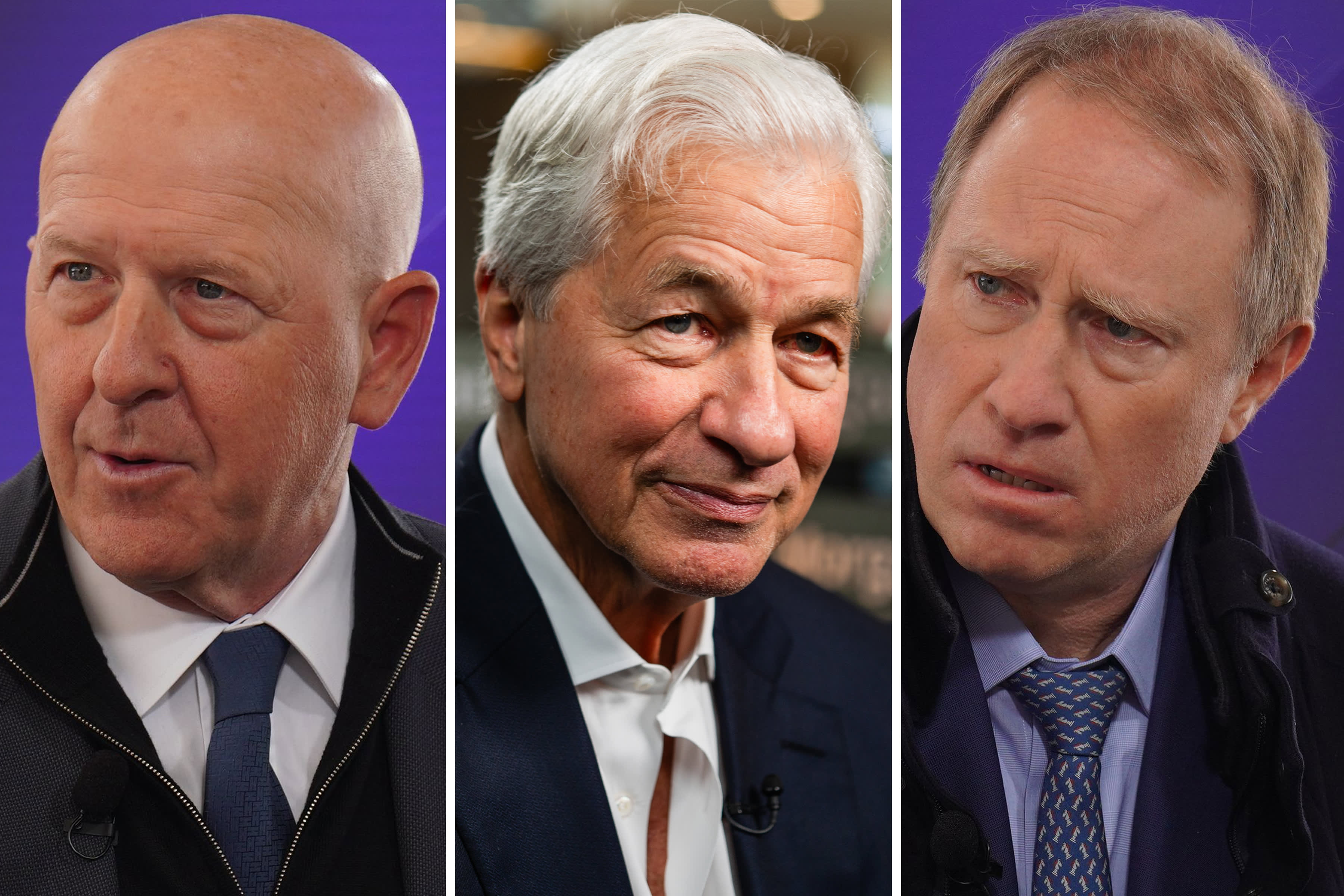
The AI Stock Boom: Goldman Sachs, JPMorgan, and Morgan Stanley's Dominance
Discover how Goldman Sachs, JPMorgan, and Morgan Stanley are leading the AI stock boom, leveraging relaxed capital rules and hedge fund lending. Explore the strategies and market trends shaping this lucrative industry.
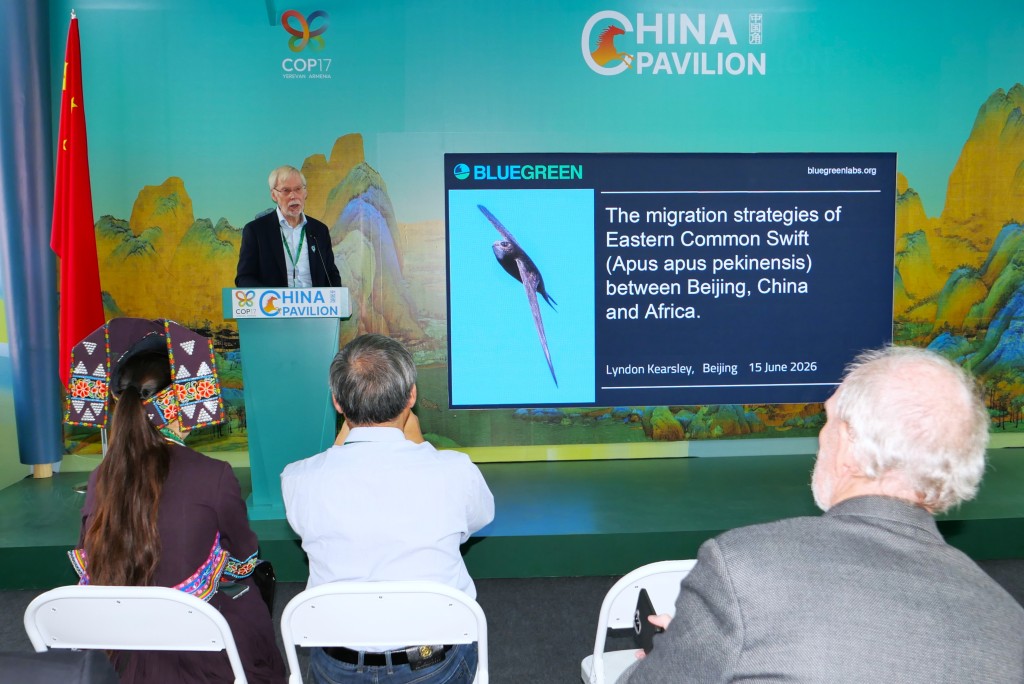
The 30,000 km Journey of Beijing Swifts: Understanding Transnational Bird Conservation
Discover how Beijing swifts' epic migration across continents highlights the critical need for international cooperation in wildlife conservation efforts.

Japanese Telecom Giant Admits CEO's Actions Caused Massive Mongolia Grassland Fire
KDDI admits its subsidiary Mobicon's CEO triggered a 530,000-hectare fire in Mongolia's Numrug Nature Reserve during a 4G trial, sparking international outrage.
Shanghai Cooperation Organization: Strengthening Global Governance and Future Collaboration
Explore Premier Li Qiang's key address at the SCO Dushanbe Summit, focusing on multilateralism, economic cooperation, and the strategic vision for the next decade.
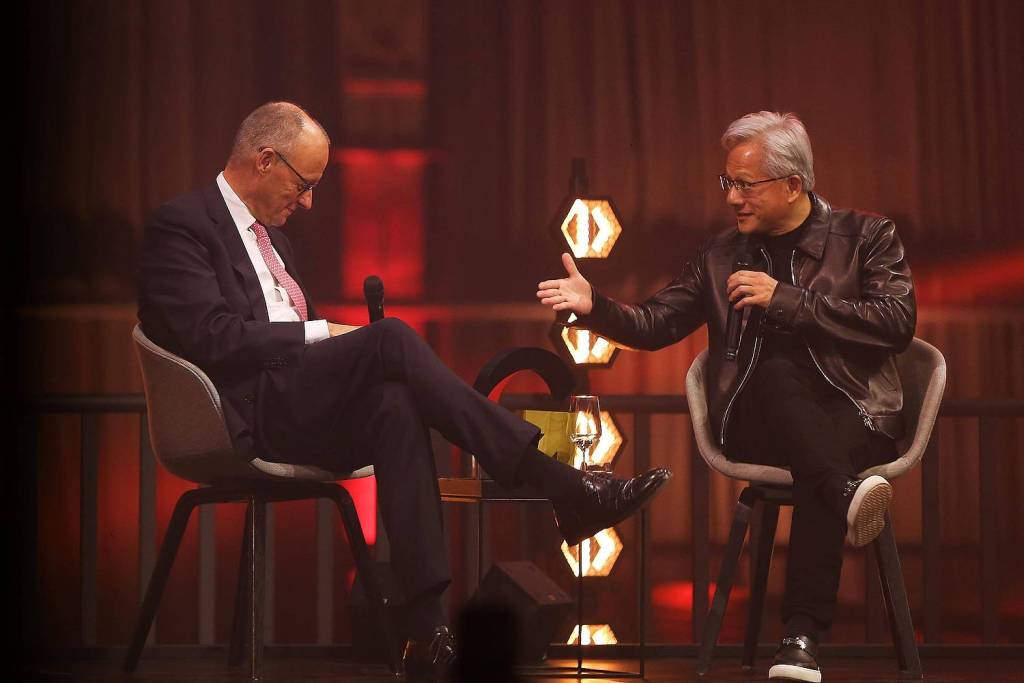
Nvidia CEO Jensen Huang: Europe Must Act Fast or Risk Falling Behind in AI Race
Nvidia CEO Jensen Huang urges Europe to accelerate AI adoption, criticizing Germany's hesitation and questioning the UK's excessive caution in the global tech race.
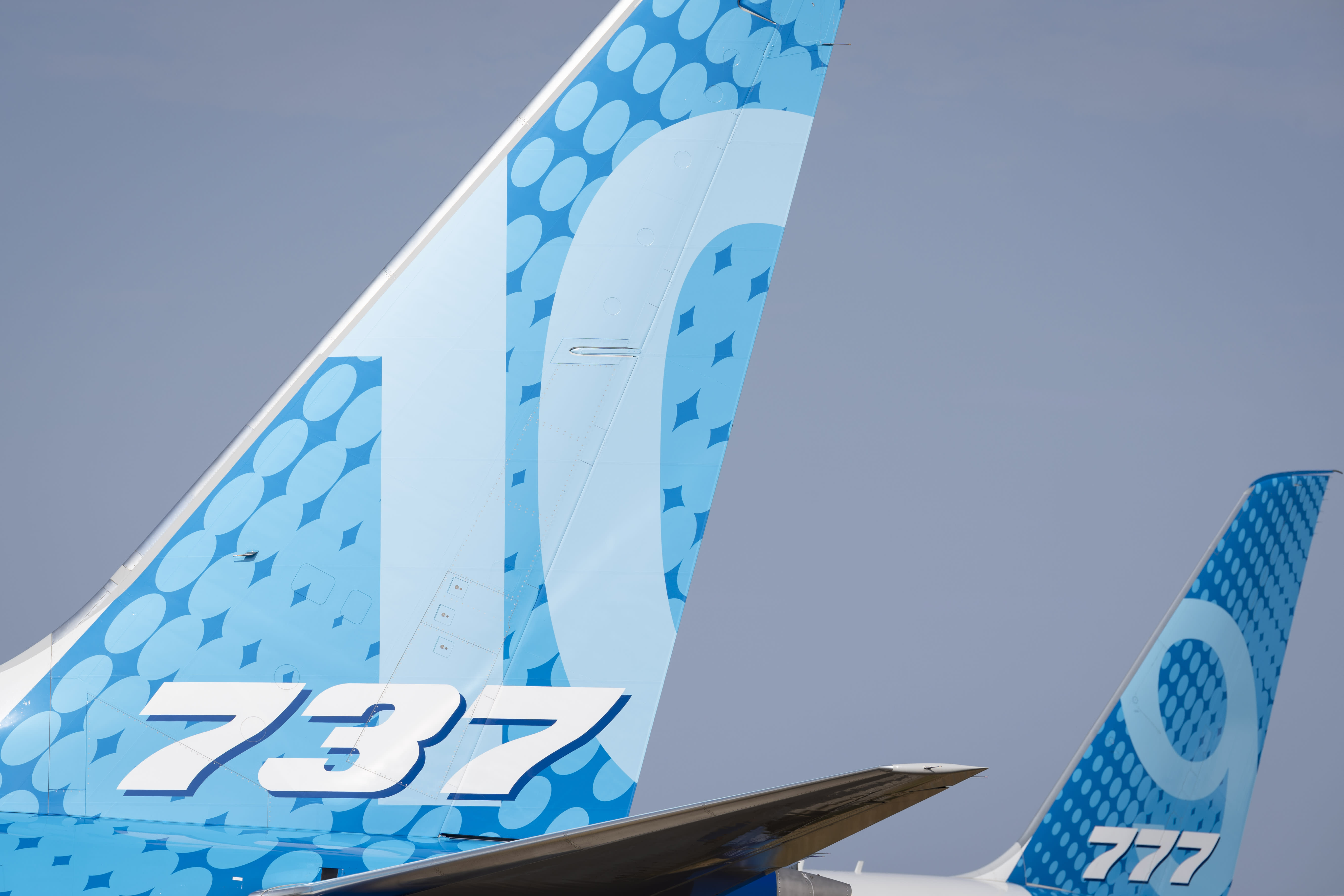
Boeing 737 Max 10 FAA Approval: A Major Win After Years of Delays
Boeing secures FAA certification for the 737 Max 10 after significant delays, facing new competition from China and Europe. Discover the implications for airlines and the future of aviation.
Latest Articles
- General Motors Beats Q3 2026 Earnings Estimates, Announces $20B Buyback
- Netflix Q3 2026 Earnings: Ad Tier Growth vs. Stock Slump Analysis
- Japanese Politicians' Yasukuni Shrine Visits Spark International Concern
- Patriot Missile Holdback: Ukraine Faces Its Darkest Hour Since War Began
- Korea's Shrinking Military Pool: The Debate Over Gender-Equal Conscription
- JPMorgan Chase's $5 Billion Defense Strategy: Robot Factories & Hypersonic Missiles