Iran Conflict Drains US Navy Budget, Threatening Trump's 'Golden Fleet' Dream
The US-Iran conflict has stretched Navy resources thin, jeopardizing Trump's $455B 'Golden Fleet' plan amid cost overruns, shipyard woes, and political hurdles.
Source: thepaper.cn
The prolonged US-Iran conflict, which erupted in February 2026, has turned into a financial quagmire for the US Navy. With no end in sight, the high-intensity operations are draining munitions, overextending ships and crews, and forcing the Navy to cannibalize its own budget. This fiscal crisis now casts a long shadow over President Trump's ambitious "Golden Fleet" plan—a proposed fleet of nuclear-powered battleships that could cost up to $455 billion. As the Navy struggles to fund current operations, the dream of a new capital fleet may be slipping away, highlighting a stark structural conflict between America's global military ambitions and its finite resources.
Key Points
-
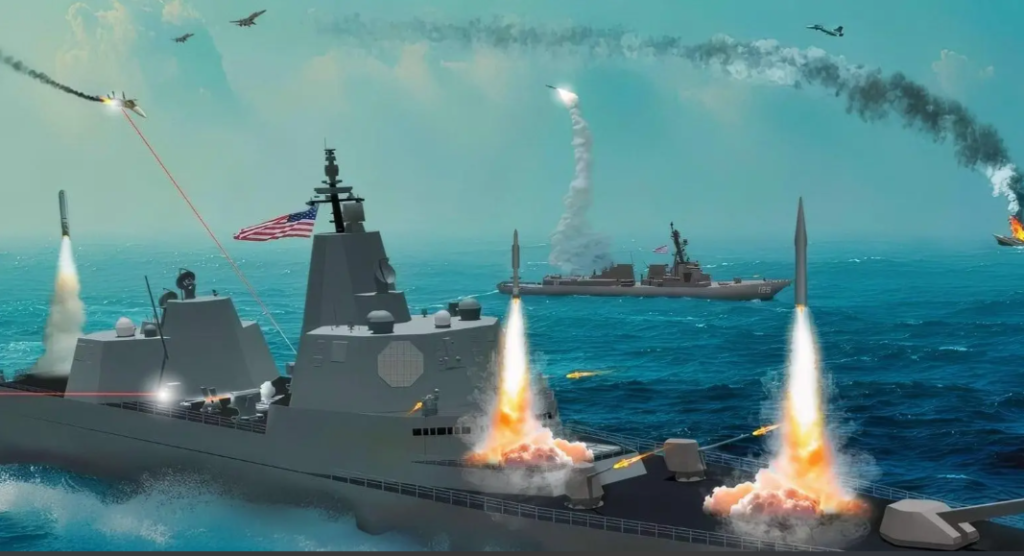
Unprecedented Operational Tempo: Since the war began, the US Navy has deployed two carrier strike groups and dozens of ships to enforce a blockade in the Strait of Hormuz and conduct strikes on Iran. Iran's anti-access/area-denial capabilities have forced US forces to operate from safer distances, increasing complexity and resource consumption.
-
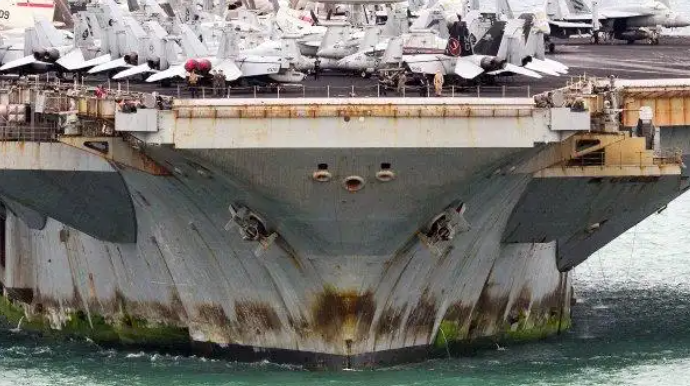
Severe Depletion of Readiness: Chief of Naval Operations Admiral Daryl Caudle testified that only about a quarter of US destroyers are currently deployable, a sharp drop from pre-war levels. Maintenance backlogs are creating a "fleet atrophy" effect, as ships remain in port for repairs rather than at sea.
-
Munitions Crisis: From February to July 2026, US forces expended an estimated 1,500–1,600 Patriot missiles and 200 THAAD interceptors, according to CSIS. The New York Times reports that Patriot inventories have fallen below 1,700, raising fears of "running out of bullets" against future Iranian missile barrages.
-
Budgetary Strain: The Navy's FY2026 budget of nearly $300 billion did not include funding for Operation Epic Fury, the campaign against Iran. The White House requested $67 billion in emergency defense funding in June, but it's unclear how much will reach the Navy, forcing it to shift personnel pay to cover operational costs.
-
Skyrocketing Costs for the Golden Fleet: The CBO estimates that the first Trump-class battleship, USS Intrepid, will now cost $23.4 billion (up from $15.1 billion) due to the switch to nuclear propulsion. A fleet of 15 ships would total $275 billion, and 25 ships would exceed $455 billion—before considering lifecycle costs.
-
Shipbuilding Industry Woes: US shipyards are plagued by delays and cost overruns. The Navy's best-performing shipbuilding program is six months behind schedule and 57% over budget. Bath Iron Works and Ingalls Shipbuilding cannot currently build destroyers on time and lack the capability to construct nuclear-powered vessels.
Labor Shortage and Political Opposition: About a quarter of the shipyard workforce will retire by 2030, requiring up to 250,000 new workers over the next decade. Politically, Democrats in Congress, like Senators Jeff Merkley and Patty Murray, are blocking funding, arguing that billions should not go to battleships while families struggle to afford basic needs.
In-Depth Analysis
The "Golden Fleet" saga is more than a budget battle; it reflects a deep-seated strategic nostalgia in US defense policy. Trump's vision, echoing Theodore Roosevelt's Great White Fleet, seeks to project power through a visible, imposing surface fleet. However, the naval warfare landscape has shifted dramatically since the battleship era. As the New York Times noted, even in WWII, battleships played a limited role compared to aircraft carriers, which proved more versatile and effective. Today, the rise of hypersonic anti-ship missiles, unmanned surface vessels, and smart mines makes large, nuclear-powered surface combatants increasingly vulnerable and costly. The CBO's cost estimates have ballooned, and the US shipbuilding industrial base is in no position to deliver. This plan not only diverts resources from more relevant capabilities like the Ford-class carriers and submarine programs but also risks creating a "hollow" Navy—large on paper but weak in actual combat readiness. The conflict with Iran has exposed this fragility: a regional war can easily disrupt the financial rhythm of the world's most powerful navy. The "Golden Fleet" thus becomes a political symbol, a promise of resurgence that may never materialize, while the US struggles to reconcile its global commitments with its fiscal reality.
Frequently Asked Questions
What is the "Golden Fleet"? The "Golden Fleet" is President Trump's proposed fleet of 20–25 new nuclear-powered battleships, named the Trump class. The first ship, USS Intrepid, is expected to cost over $23 billion, with total program costs potentially reaching $455 billion.
Why is the Iran conflict affecting the Navy's budget so severely? The Navy entered the conflict without dedicated funding, as FY2026 appropriations did not anticipate a major war. High operational tempo has led to massive munitions expenditure and maintenance backlogs, forcing the Navy to divert funds from personnel and future programs to cover immediate needs.
Could the Golden Fleet still be built despite these challenges? Unlikely in the near term. The CBO estimates the first ship alone would take 8 years or more to build, and current shipyards lack the capacity and workforce. With political opposition and the ongoing conflict draining resources, the plan faces immense hurdles that may ultimately prove insurmountable.
Source: https://www.thepaper.cn/newsDetail_forward_34008492
Related posts

Boeing 737 Max 10 FAA Approval: A Major Win After Years of Delays
Boeing secures FAA certification for the 737 Max 10 after significant delays, facing new competition from China and Europe. Discover the implications for airlines and the future of aviation.

General Motors Beats Q3 2026 Earnings Estimates, Announces $20B Buyback
GM beats Wall Street expectations with Q3 2026 earnings, raises free cash flow guidance, and announces a massive $20 billion stock buyback amid inflationary headwinds.

Netflix Q3 2026 Earnings: Ad Tier Growth vs. Stock Slump Analysis
How Netflix's ad-supported tier and cost cuts impact earnings amid slowing subscriber growth and intense competition.

Japanese Politicians' Yasukuni Shrine Visits Spark International Concern
Recent visits by Japanese officials to the controversial war shrine raise alarms about historical revisionism and militarization in the region.

Patriot Missile Holdback: Ukraine Faces Its Darkest Hour Since War Began
US delays critical missile transfers as Ukraine confronts its most challenging period since the conflict began, with dire implications for national defense.

Korea's Shrinking Military Pool: The Debate Over Gender-Equal Conscription
As Korea faces a critical manpower shortage, opposition parties push for gender-neutral conscription. Explore the economic and social implications of mandatory female service.

JPMorgan Chase's $5 Billion Defense Strategy: Robot Factories & Hypersonic Missiles
JPMorgan invests $5B in defense startups like Hadrian and Castelion to secure US supply chains against geopolitical threats.

Netflix cuts 1,000 jobs as streaming growth slows and competition intensifies
Netflix lays off 6% of its workforce amid stagnating viewership and the rise of competitors like Skydance and YouTube.
Latest Articles
- Shanghai's Cultural Renaissance: Festival, Theater, and Consortium Illuminate the City's Artistic Future
- High-and-Mighty Cabinet: More Officials Visit Yasukuni Shrine Amid Rising Controversy
- Oil Exports Plummet as Iran Increases Attacks in Strait of Hormuz
- Food Bank Lines Surge Ahead of Midterms: US Families Face Inflation and Welfare Cuts
- Japan's High-profile Yasukuni Shrine Visit: A Challenge to Post-War Order
- U.S. Loosens Fuel Economy Rules: Boost for V-8 Engines and Pickup Trucks