Philippine VP Sara Duterte Posts Bail, Arrest Warrant Lifted
Philippine Vice President Sara Duterte posts bail after court issues arrest warrant over alleged threat to assassinate President Marcos. Legal and political implications analyzed.
Source: thepaper.cn
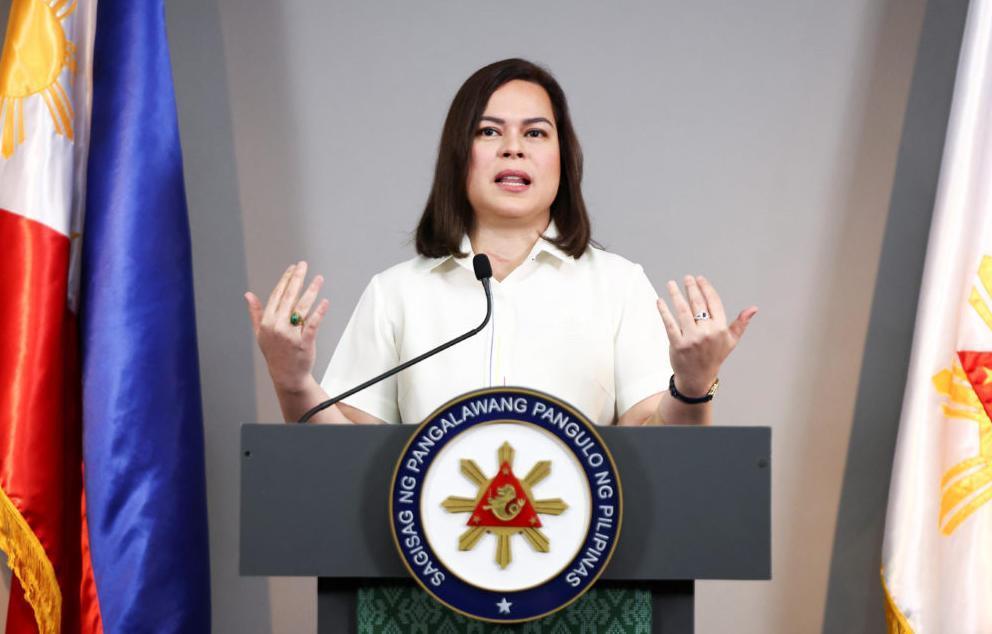
In a dramatic turn of events that has captured the attention of the Philippine public and international observers alike, Vice President Sara Duterte has posted bail following the issuance of an arrest warrant against her. The warrant, which was confirmed by the Department of Justice and her legal team on September 4, stems from allegations that she threatened to hire individuals to assassinate President Ferdinand Marcos Jr. and former House Speaker Martin Romualdez. By posting bail on September 5, Duterte has temporarily resolved her legal predicament, but the underlying political tensions remain far from settled. This development is not merely a legal formality; it underscores the deepening rift between two of the country's most powerful political dynasties, with implications that could reshape the nation's political landscape ahead of the 2028 presidential election.
Key Details
-
Bail Posted and Warrant Lifted: On September 5, Vice President Sara Duterte's lawyers confirmed that she appeared in court to post bail. After completing the necessary procedures, the court lifted the arrest warrant that had been issued the previous day. This action allows her to remain free while the legal process continues.
-
Nature of the Allegations: The Quezon City Regional Trial Court found probable cause that Duterte threatened to hire individuals to murder President Marcos, former House Speaker Martin Romualdez, and others. Under Philippine law, the charges are bailable, which Duterte's legal team promptly exercised.
-
Legal Strategy and Statements: Duterte's lawyers issued a statement emphasizing that she has no intention of evading the law and will continue to exercise all her legal remedies. This suggests a proactive legal defense rather than a confrontational stance, at least for now.
-
Political Background: Sara Duterte is the eldest daughter of former President Rodrigo Duterte. In February, she announced her candidacy for the 2028 presidential election, positioning herself as a major contender. This legal battle could impact her political ambitions and public image.
-
Impeachment Proceedings: In July, the Philippine Senate initiated impeachment proceedings against her—the first time in the country's history that a sitting vice president has faced such a process. She is accused of corruption, plotting assassinations, and abuse of power, adding another layer of complexity to her legal and political challenges.
-
Historical Context: The relationship between the Duterte and Marcos families has soured significantly since the 2022 elections, when they formed a powerful alliance. The current rift highlights the fragility of political coalitions in the Philippines, where personal and family loyalties often trump institutional ties.
-
Public Reaction: The news has sparked mixed reactions, with supporters viewing the charges as politically motivated, while critics see them as a necessary check on alleged abuses of power. Social media platforms in the Philippines are abuzz with debates, reflecting deep societal divisions.
International Attention: The case has drawn international interest due to the Philippines' strategic role in Southeast Asia and its complex relationships with major powers like the U.S. and China. Observers are watching to see how this internal political crisis might affect regional stability and foreign policy.
In-Depth Analysis
The arrest warrant and subsequent bail posting represent a significant escalation in the political feud between the Duterte and Marcos factions, a rivalry that has been brewing since the 2022 elections. The alliance between the two families was always one of convenience, uniting the Duterte's southern base with the Marcos's national machinery. However, policy disagreements, particularly over issues like the International Criminal Court's investigation into the drug war and the handling of the South China Sea disputes, have driven a wedge between them. Sara Duterte's decision to run for president in 2028 directly challenges President Marcos's influence and potentially his own plans for succession, making her a target for political attacks.
From a legal standpoint, the charges of threatening to hire assassins are serious, but the fact that they are bailable suggests that the prosecution's case may not be airtight. The court's decision to issue a warrant indicates there is probable cause, but the defense will likely argue that the statements were taken out of context or were hyperbole, a common defense in such politically charged cases. The impeachment trial, which is proceeding concurrently, adds another dimension. If convicted in the impeachment trial, she could be removed from office and barred from holding public office, which would effectively end her presidential ambitions. However, the trial process is lengthy and politically fraught, and the outcome is far from certain.
This situation also reflects broader trends in Philippine politics, where legal mechanisms are increasingly used as tools for political warfare. The use of impeachment and criminal charges against political rivals has become more common, raising concerns about the rule of law and the independence of the judiciary. The public's trust in institutions could be eroded if these processes are perceived as politically motivated. On the other hand, accountability for alleged abuses is essential for a healthy democracy, and the legal proceedings could serve as a check on executive power.
Looking ahead, the immediate future will likely see intense legal maneuvering and public posturing from both sides. Duterte's legal team will seek to have the charges dismissed or reduced, while the administration will push for a thorough investigation. The outcome of the impeachment trial will be crucial, as it could determine the political landscape leading up to the 2028 elections. If Duterte survives these challenges, she could emerge as a stronger candidate, having weathered the storm. If not, the Marcos camp would consolidate power, but at the cost of further polarizing the nation.
Frequently Asked Questions
What exactly did Sara Duterte do to warrant an arrest warrant?
Sara Duterte is accused of threatening to hire individuals to assassinate President Ferdinand Marcos Jr., former House Speaker Martin Romualdez, and others. The Quezon City court found probable cause to issue an arrest warrant, but the charges are bailable under Philippine law.
How does this affect her chances in the 2028 presidential election?
Source: https://www.thepaper.cn/newsDetail_forward_34014493
Related posts

Korea's Shrinking Military Pool: The Debate Over Gender-Equal Conscription
As Korea faces a critical manpower shortage, opposition parties push for gender-neutral conscription. Explore the economic and social implications of mandatory female service.
Patriot Missile Holdback: Ukraine Faces Its Darkest Hour Since War Began
US delays critical missile transfers as Ukraine confronts its most challenging period since the conflict began, with dire implications for national defense.
Japanese Politicians' Yasukuni Shrine Visits Spark International Concern
Recent visits by Japanese officials to the controversial war shrine raise alarms about historical revisionism and militarization in the region.

JPMorgan Chase's $5 Billion Defense Strategy: Robot Factories & Hypersonic Missiles
JPMorgan invests $5B in defense startups like Hadrian and Castelion to secure US supply chains against geopolitical threats.
Netflix cuts 1,000 jobs as streaming growth slows and competition intensifies
Netflix lays off 6% of its workforce amid stagnating viewership and the rise of competitors like Skydance and YouTube.
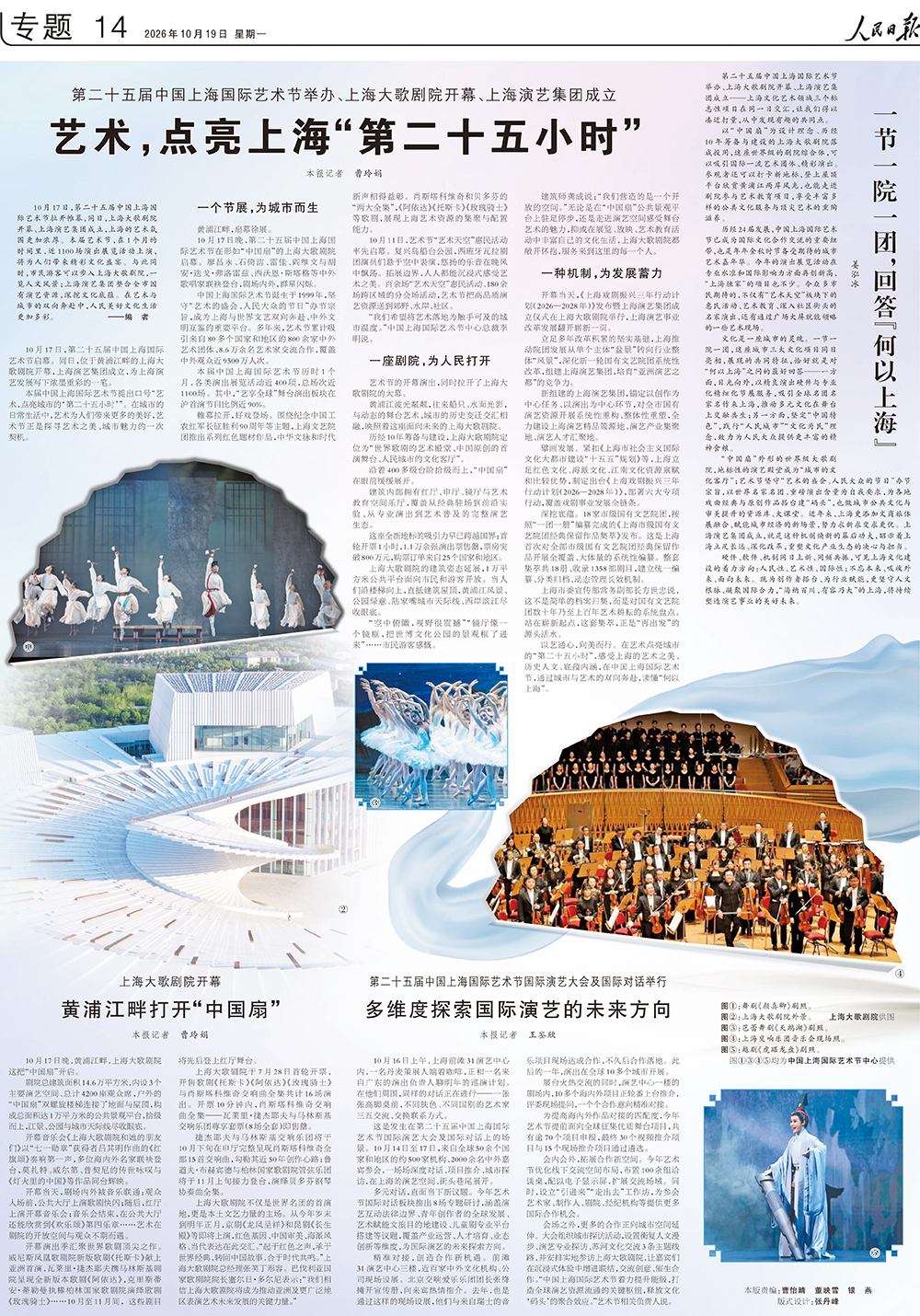
Shanghai's Cultural Renaissance: Festival, Theater, and Consortium Illuminate the City's Artistic Future
Exploring how Shanghai's 25th International Arts Festival, Grand Theater, and Performing Arts Consortium are transforming the city into a global cultural hub through innovative programming and accessible art experiences.

High-and-Mighty Cabinet: More Officials Visit Yasukuni Shrine Amid Rising Controversy
Environment Minister Miyamoto Hiroyuki joins a growing list of conservative politicians visiting Yasukuni Shrine, sparking diplomatic tensions and domestic debate.

Oil Exports Plummet as Iran Increases Attacks in Strait of Hormuz
Three oil tankers hit by mines in one week, causing a sharp drop in global crude exports. Read the analysis of the escalating crisis.
Latest Articles
- Food Bank Lines Surge Ahead of Midterms: US Families Face Inflation and Welfare Cuts
- Japan's High-profile Yasukuni Shrine Visit: A Challenge to Post-War Order
- U.S. Loosens Fuel Economy Rules: Boost for V-8 Engines and Pickup Trucks
- Noah Adams: NPR Icon And Voice For Rural America
- Social Security Benefits Boost, Russia-Ukraine War Updates, And Global Geopolitical Shifts
- COP17: Critical Moment for Biodiversity Framework Implementation