China-Kyrgyzstan Pact: A New Era of Strategic Partnership
President Xi's state visit to Kyrgyzstan yields a landmark treaty, boosting Belt and Road, digital trade, and regional connectivity. An in-depth analysis.
Source: thepaper.cn
In a significant diplomatic move, Chinese President Xi Jinping concluded a state visit to Kyrgyzstan, marking a pivotal moment in Central Asian geopolitics. The visit, which took place against a backdrop of shifting global alliances and economic recalibration, resulted in the signing of a treaty on permanent good-neighborliness and friendly cooperation. This is not merely a ceremonial gesture; it represents a strategic deepening of ties that could reshape regional dynamics. As the world watches, the implications for trade, infrastructure, and political alignment are profound, making this visit a cornerstone event for understanding future developments in the region.
Key Takeaways
-
Historic Treaty Signing: The centerpiece of the visit was the joint signing of the Treaty on Permanent Good-Neighborliness and Friendly Cooperation, making Kyrgyzstan the second Central Asian nation (after Tajikistan) to formalize such an enduring bond with China. This treaty is more than a symbolic gesture; it establishes a legal and political framework for decades of stable relations, covering mutual respect for sovereignty, non-interference, and a commitment to resolving disputes peacefully.
-
Elevation to Comprehensive Strategic Partnership: The two leaders also signed a joint declaration elevating bilateral relations to a "comprehensive strategic partnership for a new era." This upgrade reflects a mutual desire to deepen political trust and expand cooperation across all sectors, from security to culture. It signals to the international community that China and Kyrgyzstan are aligned in their vision for regional stability and prosperity.
-
Belt and Road Momentum: The visit reaffirmed the centrality of the Belt and Road Initiative (BRI) in bilateral cooperation. Key projects like the China-Kyrgyzstan-Uzbekistan railway, often dubbed a "transport artery," received fresh impetus. This railway, once completed, will significantly reduce trade transit times between China and Europe, bypassing Russia and opening new economic corridors. The leaders also emphasized traditional areas like trade, investment, and connectivity, while charting new avenues in green mining and digital infrastructure.
-
New Frontiers in Digital and Green Economy: Both sides agreed to expand cooperation into cutting-edge sectors, including digital trade, cross-border e-commerce, clean energy, and artificial intelligence. This is a forward-looking agenda that moves beyond conventional infrastructure. For instance, a Chinese-invested waste-to-energy plant in Bishkek is already operational, turning municipal solid waste into electricity. Such projects not only address local environmental challenges but also serve as models for sustainable development across the region.
-
Educational and People-to-People Exchanges: The visit underscored the importance of soft power, with agreements to enhance cooperation in higher education, vocational training, and language teaching. The inauguration of the China-Kyrgyzstan Institute of Excellent Engineers, a joint venture involving Xinjiang University, Xi'an Jiaotong University, and Kyrgyzstan's National Technical University, exemplifies this commitment. The institute will focus on green mining and smart energy, aiming to cultivate a new generation of engineers for the region.
Institutional Innovations for Trade: Recognizing the need for smoother trade flows, the two countries agreed to modernize border ports and establish a joint committee on port management. This "soft connectivity" initiative is crucial for reducing bureaucratic hurdles and facilitating the export of Kyrgyz agricultural products to China. By aligning customs procedures and standards, both nations aim to boost bilateral trade volumes and economic integration.
In-Depth Analysis
This visit and its outcomes are emblematic of China's broader strategy in Central Asia, which is increasingly characterized by a blend of hard infrastructure and soft institutional bonds. The permanent treaty is a masterstroke in diplomatic signaling, offering Kyrgyzstan long-term assurances of Chinese support without the entanglements of a formal military alliance. For China, it secures a stable southern neighbor, crucial for the security of its Xinjiang region and for projecting influence westward. The emphasis on digital and green cooperation is particularly astute, as it positions China as a partner in modernization, not just a builder of roads and rails. This aligns with global trends toward sustainability and the digital economy, making the partnership attractive to a younger, more tech-savvy Kyrgyz population.
However, the deeper implications extend beyond bilateral ties. The China-Kyrgyzstan-Uzbekistan railway, a long-discussed project, is a strategic counterpoint to Russian-dominated supply chains. Its progress signals a shift in regional economic gravity, with China increasingly acting as the engine of growth. Moreover, the treaty sets a precedent for other Central Asian states, potentially encouraging similar agreements that could create a network of Chinese-aligned partnerships. Critics may view this as an expansion of Chinese influence, but for landlocked Kyrgyzstan, the benefits are tangible: improved infrastructure, new markets, and investment in human capital. The challenge lies in balancing these gains with concerns over debt sustainability and political autonomy. As Central Asia navigates a multipolar world, this partnership offers a model of engagement that prioritizes economic pragmatism over ideological alignment.
Frequently Asked Questions
What does the "permanent good-neighborliness" treaty mean for Kyrgyzstan's sovereignty? The treaty is a bilateral agreement that reaffirms mutual respect for sovereignty and territorial integrity. It does not infringe on Kyrgyzstan's independence but rather provides a stable framework for cooperation, ensuring that both nations work together on common goals without interfering in each other's internal affairs.
How will the China-Kyrgyzstan-Uzbekistan railway benefit ordinary people? The railway is expected to significantly reduce trade costs and transit times, which could lower prices for goods and create new job opportunities in logistics, trade, and related services. It will also enhance Kyrgyzstan's role as a transit hub, potentially attracting further foreign investment and stimulating economic growth.
What are the environmental implications of the new cooperation areas? The focus on green mining, clean energy, and waste-to-energy projects indicates a commitment to sustainable development. For example, the waste-to-energy plant in Bishkek helps address urban waste management issues while generating electricity. These initiatives aim to balance economic growth with environmental protection, setting a positive example for the region.
Source: https://www.thepaper.cn/newsDetail_forward_34013802
Related posts

Japan's High-profile Yasukuni Shrine Visit: A Challenge to Post-War Order
Prime Minister Sanae Takaichi and over 70 lawmakers attend the autumn festival, provoking international condemnation.
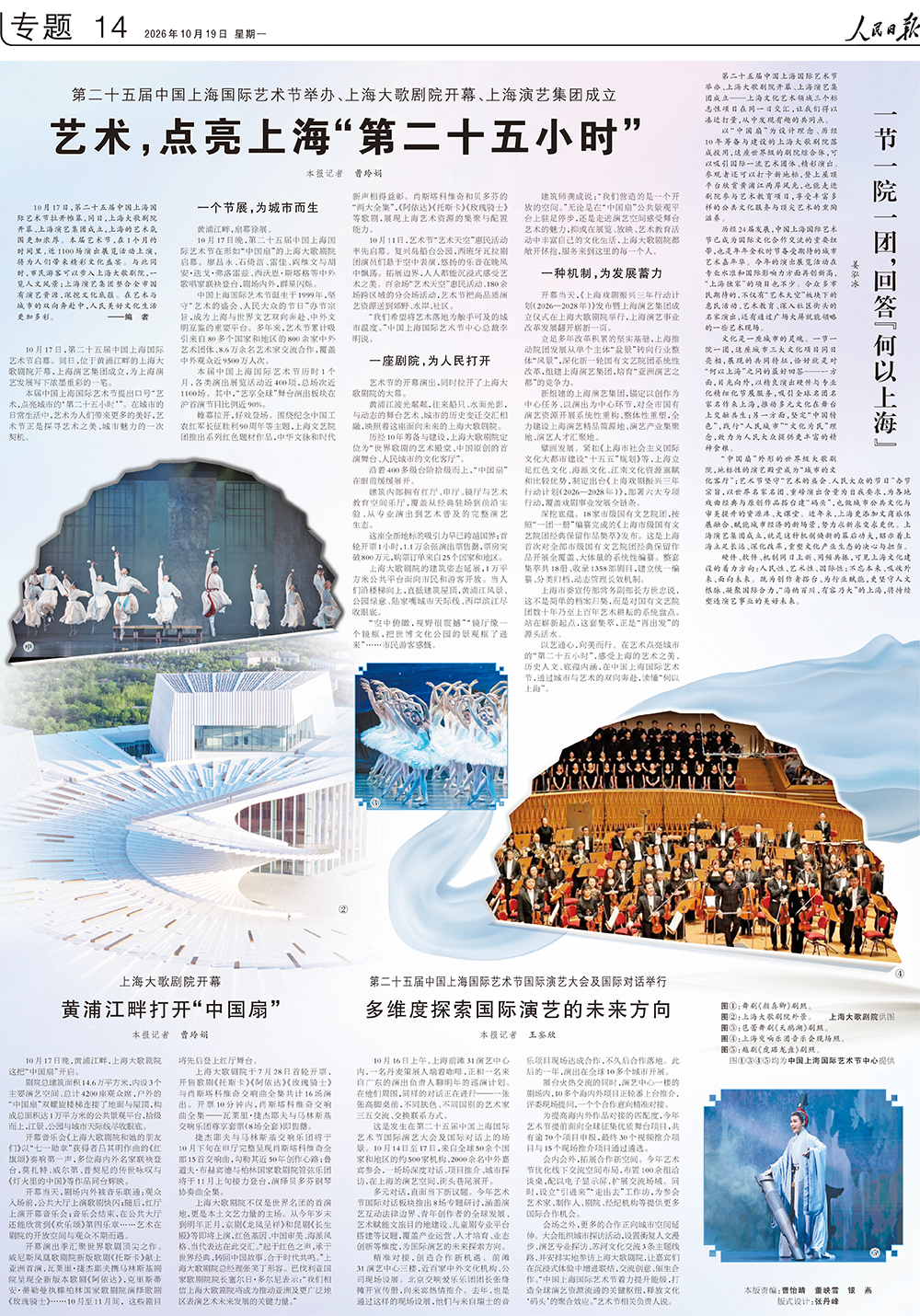
Shanghai's Cultural Renaissance: Festival, Theater, and Consortium Illuminate the City's Artistic Future
Exploring how Shanghai's 25th International Arts Festival, Grand Theater, and Performing Arts Consortium are transforming the city into a global cultural hub through innovative programming and accessible art experiences.

Netflix cuts 1,000 jobs as streaming growth slows and competition intensifies
Netflix lays off 6% of its workforce amid stagnating viewership and the rise of competitors like Skydance and YouTube.

U.S. Loosens Fuel Economy Rules: Boost for V-8 Engines and Pickup Trucks
The U.S. lowers fuel economy targets to 34.9 mpg by 2031. Automakers see a financial tailwind, leading to a resurgence of V-8 engines and a shift away from compliance-focused EV investments.

Noah Adams: NPR Icon And Voice For Rural America
Explore the legacy of NPR's Noah Adams, a master storyteller who captured the soul of rural America and shaped public radio journalism for decades.

Social Security Benefits Boost, Russia-Ukraine War Updates, And Global Geopolitical Shifts
Explore the latest Social Security increase, the strategic implications of Russia's Starshield, and the Houthis' attack on Aramco in this comprehensive global analysis.

COP17: Critical Moment for Biodiversity Framework Implementation
As the Kunming-Montreal Global Biodiversity Framework faces implementation challenges, COP17 must deliver concrete solutions to address funding gaps, subsidy reforms, and global cooperation.
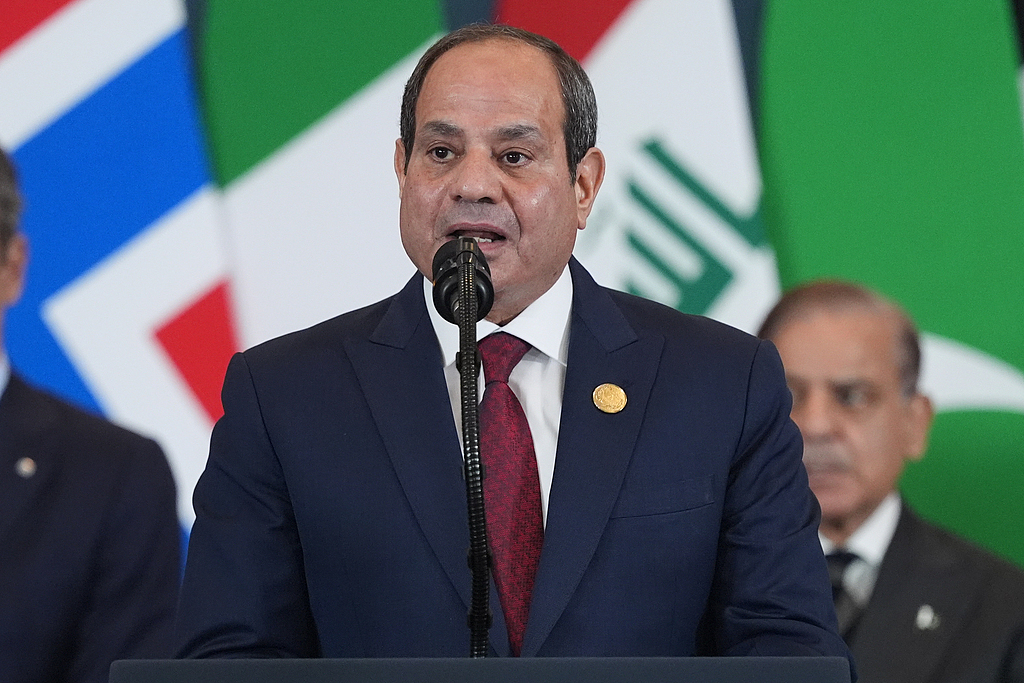
Iran's Deep Involvement in Yemen Conflict and Egypt's Potential Military Intervention
Saudi Arabia faces critical shortages in air defense due to Houthi attacks, prompting urgent requests for help. Reports reveal Iran's intelligence support for Houthi strikes, while Egypt prepares to defend Saudi sovereignty.
Latest Articles
- Haze from Kalimantan Forest Fires Reaches Jakarta Sky
- France Protests 2026: Mass Demonstrations Over Living Costs and Education
- Trump Signs Executive Order to Waive Key Sanctions on Russia Amid Energy Crisis
- LDP Senior Official Visits Yasukuni Shrine Amid Rising Regional Tensions
- Merck CEO: Cancer Vaccine Production Timeline to Shorten
- Porsche Unveils Mission S Concept: New Flagship Design Direction