Asia-Pacific Media Forum in Shenzhen: Building Trust and AI-Driven Collaboration
The 2026 Asia-Pacific Media High-Level Forum in Shenzhen brought together 400+ delegates to discuss media's role in regional cooperation, AI challenges, and trust-building. Key outcomes include the Shenzhen Consensus and a new partnership initiative.
Source: thepaper.cn
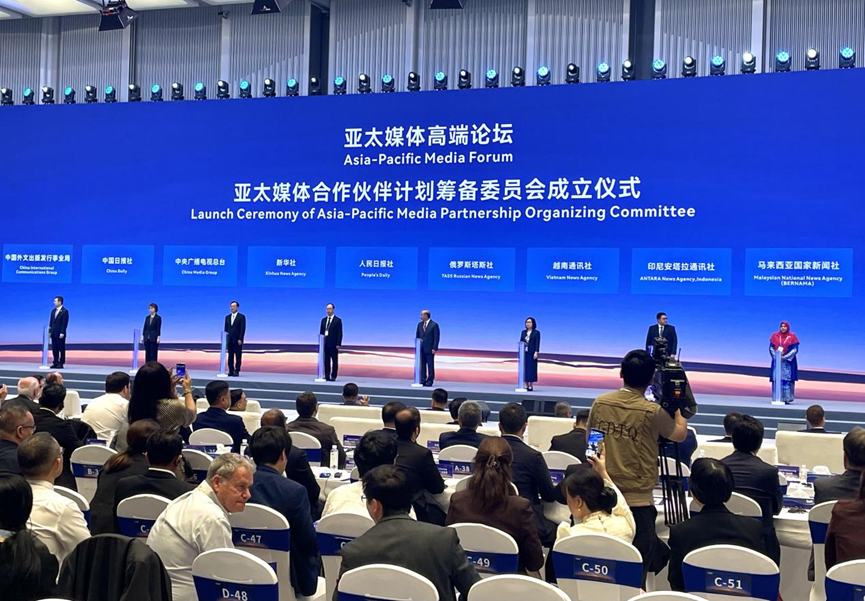
In an era of rapid technological disruption and declining public trust, the role of media in fostering international cooperation has never been more critical. From September 5-6, 2026, Shenzhen, China's tech powerhouse, hosted the Asia-Pacific Media High-Level Forum, drawing over 400 representatives from 220 media outlets, think tanks, government agencies, and international organizations across 42 countries and regions. Themed "Building a Shared Path to Asia-Pacific Prosperity: Media Consensus and Action," the forum addressed pressing issues from AI's impact on journalism to cross-border collaboration, culminating in the release of the Shenzhen Consensus. This gathering underscored a pivotal moment for regional media to redefine their mission in a fragmented information landscape.
Key Takeaways
-
Unprecedented Participation: The forum attracted 220 mainstream media outlets and organizations from 42 Asia-Pacific countries and regions, including senior executives from CNN, Russia Today, and Pakistani government officials. This broad representation signals a collective recognition of media's role in shaping regional narratives and cooperation.
-
Launch of the Asia-Pacific Media Partnership Preparatory Committee: A key outcome was the establishment of this committee, aimed at institutionalizing media exchanges and cooperation. This move reflects a strategic push to create a structured framework for collaboration, beyond ad-hoc meetings, to address shared challenges and opportunities.
-
Emphasis on AI and Trust: CNN Senior Vice President Kostas Economou highlighted that AI is transforming newsrooms at "astonishing speed," offering unprecedented information access but also eroding trust in institutions and the information ecosystem. He called for stronger industry networks and new forms of collaboration that transcend borders, emphasizing that no single media organization can navigate these changes alone.
-
Media as Trust-Builders: UN Under-Secretary-General for Global Communications Melissa Fleming stressed in a video message that journalists must provide facts, build trust through facts, and use trust to forge consensus. She described accurate, in-depth reporting as a "vital public service" that can help humanity overcome development obstacles.
-
Shenzhen Consensus Released: The forum adopted the Shenzhen Consensus, which outlines commitments to open cooperation, digital and green transformation, and media exchanges. It advocates for upholding multilateral trade, deepening AI applications, and promoting people-to-people exchanges to boost Asia-Pacific prosperity.
-
Tech and Media Integration Showcase: Prior to the forum, delegates visited the Science and Technology Innovation Achievements Exhibition, experiencing firsthand how Shenzhen integrates cutting-edge technology with media. This highlighted the city's role as a hub for innovation, where media-tech fusion is not just theoretical but practical.
Regional Field Visits: From September 2-4, media representatives toured six cities in the Guangdong-Hong Kong-Macao Greater Bay Area (Guangzhou, Foshan, Shenzhen, Dongguan, Zhuhai, Zhongshan) to observe industrial upgrading, green development, and foreign investment utilization. These visits provided concrete examples of regional cooperation and development.
In-Depth Analysis
The Shenzhen Forum marks a significant evolution in Asia-Pacific media diplomacy. Beyond the usual platitudes, the event produced tangible mechanisms—like the partnership preparatory committee—that could lead to more structured, long-term collaborations. This is crucial as the region faces common challenges: disinformation, economic fragmentation, and the disruptive impact of AI on journalism. The focus on AI is particularly timely. As newsrooms worldwide grapple with generative AI's potential to both streamline production and spread misinformation, the forum's call for collaborative AI governance and ethical standards is a proactive step. However, the underlying geopolitical tensions in the region cannot be ignored. The forum's emphasis on "multilateral trade" and "mutual understanding" subtly counters protectionist trends and narrative battles, positioning media as a bridge rather than a weapon. The participation of Western outlets like CNN alongside Chinese state media suggests a pragmatic willingness to engage, even amid broader strategic competition. The Shenzhen Consensus, while non-binding, sets a normative framework that could influence how regional media cover issues like climate change, digital economy, and cultural exchange. Yet, the real test lies in implementation. Will the partnership committee translate into cross-border investigative projects, journalist exchanges, and AI literacy programs? If so, this forum could be a watershed moment. For now, it signals that Asia-Pacific media are eager to move beyond national silos and forge a collective voice—one that prioritizes trust and facts in an increasingly complex information age.
Frequently Asked Questions
What is the significance of the Shenzhen Consensus?
The Shenzhen Consensus is a set of principles adopted by forum participants, covering open cooperation, digital and green transitions, and media exchanges. It serves as a normative guide for regional media to promote multilateral trade, ethical AI use, and cultural understanding, aiming to foster a shared narrative of Asia-Pacific prosperity.
How will the Asia-Pacific Media Partnership Preparatory Committee operate?
While details are still emerging, the committee is expected to facilitate ongoing cooperation among media organizations in the region. It will likely organize joint projects, knowledge-sharing platforms, and capacity-building initiatives, with the goal of strengthening the media's role in regional integration.
Why is AI a central concern for media leaders at this forum?
AI is transforming news production and distribution, offering efficiency gains but also risks of misinformation and job displacement. Media leaders like CNN's Kostas Economou emphasize that AI challenges trust in journalism, necessitating collaborative approaches to ensure AI is used responsibly, with human oversight and ethical guidelines.
Source: https://www.thepaper.cn/newsDetail_forward_34014525
Related posts
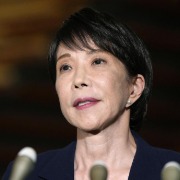
Japan's High-profile Yasukuni Shrine Visit: A Challenge to Post-War Order
Prime Minister Sanae Takaichi and over 70 lawmakers attend the autumn festival, provoking international condemnation.
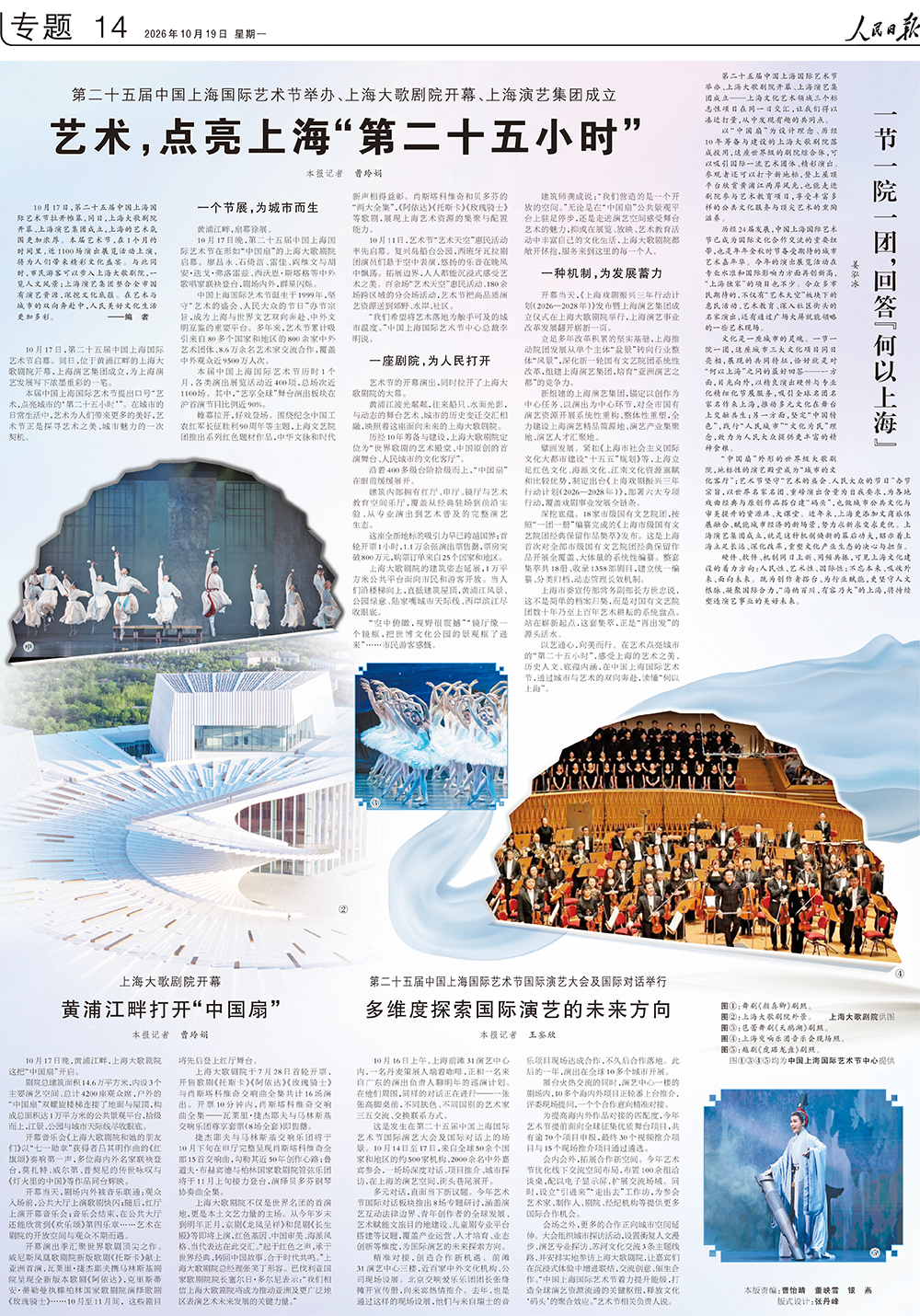
Shanghai's Cultural Renaissance: Festival, Theater, and Consortium Illuminate the City's Artistic Future
Exploring how Shanghai's 25th International Arts Festival, Grand Theater, and Performing Arts Consortium are transforming the city into a global cultural hub through innovative programming and accessible art experiences.
Netflix cuts 1,000 jobs as streaming growth slows and competition intensifies
Netflix lays off 6% of its workforce amid stagnating viewership and the rise of competitors like Skydance and YouTube.

U.S. Loosens Fuel Economy Rules: Boost for V-8 Engines and Pickup Trucks
The U.S. lowers fuel economy targets to 34.9 mpg by 2031. Automakers see a financial tailwind, leading to a resurgence of V-8 engines and a shift away from compliance-focused EV investments.

Noah Adams: NPR Icon And Voice For Rural America
Explore the legacy of NPR's Noah Adams, a master storyteller who captured the soul of rural America and shaped public radio journalism for decades.

Social Security Benefits Boost, Russia-Ukraine War Updates, And Global Geopolitical Shifts
Explore the latest Social Security increase, the strategic implications of Russia's Starshield, and the Houthis' attack on Aramco in this comprehensive global analysis.

COP17: Critical Moment for Biodiversity Framework Implementation
As the Kunming-Montreal Global Biodiversity Framework faces implementation challenges, COP17 must deliver concrete solutions to address funding gaps, subsidy reforms, and global cooperation.
Iran's Deep Involvement in Yemen Conflict and Egypt's Potential Military Intervention
Saudi Arabia faces critical shortages in air defense due to Houthi attacks, prompting urgent requests for help. Reports reveal Iran's intelligence support for Houthi strikes, while Egypt prepares to defend Saudi sovereignty.
Latest Articles
- Haze from Kalimantan Forest Fires Reaches Jakarta Sky
- France Protests 2026: Mass Demonstrations Over Living Costs and Education
- Trump Signs Executive Order to Waive Key Sanctions on Russia Amid Energy Crisis
- LDP Senior Official Visits Yasukuni Shrine Amid Rising Regional Tensions
- Merck CEO: Cancer Vaccine Production Timeline to Shorten
- Porsche Unveils Mission S Concept: New Flagship Design Direction