China Attends 2026 Asia-Pacific Defense Chiefs Meeting: A Signal for Regional Dialogue
China's military chief attends the 2026 Asia-Pacific Defense Chiefs Meeting in Canada, signaling openness to multilateral dialogue amid regional tensions. Analysis of implications.
Source: thepaper.cn
In an era of heightened strategic competition, even symbolic gestures can carry significant weight. On September 4, 2026, China's Ministry of National Defense confirmed that its Eastern Theater Command Commander, General Yang Zhishu, led a delegation to the 2026 Asia-Pacific Defense Chiefs Meeting in Victoria, Canada. Co-hosted by the Canadian Armed Forces and the U.S. Indo-Pacific Command, the meeting provided a rare platform for senior military officials from rival nations to engage face-to-face. This participation marks a notable step in maintaining communication channels and underscores the delicate balance between competition and dialogue in the region.
Key Details
- High-Level Representation: General Yang Zhishu, commander of the People's Liberation Army Eastern Theater Command, headed the Chinese delegation. The Eastern Theater Command is responsible for the Taiwan Strait area, making his attendance particularly significant given the sensitive nature of cross-strait relations.
- Meeting Context: The conference was jointly organized by Canada and the United States, with the U.S. Pacific Command (now Indo-Pacific Command) playing a central role. It brought together defense chiefs from across the Asia-Pacific to discuss regional security challenges.
- China's Stance: During the meeting, the Chinese delegation delivered a speech outlining China's military contributions to regional peace and stability. The speech highlighted China's efforts in maintaining security and proposed enhanced defense exchanges and cooperation among regional nations to jointly address common challenges.
- Bilateral Meetings: Beyond the plenary sessions, Chinese representatives held bilateral talks with officials from the United States, France, Singapore, and other participating countries. These sideline meetings are crucial for managing bilateral tensions and exploring areas of mutual interest.
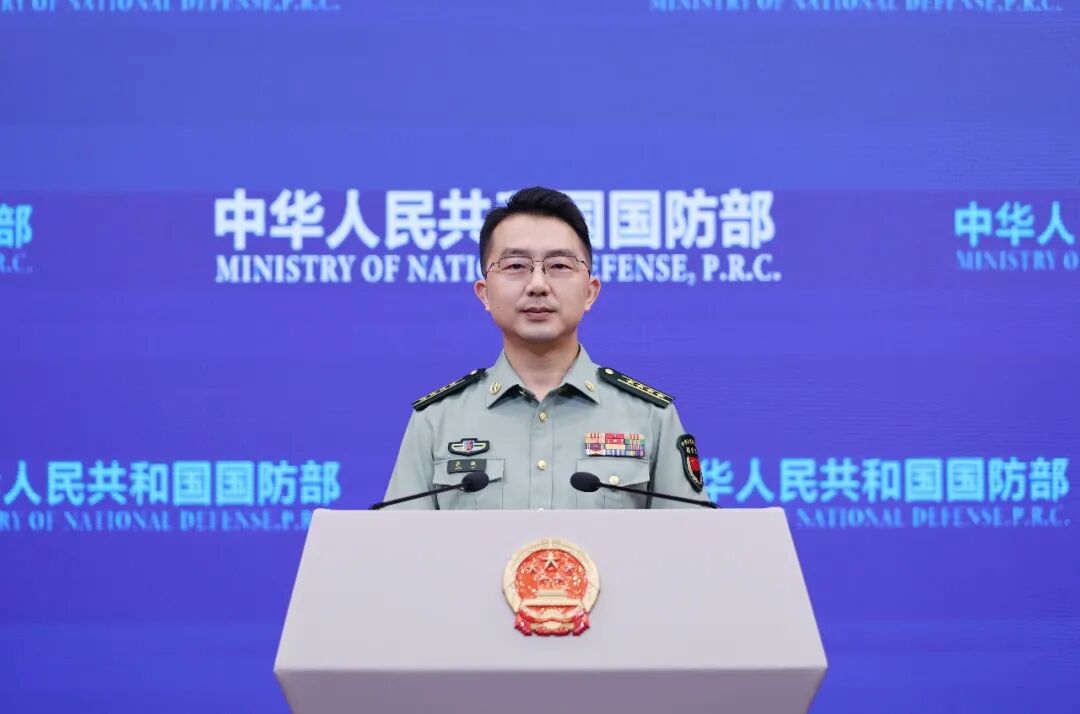
- Official Confirmation: The news was announced by Defense Ministry Spokesperson Senior Colonel Jiang Bin at a regular press briefing on September 4, 2026. He confirmed the participation in response to a journalist's query, emphasizing the routine nature of such engagements.
- Strategic Signal: By attending a meeting co-hosted by the U.S., China demonstrates a willingness to engage in multilateral military dialogues, even as competition with Washington intensifies. This move could be interpreted as an effort to prevent misunderstandings and reduce the risk of accidental conflict.
- Regional Implications: The meeting occurs against a backdrop of evolving security dynamics in the Asia-Pacific, including tensions over the South China Sea, North Korea's missile tests, and the ongoing realignment of alliances. China's participation offers a chance to shape the regional security agenda.
In-Depth Analysis
The decision to send a senior military leader to a U.S.-co-hosted forum is a calculated move by Beijing. It reflects a pragmatic approach to great-power competition: while China and the U.S. are locked in a strategic rivalry, both sides recognize the necessity of maintaining military-to-military communication to prevent crises. The choice of General Yang Zhishu is particularly telling, as the Eastern Theater Command is at the forefront of potential flashpoints, including Taiwan. His presence sends a message that China is open to dialogue even on the most sensitive issues, while also signaling the importance Beijing places on this channel.
This engagement aligns with China's broader foreign policy of "major-country diplomacy" and its emphasis on building a community with a shared future for mankind. In the Asia-Pacific, China has consistently advocated for a regional security framework based on mutual trust and cooperation, as opposed to exclusive alliances. By participating in this meeting, China can counter narratives that portray it as a revisionist power unwilling to engage in multilateral forums.
Moreover, the bilateral meetings with U.S., French, and Singaporean officials provide valuable opportunities to manage differences and explore practical cooperation areas, such as maritime safety and disaster relief. At a time when the risk of miscalculation is high, these informal exchanges are essential confidence-building measures.
Looking ahead, China's participation could pave the way for more regular military dialogues with the U.S. and its allies. However, the substance of these interactions will depend on broader political will. The meeting also highlights the growing importance of middle powers like Canada, which are seeking to play a more active role in regional security. For observers, the key takeaway is that despite the tough rhetoric, all parties still see value in talking — a hopeful sign in a volatile strategic landscape.
Frequently Asked Questions
Why is China's participation in this meeting significant? China's attendance at a U.S.-co-hosted defense chiefs meeting signals its willingness to maintain open lines of communication with regional adversaries. It provides a platform to clarify its positions and reduce the risk of unintended escalation, especially in sensitive areas like the Taiwan Strait.
What does the meeting aim to achieve? The Asia-Pacific Defense Chiefs Meeting aims to foster dialogue and cooperation among regional military leaders. It serves as a venue to discuss shared security challenges, build trust, and enhance mutual understanding, thereby contributing to regional stability.
Will this lead to improved China-U.S. military relations? While this meeting is a positive step, it alone cannot resolve deep-seated differences. Sustained improvement will require continued high-level dialogue and concrete actions to manage competition. However, such engagements are crucial to preventing crises and establishing a more predictable relationship.
Source: https://www.thepaper.cn/newsDetail_forward_34008070
Related posts

Japan's High-profile Yasukuni Shrine Visit: A Challenge to Post-War Order
Prime Minister Sanae Takaichi and over 70 lawmakers attend the autumn festival, provoking international condemnation.
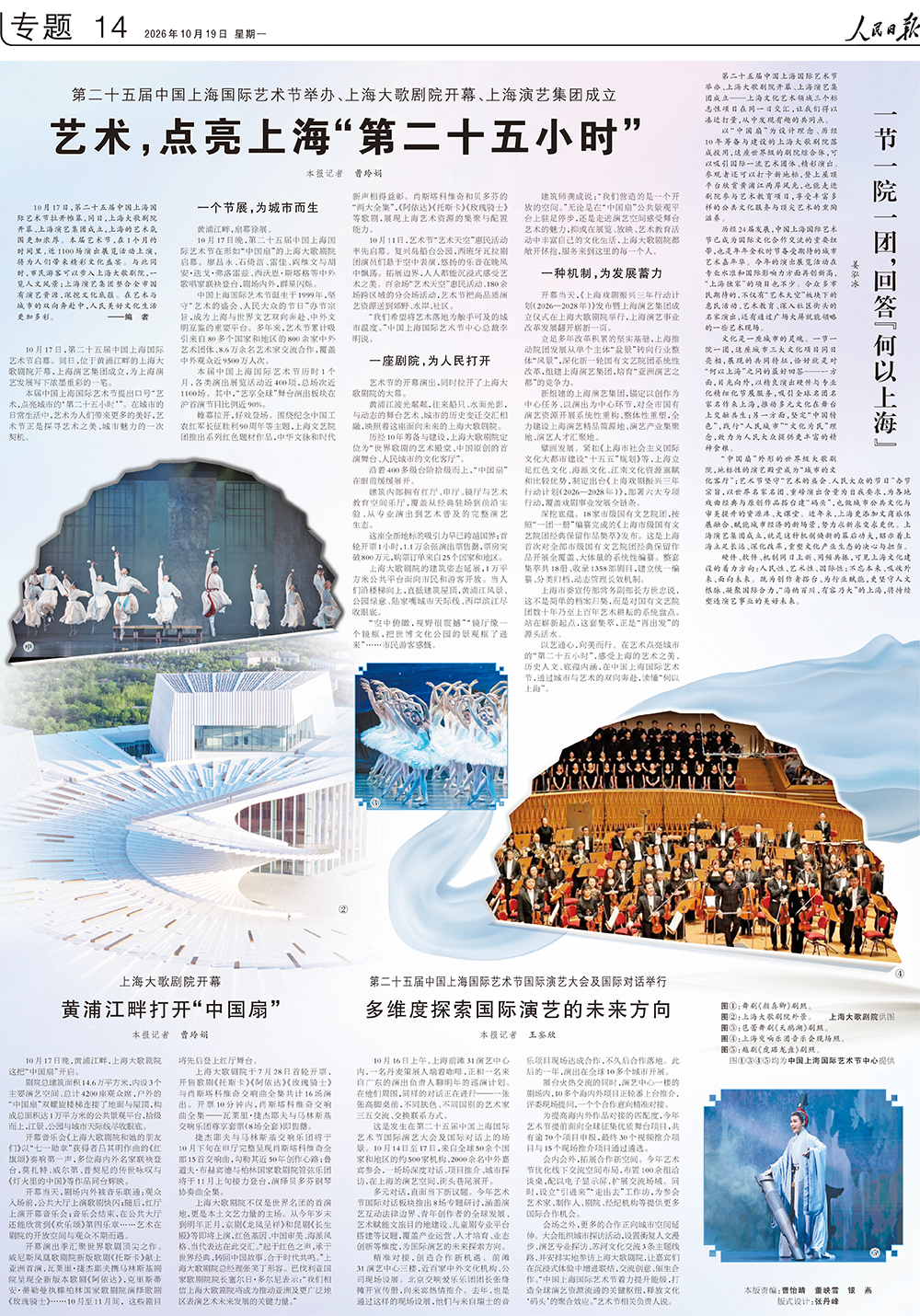
Shanghai's Cultural Renaissance: Festival, Theater, and Consortium Illuminate the City's Artistic Future
Exploring how Shanghai's 25th International Arts Festival, Grand Theater, and Performing Arts Consortium are transforming the city into a global cultural hub through innovative programming and accessible art experiences.
Netflix cuts 1,000 jobs as streaming growth slows and competition intensifies
Netflix lays off 6% of its workforce amid stagnating viewership and the rise of competitors like Skydance and YouTube.

U.S. Loosens Fuel Economy Rules: Boost for V-8 Engines and Pickup Trucks
The U.S. lowers fuel economy targets to 34.9 mpg by 2031. Automakers see a financial tailwind, leading to a resurgence of V-8 engines and a shift away from compliance-focused EV investments.

Noah Adams: NPR Icon And Voice For Rural America
Explore the legacy of NPR's Noah Adams, a master storyteller who captured the soul of rural America and shaped public radio journalism for decades.

Social Security Benefits Boost, Russia-Ukraine War Updates, And Global Geopolitical Shifts
Explore the latest Social Security increase, the strategic implications of Russia's Starshield, and the Houthis' attack on Aramco in this comprehensive global analysis.

COP17: Critical Moment for Biodiversity Framework Implementation
As the Kunming-Montreal Global Biodiversity Framework faces implementation challenges, COP17 must deliver concrete solutions to address funding gaps, subsidy reforms, and global cooperation.
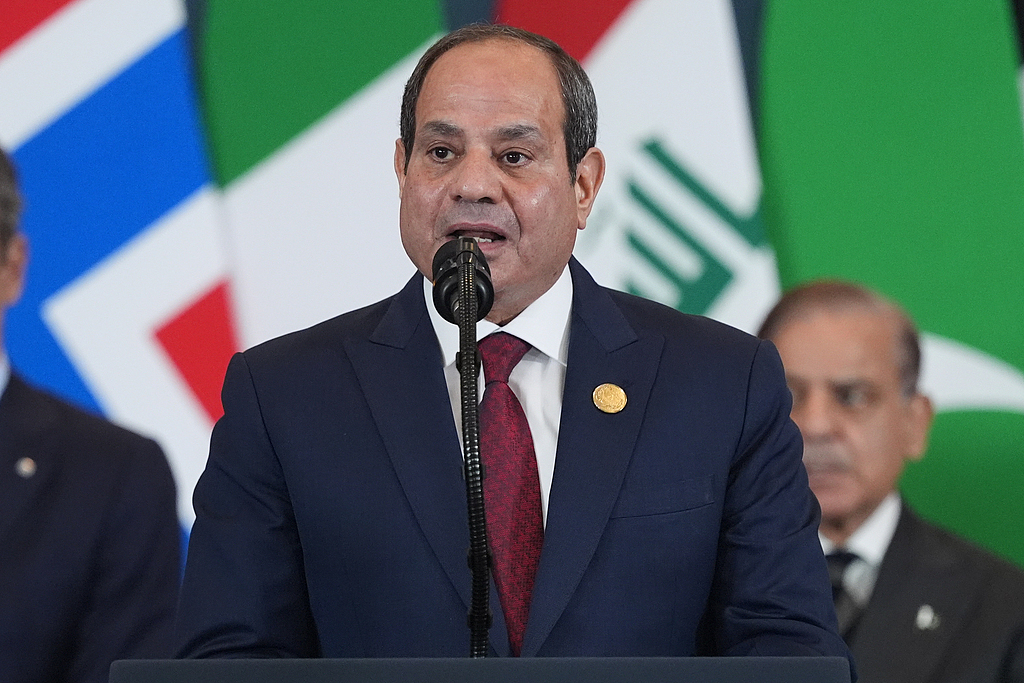
Iran's Deep Involvement in Yemen Conflict and Egypt's Potential Military Intervention
Saudi Arabia faces critical shortages in air defense due to Houthi attacks, prompting urgent requests for help. Reports reveal Iran's intelligence support for Houthi strikes, while Egypt prepares to defend Saudi sovereignty.
Latest Articles
- Haze from Kalimantan Forest Fires Reaches Jakarta Sky
- France Protests 2026: Mass Demonstrations Over Living Costs and Education
- Trump Signs Executive Order to Waive Key Sanctions on Russia Amid Energy Crisis
- LDP Senior Official Visits Yasukuni Shrine Amid Rising Regional Tensions
- Merck CEO: Cancer Vaccine Production Timeline to Shorten
- Porsche Unveils Mission S Concept: New Flagship Design Direction