THC Drink Ban Delayed Again: What It Means for the Hemp Industry
Congress delays hemp-derived THC drink ban again, extending the deadline to December. Explore the booming market, industry concerns, and what lies ahead.
Source: CNBC
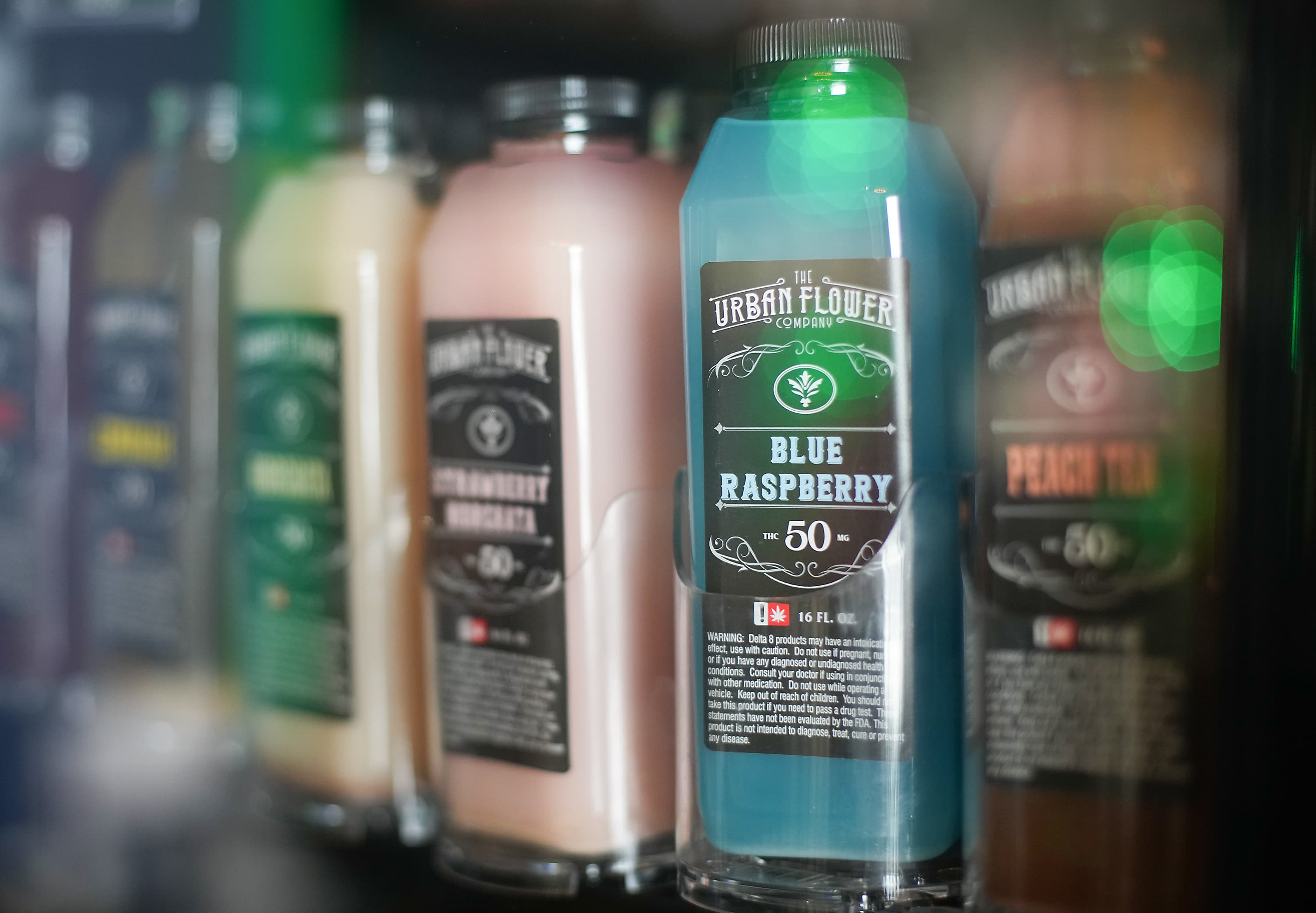
The hemp-derived THC beverage market is booming, with sales skyrocketing 135% in the past year. But the industry's future hangs in the balance as Congress repeatedly delays a potential federal ban. For consumers like Erica Fabian, whose husband is a retired Navy SEAL with PTSD, these drinks have been a game-changer—an alcohol alternative that offers relief without the negative health effects of drinking. Yet, with each legislative delay, businesses face uncertainty, and the threat of a ban looms large. As the debate over regulation versus prohibition intensifies, stakeholders are left wondering: what's next for this nascent industry?
Key Points
- Congressional Delay: The House passed a stopgap spending measure that pushes back new federal restrictions on hemp-derived THC products from November 12 to December 11. This is the second delay, following a November 2025 measure that initially set a compliance deadline. The extension gives the hemp industry another month to lobby for a regulatory framework that allows continued sales.
- Market Boom: THC beverages generated $239 million in U.S. retail sales in the 52 weeks through April, up 135% year-over-year, according to NielsenIQ. The data tracked over 1,170 products from more than 200 brands, highlighting the rapid growth and consumer demand.
- Industry Impact: Despite record sales to retailers, distributors are pulling back due to the threat of a ban. Jake Bullock, CEO of Cann, the top-selling THC drink at Target, noted that wholesalers are hesitant to stock up, fearing they'll be left with unsellable inventory. This has created a supply chain bottleneck.
- Layoffs and Uncertainty: Joe Gerrity, CEO of Crescent Canna, said his company has already laid off half its employees because of congressional inaction. He criticized Congress for creating a problem and then taking a month to solve it, while small businesses suffer the consequences.
- Regulatory Challenges: Critics in Congress, led by Rep. Andy Harris, R-Md., argue that intoxicating hemp products are unregulated and pose risks to children. The debate extends beyond beverages to inhalable products and high-potency candies, with concerns about lack of THC caps and testing requirements.
- Industry's Stance: The beverage industry isn't advocating for a regulatory vacuum but rather for rules similar to those governing alcohol. Bullock emphasized that Congress is "not worried" about low-dose THC drinks, and the industry is winning the argument against an outright ban.
- Consumer Perspective: For users like Fabian, these beverages offer a responsible alternative to alcohol, especially for those with health concerns or PTSD. She believes regulation is the right path if done responsibly.
Deep Dive Analysis
The repeated delays by Congress reflect a broader societal and political struggle to reconcile the growing acceptance of cannabis products with federal laws that still classify them as illegal. The 2018 Farm Bill inadvertently created a loophole by legalizing hemp-derived compounds, including delta-8 THC, which is psychoactive. This has allowed a multibillion-dollar industry to flourish, but without clear regulatory oversight.
The stakes are high: the market for THC beverages is not just a niche; it's a rapidly expanding sector that challenges traditional alcohol and cannabis markets. The 135% sales surge indicates a strong consumer shift toward healthier alternatives, particularly among those seeking to reduce alcohol intake. However, the lack of federal regulation creates a risky environment for both businesses and consumers. Companies like Cann are betting on eventual regulation, but the uncertainty is forcing them to make difficult decisions about inventory and staffing.
From a policy perspective, the delay is a double-edged sword. On one hand, it provides a temporary reprieve for businesses, allowing them to continue operations. On the other, it prolongs the uncertainty, making long-term planning nearly impossible. The industry's argument for regulation akin to alcohol is compelling—it would establish safety standards, testing requirements, and age restrictions, addressing many of the concerns raised by opponents. However, the political landscape remains polarized, with some lawmakers advocating for a complete ban based on safety concerns.
Looking ahead, the December deadline will be crucial. If Congress fails to reach a consensus, the industry could face a sudden and disruptive ban, leading to massive inventory write-offs and job losses. Conversely, a regulatory framework could legitimize the industry, attracting investment and fostering innovation. The outcome will likely set a precedent for how other hemp-derived products, such as delta-8 and delta-10, are handled. As the debate continues, one thing is clear: the hemp beverage industry is at a crossroads, and the decisions made in the coming months will shape its future for years to come.
Frequently Asked Questions
Q: Are THC drinks legal right now? A: Yes, they are currently legal due to the 2018 Farm Bill loophole, and Congress has delayed new restrictions until December 11. However, this could change if a ban is enacted.
Q: What are the main concerns about THC beverages? A: Critics worry about the lack of regulation, potential risks to children, and the absence of THC caps and testing requirements. The industry argues for regulation similar to alcohol to ensure safety and quality.
Q: How might a ban affect consumers? A: A ban would make these products harder to find, potentially driving consumers back to alcohol or unregulated sources. It could also impact those who rely on THC drinks for wellness or therapeutic reasons, like PTSD relief.
Source: https://www.cnbc.com/2026/09/04/thc-drinks-congress-hemp-ban.html
Related posts
Shanghai's Cultural Renaissance: Festival, Theater, and Consortium Illuminate the City's Artistic Future
Exploring how Shanghai's 25th International Arts Festival, Grand Theater, and Performing Arts Consortium are transforming the city into a global cultural hub through innovative programming and accessible art experiences.
Japan's High-profile Yasukuni Shrine Visit: A Challenge to Post-War Order
Prime Minister Sanae Takaichi and over 70 lawmakers attend the autumn festival, provoking international condemnation.
Netflix cuts 1,000 jobs as streaming growth slows and competition intensifies
Netflix lays off 6% of its workforce amid stagnating viewership and the rise of competitors like Skydance and YouTube.
U.S. Loosens Fuel Economy Rules: Boost for V-8 Engines and Pickup Trucks
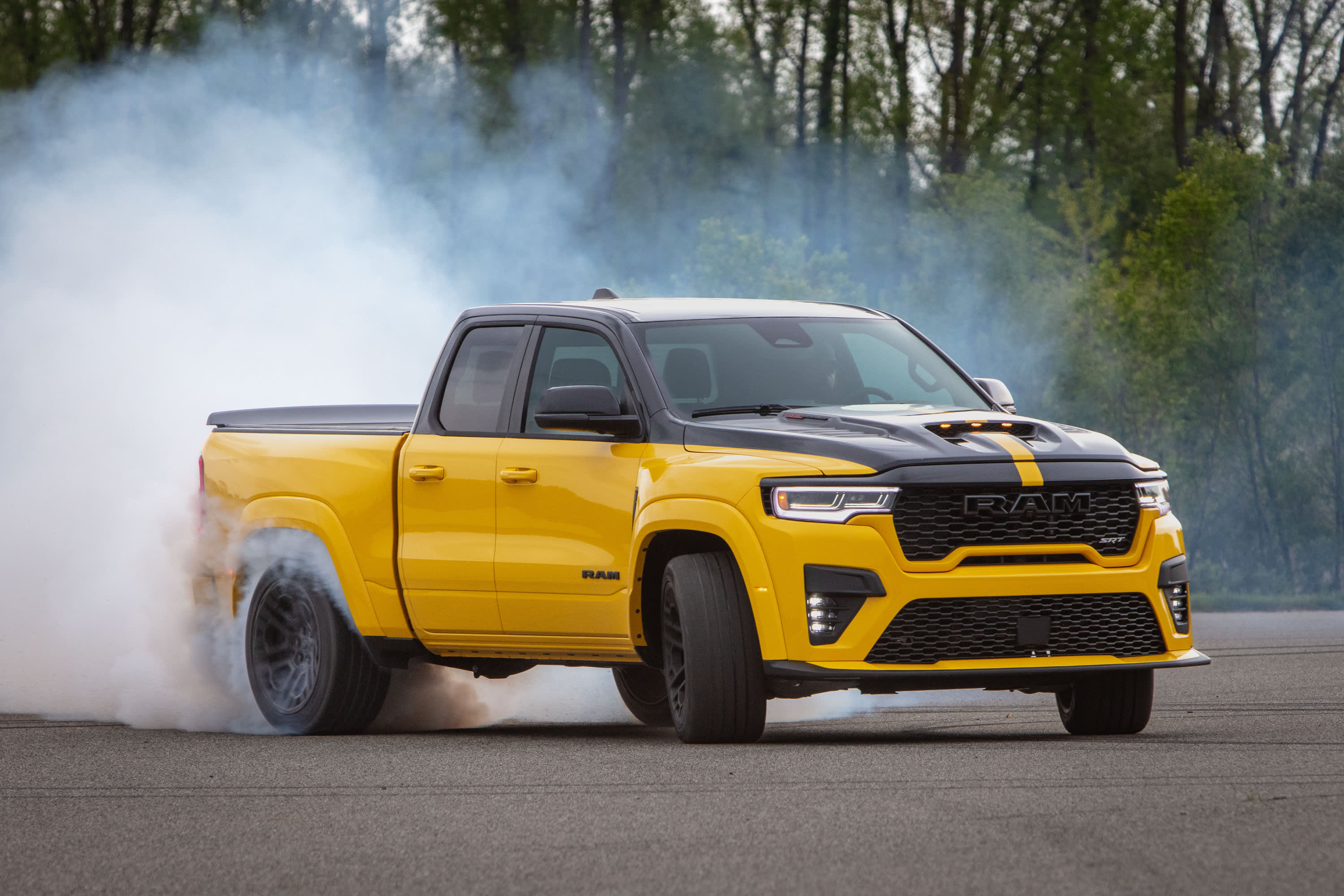
The U.S. lowers fuel economy targets to 34.9 mpg by 2031. Automakers see a financial tailwind, leading to a resurgence of V-8 engines and a shift away from compliance-focused EV investments.

Noah Adams: NPR Icon And Voice For Rural America
Explore the legacy of NPR's Noah Adams, a master storyteller who captured the soul of rural America and shaped public radio journalism for decades.

Social Security Benefits Boost, Russia-Ukraine War Updates, And Global Geopolitical Shifts
Explore the latest Social Security increase, the strategic implications of Russia's Starshield, and the Houthis' attack on Aramco in this comprehensive global analysis.

COP17: Critical Moment for Biodiversity Framework Implementation
As the Kunming-Montreal Global Biodiversity Framework faces implementation challenges, COP17 must deliver concrete solutions to address funding gaps, subsidy reforms, and global cooperation.
Iran's Deep Involvement in Yemen Conflict and Egypt's Potential Military Intervention
Saudi Arabia faces critical shortages in air defense due to Houthi attacks, prompting urgent requests for help. Reports reveal Iran's intelligence support for Houthi strikes, while Egypt prepares to defend Saudi sovereignty.
Latest Articles
- Haze from Kalimantan Forest Fires Reaches Jakarta Sky
- France Protests 2026: Mass Demonstrations Over Living Costs and Education
- Trump Signs Executive Order to Waive Key Sanctions on Russia Amid Energy Crisis
- LDP Senior Official Visits Yasukuni Shrine Amid Rising Regional Tensions
- Merck CEO: Cancer Vaccine Production Timeline to Shorten
- Porsche Unveils Mission S Concept: New Flagship Design Direction