Vance Steps In as White House Press Briefing Host, Sparking Role Confusion
VP Vance fields questions at a White House press briefing, prompting queries about his role. Insights on the vacancy left by Karoline Leavitt and what it means for the Trump administration.
Source: thepaper.cn
When Vice President JD Vance walked to the podium at the White House press briefing on September 3, 2026, he wasn't just answering questions about foreign policy—he was also fielding pointed queries about his own job title. With the departure of Press Secretary Karoline Leavitt at the end of August, the briefing room has been without its usual anchor. Vance's appearance, the first by a cabinet-level official in over 40 days, raised eyebrows and sparked speculation: Is the Vice President now doubling as the White House Press Secretary?
The briefing, which began at 1 PM, covered a wide range of topics, from the economy to the Iran wedding attack investigation, and even Vance's personal weight loss journey. But the most memorable moment came when a reporter directly asked, "Are we addressing the Vice President or the White House Press Secretary?" Vance's witty response—joking that he'd have to "mess up" to avoid getting the full-time job—highlighted the unusual situation. This incident underscores a broader trend of high-ranking officials stepping in to fill communication gaps, raising questions about the administration's messaging strategy.
Key Points
-
Vance's Role Clarification: Vance explicitly stated he was acting as Vice President, not as Press Secretary, and that he had no other job assignments. However, his quip about Trump wishing him luck "arguing with the press" and the possibility of earning the full-time role added ambiguity.
-
Context of the Vacancy: The briefing was the first since Karoline Leavitt's resignation in late August for family reasons. Trump has not yet named a successor, leaving a leadership void in the White House communications team.
-
Previous Stints: Vance has filled in before, notably during Leavitt's maternity leave earlier this year. He even joked then that Leavitt could serve as Vice President while he took paternity leave in July.
-
Potential Candidates: Names like Deputy Press Secretary Anna Kelly, Communications Director Steven Cheung, and conservative podcaster Katie Miller have been floated as possible successors, but no official announcement has been made.
-
Strategic Delay: Some reports suggest Trump may intentionally delay appointing a permanent press secretary until after the midterm elections, relying on senior officials like Vance to handle briefings intermittently.
Media Reaction: The press corps' focus on Vance's role, rather than the substantive issues discussed, indicates a broader concern about transparency and the administration's communication approach.
In-Depth Analysis
This incident is more than a momentary confusion; it reflects a deliberate or haphazard approach to White House communications. By having the Vice President step in, the administration signals that the press briefing is not a priority, or that they prefer high-level surrogates to control the narrative. Vance's performance, which mixed policy answers with personal anecdotes, suggests a strategic effort to humanize the administration while maintaining control. However, the lack of a dedicated press secretary could lead to inconsistent messaging, especially during a period of heightened geopolitical tensions, such as the ongoing Iran situation and the upcoming midterm elections. Historically, the press secretary role is crucial for establishing a consistent line of communication with the media and the public. Leaving it vacant, even temporarily, risks creating information vacuums that can be filled by speculation and rumor. Moreover, Vance's dual role as Vice President and occasional briefing host blurs the lines between executive governance and media relations, potentially undermining the credibility of both positions. Looking ahead, the administration may continue this pattern, using senior officials as needed, but this could backfire if the press and public perceive it as evasive or dismissive of the Fourth Estate's role.
Frequently Asked Questions
Is JD Vance officially the new White House Press Secretary? No, Vance has clarified that he is serving as Vice President and has not been appointed to the press secretary role. He was temporarily filling in for the briefing, and the position remains vacant.
Why hasn't President Trump named a permanent press secretary yet? The delay could be strategic, possibly to avoid a confirmation battle or to keep options open until after the midterm elections. It may also reflect a preference for using senior officials like Vance to communicate directly with the press.
What does this mean for the administration's communication strategy? Having a high-ranking official like the Vice President conduct briefings can lend more authority to statements, but it also risks overburdening officials and creating inconsistencies. The lack of a dedicated press secretary may lead to fewer briefings and less direct engagement with the media.
Source: https://www.thepaper.cn/newsDetail_forward_34006882
Related posts
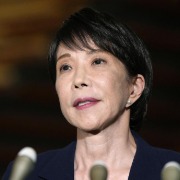
Japan's High-profile Yasukuni Shrine Visit: A Challenge to Post-War Order
Prime Minister Sanae Takaichi and over 70 lawmakers attend the autumn festival, provoking international condemnation.
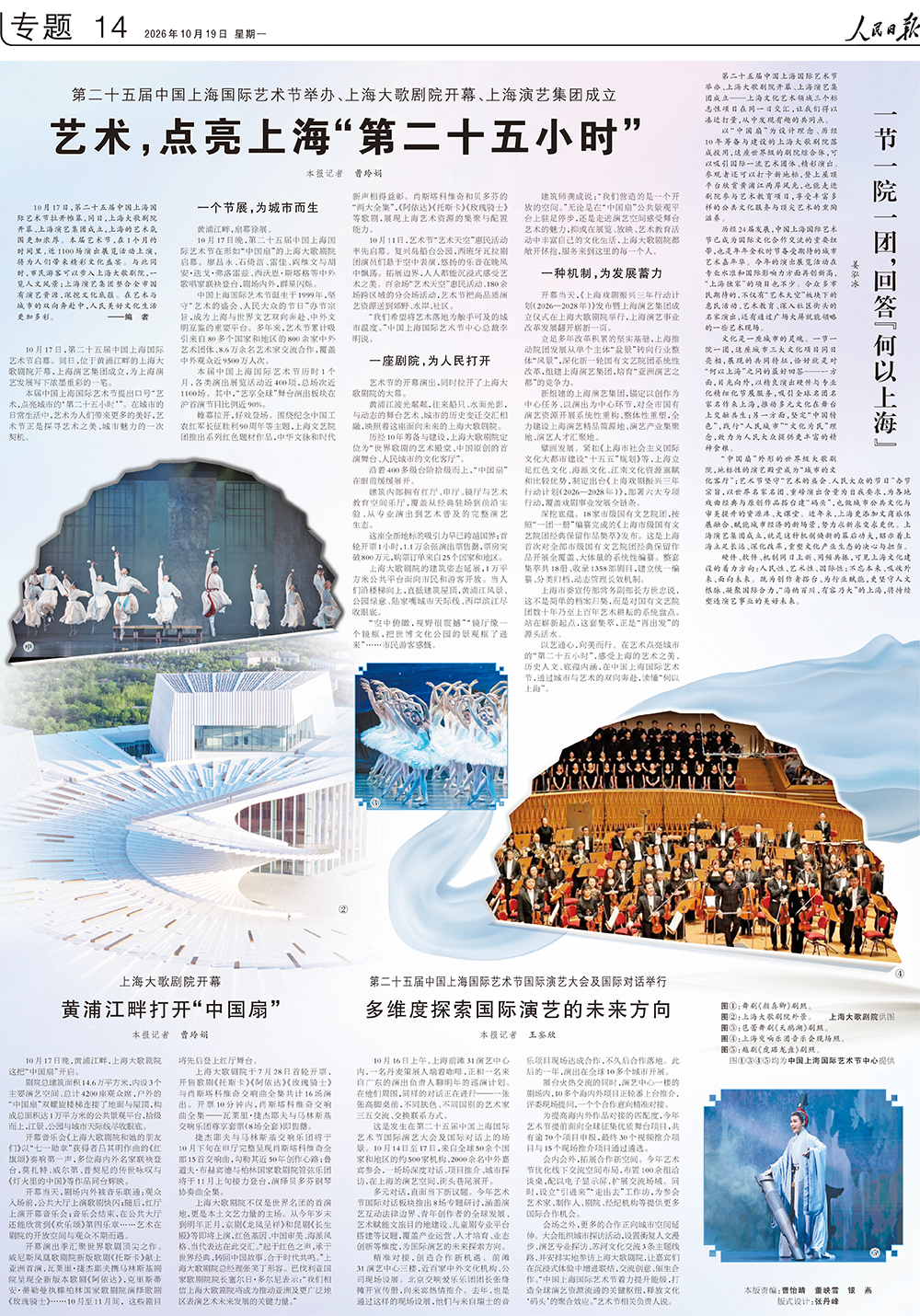
Shanghai's Cultural Renaissance: Festival, Theater, and Consortium Illuminate the City's Artistic Future
Exploring how Shanghai's 25th International Arts Festival, Grand Theater, and Performing Arts Consortium are transforming the city into a global cultural hub through innovative programming and accessible art experiences.
Netflix cuts 1,000 jobs as streaming growth slows and competition intensifies
Netflix lays off 6% of its workforce amid stagnating viewership and the rise of competitors like Skydance and YouTube.
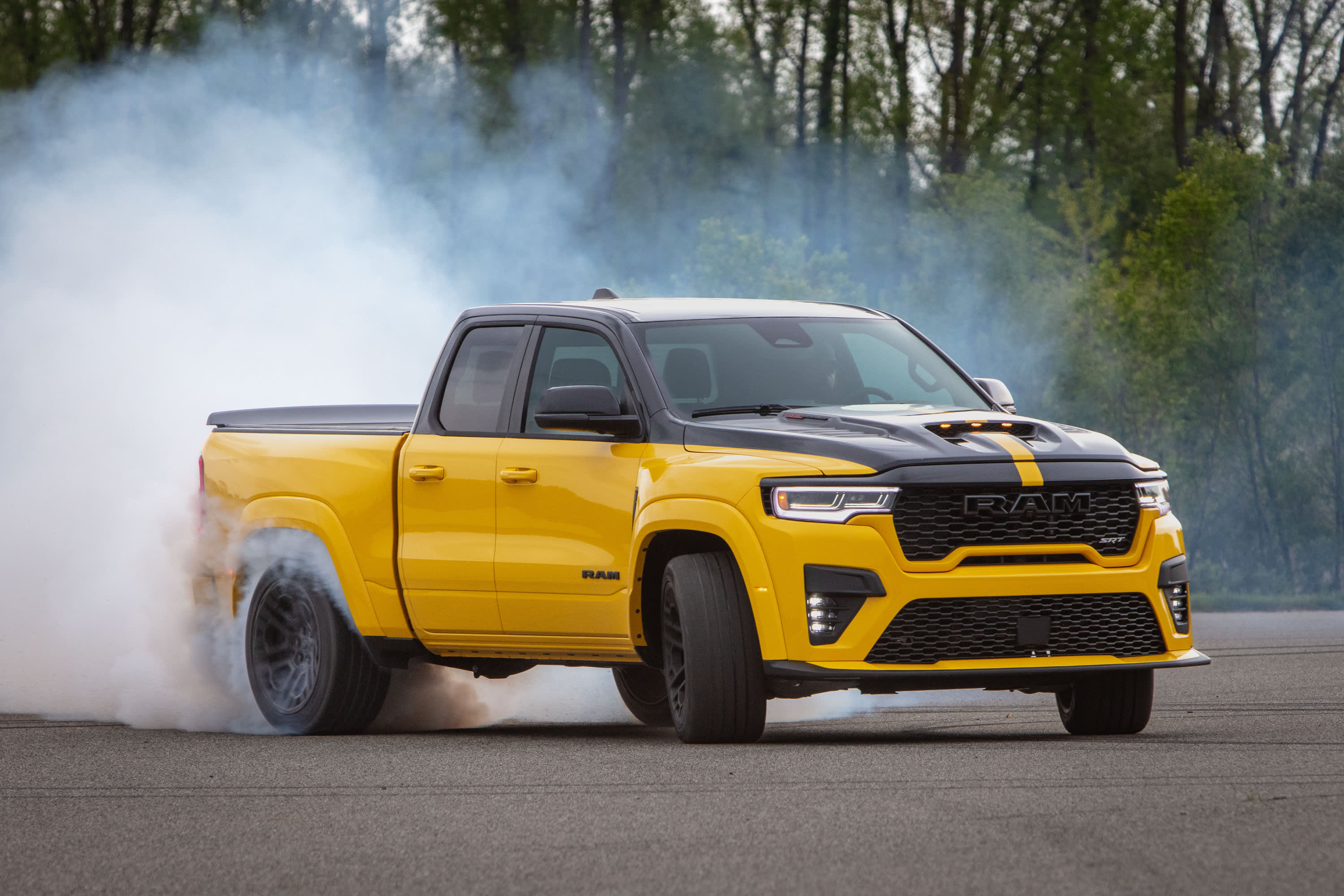
U.S. Loosens Fuel Economy Rules: Boost for V-8 Engines and Pickup Trucks
The U.S. lowers fuel economy targets to 34.9 mpg by 2031. Automakers see a financial tailwind, leading to a resurgence of V-8 engines and a shift away from compliance-focused EV investments.

Noah Adams: NPR Icon And Voice For Rural America
Explore the legacy of NPR's Noah Adams, a master storyteller who captured the soul of rural America and shaped public radio journalism for decades.

Social Security Benefits Boost, Russia-Ukraine War Updates, And Global Geopolitical Shifts
Explore the latest Social Security increase, the strategic implications of Russia's Starshield, and the Houthis' attack on Aramco in this comprehensive global analysis.
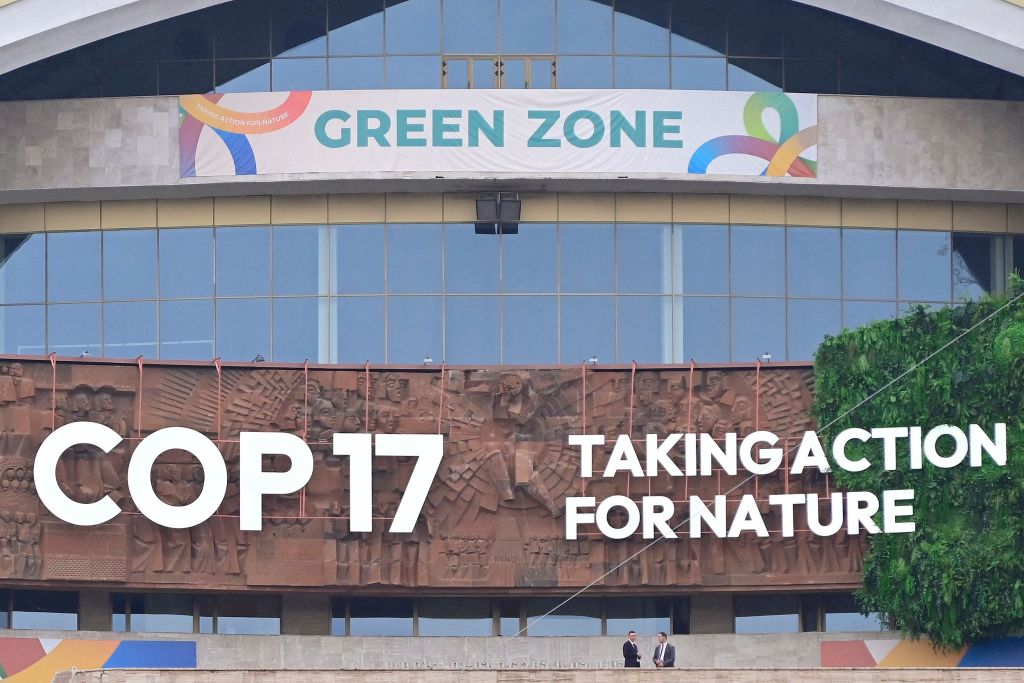
COP17: Critical Moment for Biodiversity Framework Implementation
As the Kunming-Montreal Global Biodiversity Framework faces implementation challenges, COP17 must deliver concrete solutions to address funding gaps, subsidy reforms, and global cooperation.
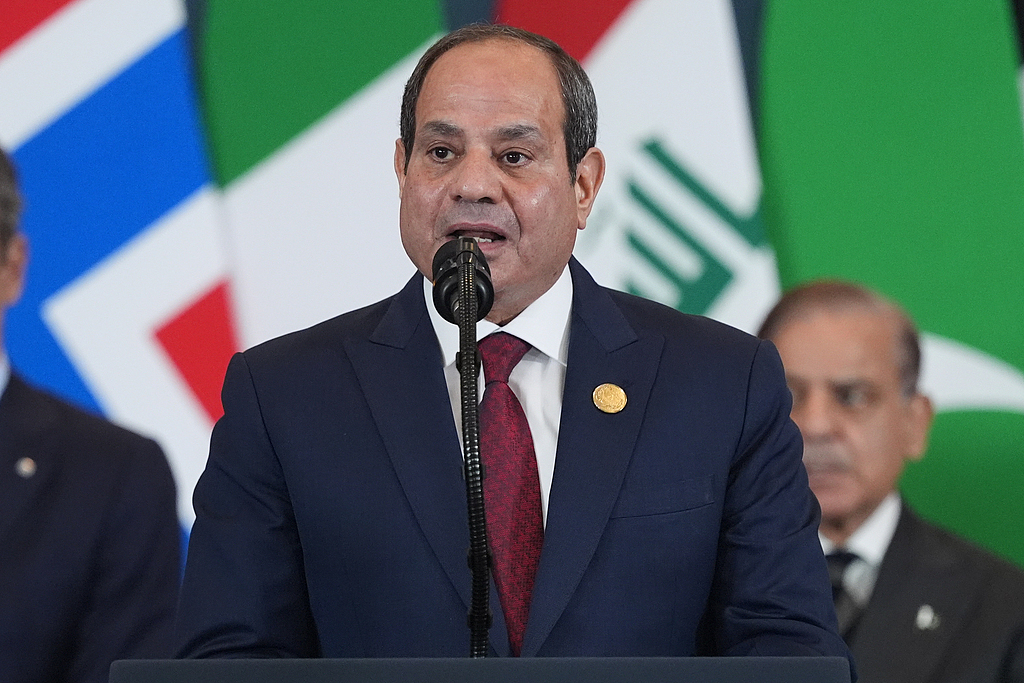
Iran's Deep Involvement in Yemen Conflict and Egypt's Potential Military Intervention
Saudi Arabia faces critical shortages in air defense due to Houthi attacks, prompting urgent requests for help. Reports reveal Iran's intelligence support for Houthi strikes, while Egypt prepares to defend Saudi sovereignty.
Latest Articles
- Haze from Kalimantan Forest Fires Reaches Jakarta Sky
- France Protests 2026: Mass Demonstrations Over Living Costs and Education
- Trump Signs Executive Order to Waive Key Sanctions on Russia Amid Energy Crisis
- LDP Senior Official Visits Yasukuni Shrine Amid Rising Regional Tensions
- Merck CEO: Cancer Vaccine Production Timeline to Shorten
- Porsche Unveils Mission S Concept: New Flagship Design Direction