Israel's '7-Year Clearance' Plan for Gaza: Coercive Transfer or Voluntary Migration?
Israel's far-right minister proposes relocating 1.86 million Palestinians from Gaza over 7 years. Legal experts call it forced transfer, a war crime under Geneva Conventions.
Source: thepaper.cn
In a move that has drawn international condemnation, Israel's National Security Minister Itamar Ben-Gvir has unveiled a plan to relocate the majority of Gaza's Palestinian population within seven years, framing it as 'voluntary migration.' The proposal, dubbed the '710 Disengagement Plan,' sets a timeline for up to 186,000 Palestinians to leave the enclave annually, with a total of 1.86 million over the period. While Ben-Gvir insists it is voluntary, legal experts and humanitarian organizations argue that given the dire conditions in Gaza and the minister's stated intent to 'clear' the territory, the plan amounts to forced displacement—a violation of the Fourth Geneva Convention.
This development comes amid an ongoing conflict and a fragile ceasefire, with Israeli elections scheduled for October 27. Ben-Gvir's plan is likely to shape the political discourse, but its feasibility and legality remain highly questionable.
Key Points
-
The Plan's Scope and Timeline: The '710 Disengagement Plan' targets approximately 2 million residents of Gaza, with a phased approach: 250,000 in the first year, 1.11 million by year three, and 1.86 million by year seven. Each 'migrant' would receive a resettlement package including travel subsidies, initial housing, job assistance, and up to 24 months of living support.
-
Financial Commitments: Israel would initially invest 10 billion shekels (about $3 billion), with an additional 50 billion shekels (up to $15 billion) contingent on international participation. This suggests Israel anticipates external funding, possibly from like-minded nations.
-
Ben-Gvir's Justification: The minister stated, 'This is realistic. What we need now is not illusions of peace, but migration action. Instead of digging tunnels, they should pack their bags and leave.' He claimed some countries are 'willing to receive' Palestinians and that 'many people want to emigrate.'
-
Potential Host Countries: The plan lists Turkey, Ethiopia, Congo, and several Arab nations as possible destinations. However, Israeli media reports indicate no country has yet agreed to accept a large influx of Gazans.
-
Political Context: Ben-Gvir, leader of the far-right Jewish Power party, aims to make this plan a central pillar of his election campaign and a condition for joining any future coalition. His recent inflammatory remarks, including suggesting 'targeted killings' in Gaza, have sparked outrage.
-
Legal Implications: Under the Geneva Conventions and customary international humanitarian law, compelling civilians to leave occupied territory is a war crime. The plan's 'voluntary' label is widely seen as a euphemism, given the coercive environment.
International Precedents: In February 2025, former U.S. President Donald Trump proposed relocating Gaza's population, but faced backlash. The October 2025 Gaza peace initiative explicitly rejected forced transfer. However, Israeli Defense Minister Israel Katz recently suggested Trump's plan is merely 'frozen,' not abandoned.
In-Depth Analysis
The '710 Disengagement Plan' represents a radical escalation in Israeli policy discourse, moving from sporadic calls for 'voluntary emigration' to a systematic, funded program with explicit targets. Its timing—just weeks before elections—suggests it is primarily a political maneuver to rally far-right voters, but its implications are grave. If implemented, it would fundamentally alter the demographics of Gaza, potentially creating a permanent refugee crisis and destabilizing the region.
Legally, the plan is on shaky ground. The Fourth Geneva Convention prohibits the forcible transfer of protected persons, and the International Criminal Court has previously indicated that such actions constitute war crimes. Even if framed as 'voluntary,' the reality is that Palestinians in Gaza face extreme hardship—bombardment, displacement, and a blockade—making any 'choice' to leave inherently coerced.
Moreover, the plan's feasibility is doubtful. No country has stepped forward to accept large numbers of Gazans, and Arab nations, in particular, have rejected any scheme that would undermine Palestinian statehood. The financial burden is also significant, and it is unclear whether Israel can sustain such an investment amid its own economic challenges.
Looking ahead, the plan could further erode the prospects for a two-state solution and inflame regional tensions. It also risks legitimizing ethnic cleansing in the eyes of some, while galvanizing opposition among human rights groups and the international community. The upcoming Israeli election will be a litmus test: if Ben-Gvir's party gains strength, his plan may gain traction, but any attempt to implement it would likely face unprecedented legal and diplomatic repercussions.
Frequently Asked Questions
Is the plan legally binding? No, it is a proposal by a government minister, not yet official policy. It would require cabinet approval and likely face legal challenges in Israeli courts, which have previously ruled on the illegality of certain settlement activities.
How has the international community reacted? The plan has been widely condemned by human rights organizations, the United Nations, and many governments, who view it as a violation of international law. The United States, under the current administration, has not endorsed it, and the European Union has expressed deep concern.
What does this mean for the ceasefire and peace talks? The plan could undermine the fragile ceasefire and peace negotiations, as it raises fundamental questions about the future of Gaza and the rights of Palestinians. It may also embolden hardline factions on both sides, making a sustainable peace more elusive.
Source: https://www.thepaper.cn/newsDetail_forward_34006519
Related posts

Japan's High-profile Yasukuni Shrine Visit: A Challenge to Post-War Order
Prime Minister Sanae Takaichi and over 70 lawmakers attend the autumn festival, provoking international condemnation.

Shanghai's Cultural Renaissance: Festival, Theater, and Consortium Illuminate the City's Artistic Future
Exploring how Shanghai's 25th International Arts Festival, Grand Theater, and Performing Arts Consortium are transforming the city into a global cultural hub through innovative programming and accessible art experiences.

Netflix cuts 1,000 jobs as streaming growth slows and competition intensifies
Netflix lays off 6% of its workforce amid stagnating viewership and the rise of competitors like Skydance and YouTube.

U.S. Loosens Fuel Economy Rules: Boost for V-8 Engines and Pickup Trucks
The U.S. lowers fuel economy targets to 34.9 mpg by 2031. Automakers see a financial tailwind, leading to a resurgence of V-8 engines and a shift away from compliance-focused EV investments.

Noah Adams: NPR Icon And Voice For Rural America
Explore the legacy of NPR's Noah Adams, a master storyteller who captured the soul of rural America and shaped public radio journalism for decades.

Social Security Benefits Boost, Russia-Ukraine War Updates, And Global Geopolitical Shifts
Explore the latest Social Security increase, the strategic implications of Russia's Starshield, and the Houthis' attack on Aramco in this comprehensive global analysis.

COP17: Critical Moment for Biodiversity Framework Implementation
As the Kunming-Montreal Global Biodiversity Framework faces implementation challenges, COP17 must deliver concrete solutions to address funding gaps, subsidy reforms, and global cooperation.
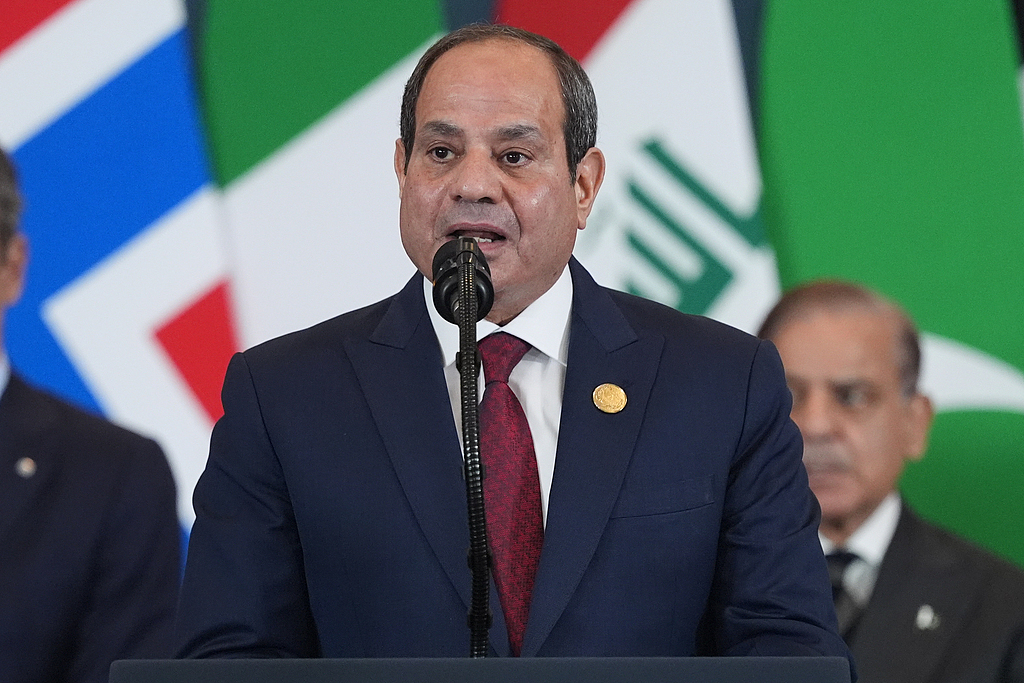
Iran's Deep Involvement in Yemen Conflict and Egypt's Potential Military Intervention
Saudi Arabia faces critical shortages in air defense due to Houthi attacks, prompting urgent requests for help. Reports reveal Iran's intelligence support for Houthi strikes, while Egypt prepares to defend Saudi sovereignty.
Latest Articles
- Haze from Kalimantan Forest Fires Reaches Jakarta Sky
- France Protests 2026: Mass Demonstrations Over Living Costs and Education
- Trump Signs Executive Order to Waive Key Sanctions on Russia Amid Energy Crisis
- LDP Senior Official Visits Yasukuni Shrine Amid Rising Regional Tensions
- Merck CEO: Cancer Vaccine Production Timeline to Shorten
- Porsche Unveils Mission S Concept: New Flagship Design Direction