Gen Z Betting vs Investing: SNAP Soda Ban Impact & More
Explore how Gen Z blurs betting and investing, the surprising effects of SNAP soda bans, and the mystery of Wall Street's Charging Bull ownership.
Source: NPR
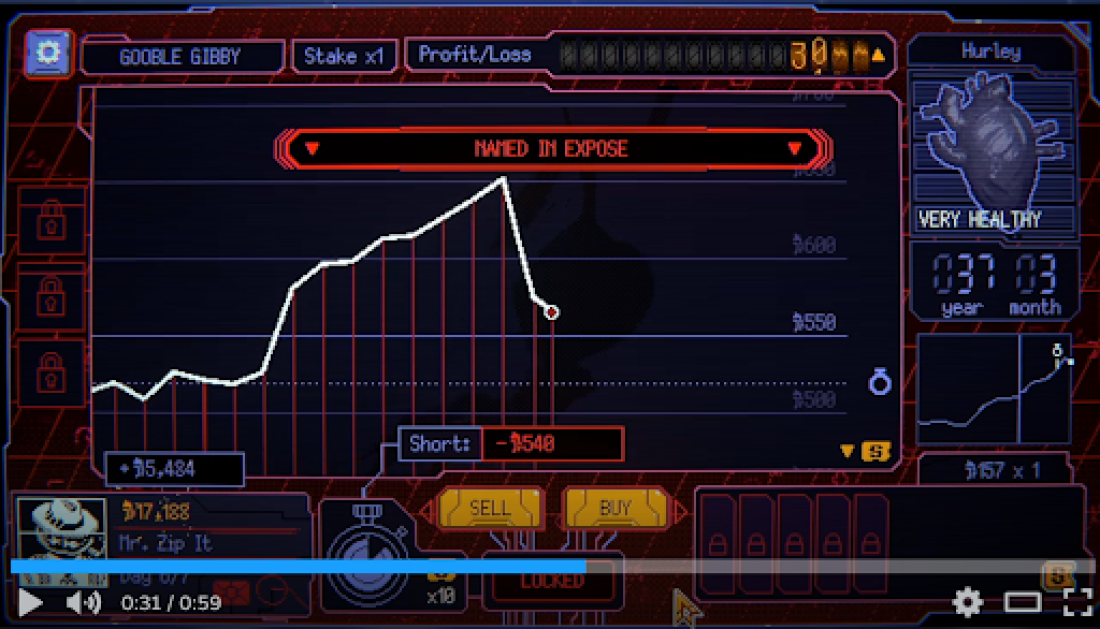
In a world where a video game lets you short a space baby's stock and sports betting ads flood every screen, the line between gambling and investing has never been blurrier—especially for Gen Z. Meanwhile, a new study reveals that restricting sugary drinks in SNAP actually changes consumption habits, and the ownership of Wall Street's iconic Charging Bull remains a mystery. These stories from NPR's Indicator newsletter highlight the quirky intersections of finance, policy, and culture that shape our economic reality.
Key Takeaways
-
SNAP soda bans reduce consumption: A University of Chicago working paper found that excluding sugary drinks from SNAP eligibility led to a 12.4% drop in purchases of those drinks in the first half of 2026. This challenges initial skepticism that recipients would simply use non-SNAP funds to buy soda. However, the health impact is modest—an average adult recipient would lose only 0.27 pounds and see a 2.5% reduction in diabetes risk over 10 years if all sugary drinks were excluded.
-
Partial bans cause substitution: In states with partial bans, recipients diverted up to 39% of excluded purchases to non-excluded items like energy drinks and fruit juices. This suggests that while the lever works, its effectiveness depends on the scope of the ban and the availability of substitutes.
-
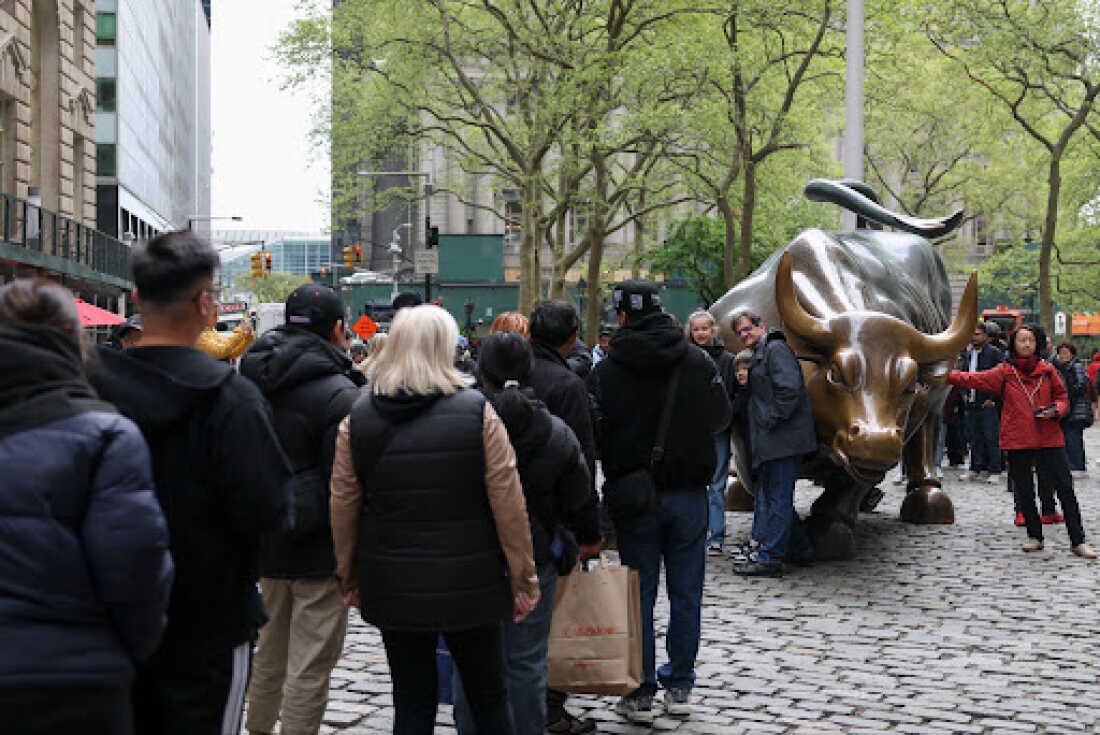
Charging Bull ownership unclear: The famous Wall Street statue, created by artist Arturo Di Modica, was sold to British billionaire Joe Lewis around 2004. However, Lewis's investment firm clarified that they own the original cast and reproduction rights, not the physical statue itself. The Downtown Alliance, a business improvement district, has been paying for its maintenance, including graffiti removal, despite no clear legal obligation.
-
Gen Z treats sports betting as investing: A new survey revealed that over half of Gen Z respondents have used money intended for investing in sports gambling within the past year. This blurring of lines is fueled by ubiquitous sportsbook advertising and the success stories of high-profile bettors like Barstool Sports' Dave Portnoy.
-
Gambling lobby's clever tactics: In Colorado, where lawmakers sought to limit addictive features of sports betting apps, the gambling industry used AI-generated, personalized emails to constituents, disguising them as genuine grassroots messages. State Senator Matt Ball described how the industry changed the email content each time to avoid detection, making it appear as if constituents were contacting their legislators organically.
-
Cocoa prices remain volatile: After peaking in 2025 due to supply issues in Ghana and Côte d'Ivoire, cocoa prices dropped by over 44% earlier this year before rising again. Côte d'Ivoire expects shipments to fall 18% this season, while Ghana's crop may decline by more than 30%. This volatility explains why chocolate chip prices vary so much by brand, as companies adjust recipes and sourcing strategies.

In-Depth Analysis
These stories reveal a broader trend: the gamification of finance and the increasing difficulty of distinguishing between speculation, betting, and investing. The popularity of games like Space Warlord Baby Trading Simulator, where players trade stocks based on simulated life events, mirrors the real-world appeal of sports betting to younger generations. This demographic, raised on mobile apps and instant gratification, sees little difference between buying a stock and placing a bet—both are just ways to make money on uncertain outcomes. The survey data showing that half of Gen Z respondents have diverted investment funds to sports gambling is alarming for financial literacy advocates, but it also reflects a systemic shift in how risk is perceived. The aggressive marketing by sportsbooks, combined with the success stories of big winners, creates a narrative that betting is a viable investment strategy. This blurring has policy implications: regulators may need to consider stricter advertising rules or educational campaigns to help young people understand the fundamental differences between investing (which creates value over time) and gambling (which transfers wealth based on chance). Meanwhile, the SNAP soda ban study offers a rare example of a policy lever that works, even if the health effects are small. It suggests that behavioral economics can influence consumption patterns, but only when the policy is comprehensive. The substitution effect seen in partial bans is a cautionary tale for policymakers who think a narrow approach will suffice. Finally, the Charging Bull ownership mystery highlights the complexities of public art and private property. The fact that a business improvement district pays for its upkeep without a clear owner underscores how public goods are often maintained through collective action, even when legal responsibility is ambiguous.
Frequently Asked Questions
Why is Gen Z more likely to gamble with investment money? Gen Z has grown up in an era of widespread sports betting legalization and aggressive marketing. They are also more accustomed to digital platforms where the line between trading and betting is blurred. The excitement of quick wins and the influence of social media personalities like Dave Portnoy make sports betting seem like a legitimate way to grow wealth, despite the higher risks.
Does the SNAP soda ban actually make people healthier? The study shows a reduction in sugary drink purchases, but the health impact is minimal—only a small weight loss and a slight decrease in diabetes risk over 10 years. The ban's effectiveness is also limited by substitution to other sugary or caffeinated beverages. So, while the policy changes behavior, it may not be enough to significantly improve public health without broader dietary interventions.
Who is responsible for maintaining the Charging Bull statue? It's unclear. The original creator sold the rights to British billionaire Joe Lewis, but he does not own the physical statue. The Downtown Alliance, a business improvement district funded by local property owners, has taken on the responsibility of cleaning and maintaining the statue, likely because it attracts foot traffic that benefits surrounding businesses.
Source: https://www.npr.org/2026/09/04/nx-s1-5955821/pulling-the-snap-lever-why-gen-zers-bet-invest-differently
Related posts

Japan's High-profile Yasukuni Shrine Visit: A Challenge to Post-War Order
Prime Minister Sanae Takaichi and over 70 lawmakers attend the autumn festival, provoking international condemnation.
Shanghai's Cultural Renaissance: Festival, Theater, and Consortium Illuminate the City's Artistic Future
Exploring how Shanghai's 25th International Arts Festival, Grand Theater, and Performing Arts Consortium are transforming the city into a global cultural hub through innovative programming and accessible art experiences.
Netflix cuts 1,000 jobs as streaming growth slows and competition intensifies
Netflix lays off 6% of its workforce amid stagnating viewership and the rise of competitors like Skydance and YouTube.

U.S. Loosens Fuel Economy Rules: Boost for V-8 Engines and Pickup Trucks
The U.S. lowers fuel economy targets to 34.9 mpg by 2031. Automakers see a financial tailwind, leading to a resurgence of V-8 engines and a shift away from compliance-focused EV investments.

Noah Adams: NPR Icon And Voice For Rural America
Explore the legacy of NPR's Noah Adams, a master storyteller who captured the soul of rural America and shaped public radio journalism for decades.

Social Security Benefits Boost, Russia-Ukraine War Updates, And Global Geopolitical Shifts
Explore the latest Social Security increase, the strategic implications of Russia's Starshield, and the Houthis' attack on Aramco in this comprehensive global analysis.
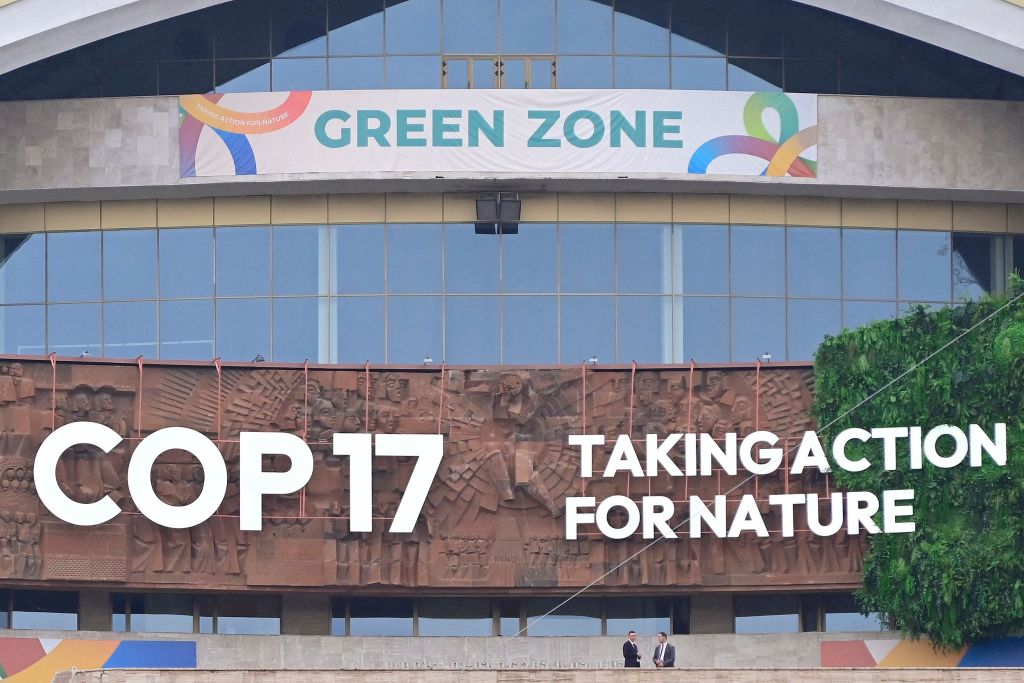
COP17: Critical Moment for Biodiversity Framework Implementation
As the Kunming-Montreal Global Biodiversity Framework faces implementation challenges, COP17 must deliver concrete solutions to address funding gaps, subsidy reforms, and global cooperation.
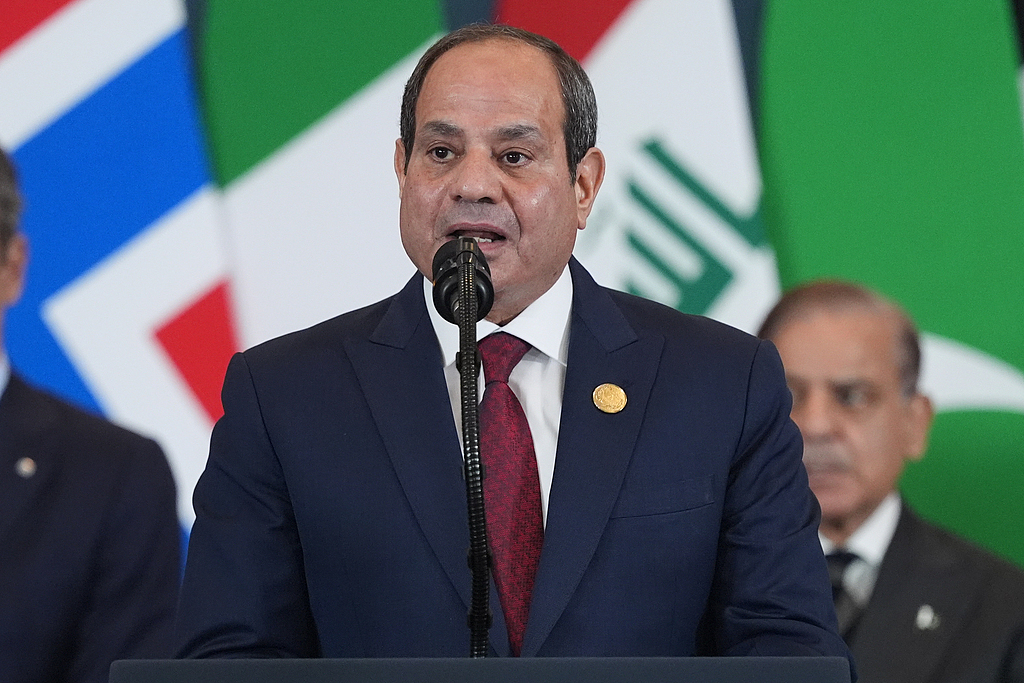
Iran's Deep Involvement in Yemen Conflict and Egypt's Potential Military Intervention
Saudi Arabia faces critical shortages in air defense due to Houthi attacks, prompting urgent requests for help. Reports reveal Iran's intelligence support for Houthi strikes, while Egypt prepares to defend Saudi sovereignty.
Latest Articles
- Haze from Kalimantan Forest Fires Reaches Jakarta Sky
- France Protests 2026: Mass Demonstrations Over Living Costs and Education
- Trump Signs Executive Order to Waive Key Sanctions on Russia Amid Energy Crisis
- LDP Senior Official Visits Yasukuni Shrine Amid Rising Regional Tensions
- Merck CEO: Cancer Vaccine Production Timeline to Shorten
- Porsche Unveils Mission S Concept: New Flagship Design Direction