Lego Hits Record First-Half Revenue, CEO Credits New Partnerships and Pricing Strategy
Lego reports record first-half revenue of $6.54B, up 21% YoY. CEO Niels Christiansen discusses growth drivers, including Pokemon and F1 partnerships, and strong sales across price points.
Source: CNBC
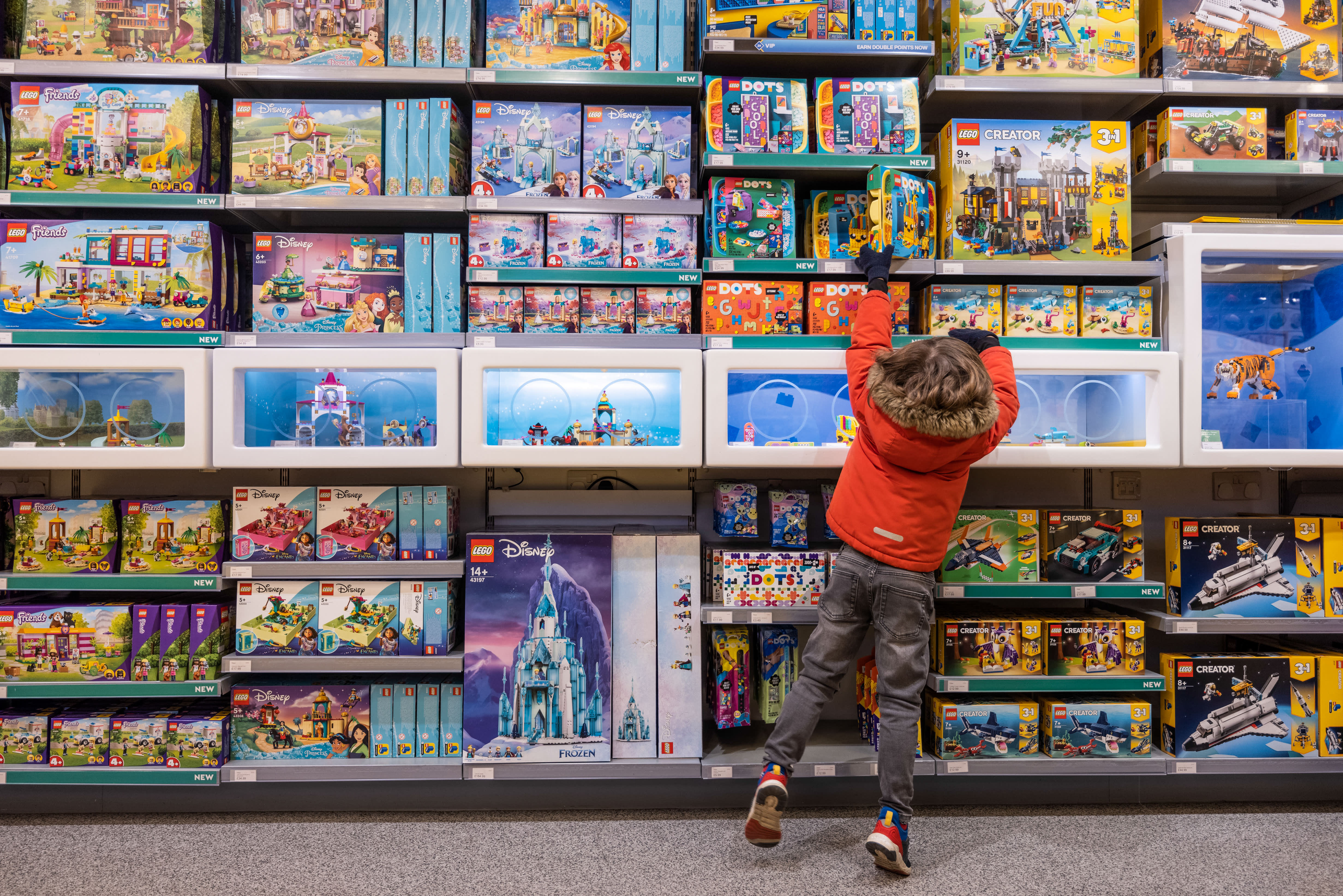
Lego has once again proven that the brick is mightier than the sword. In its latest earnings report, the Danish toymaker posted record first-half revenue of 41.9 billion Danish kroner (approximately $6.54 billion), a 21% increase year-over-year. Operating profit also surged 22% to 10.9 billion kroner (about $1.7 billion). The results underscore Lego's ability to innovate and expand its consumer base, even amid global economic uncertainty. With new product lines, strategic partnerships, and a focus on both children and adults, Lego is building a growth story that goes beyond simple playthings.
Key Highlights
-
Record Financial Performance: Lego's first-half revenue reached an all-time high of 41.9 billion DKK, with operating profit climbing to 10.9 billion DKK. This marks a continuation of strong growth, driven by both new and existing product lines.
-
New Partnerships Fueling Growth: The company launched its long-awaited Pokemon partnership and expanded its sports portfolio with F1 and FIFA collaborations. These partnerships are designed to attract consumers who may not have previously seen their interests reflected in Lego's traditional offerings.
-
Smart Play Platform: Lego introduced Smart Play, a technology that adds sensors to brick sets, enabling them to react to movement, play sounds, and light up. This innovation aims to modernize the building experience and appeal to tech-savvy kids and parents.
-
Digital and Physical Crossover: The ongoing partnership with Epic Games continues to bridge the digital and physical worlds, bringing Fortnite elements into Lego sets and vice versa. This strategy helps capture the attention of gamers and introduces them to the tactile joy of brick building.
-
Record Number of New Sets: In the first half of the year, Lego launched 332 new sets, another record high. This extensive catalog refresh keeps the brand fresh and provides something for every interest and skill level.
-
Diverse Pricing Strategy: Lego offers products across a wide price range, from a $30 Star Wars N-1 Starfighter set for kids to a more complex 2,000-piece version at $250. CEO Niels Christiansen notes that sales are strong at both ends of the spectrum, indicating broad consumer appeal.
-
Growing Consumer Base: Lego is seeing growth among both children and adults. Christiansen emphasized that the company's ability to cater to a wide demographic, rather than just a niche segment, has been crucial to its success.
In-Depth Analysis
Lego's record performance is not just a stroke of luck but a result of a carefully crafted strategy that combines innovation, nostalgia, and strategic partnerships. The company has managed to stay relevant in an increasingly digital world by embracing technology while maintaining the core appeal of physical building blocks. The Smart Play platform is a prime example of how Lego is evolving its product to meet the expectations of modern consumers who seek interactive and immersive experiences.
Moreover, Lego's partnership with Pokemon is a masterstroke, tapping into a massive global fanbase that spans generations. Similarly, the F1 and FIFA collaborations position Lego within the lucrative sports merchandise market, attracting enthusiasts who might not have considered Lego before. These partnerships serve as gateways, drawing in new consumers who, once they start building, often explore other parts of Lego's extensive portfolio.
The company's pricing strategy is another key differentiator. By offering products at various price points, Lego ensures that it is accessible to a wide range of consumers, from budget-conscious parents to adult collectors willing to spend hundreds on intricate sets. This dual approach helps mitigate risks associated with economic downturns, as consumers may trade down but still engage with the brand.
Looking ahead, Lego's focus on expanding its digital presence through partnerships like Epic Games positions it well for future growth. The blurring lines between physical and digital play offer opportunities for new revenue streams and deeper consumer engagement. However, challenges remain, including rising material costs and intense competition from other toy manufacturers and digital entertainment options. Nevertheless, Lego's ability to innovate and adapt suggests that its growth trajectory is likely to continue, making it a formidable player in the global toy industry.
FAQ
Why is Lego's partnership with Pokemon significant? The Pokemon franchise has a massive, loyal fanbase across all age groups. By collaborating with Pokemon, Lego taps into this existing passion, attracting consumers who may not have been drawn to traditional Lego themes. This partnership expands Lego's reach and helps recruit new builders.
How does Lego's pricing strategy benefit the company? Lego offers products at various price points, from affordable sets for children to premium, complex sets for adult collectors. This approach allows the company to cater to a broad demographic, ensuring that it can maintain sales even during economic uncertainty. Consumers at different income levels can find a Lego set that fits their budget.
What is Smart Play and how does it enhance the Lego experience? Smart Play is a new technology that integrates sensors into Lego brick sets. These sensors can react to movement, play sounds, and light up, creating a more interactive and dynamic building experience. This innovation modernizes the traditional Lego play pattern, appealing to tech-savvy children and parents who expect more from their toys.
Source: https://www.cnbc.com/2026/08/25/lego-first-half-2026-revenue.html
Related posts
Trump Signs Executive Order to Waive Key Sanctions on Russia Amid Energy Crisis
Trump administration exempts major parts of the Graham Bill, including 500% tariffs on Russian imports, to stabilize domestic fuel markets.

LDP Senior Official Visits Yasukuni Shrine Amid Rising Regional Tensions
Analysis of the recent high-profile visits to Yasukuni Shrine by Japanese LDP leadership, including Katsunobu Kato and Masako Okada, and their implications for regional diplomacy.
Merck CEO: Cancer Vaccine Production Timeline to Shorten
Merck and Moderna's personalized cancer vaccine is evolving. CEO Rob Davis discusses speeding up the six-week manufacturing process to reach more patients sooner.

Porsche Unveils Mission S Concept: New Flagship Design Direction
Porsche reveals Mission S concept car previewing new design language and positioning above iconic 911 as part of turnaround strategy.

AI Startup Bankruptcies: The Reverse Acquihire Trend Explained
Character.ai's bankruptcy reveals a troubling trend in the AI industry: 'reverse acquihires' by tech giants like Google. We analyze the financial and strategic implications for startups.

IMF Secretary-General Warns: Strait of Hormuz Risks Remain High Amid Rising Attacks
The Strait of Hormuz faces severe security threats, with over 110 vessels attacked since conflict escalation. Learn why global shipping is at risk and what measures are being taken.
Trump's AI to SI Rename: Political Theater or Tech Revolution?
Examining the implications of Trump's controversial decision to replace 'AI' with 'SI' in all US government documents, analyzing the political motivations and global repercussions.
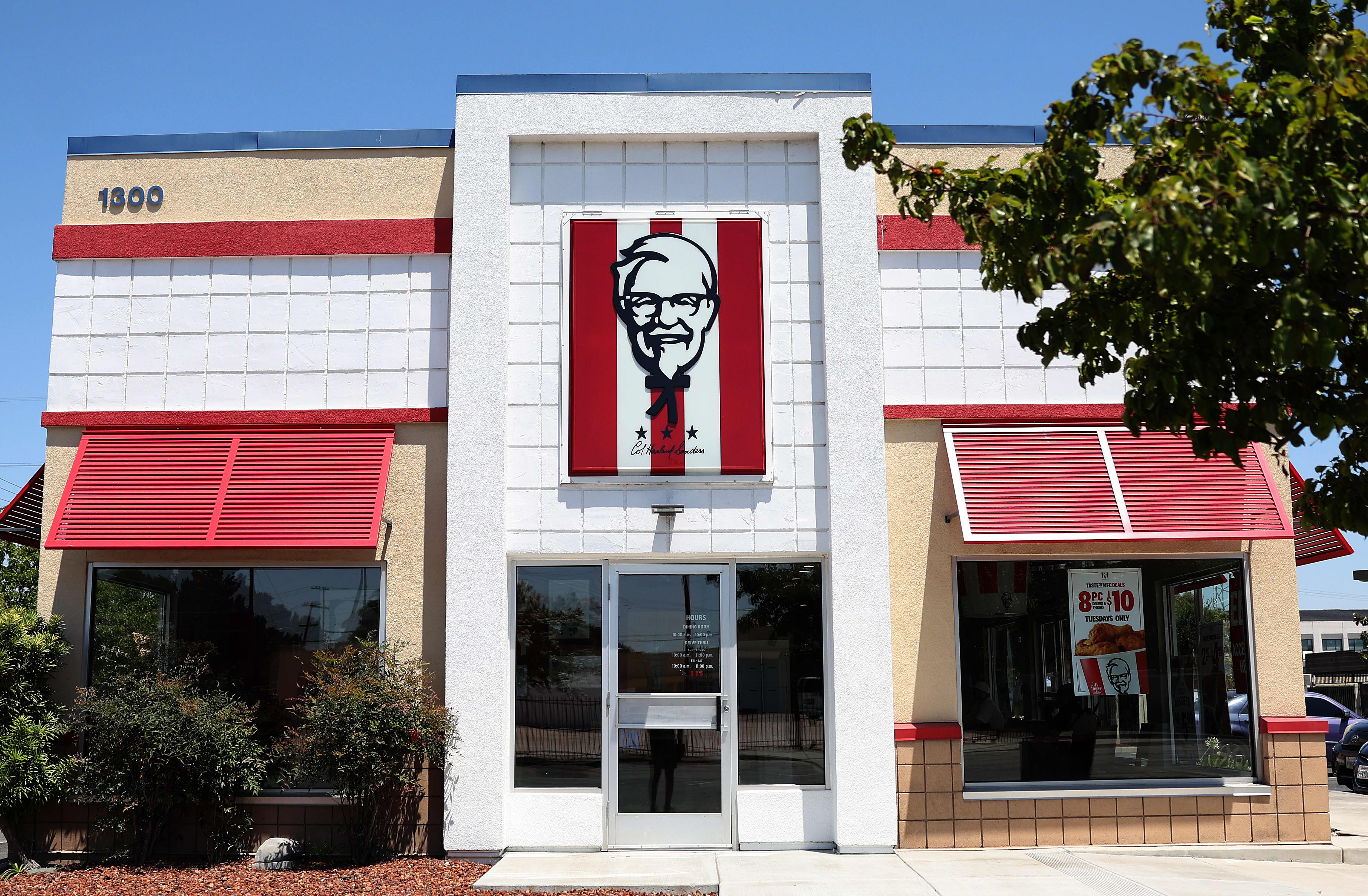
KFC Switches to Coca-Cola After Decades-Long Partnership with Pepsi
Breaking: KFC will replace PepsiCo with Coca-Cola beverages across all U.S. locations by Q1 2027, marking a major shift in the fast-food industry's beverage alliances.
Latest Articles
- Netflix Appoints Peter Rice as New Chief Content Officer to Revitalize Strategy
- Nike's India Campus Strategy Amid China Sales Decline
- China's Diplomatic Stance on Philippines: Navigating Tensions and Seeking Stability
- US Restrictions on Chinese Drones Backfire as Performance Gap Widens
- Strait of Hormuz Attacks Surge as Iran Seeks to Influence US Midterm Elections
- Southwest Airlines Overhauls Loyalty Program with New Tiers and Benefits