Germany's 40-Hour Workweek Debate: A Manufacturing Crisis Unfolds
Germany loses 12,000-15,000 manufacturing jobs monthly. Explore the heated debate over reverting to a 40-hour workweek, labor costs, and competitiveness.
Source: thepaper.cn
Germany, long hailed as Europe's industrial powerhouse, is facing an unprecedented crisis. With manufacturing jobs disappearing at a rate of 12,000 to 15,000 per month, a fierce debate has erupted over whether the country's cherished 35-hour workweek is now a liability. As executives from giants like Mercedes-Benz and toolmaker Stihl call for a return to 40 hours without extra pay, unions warn of dire consequences for employment. This clash is not just about hours—it's about the very future of Germany's economic model in a rapidly changing global landscape.
Key Points
-
The Current State: Germany's manufacturing sector has seen a decline of over 15% since its peak in 2017, according to the original report. Factors include energy price shocks, intensified global competition, US tariffs, and the painful transition to electric vehicles. The result is a staggering loss of 12,000-15,000 jobs monthly, with giants like Volkswagen already announcing further cuts.
-
High Labor Costs: At €49.50 per hour, Germany's manufacturing labor costs are 47% higher than the EU average of €33.70 and triple that of Hungary's €15.60. This cost disparity is at the heart of the debate, as companies struggle to remain competitive against Eastern European and Asian rivals.
-
The 35-Hour Workweek Legacy: The current system originated from a 1984 labor dispute, when West German metalworkers struck for seven weeks to demand shorter hours. Over the following decade, the 35-hour week became standard in key industries like automotive, engineering, and steel, now covering about one-fifth of German employees. The average weekly hours across all sectors stand at 37.8.
-
Executives' Demands: Leaders like Martin Brudermüller, Chairman of Mercedes-Benz's Supervisory Board, argue that Germany has lost its productivity edge over major competitors. They advocate for a return to 40-hour weeks without corresponding pay increases to reduce unit labor costs and boost competitiveness.
-
Union Resistance: IG Metall, Germany's largest union, firmly opposes blaming the 35-hour week for the sector's woes. Negotiator Nadine Boguslawski emphasizes that existing agreements already offer flexibility to adjust hours. She warns that extending hours would typically reduce labor demand, contradicting the union's historical goal of sharing work to maximize employment.
-
Economic Experts Weigh In: While some economists like Martin Werding of the German Council of Economic Experts argue that lower unit labor costs could save jobs by enhancing competitiveness, others point out the complexity. The debate is far from symbolic; it's a pragmatic question of how to preserve Germany's industrial base.
Political and Social Implications: The controversy has sparked discussions about Germany's broader attractiveness as a business location. Consultant Marcus Berret from Roland Berger notes that while Germany once offset high costs with political stability, robust infrastructure, skilled workers, and dense industrial clusters, these advantages are eroding as cost gaps widen.
In-Depth Analysis
The current debate over working hours is a symptom of a deeper structural crisis in German manufacturing. The post-war 'economic miracle' was built on a social partnership between employers and unions, where high wages and short hours were traded for productivity and industrial peace. However, the global landscape has shifted dramatically. The rise of China as a manufacturing superpower, the digital revolution, and the urgent need for decarbonization have disrupted traditional industries. Germany's automotive sector, the crown jewel of its economy, is particularly vulnerable as it transitions to electric vehicles, facing competition from Tesla and Chinese EV makers like BYD.
The call for a 40-hour week is a simplistic solution to a multifaceted problem. While reducing labor costs might offer short-term relief, it fails to address issues like energy prices, bureaucratic hurdles, digital infrastructure deficits, and the slow pace of innovation. Moreover, the demographic challenge—an aging population and skilled labor shortage—complicates the picture. Extending hours for existing workers might not be enough if there aren't enough workers to fill positions in the future.
Looking ahead, the outcome of this debate will set a precedent for labor relations across Europe. If Germany, with its strong union tradition, succumbs to pressure for longer hours, it could trigger a race to the bottom in labor standards. Conversely, if unions successfully defend the 35-hour week, it might force companies to innovate and invest in automation to maintain competitiveness. The October wage negotiations will be a critical battleground, with both sides digging in. The world is watching to see if Germany can reinvent its social market economy for the 21st century without sacrificing the values that made it a model for inclusive growth.
Frequently Asked Questions
Why is Germany considering a return to 40-hour workweeks?
Germany's manufacturing sector is hemorrhaging jobs due to high labor costs and global competition. Executives argue that the 35-hour workweek makes German products too expensive, and reverting to 40 hours without extra pay would reduce unit labor costs, helping companies compete and potentially saving jobs.
What are the union's main arguments against longer hours?
IG Metall contends that longer hours would reduce labor demand, as companies would need fewer workers to produce the same output. They also point out that existing agreements already allow flexibility to adjust hours, and they prefer tailored solutions for struggling firms rather than a blanket extension.
Could this debate affect other European countries?
Yes, Germany often sets trends in European labor policy. If Germany adopts longer hours, it could pressure neighboring countries to follow suit, potentially eroding workers' rights across the EU. Conversely, a strong defense of the 35-hour week could reinforce the European social model.
Source: https://www.thepaper.cn/newsDetail_forward_33999845
Related posts

LDP Senior Official Visits Yasukuni Shrine Amid Rising Regional Tensions
Analysis of the recent high-profile visits to Yasukuni Shrine by Japanese LDP leadership, including Katsunobu Kato and Masako Okada, and their implications for regional diplomacy.
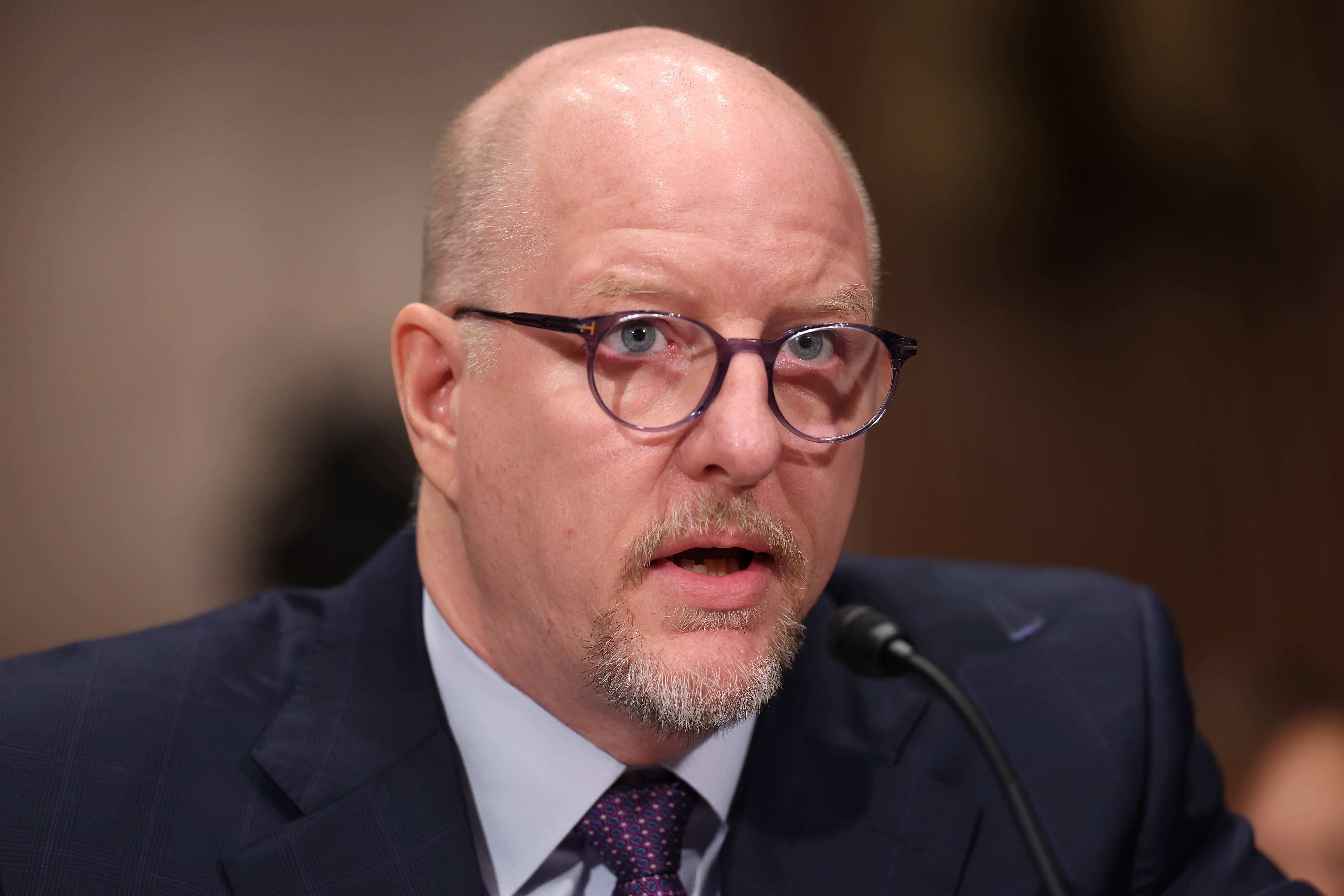
Merck CEO: Cancer Vaccine Production Timeline to Shorten
Merck and Moderna's personalized cancer vaccine is evolving. CEO Rob Davis discusses speeding up the six-week manufacturing process to reach more patients sooner.

Porsche Unveils Mission S Concept: New Flagship Design Direction
Porsche reveals Mission S concept car previewing new design language and positioning above iconic 911 as part of turnaround strategy.
AI Startup Bankruptcies: The Reverse Acquihire Trend Explained
Character.ai's bankruptcy reveals a troubling trend in the AI industry: 'reverse acquihires' by tech giants like Google. We analyze the financial and strategic implications for startups.

IMF Secretary-General Warns: Strait of Hormuz Risks Remain High Amid Rising Attacks
The Strait of Hormuz faces severe security threats, with over 110 vessels attacked since conflict escalation. Learn why global shipping is at risk and what measures are being taken.

Trump Signs Executive Order to Waive Key Sanctions on Russia Amid Energy Crisis
Trump administration exempts major parts of the Graham Bill, including 500% tariffs on Russian imports, to stabilize domestic fuel markets.

Trump's AI to SI Rename: Political Theater or Tech Revolution?
Examining the implications of Trump's controversial decision to replace 'AI' with 'SI' in all US government documents, analyzing the political motivations and global repercussions.
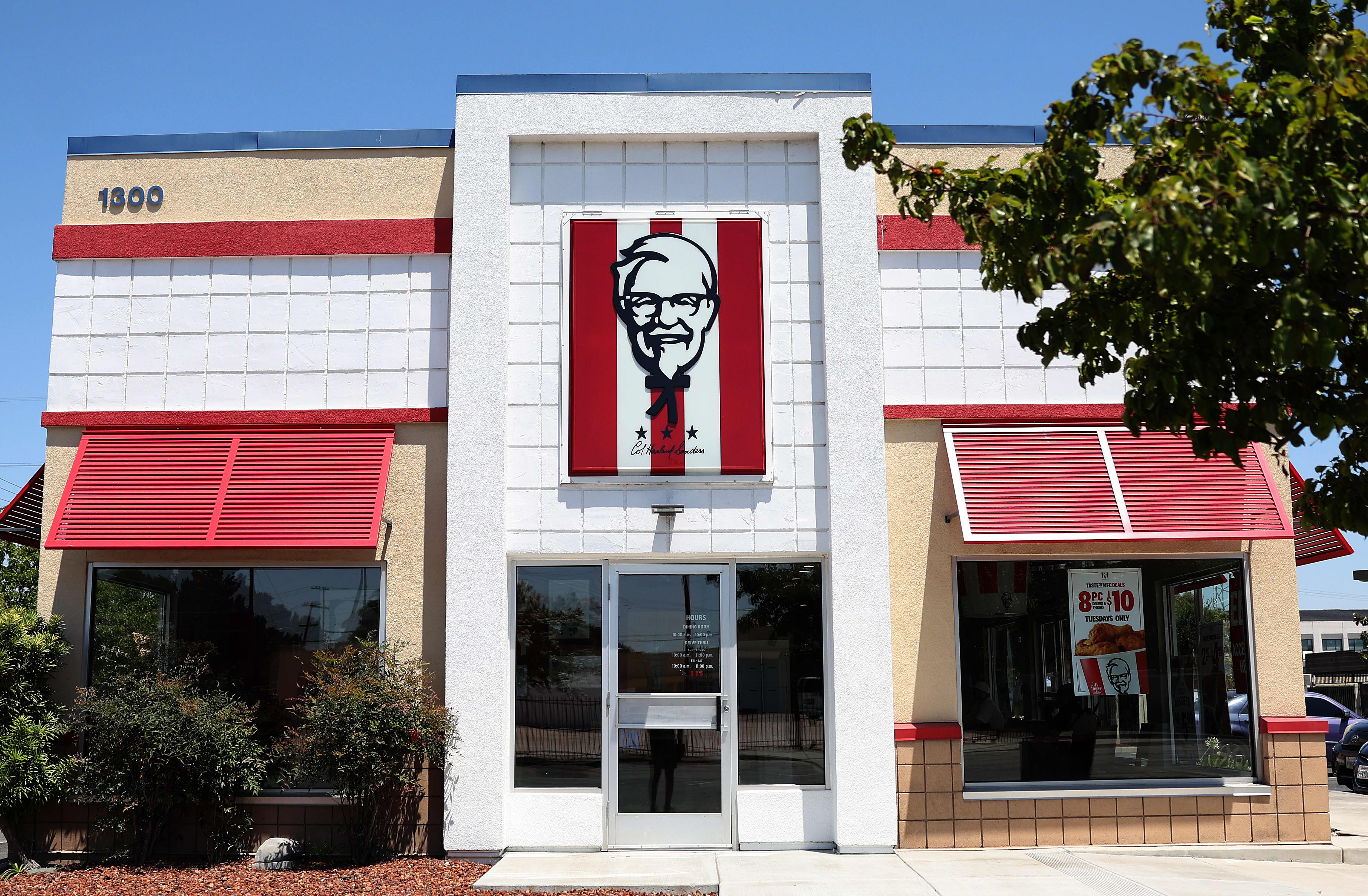
KFC Switches to Coca-Cola After Decades-Long Partnership with Pepsi
Breaking: KFC will replace PepsiCo with Coca-Cola beverages across all U.S. locations by Q1 2027, marking a major shift in the fast-food industry's beverage alliances.
Latest Articles
- Netflix Appoints Peter Rice as New Chief Content Officer to Revitalize Strategy
- Nike's India Campus Strategy Amid China Sales Decline
- China's Diplomatic Stance on Philippines: Navigating Tensions and Seeking Stability
- US Restrictions on Chinese Drones Backfire as Performance Gap Widens
- Strait of Hormuz Attacks Surge as Iran Seeks to Influence US Midterm Elections
- Southwest Airlines Overhauls Loyalty Program with New Tiers and Benefits