Billionaire Family Offices Fuel Biotech Startup Surge in August
Family offices made 52 direct investments in August, with biotech startups capturing 20% of deals. Key players like Druckenmiller and Bezos back AI-driven drug discovery, signaling a robust VC rebound.
Source: CNBC
The venture capital landscape is witnessing a notable resurgence, and at the heart of this revival are the investment arms of the world's wealthiest families. In August alone, family offices executed 52 direct investments in private companies, with biotech startups accounting for roughly 20% of these transactions, according to exclusive data from Fintrx, a private wealth intelligence platform. This surge is not just a statistical blip; it represents a strategic pivot by billionaires who see transformative potential in AI-powered healthcare innovations.
Key Highlights
- Family Office Activity: In August, family offices made 52 direct investments, with biotech startups representing about 20% of all deals. This reflects a growing appetite for high-risk, high-reward opportunities in life sciences.
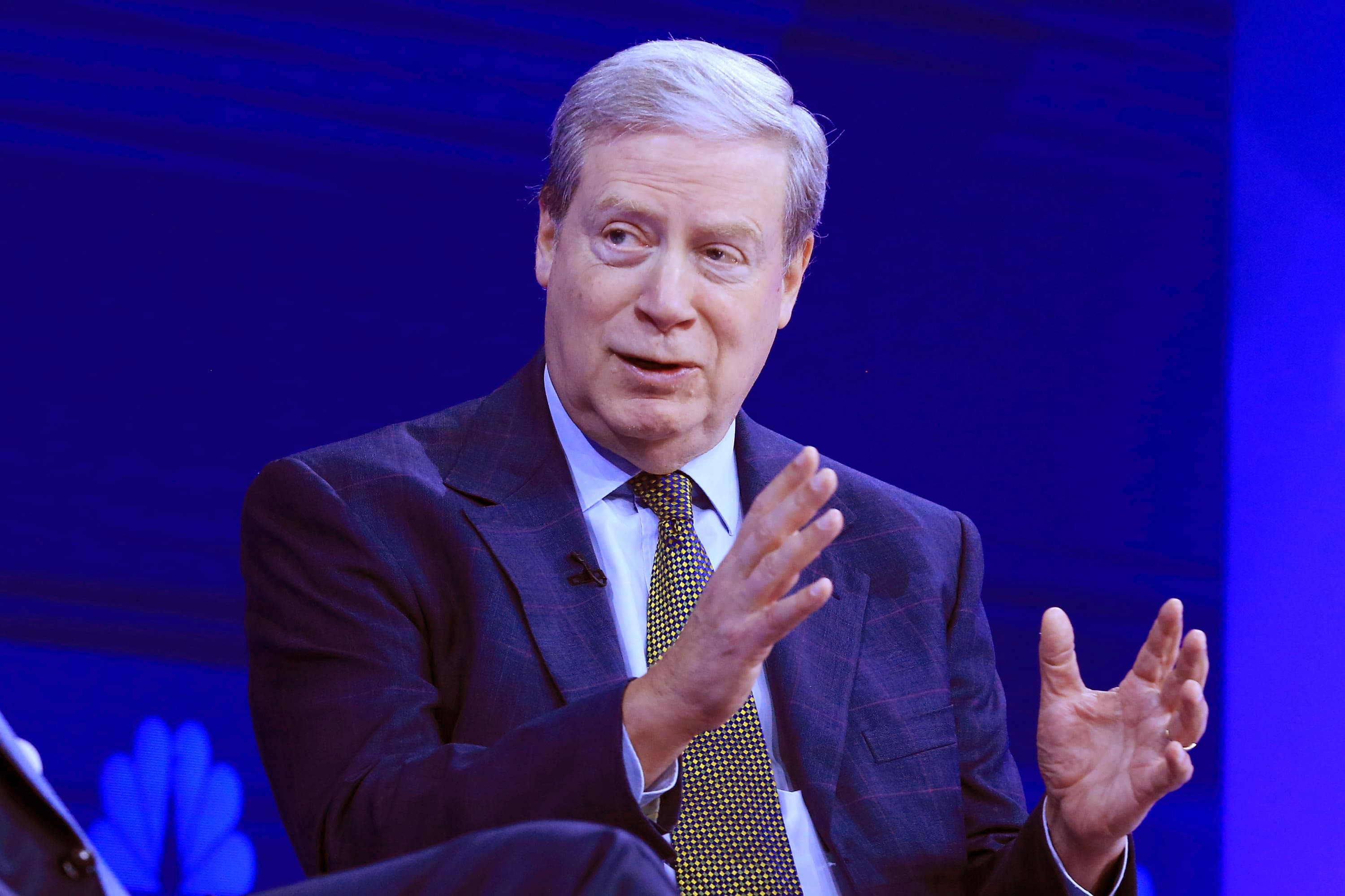
- Stanley Druckenmiller's Duquesne Family Office: A prolific investor, Duquesne has backed at least four pharma or life sciences companies this year. Last month, it participated in a $90 million Series C round for Epicrispr Biotechnologies, which is pioneering gene therapy for a rare muscle disorder called FSHD.
- AI as a Catalyst: Druckenmiller, a longtime board member of Memorial Sloan Kettering, has publicly stated that AI's most promising application lies in biotech—from drug discovery to diagnostics and patient monitoring. This conviction drives his substantial biotech investments.
- Jeff Bezos's Family Office: Bezos's namesake family office joined a $188 million Series E for LifeMine Therapeutics, a company using AI to analyze fungal genomes for novel drug development. LifeMine is currently testing a compound to prevent organ failure in transplant patients.
- Bill Gates's Involvement: Gates Frontier, the venture arm of Bill Gates, also participated in LifeMine's mega-round, underscoring the convergence of tech titans in biotech.
- Venture Funding Rebound: U.S. and European biopharma startups raised $12.6 billion in the first half of 2026, a five-year high, according to Silicon Valley Bank (now part of First Citizens Bank). This marks a strong recovery from the previous downturn.
- Shift Toward Later Stages: While overall funding is up, investors are writing fewer checks for early-stage startups. Instead, capital is flowing to companies with drugs already in clinical testing, reducing risk and accelerating time-to-market.
Deep Dive Analysis
The recent flurry of family office investments in biotech is more than a trend; it's a strategic alignment with technological disruption. The involvement of high-profile investors like Druckenmiller and Bezos signals a belief that AI will revolutionize drug discovery, making it faster, cheaper, and more precise. Druckenmiller's comment about AI being the 'best use case' in biotech reflects a broader sentiment among the ultra-wealthy who have witnessed AI's impact across industries. Moreover, the shift toward later-stage investments suggests a maturing market where investors seek validation through clinical data, reducing the risk associated with early-stage bets. This trend is likely to continue as AI-driven platforms like LifeMine and Epicrispr demonstrate tangible progress. However, challenges remain, including regulatory hurdles and the high cost of clinical trials. Yet, with family offices providing patient capital, these startups have the runway needed to bring breakthroughs to market. The ripple effect could be profound, potentially leading to a new era of personalized medicine and targeted therapies for rare diseases.
Frequently Asked Questions
Why are family offices increasingly investing in biotech? Family offices are drawn to biotech's high growth potential and the transformative impact of AI on drug discovery. With long investment horizons, they can tolerate the risks associated with clinical trials, and successful exits can yield substantial returns.
What role does AI play in these biotech investments? AI accelerates drug discovery by analyzing vast datasets to identify potential drug candidates, predict efficacy, and optimize clinical trial designs. This reduces time and costs, making biotech ventures more attractive to investors.
How does the current biotech funding environment compare to previous years? After a downturn, biotech funding has rebounded strongly, with $12.6 billion raised in H1 2026, a five-year high. However, the focus has shifted to later-stage companies with drugs in testing, indicating a more cautious but robust investment climate.
Source: https://www.cnbc.com/2026/09/03/family-offices-health-care-biotech-startups-august.html
Related posts

LDP Senior Official Visits Yasukuni Shrine Amid Rising Regional Tensions
Analysis of the recent high-profile visits to Yasukuni Shrine by Japanese LDP leadership, including Katsunobu Kato and Masako Okada, and their implications for regional diplomacy.
Merck CEO: Cancer Vaccine Production Timeline to Shorten
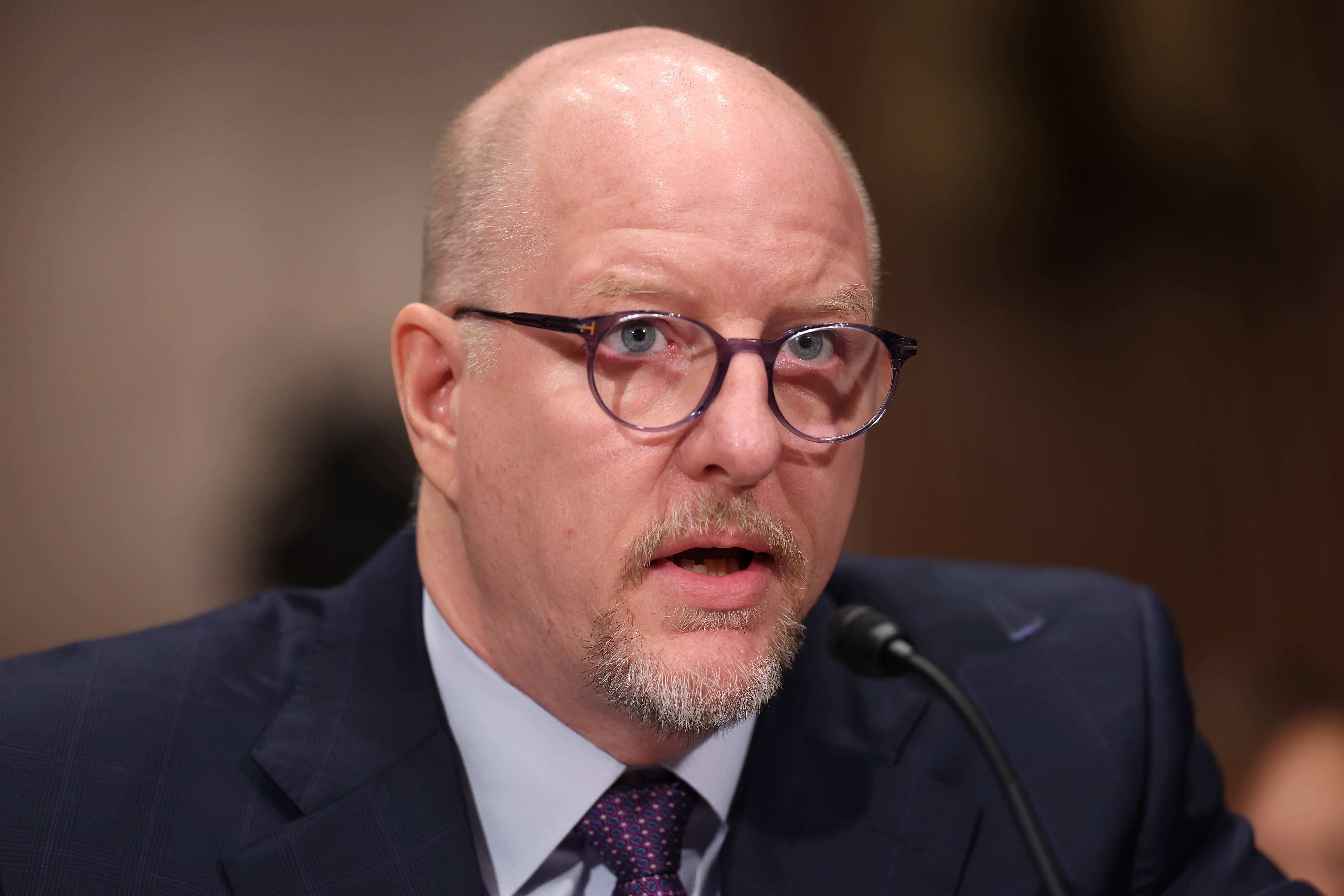
Merck and Moderna's personalized cancer vaccine is evolving. CEO Rob Davis discusses speeding up the six-week manufacturing process to reach more patients sooner.

Porsche Unveils Mission S Concept: New Flagship Design Direction
Porsche reveals Mission S concept car previewing new design language and positioning above iconic 911 as part of turnaround strategy.

AI Startup Bankruptcies: The Reverse Acquihire Trend Explained
Character.ai's bankruptcy reveals a troubling trend in the AI industry: 'reverse acquihires' by tech giants like Google. We analyze the financial and strategic implications for startups.

IMF Secretary-General Warns: Strait of Hormuz Risks Remain High Amid Rising Attacks
The Strait of Hormuz faces severe security threats, with over 110 vessels attacked since conflict escalation. Learn why global shipping is at risk and what measures are being taken.

Trump Signs Executive Order to Waive Key Sanctions on Russia Amid Energy Crisis
Trump administration exempts major parts of the Graham Bill, including 500% tariffs on Russian imports, to stabilize domestic fuel markets.

Trump's AI to SI Rename: Political Theater or Tech Revolution?
Examining the implications of Trump's controversial decision to replace 'AI' with 'SI' in all US government documents, analyzing the political motivations and global repercussions.
KFC Switches to Coca-Cola After Decades-Long Partnership with Pepsi
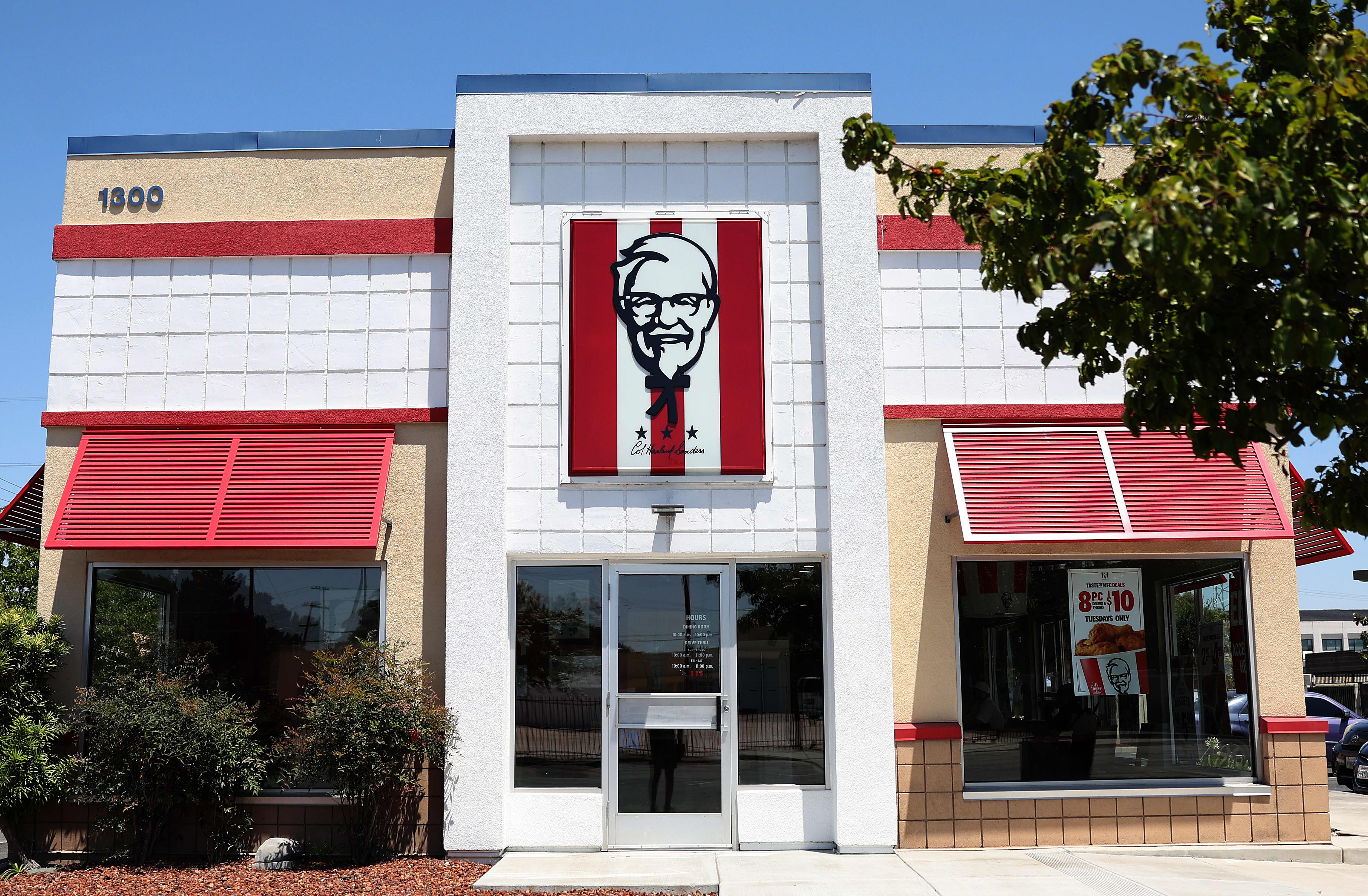
Breaking: KFC will replace PepsiCo with Coca-Cola beverages across all U.S. locations by Q1 2027, marking a major shift in the fast-food industry's beverage alliances.
Latest Articles
- Netflix Appoints Peter Rice as New Chief Content Officer to Revitalize Strategy
- Nike's India Campus Strategy Amid China Sales Decline
- China's Diplomatic Stance on Philippines: Navigating Tensions and Seeking Stability
- US Restrictions on Chinese Drones Backfire as Performance Gap Widens
- Strait of Hormuz Attacks Surge as Iran Seeks to Influence US Midterm Elections
- Southwest Airlines Overhauls Loyalty Program with New Tiers and Benefits