Chevron Expands in Venezuela: A Strategic Bet on Oil's Future
Chevron boosts Venezuela investment to 600k bpd amid U.S.-Venezuela oil deal. Explore implications for energy markets, geopolitics, and recovery challenges.
Source: NPR
The recent U.S.-Venezuela oil agreement has opened the door for Chevron to significantly expand its operations in the South American nation, marking a pivotal moment in global energy politics. As the largest foreign oil operator in Venezuela, Chevron's decision to invest over $7 billion over the next five years signals a renewed confidence in a country that has been isolated for years. This move comes amid political upheaval and economic uncertainty, yet it underscores the strategic importance of Venezuela's vast oil reserves. Here’s why this development matters and what it could mean for the global oil market.
Key Developments
-
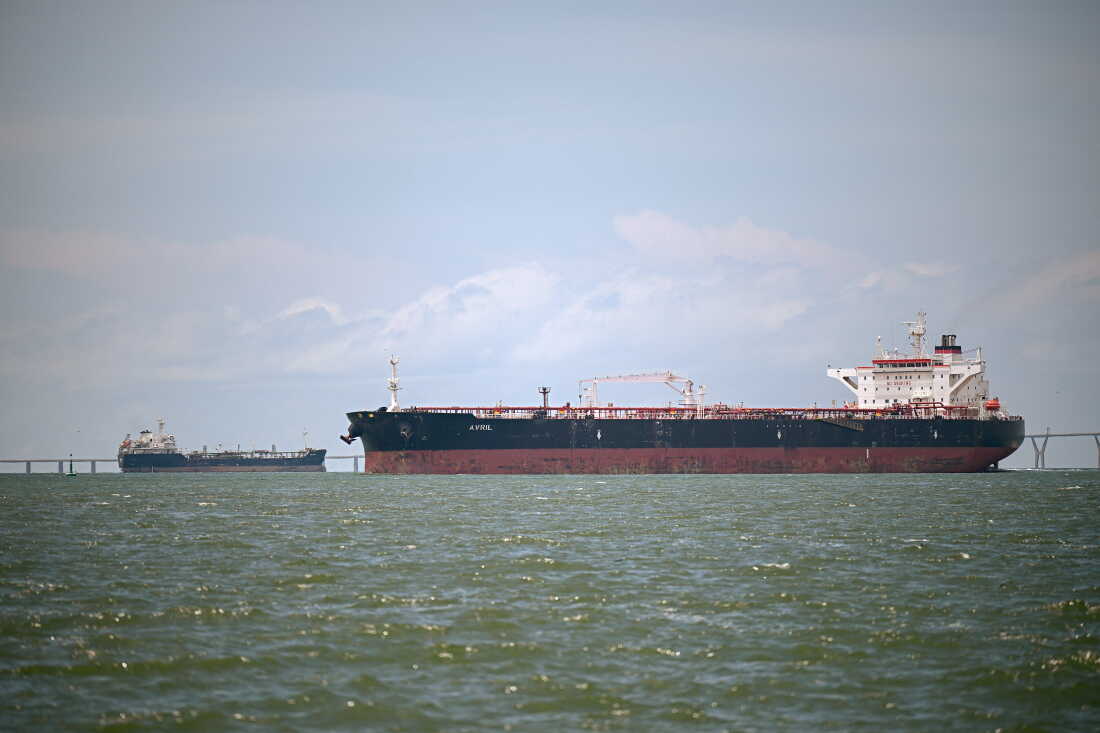
Expansion in the Orinoco Belt: Chevron will expand its footprint in the Orinoco Belt, home to the majority of Venezuela's oil reserves. This region is crucial for tapping into the country's heavy crude, which requires specialized processing. The expansion aims to boost production to approximately 600,000 barrels per day, a significant increase from current levels.
-
$7 Billion Investment Over Five Years: The company plans to invest over $7 billion as part of a joint venture, signaling a long-term commitment. This capital will be directed toward infrastructure repairs, new drilling projects, and enhancing extraction technologies. For context, Venezuela's oil infrastructure has been in disrepair for over a decade, so this investment is critical for any production growth.
-
Political Context: The deal follows the U.S. capturing former President Nicolás Maduro in January and the installation of an interim, unelected president, Delcy Rodríguez. Chevron's move is seen as a vote of confidence in the current U.S.-backed administration, despite its lack of electoral legitimacy. This political backing is essential for U.S. companies to operate safely in Venezuela.
-
Rivals Hesitate: Other U.S. oil giants like ExxonMobil and ConocoPhillips have been cautious, with ExxonMobil CEO Darren Woods calling Venezuela "uninvestable" earlier this year. These companies left in 2007 after Hugo Chávez renegotiated contracts, and they remain wary of the country's political and legal risks. Chevron, however, has maintained a presence since the 1920s, even through nationalization, giving it unique experience and leverage.
-
Broader U.S.-Venezuela Oil Deal: The Chevron expansion is part of a larger agreement announced by the Trump administration to develop 17 Venezuelan oil fields, estimated to hold 65 billion barrels of oil. This joint venture with North American Blue Energy Partners, a private firm based in Barbados, aims to increase U.S. access to Venezuelan crude, potentially reducing reliance on other foreign sources.
-
Infrastructure Challenges: Despite the optimism, Venezuela's oil facilities are in a dilapidated state. Historian Alejandro Velasco describes rusted equipment, leaks, and even theft of copper wire from fences. Jorge Leon of Rystad Energy notes that all these challenges must be addressed before sustained production increases are possible. Rystad analysts estimate it would take over a decade and $183 billion to restore production to 1990s levels of around 3 million barrels per day.
Market Implications: The deal is not expected to lower U.S. gas prices in the short term, as NPR reported. The oil is still underground and requires significant time and investment to extract and refine. However, in the long term, increased Venezuelan production could add to global supply, potentially stabilizing prices.
In-Depth Analysis
Chevron's expansion is a calculated gamble that reflects both the allure of Venezuela's oil and the complexities of operating in a politically volatile environment. The country sits on the largest proven oil reserves in the world, yet its production has plummeted from over 3 million barrels per day in the 1990s to less than a million today. The investment is not just about tapping into a resource; it's about positioning Chevron as the dominant player when Venezuela eventually stabilizes. However, the political situation remains fragile. The interim government under Delcy Rodríguez lacks a democratic mandate, and the opposition is fragmented. Any change in U.S. administration could shift policy, potentially jeopardizing Chevron's investments. Moreover, the infrastructure decay is severe, and the $7 billion may only scratch the surface. Rystad's estimate of $183 billion highlights the scale of the problem, but Chevron's phased approach might be more pragmatic, focusing on quick wins before tackling larger projects.
From a geopolitical perspective, this deal strengthens U.S. influence in Latin America, countering Chinese and Russian interests in the region. Venezuela has historically been a close ally of Russia and China, and this move could shift the balance. For the global oil market, the potential addition of 600,000 barrels per day is modest but significant, especially if OPEC+ continues to manage supply. The "paradox of plenty"—as Planet Money noted—remains a cautionary tale: oil wealth can lead to corruption and economic distortion if not managed well. Chevron's success will depend on its ability to navigate these pitfalls and work with the local government to ensure sustainable development.

Frequently Asked Questions
Q: Will this deal lower gas prices in the U.S.?
A: Not immediately. The oil is still underground and requires years of investment to extract. Even if production increases, it will take time to refine and transport to U.S. markets. In the long term, it could contribute to global supply, but don't expect a drop at the pump soon.
Q: Why did Chevron stay in Venezuela when others left?
A: Chevron has a long history in Venezuela, dating back to the 1920s. It managed to negotiate terms with the government even after nationalization, whereas ExxonMobil and ConocoPhillips left in 2007 due to contract disputes. Chevron's local expertise and relationships have given it a unique position to expand now.
Q: What are the main risks for Chevron's investment?
A: The primary risks are political instability and infrastructure decay. The interim government is unelected, and a change in U.S. policy could alter the landscape. Additionally, the dilapidated facilities require massive investment, and corruption remains a concern. Chevron must also deal with potential sanctions and legal hurdles.
Source: https://www.npr.org/2026/09/02/nx-s1-5952190/chevron-venezuela-oil-deal
Related posts

LDP Senior Official Visits Yasukuni Shrine Amid Rising Regional Tensions
Analysis of the recent high-profile visits to Yasukuni Shrine by Japanese LDP leadership, including Katsunobu Kato and Masako Okada, and their implications for regional diplomacy.
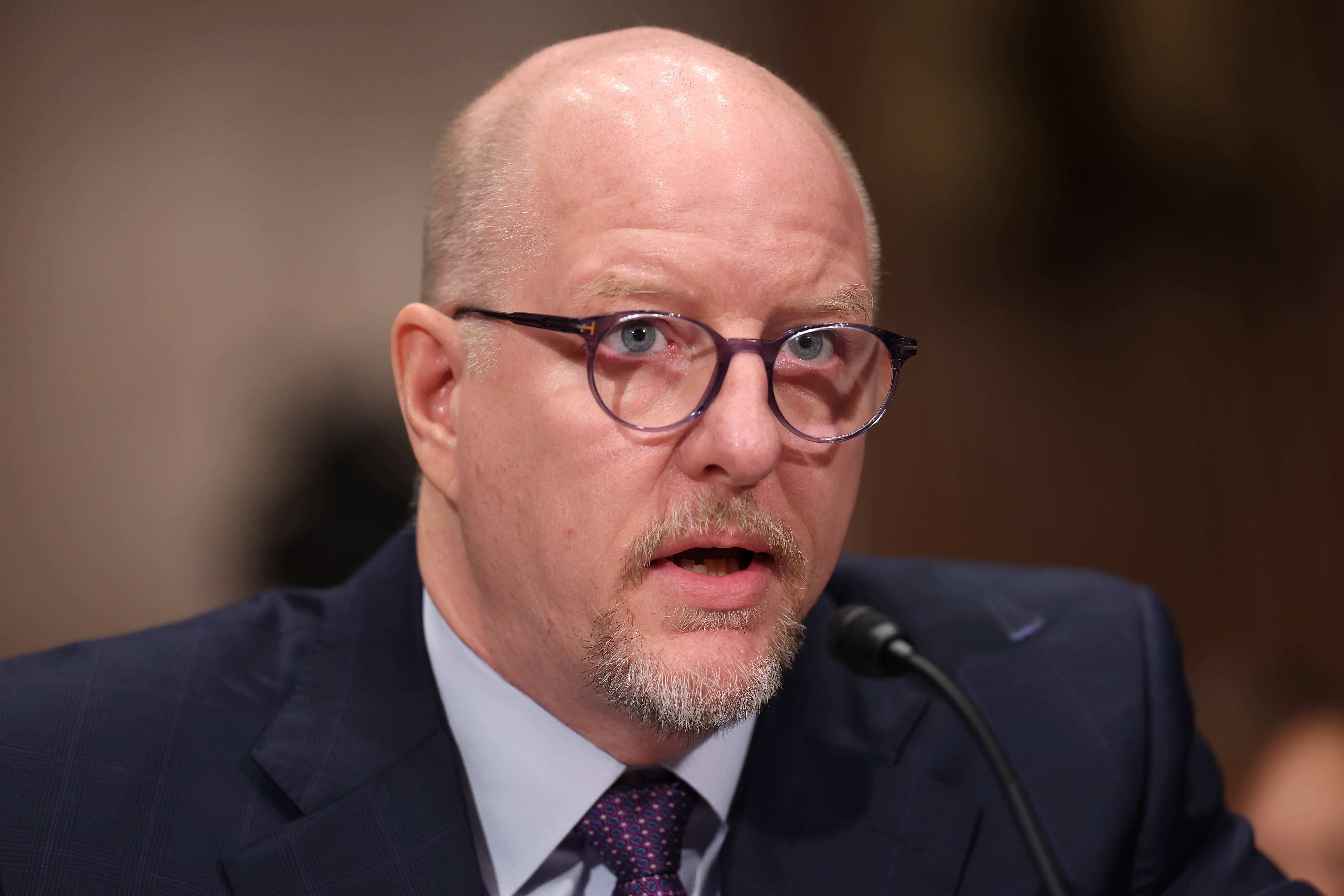
Merck CEO: Cancer Vaccine Production Timeline to Shorten
Merck and Moderna's personalized cancer vaccine is evolving. CEO Rob Davis discusses speeding up the six-week manufacturing process to reach more patients sooner.

Porsche Unveils Mission S Concept: New Flagship Design Direction
Porsche reveals Mission S concept car previewing new design language and positioning above iconic 911 as part of turnaround strategy.
AI Startup Bankruptcies: The Reverse Acquihire Trend Explained
Character.ai's bankruptcy reveals a troubling trend in the AI industry: 'reverse acquihires' by tech giants like Google. We analyze the financial and strategic implications for startups.
IMF Secretary-General Warns: Strait of Hormuz Risks Remain High Amid Rising Attacks
The Strait of Hormuz faces severe security threats, with over 110 vessels attacked since conflict escalation. Learn why global shipping is at risk and what measures are being taken.
Trump Signs Executive Order to Waive Key Sanctions on Russia Amid Energy Crisis
Trump administration exempts major parts of the Graham Bill, including 500% tariffs on Russian imports, to stabilize domestic fuel markets.
Trump's AI to SI Rename: Political Theater or Tech Revolution?
Examining the implications of Trump's controversial decision to replace 'AI' with 'SI' in all US government documents, analyzing the political motivations and global repercussions.
KFC Switches to Coca-Cola After Decades-Long Partnership with Pepsi
Breaking: KFC will replace PepsiCo with Coca-Cola beverages across all U.S. locations by Q1 2027, marking a major shift in the fast-food industry's beverage alliances.
Latest Articles
- Netflix Appoints Peter Rice as New Chief Content Officer to Revitalize Strategy
- Nike's India Campus Strategy Amid China Sales Decline
- China's Diplomatic Stance on Philippines: Navigating Tensions and Seeking Stability
- US Restrictions on Chinese Drones Backfire as Performance Gap Widens
- Strait of Hormuz Attacks Surge as Iran Seeks to Influence US Midterm Elections
- Southwest Airlines Overhauls Loyalty Program with New Tiers and Benefits