SCO at 25: Xi's 'Three Mosts' and a New Vision for Regional Cooperation
Chinese President Xi Jinping marks the SCO's 25th anniversary with 'three mosts' and four proposals, signaling a push for development, security, and governance reform. Analysis inside.
Source: thepaper.cn
When the Shanghai Cooperation Organization (SCO) gathered in Bishkek on September 1, 2026, it wasn't just another summit. This year marks the 25th anniversary of a bloc that has quietly grown into the world's largest regional organization by geography and population. Chinese President Xi Jinping used the occasion to distill its journey into 'three mosts' and outline a forward-looking agenda, offering a glimpse into how Beijing envisions multilateralism in an increasingly fragmented world.
Key Takeaways from Xi's Address
- The 'Three Mosts' Framework: Xi summarized the SCO's achievements as: the most significant development accomplishment—becoming the largest regional cooperation body by landmass and population; the most valuable spiritual asset—the 'Shanghai Spirit' of mutual trust, benefit, equality, consultation, respect for diverse civilizations, and pursuit of common development; and the most important cooperation experience—finding a path of non-alignment, non-confrontation, and non-targeting of third parties.
- Four Proposals for the Future: Xi called for prioritizing development to create shared prosperity, prioritizing security to build a universally safe environment, putting people first to strengthen generational friendship, and insisting on dialogue and consultation to improve fair and orderly governance.
- China's Role as a Major Power: Beijing will treat the SCO as a priority region for high-quality Belt and Road cooperation and the Global Development Initiative. China also supports the early activation of the SCO's 'four security centers' to boost member states' capacity against security threats.
- Hotspot Diplomacy: On issues like Ukraine, the Middle East, and Afghanistan, Xi expressed readiness to enhance communication and coordination, advocating for addressing both symptoms and root causes and promoting political solutions.
- Symbolic Timing: The summit coincides with the SCO's 25th anniversary, a moment Xi framed as a 'crossroads for humanity's future'—implying the organization must take on historical responsibility and steer global direction.
- Unity Emphasis: The speech repeatedly stressed solidarity and cooperation, using the metaphor of 'building a common home' for regional countries.
Deeper Analysis
Xi's address goes beyond a routine anniversary celebration. The 'three mosts' are a deliberate narrative device to cement the SCO's identity as a successful model of regional cooperation—contrasting with Western-led blocs that are often seen as exclusive or confrontational. The emphasis on 'non-alignment, non-confrontation, and non-targeting of third parties' is a direct rebuttal to critics who view the SCO as a counterweight to NATO. Instead, Xi frames it as a constructive force for global governance reform.
The four proposals reveal China's strategic priorities. 'Development first' aligns with the Global Development Initiative, positioning the SCO as a laboratory for inclusive growth. 'Security as a priority' reflects concerns over terrorism, extremism, and separatism—issues that have long united Central Asian members. The push for 'people-centered' cooperation and 'dialogue and consultation' signals a soft-power approach, aiming to deepen people-to-people ties and institutionalize conflict resolution mechanisms.
China's pledge to support the 'four security centers'—likely covering counter-terrorism, cybersecurity, and other non-traditional threats—shows a practical commitment to operationalizing security cooperation. Meanwhile, the willingness to mediate on Ukraine and Afghanistan underscores China's ambition to play a more active role in global crisis management, even as it avoids direct confrontation with the West.
Looking ahead, the SCO faces challenges: expanding its membership (Iran joined in 2023) brings diversity but also potential friction. The organization must balance the interests of major powers like China and Russia with smaller Central Asian states. Xi's call for 'fair and orderly governance' hints at internal reforms to make decision-making more efficient. As the world fragments into rival blocs, the SCO's ability to offer an inclusive, non-Western model of cooperation will be closely watched—and Xi's 'three mosts' are a bid to shape that narrative.
Frequently Asked Questions
What is the 'Shanghai Spirit'? It's a set of principles—mutual trust, mutual benefit, equality, consultation, respect for cultural diversity, and pursuit of common development—that guide SCO cooperation. Xi called it the organization's 'most valuable spiritual asset,' distinguishing it from other international groupings.
Why does the SCO matter globally? With over 40% of the world's population and covering a vast landmass, the SCO is a major force in Eurasian politics. Its decisions on security, trade, and energy affect global supply chains and regional stability, making it a key venue for dialogue between China, Russia, and Central Asian nations.
How does China's 'four security centers' proposal work? While specifics are not public, these centers likely focus on counter-terrorism, cybersecurity, and emergency response. Xi's support for their early activation signals China's commitment to practical security cooperation, potentially including joint exercises and intelligence sharing.
Source: https://www.thepaper.cn/newsDetail_forward_33990302
Related posts

LDP Senior Official Visits Yasukuni Shrine Amid Rising Regional Tensions
Analysis of the recent high-profile visits to Yasukuni Shrine by Japanese LDP leadership, including Katsunobu Kato and Masako Okada, and their implications for regional diplomacy.
IMF Secretary-General Warns: Strait of Hormuz Risks Remain High Amid Rising Attacks
The Strait of Hormuz faces severe security threats, with over 110 vessels attacked since conflict escalation. Learn why global shipping is at risk and what measures are being taken.
Trump Signs Executive Order to Waive Key Sanctions on Russia Amid Energy Crisis
Trump administration exempts major parts of the Graham Bill, including 500% tariffs on Russian imports, to stabilize domestic fuel markets.
Trump's AI to SI Rename: Political Theater or Tech Revolution?
Examining the implications of Trump's controversial decision to replace 'AI' with 'SI' in all US government documents, analyzing the political motivations and global repercussions.
KFC Switches to Coca-Cola After Decades-Long Partnership with Pepsi
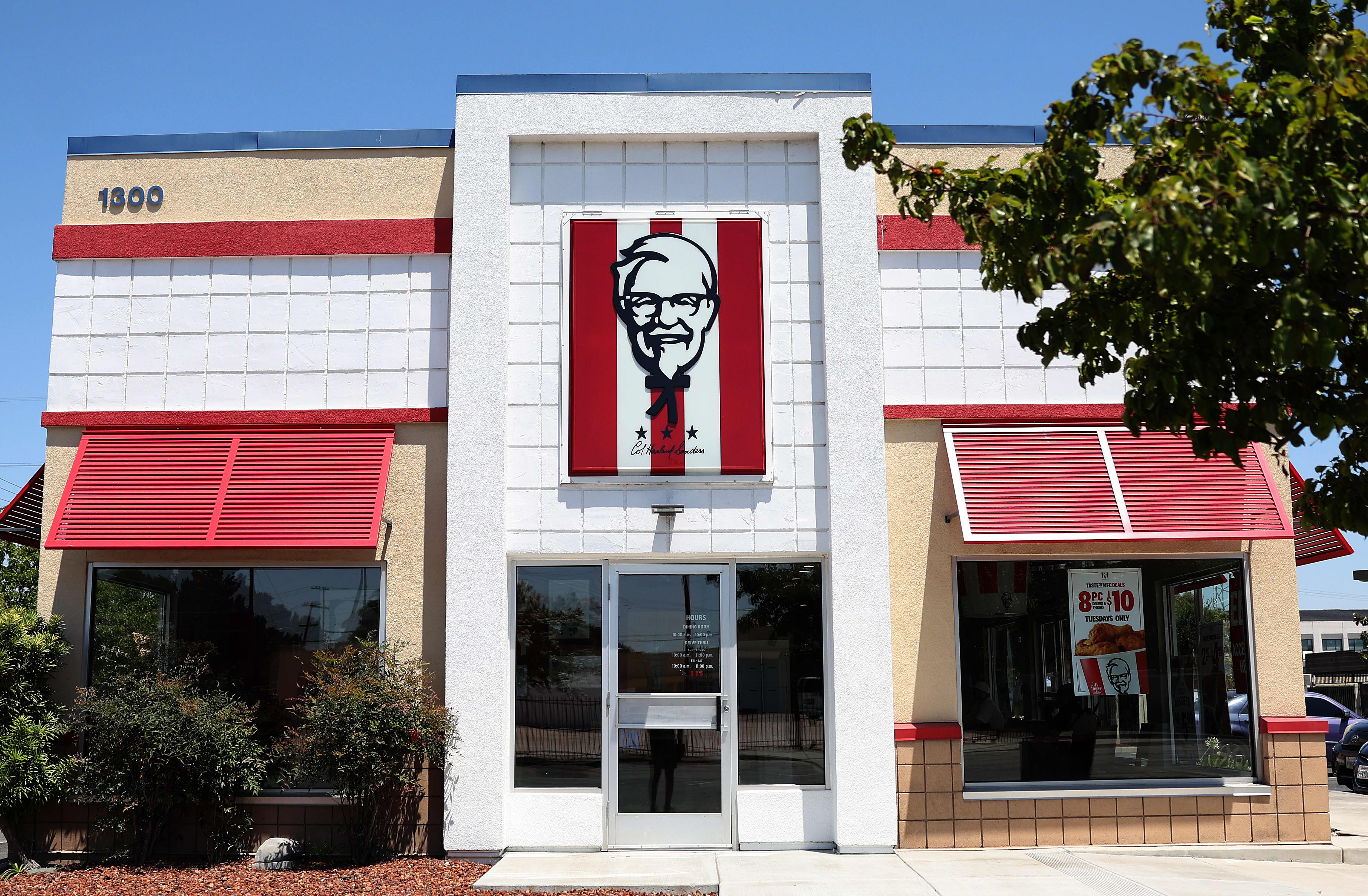
Breaking: KFC will replace PepsiCo with Coca-Cola beverages across all U.S. locations by Q1 2027, marking a major shift in the fast-food industry's beverage alliances.
Netflix Appoints Peter Rice as New Chief Content Officer to Revitalize Strategy
Netflix hires former Disney executive Peter Rice to lead content, replacing Bela Bajaria amid declining viewership and a massive workforce cut.
Nike's India Campus Strategy Amid China Sales Decline
Nike invests in Bengaluru campus as growth strategy while facing 26% revenue drop in China market.
China's Diplomatic Stance on Philippines: Navigating Tensions and Seeking Stability
China urges the Philippines to accurately understand its stance on improving bilateral relations amidst rising tensions and military rhetoric.
Latest Articles
- US Restrictions on Chinese Drones Backfire as Performance Gap Widens
- Strait of Hormuz Attacks Surge as Iran Seeks to Influence US Midterm Elections
- Southwest Airlines Overhauls Loyalty Program with New Tiers and Benefits
- Oregon School Shooting: Tragedy Sparks Debate on Gun Control
- The Billionaire Space Race: Musk vs. Bezos
- JetBlue BlueFirst: New Domestic First Class for Under $300