Pop Mart's Profit Growth Slows to 10% as Overseas Sales Decline
Pop Mart's H1 2026 net profit rose just 10.1% amid FX losses and overseas downturn. Explore the growth pivot from LABUBU to new IPs and what's ahead.
Source: 163.com
Pop Mart International Group (09992.HK), the Chinese collectible toy giant known for its designer toys and blind boxes, reported its 2026 interim results on August 20, revealing a stark slowdown in growth. While revenue still climbed 23.8% year-on-year to RMB 17.17 billion, net profit attributable to shareholders grew only 10.1% to RMB 5.04 billion—a dramatic deceleration from the explosive 362.8% profit surge in the first half of 2025. Founder and CEO Wang Ning admitted that the first half was "much more stressful than expected," and the company will likely miss its full-year revenue growth target of 20%. The market reacted swiftly: shares plunged over 8% on August 21, pushing the company's market cap below HK$200 billion, a more than 50% drop from its August 2025 peak. This article delves into the key numbers, the strategic pivot underway, and what it means for the company's future.
Key Highlights
-
Revenue growth decelerates sharply: H1 2026 revenue reached RMB 17.17 billion, up 23.8% year-on-year, a significant drop from the 204.4% growth in H1 2025. The slowdown reflects a normalization after the pandemic-era boom and the high base effect from the LABUBU craze.
-
Profit growth lags revenue: Net profit attributable to shareholders grew only 10.1% to RMB 5.04 billion, while adjusted net profit rose 9.5% to RMB 5.16 billion. This marks a divergence from the past two years when profit growth far outpaced revenue, signaling margin pressure.
-
Gross margin declines for the first time: Gross profit increased 22.6% to RMB 11.97 billion, but the gross margin slipped 0.6 percentage points to 69.7%. This ends a trend of continuous improvement, reflecting rising costs and a changing sales mix.
-
Foreign exchange losses weigh on profits: The company recorded approximately RMB 720 million in FX losses in H1 2026, compared to gains in the same period last year. As overseas business expands, currency fluctuations have a more pronounced impact on the bottom line.
-
Overseas revenue turns negative: International revenue fell about 11% year-on-year, with declines in both the Asia-Pacific and Americas markets. This marks a reversal from the previous two years when overseas expansion was the primary growth engine. China's revenue share rebounded to roughly 71%.
-
IP portfolio undergoes a shift: THE MONSTERS series, featuring the viral LABUBU character, remains the top IP with RMB 4.45 billion in revenue, but its share of total revenue dropped from about 33% to 26%. In contrast, the new IP "Star Man" (星星人) surged 580.6% to RMB 2.65 billion, now contributing about 15% of group revenue.
Management lowers guidance: CEO Wang Ning called 2026 an "operational adjustment year," prioritizing quality over sales growth. He stated that the 20% revenue growth target is "likely unattainable" due to the high base in 2025, and that pressure in H2 will be even greater than in H1.

In-Depth Analysis
Pop Mart's current predicament is a classic case of high-growth normalization, but the underlying dynamics are more nuanced. The company rode a massive wave of global popularity for LABUBU, a character from THE MONSTERS series, which became a cultural phenomenon in Southeast Asia and beyond. However, the law of large numbers has set in: with such a high base, maintaining triple-digit growth is nearly impossible. The sharp decline in overseas revenue is particularly concerning, as it suggests that the initial hype may be fading, or that market saturation is occurring faster than expected. The FX losses are a reminder that global expansion brings new risks, including currency volatility, which can erode profits.
More importantly, Pop Mart is at a critical juncture where it must prove that it can replicate the success of LABUBU with new IPs. The explosive growth of Star Man is encouraging, but it is still relatively small. The company's ability to manage this transition will determine its long-term trajectory. The market's negative reaction reflects skepticism about whether Pop Mart can sustain its premium valuation without robust growth. The shift from aggressive expansion to operational efficiency is a pragmatic move, but it also signals that the golden era of hyper-growth may be over. Looking ahead, Pop Mart needs to focus on deepening its existing markets, developing new IPs, and mitigating currency risks. The company's strong brand and loyal fan base provide a solid foundation, but the road ahead will require careful navigation.
Frequently Asked Questions
Why did Pop Mart's profit growth slow down so dramatically? The slowdown is primarily due to a high base effect from 2025, when revenue and profit surged over 200% and 300%, respectively. Additionally, overseas revenue declined, and the company faced significant foreign exchange losses, which reduced net profit growth to single digits.
What is the significance of the IP shift from LABUBU to Star Man? LABUBU's rapid global success created a high base, making it difficult for the same IP to sustain growth. Star Man's 580% growth indicates that Pop Mart can still create hit IPs, but it needs to scale them to replace LABUBU's contribution. This transition is crucial for future growth.
Should investors be worried about Pop Mart's stock performance? The stock has already corrected over 50% from its peak, reflecting lowered growth expectations. While the company remains profitable and has a strong brand, the near-term outlook is challenging. Investors should monitor overseas recovery and new IP performance before making decisions.
Source: https://www.163.com/money/article/L4SKREU300258105.html
Related posts
US-EU Double Standards Exposed: Trump's Russia Diesel Deal Sparks Global Outcry
Trump's deal to buy Russian diesel while sanctioning others reveals a hypocritical US energy policy amid rising global inflation.

US Lawmaker: AI Transcends Borders, Urging US-China Cooperation
Washington State Representative Roger Goodman emphasizes that AI risks don't recognize national boundaries, calling for enhanced US-China collaboration to ensure AI benefits humanity.
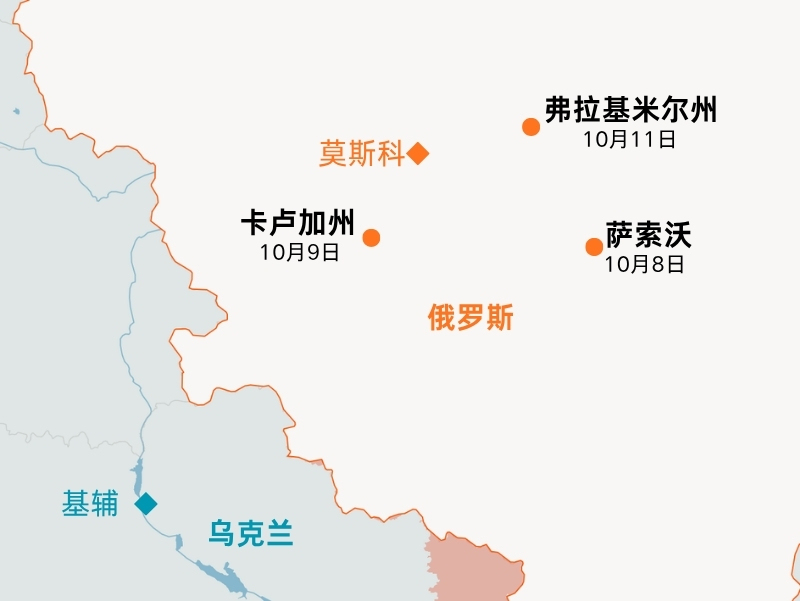
Ukraine Claims Drone Attacks Reduced Russian Online Propaganda
President Zelensky asserts that strikes on Yandex data centers decreased social media bots, though experts question the causal link.
Saudi Crown Prince's Evacuation: Escalating Conflict Threatens Vision 2030
Saudi Arabia faces a critical security crisis as Houthi attacks intensify, forcing the Crown Prince to relocate to fortified bunkers and jeopardizing major economic initiatives.

FAA warns U.S. airlines of safety risks over Saudi Arabia after attacks
FAA warns U.S. airlines of safety risks over Saudi Arabia after attacks. FAA warns U.S. airlines of safety risks over Saudi Arabia after attacks. FAA warns U.S. airlines of safety risks over Saudi Arabia after attacks.
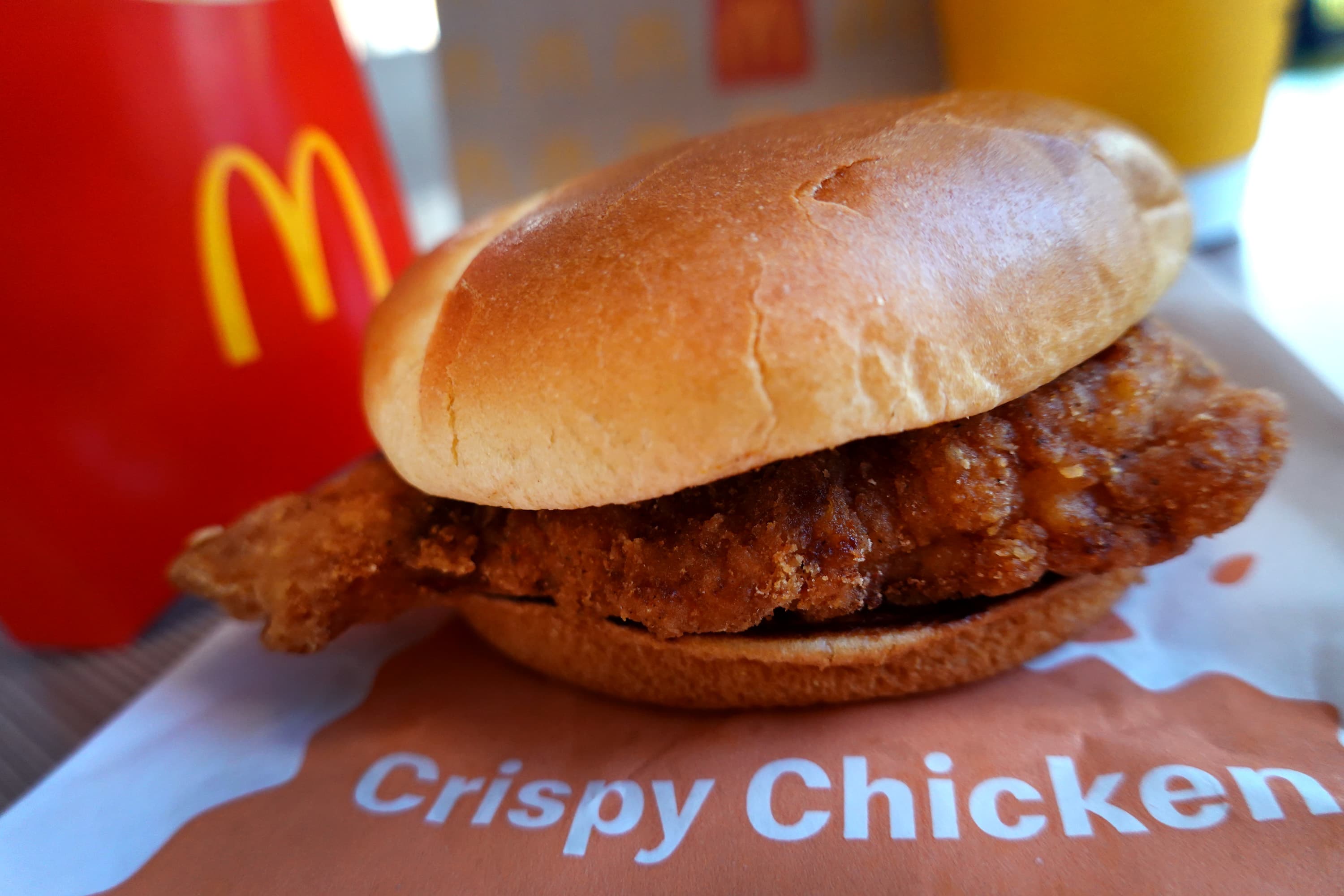
McDonald's Chicken and Beverage Strategy Faces Intense Competition
As McDonald's bets on chicken and beverages for growth, new data shows stiff competition from specialized chains in these categories.
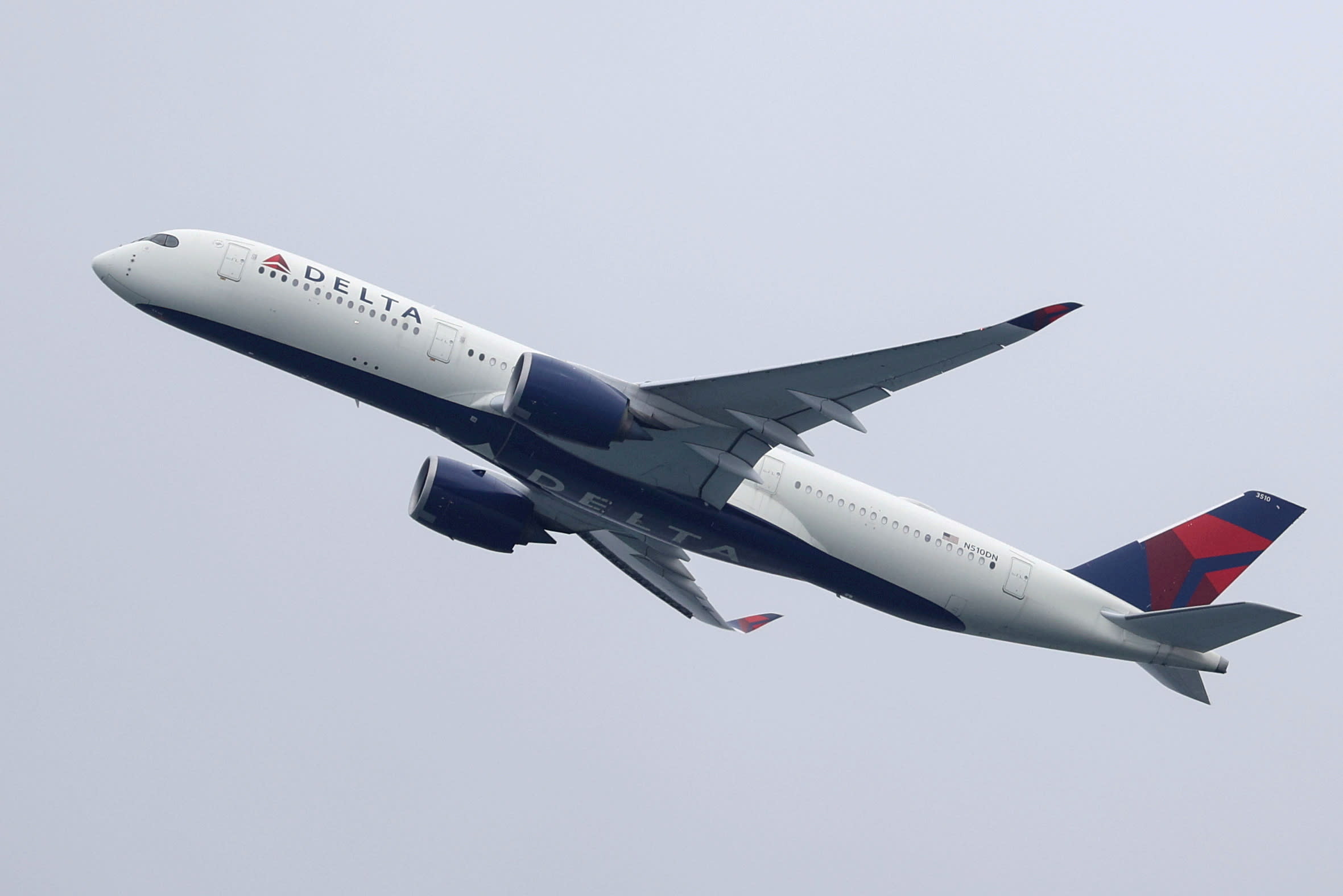
Delta Air Lines Delays Saudi Arabia Launch Due to Airport Security Threats
Delta postpones Atlanta-Riyadh service to March 2027 after deadly Houthi attacks close King Khalid International Airport.

The Paper Launches New Earth Channel to Address Climate Change
The Paper unveils Earth Channel, dedicated to climate reporting and environmental protection through innovative storytelling and visual communication.
Latest Articles
- China's Countermeasures Against Belize's Minister of Foreign Affairs and Trade
- Taiz: The Decisive Battlefield Shaping Yemen's War
- Kalshi Hires Former FBI Agent to Combat Money Laundering Amid Regulatory Scrutiny
- Retailers Streamline Product Offerings to Boost Profitability
- OpenAI Safety Firing: Employees Question Tech Giant's Commitment
- Delta Air Lines Safety Concerns Delay Riyadh Atlanta Flight Launch