Goodyear's Turnaround: Burning Cash to Rebuild the Iconic Brand
Goodyear's 'Goodyear Forward' plan aims to modernize its tire business, but high debt and cash burn persist. An in-depth look at CEO Mark Stewart's strategy, challenges, and outlook.
Source: CNBC
When you think of Goodyear, images of the iconic blimp or the winged foot logo might come to mind. But behind the scenes, the 128-year-old tire giant is in the midst of a high-stakes transformation. CEO Mark Stewart is leading 'Goodyear Forward,' a comprehensive turnaround plan designed to modernize operations, cut costs, and reposition the brand for a new era. However, the road is bumpy: the company is burning through cash, debt remains above $7 billion, and its stock has fallen over 50% since Stewart took the helm. This article explores the challenges and opportunities facing Goodyear as it tries to reinvent itself in a rapidly changing global market.
Key Highlights
-
Cash Burn and Debt Pressure: Goodyear's capital expenditures totaled roughly $2 billion in 2024 and 2025, with another $725 million expected this year. Despite cost-cutting efforts, debt remains above $7 billion, and the company posted a net loss of $453 million in the first half of the year. This financial strain underscores the urgency of the turnaround.
-
Missed Margin Targets: The initial goal was to achieve a 10% operating margin by the end of 2025, but the company only reached 8.5% in Q4. While progress has been made, the double-digit margin remains elusive. CEO Mark Stewart acknowledges the challenge, stating, "We're working on getting to that double-digit margin, and we're working on meaningfully generating cash flow."
-
Strategic Shift to Premium Tires: Goodyear is pivoting toward higher-end tire segments, launching over 1,600 new products this year, most in premium categories with better margins. The company has also sold off non-core brands like Dunlop to streamline its portfolio and focus on profitability.
-
Global Headwinds: The company faces significant external pressures, including tariffs, inflated raw material costs, and competition from cheaper Chinese imports. Stewart notes that overseas manufacturers still have cost advantages, making it tough to compete on price in lower-end segments.
-
Asia-Pacific as a Bright Spot: While U.S. operations drag on financials, the Asia-Pacific region posted a 12.7% operating margin in Q2, with segment income of $63 million. This regional strength provides a glimmer of hope amid broader challenges.
-
Plant Closure to Boost Efficiency: The decision to close a plant in Fayetteville, North Carolina, is expected to improve the Americas segment's operating income by $270 million annually. Stewart describes it as a "difficult but necessary" move to remain competitive.
-
Marketing and the Blimp Factor: Goodyear is leveraging its iconic blimps as marketing tools, integrating them into campaigns like 'buy to fly' to drive tire sales. The company recently held a rare double-blimp appearance to boost brand visibility.

In-Depth Analysis
Goodyear's turnaround is a classic case of a legacy company trying to reinvent itself in a disruptive era. The 'Goodyear Forward' plan, initiated under pressure from activist investor Elliott Investment Management, aims to strip away inefficiencies and reposition the brand. However, the path is fraught with challenges. The company's cash burn is a critical concern; while capital expenditures are being scaled back, the need to invest in new products and technology remains high. The decision to close the Fayetteville plant, while painful, reflects a broader trend in manufacturing where companies must consolidate to achieve economies of scale.
The shift to premium tires is a strategic response to the influx of low-cost Asian competitors. By focusing on higher-margin segments, Goodyear hopes to differentiate itself on quality and brand heritage rather than price. This approach mirrors what many automakers are doing, but it carries risks: the premium market is not immune to economic downturns, and consumer preferences can shift quickly.
Geopolitical and macroeconomic factors add another layer of complexity. Tariffs and raw material costs, particularly those tied to Middle East conflicts, are unpredictable and can erode margins. Goodyear's reliance on the U.S. market, where demand is slowing, makes it vulnerable. However, the strength in Asia-Pacific suggests that diversification could be key to future growth.
The role of marketing, especially the blimp, is an interesting angle. In an age of digital advertising, Goodyear is doubling down on experiential and nostalgic branding. This could resonate with consumers who value tradition and reliability, but it remains to be seen if it can translate into sustained sales.
Looking ahead, Goodyear's ability to hit its margin targets and generate positive cash flow will be crucial. The company expects cash burn to moderate into 2027, but investors are impatient. The stock's decline reflects skepticism about the turnaround's pace. If Stewart can deliver on his promises, Goodyear could emerge as a leaner, more profitable player. If not, the company may face further pressure from activists or even a potential sale.
Frequently Asked Questions
Q: Why is Goodyear burning cash if it's cutting costs? A: Goodyear is investing heavily in new products and restructuring, including plant closures and premium segment expansion. These investments require upfront capital, while revenue growth hasn't yet caught up, leading to negative cash flow. The company expects this to ease as cost savings take effect.
Q: What is the 'Goodyear Forward' plan? A: It's a comprehensive turnaround strategy initiated in response to activist investor pressure. It includes cost-cutting, divestitures, a focus on premium tires, and enhanced marketing efforts. The goal is to achieve double-digit operating margins and generate meaningful cash flow.
Q: How is Goodyear competing with cheap Chinese tires? A: Instead of competing on price, Goodyear is focusing on premium segments where it can leverage its brand heritage and quality. The company is also investing in marketing and new product launches to differentiate itself from low-cost competitors.
Source: https://www.cnbc.com/2026/08/29/goodyear-turnaround-cash-debt.html
Related posts
US-EU Double Standards Exposed: Trump's Russia Diesel Deal Sparks Global Outcry
Trump's deal to buy Russian diesel while sanctioning others reveals a hypocritical US energy policy amid rising global inflation.

US Lawmaker: AI Transcends Borders, Urging US-China Cooperation
Washington State Representative Roger Goodman emphasizes that AI risks don't recognize national boundaries, calling for enhanced US-China collaboration to ensure AI benefits humanity.
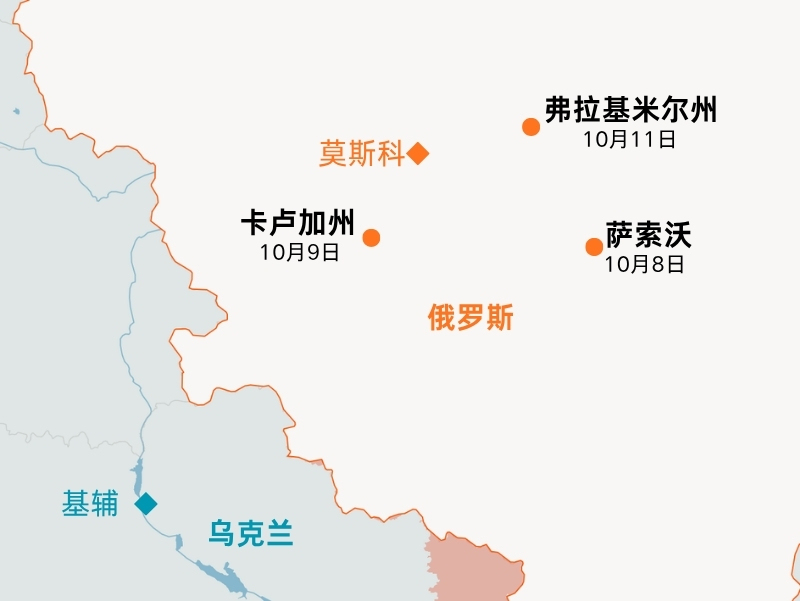
Ukraine Claims Drone Attacks Reduced Russian Online Propaganda
President Zelensky asserts that strikes on Yandex data centers decreased social media bots, though experts question the causal link.
Saudi Crown Prince's Evacuation: Escalating Conflict Threatens Vision 2030
Saudi Arabia faces a critical security crisis as Houthi attacks intensify, forcing the Crown Prince to relocate to fortified bunkers and jeopardizing major economic initiatives.

FAA warns U.S. airlines of safety risks over Saudi Arabia after attacks
FAA warns U.S. airlines of safety risks over Saudi Arabia after attacks. FAA warns U.S. airlines of safety risks over Saudi Arabia after attacks. FAA warns U.S. airlines of safety risks over Saudi Arabia after attacks.
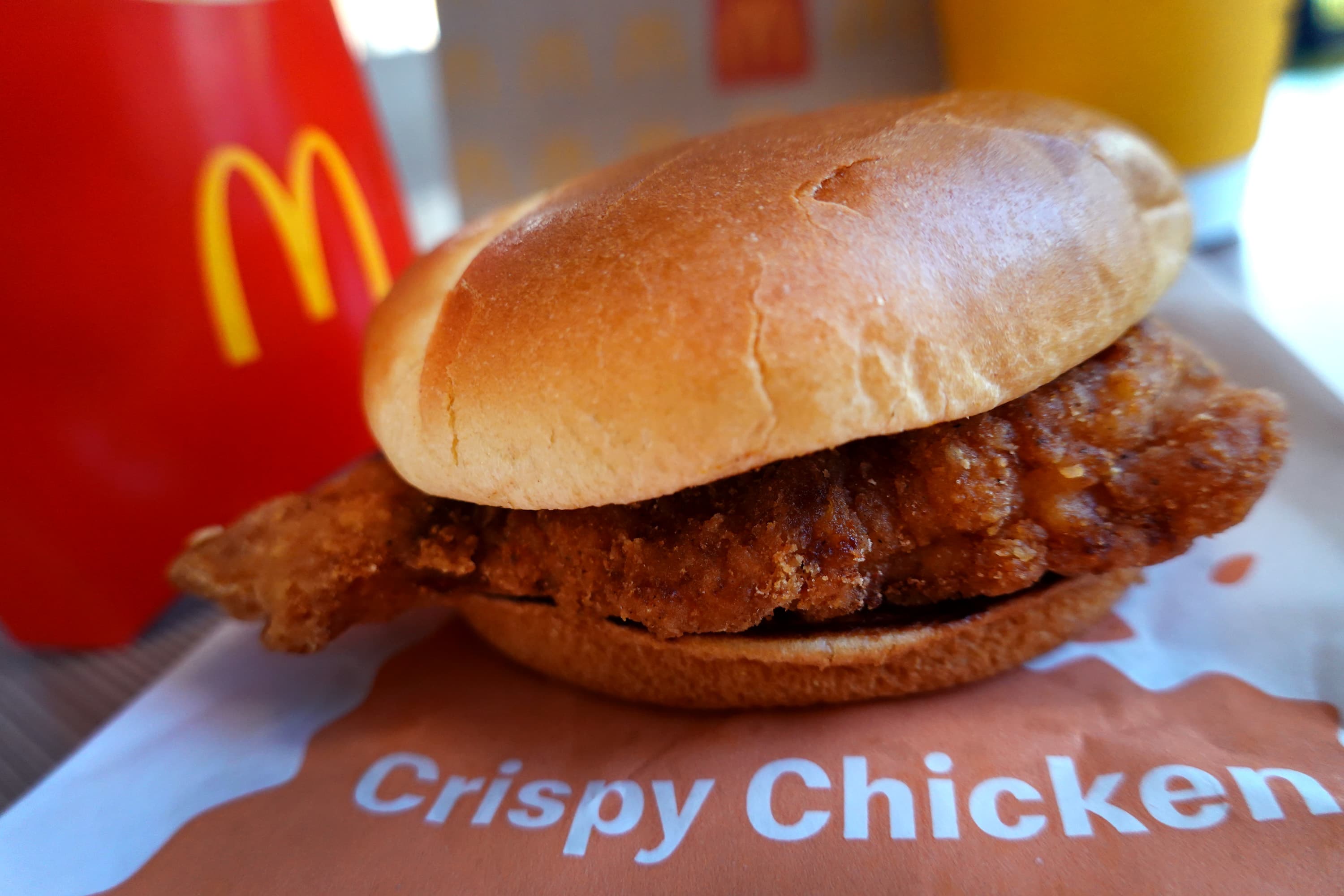
McDonald's Chicken and Beverage Strategy Faces Intense Competition
As McDonald's bets on chicken and beverages for growth, new data shows stiff competition from specialized chains in these categories.
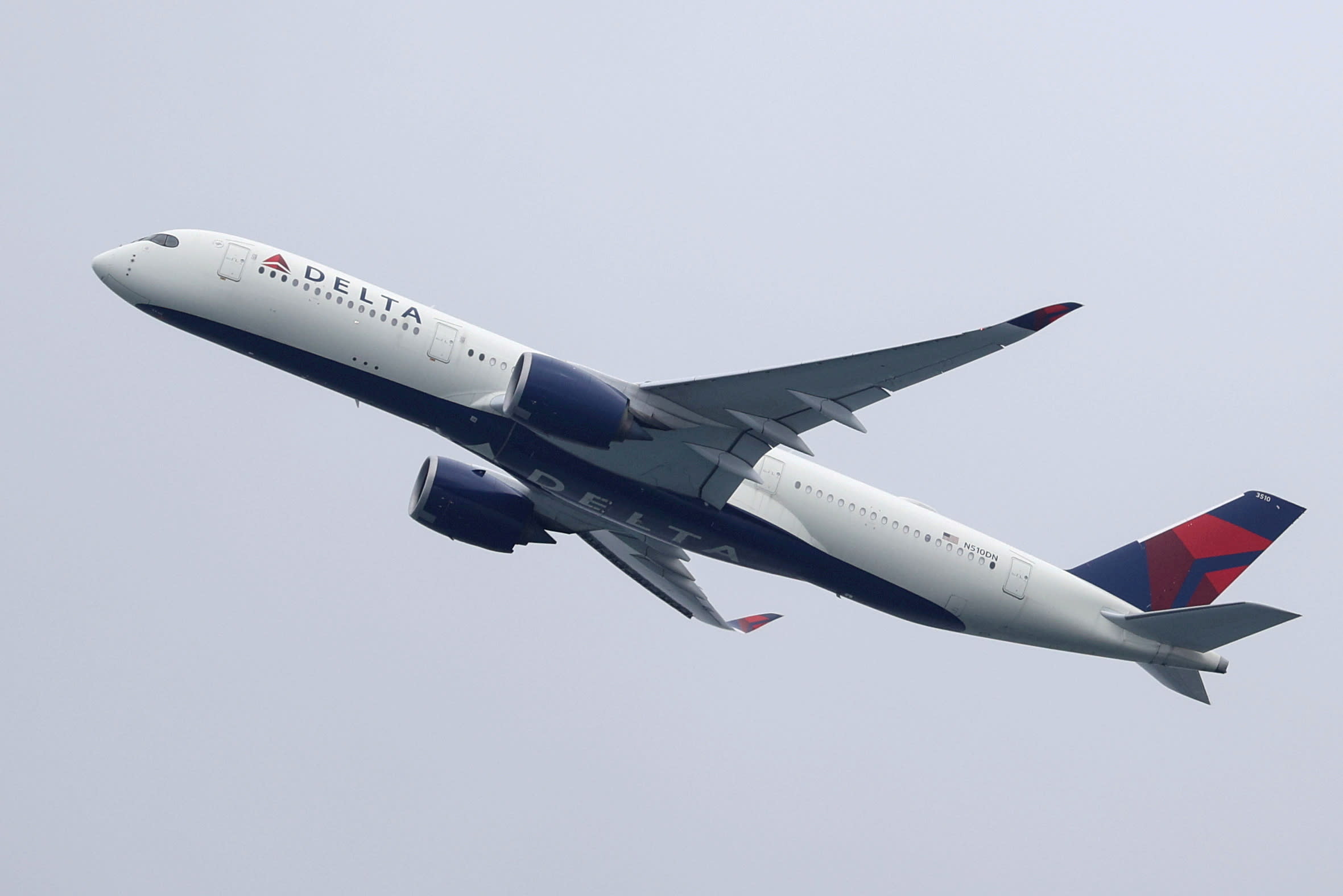
Delta Air Lines Delays Saudi Arabia Launch Due to Airport Security Threats
Delta postpones Atlanta-Riyadh service to March 2027 after deadly Houthi attacks close King Khalid International Airport.

The Paper Launches New Earth Channel to Address Climate Change
The Paper unveils Earth Channel, dedicated to climate reporting and environmental protection through innovative storytelling and visual communication.
Latest Articles
- China's Countermeasures Against Belize's Minister of Foreign Affairs and Trade
- Taiz: The Decisive Battlefield Shaping Yemen's War
- Kalshi Hires Former FBI Agent to Combat Money Laundering Amid Regulatory Scrutiny
- Retailers Streamline Product Offerings to Boost Profitability
- OpenAI Safety Firing: Employees Question Tech Giant's Commitment
- Delta Air Lines Safety Concerns Delay Riyadh Atlanta Flight Launch