Diesel Prices Strain US School Districts as New Term Begins
With diesel up nearly $2 per gallon, US schools face budget crises. Districts consolidate routes, add electric buses, and tap reserves. Analysis and FAQs inside.
Source: NPR
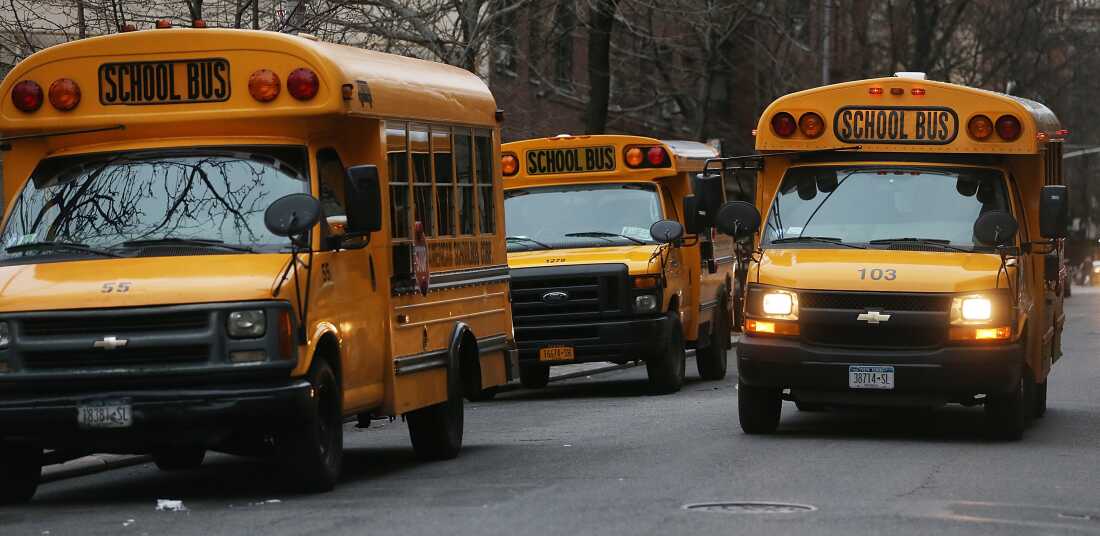
As students across the United States head back to the classroom, a new academic year brings a familiar but intensified challenge: the soaring cost of diesel fuel. With the national average price for a gallon of diesel hitting $5.62—up nearly $2 from $3.70 a year ago—school districts are grappling with a budget math problem that threatens to cut into educational resources. This price surge, driven by geopolitical tensions and supply disruptions, is forcing administrators to make tough choices about transportation, from consolidating bus routes to exploring alternative fuels. The impact is felt nationwide, as nearly 90% of the country's 480,000 school buses run on diesel, making fuel costs a significant line item in district budgets.
Key Developments
-
Budget Overruns Across Districts: A May survey by organizations representing school superintendents and bus companies found that over half of the districts surveyed reported diesel prices pushing them over budget. This has led to a scramble to find savings before the school year even began.
-
Route Consolidation and Bell Time Staggering: Many districts, like Yakima School District in Washington, are consolidating bus routes and staggering bell times to reduce the number of trips. Jacob Kuper, assistant superintendent of finance and operations, estimates these measures could save $400,000 to $500,000, offsetting the projected $130,000 increase in fuel costs—the equivalent of one teacher's salary.
-
Impact on Drivers and Students: While consolidation saves money, it means longer routes and longer hours for drivers, potentially leading to more difficult working conditions. In rural areas, students may face longer waits, though Yakima's small geographic footprint mitigates this.
-
Limiting Non-Essential Trips: About 40% of districts are consolidating routes, and 20% are limiting non-required trips like field trips to cut fuel consumption. This has implications for student experiences and extracurricular activities.
-
Exploring Alternative Vehicles: Some districts are considering or already adding electric buses. Boise School District in Idaho recently added eight electric buses funded by a federal Clean School Bus Program award, hoping to reduce long-term fuel costs despite a $600,000 increase in transportation costs this year.
-
Tapping into Reserve Funds: Many districts are using rainy-day funds as a temporary solution, but this may weaken their ability to respond to future financial challenges, warns Elleka Yost of the Association of School Business Officials International.
-
Local Price Variations: In Monterey, California, the district transitioned most of its buses from diesel to gasoline, but local taxes make gas prices higher than the national average, at $5.77 per gallon, potentially making it more expensive than diesel elsewhere. Transportation director Tom Thorpe had to go back to his boss twice to request additional funds, saying, "I didn't project enough, boss."
In-Depth Analysis
The diesel price crisis is not just a logistical problem; it's a reflection of broader economic and geopolitical forces that are reshaping school budgets. The war with Iran has disrupted global oil supplies, driving up crude prices and, consequently, diesel costs. This comes at a time when schools are already underfunded, and any unexpected expense can have cascading effects on educational quality. The reliance on diesel, a fossil fuel, makes districts vulnerable to price volatility, highlighting the urgent need for a transition to more sustainable and cost-stable energy sources.
The federal Clean School Bus Program is a step in the right direction, but its reach is limited. As of now, only a fraction of the nation's fleet is electric, and the upfront costs of electric buses remain a barrier for many districts. Moreover, the infrastructure for charging and maintenance is not yet widespread, particularly in rural areas. The long-term savings from electric buses could be significant, but districts must balance immediate budget constraints with future investments.
Looking ahead, school districts will need to adopt a multi-pronged approach: continue optimizing routes, explore alternative fuels, and advocate for more federal and state funding. The crisis also underscores the importance of energy independence and the need for policies that stabilize fuel prices. For now, administrators like Kuper are focused on keeping buses rolling while minimizing the impact on students. As he puts it, his job is to "keep the reductions outside the classroom, if possible." This sentiment captures the delicate balancing act that school leaders face across the nation.

Frequently Asked Questions
Why are diesel prices so high right now? The primary driver is the ongoing conflict with Iran, which has disrupted global oil supplies. Additionally, refinery capacity constraints and seasonal demand have contributed to the spike, with diesel prices rising faster than gasoline.
How are schools coping with the increased fuel costs? Districts are employing a variety of strategies, including consolidating bus routes, staggering bell times, limiting field trips, and tapping into reserve funds. Some are also investing in electric buses or switching to gasoline, though local fuel prices can vary.
Will these measures affect students' education? While the goal is to keep cuts outside the classroom, longer bus rides and reduced field trips can impact student experiences. In some cases, budget constraints may lead to larger class sizes or reduced staff, as the cost of fuel can equate to teacher salaries.

Source: https://www.npr.org/2026/08/27/nx-s1-5944429/school-buses-fuel-diesel-prices
Related posts
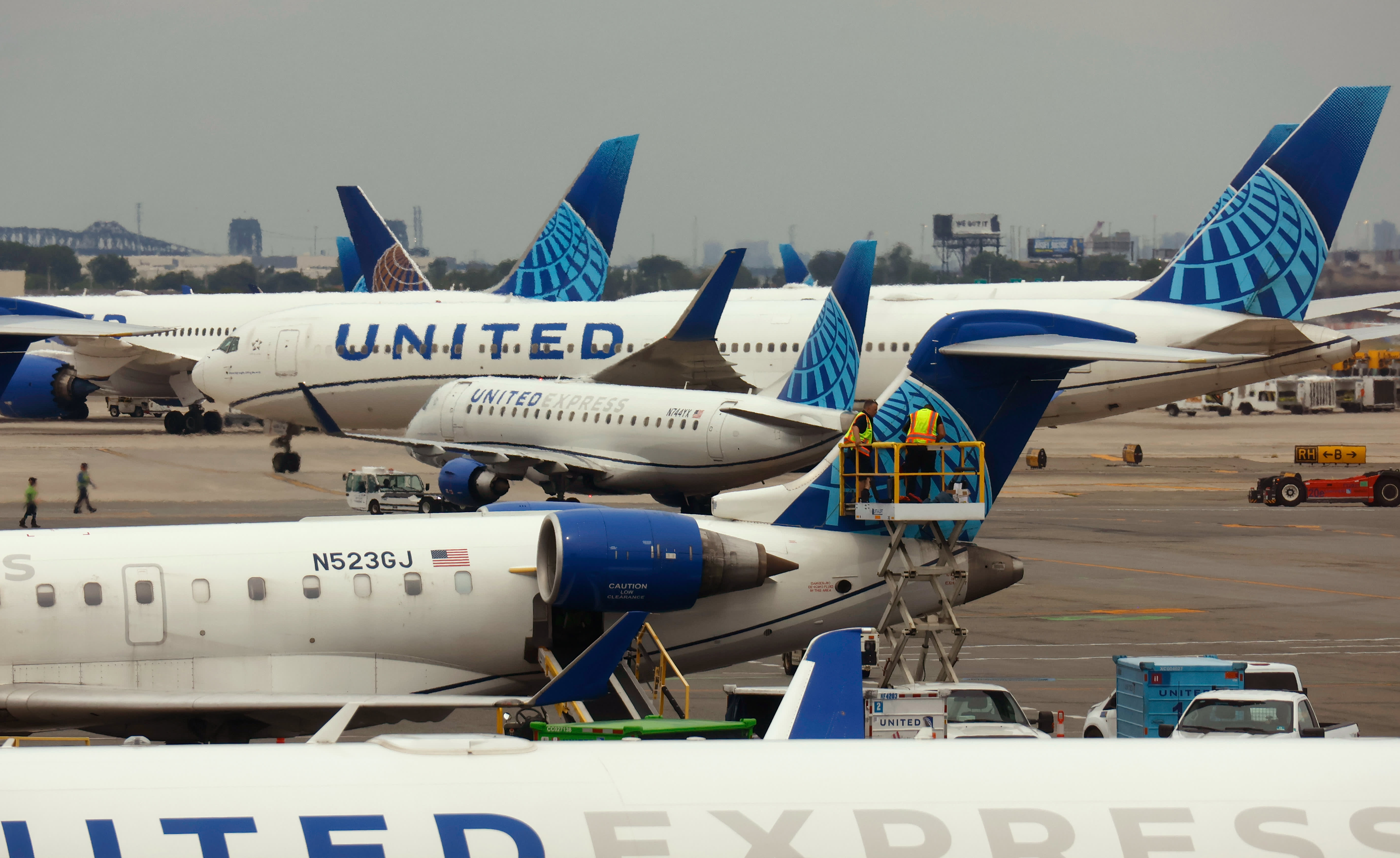
United Airlines 2027 Status Changes: Why Earning Top Tier is Getting Harder
United Airlines is removing flight segment requirements to reach elite status. Discover how the new points-based system works and what it means for your travel rewards.
US-EU Double Standards Exposed: Trump's Russia Diesel Deal Sparks Global Outcry
Trump's deal to buy Russian diesel while sanctioning others reveals a hypocritical US energy policy amid rising global inflation.
Walmart Expands Employee Healthcare: Free GLP-1s, Insulin, and More
Walmart is covering over 250 prescriptions, including insulin and GLP-1s, at no cost. Discover how the retail giant is reshaping employee benefits amid rising healthcare costs.
Travelers Beware: How Scammers Impersonate Consular Staff
Protect your finances from sophisticated impersonation scams targeting Chinese travelers in Laos. Learn how to verify official requests and secure your personal data.

US Lawmaker: AI Transcends Borders, Urging US-China Cooperation
Washington State Representative Roger Goodman emphasizes that AI risks don't recognize national boundaries, calling for enhanced US-China collaboration to ensure AI benefits humanity.
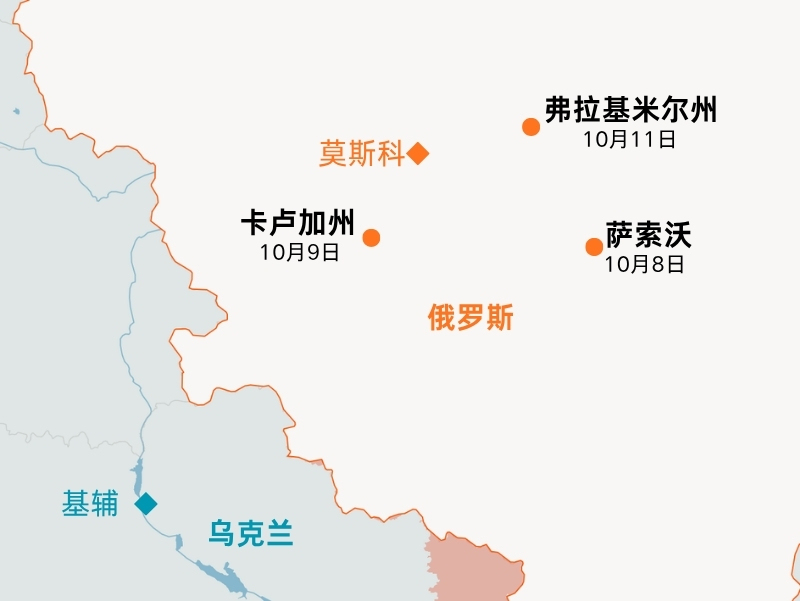
Ukraine Claims Drone Attacks Reduced Russian Online Propaganda
President Zelensky asserts that strikes on Yandex data centers decreased social media bots, though experts question the causal link.
Saudi Crown Prince's Evacuation: Escalating Conflict Threatens Vision 2030
Saudi Arabia faces a critical security crisis as Houthi attacks intensify, forcing the Crown Prince to relocate to fortified bunkers and jeopardizing major economic initiatives.

FAA warns U.S. airlines of safety risks over Saudi Arabia after attacks
FAA warns U.S. airlines of safety risks over Saudi Arabia after attacks. FAA warns U.S. airlines of safety risks over Saudi Arabia after attacks. FAA warns U.S. airlines of safety risks over Saudi Arabia after attacks.
Latest Articles
- McDonald's Chicken and Beverage Strategy Faces Intense Competition
- Delta Air Lines Delays Saudi Arabia Launch Due to Airport Security Threats
- The Paper Launches New Earth Channel to Address Climate Change
- China's Countermeasures Against Belize's Minister of Foreign Affairs and Trade
- Taiz: The Decisive Battlefield Shaping Yemen's War
- Kalshi Hires Former FBI Agent to Combat Money Laundering Amid Regulatory Scrutiny