CXMT Posts $1.1B Daily Profit: DRAM Boom Reshapes Memory Market
China's top DRAM maker CXMT reports explosive H1 2026 earnings, earning $1.1B daily. Dive into the DRAM shortage, tech leaps, and what it means for global memory.
Source: 21记者
When a company that was losing money just two years ago suddenly starts printing billions in profit, the tech world takes notice. ChangXin Memory Technologies (CXMT), China's leading DRAM manufacturer, just delivered its first semi-annual report since its STAR Market debut, and the numbers are nothing short of staggering. In the first half of 2026, CXMT earned a net profit of 77.6 billion yuan (about $10.9 billion), flipping from a loss of 2.3 billion yuan a year earlier. That's roughly 4.29 billion yuan (about $600 million) in profit per day. This isn't just a corporate turnaround; it's a seismic shift in the global memory chip landscape, driven by an AI-fueled DRAM shortage that shows no signs of easing.
The company's revenue surged 873% year-on-year to 150.3 billion yuan, far exceeding its own guidance. This explosive growth underscores how critical memory chips have become in the age of artificial intelligence, cloud computing, and smart devices. But CXMT's story is more than just a windfall—it's a testament to strategic resilience, technological leapfrogging, and the geopolitical stakes of semiconductor self-sufficiency. Let's break down what this means for the industry and why you should care.
Key Takeaways
-
Explosive Financial Rebound: CXMT's H1 2026 net profit of 77.6 billion yuan is 41 times its full-year 2025 profit of 18.75 billion yuan. The company had suffered cumulative losses exceeding 30 billion yuan from 2022 to 2024, but now it's generating cash at an unprecedented rate. Operating cash flow hit 131.2 billion yuan, up nearly 3,000% year-on-year, and accounts receivable are just 5% of revenue, indicating strong bargaining power in a seller's market.
-
DRAM Shortage Driving Prices: The global DRAM market is experiencing a severe supply-demand imbalance, with prices skyrocketing. CXMT attributes its stellar performance to surging demand for compute power and capacity adjustments by major manufacturers. As a result, gross margins on its main DRAM products have expanded dramatically, turning a former loss-maker into a profit machine.
-
Technological Leapfrogging: CXMT has adopted a "skip-generation" R&D strategy, advancing from its first-generation to fourth-generation process technology. It now covers a full range of products from DDR4 and LPDDR4X to DDR5, LPDDR5/5X, and the latest LPDDR6. This rapid progression has brought its core products to international advanced levels, narrowing the gap with industry leaders like Samsung and SK Hynix.
-
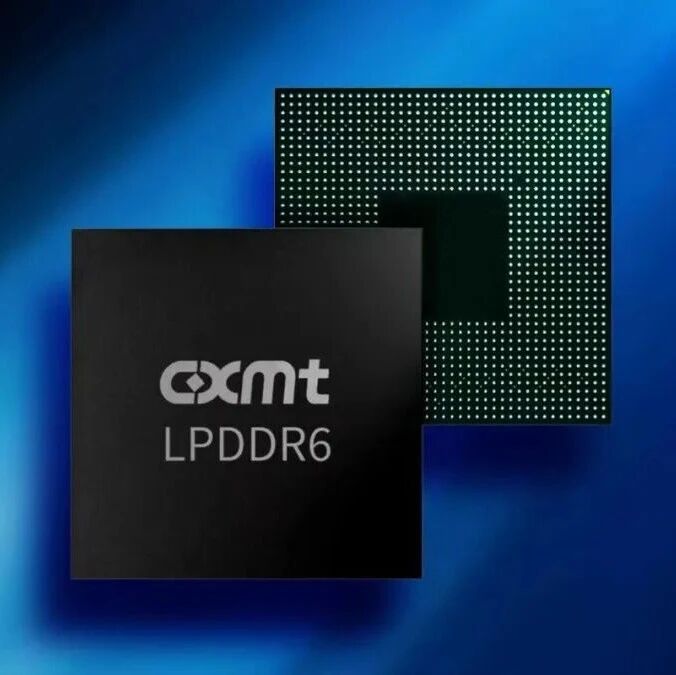
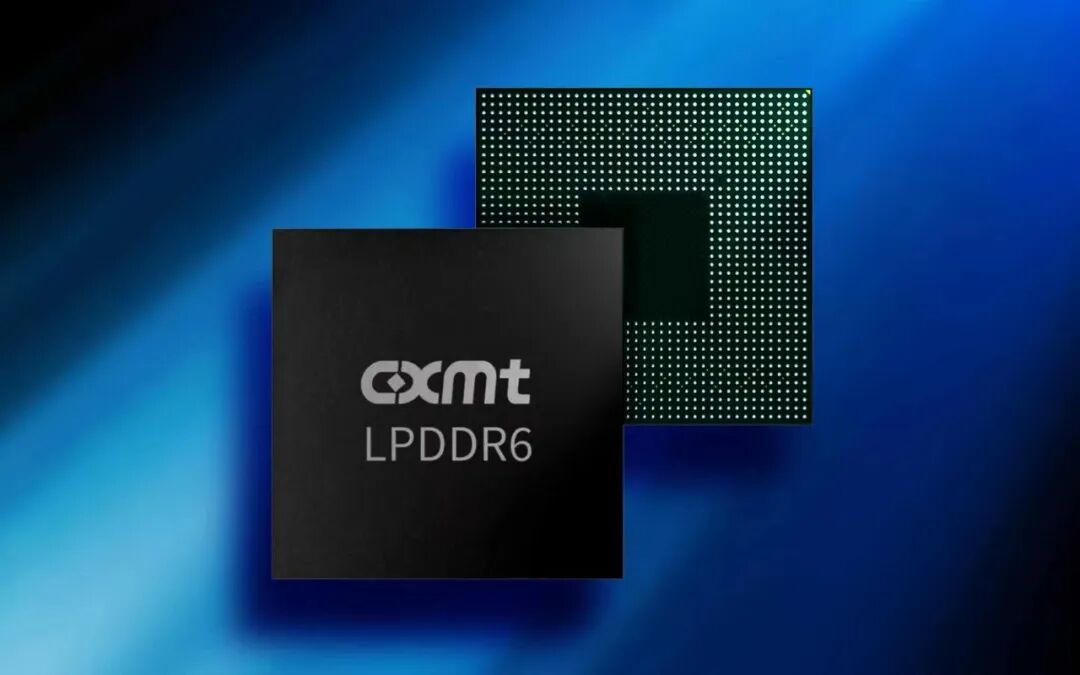
LPDDR6 Breakthrough: CXMT's LPDDR6 memory, with speeds up to 12,800 Mbps and 16GB capacity, represents a major leap over its predecessor. Already sampling with key customers, this product is poised for applications in mobile devices, servers, and smart vehicles. Its partnership with Xiaomi for the Xuanjie O3 chip highlights its growing role in flagship smartphones.
-
Product Mix and Revenue Diversification: In H1 2026, CXMT earned 69.5 billion yuan from DDR series and 78.2 billion yuan from LPDDR series. This balanced portfolio reduces reliance on any single segment and positions the company to capitalize on both PC/server and mobile markets.
-
Strong Balance Sheet and Cash Position: With 143.4 billion yuan in cash and only 35.1 billion yuan in inventory, CXMT is well-capitalized for future expansions. Its "cash-before-delivery" model reflects its dominant position in the market, allowing it to fund R&D and capacity expansion without financial strain.
-
Industry Outlook: CXMT expects the DRAM supply shortage to persist through the second half of 2026. The company plans to focus on operational efficiency, product iteration, and open innovation to further strengthen its competitive edge and expand its market influence.

In-Depth Analysis
The staggering numbers from CXMT are not just a corporate success story; they reflect a fundamental shift in the global semiconductor industry. For years, the DRAM market was dominated by a trio of South Korean and American companies—Samsung, SK Hynix, and Micron. CXMT's emergence as a profitable player signals that China is serious about achieving self-sufficiency in critical technologies, a goal that has gained urgency amid escalating US-China tech tensions. The company's "skip-generation" strategy is particularly noteworthy: instead of incrementally improving, CXMT jumped directly to advanced nodes, allowing it to catch up faster than expected. This approach, combined with massive government support and a booming domestic market, has enabled CXMT to turn losses into profits in record time.
However, this rapid rise also raises questions about sustainability. The DRAM industry is notoriously cyclical, and the current boom may not last forever. CXMT's reliance on the Chinese market, which is both a strength and a vulnerability, could be tested if global demand softens or if geopolitical tensions disrupt supply chains. Moreover, the company's heavy investment in cutting-edge technology like LPDDR6 is a double-edged sword: it positions CXMT at the forefront of innovation but also exposes it to high R&D costs and potential yield challenges. Yet, with the AI boom driving insatiable demand for memory, CXMT seems well-positioned to ride the wave for at least the next few years.
Looking ahead, CXMT's success could reshape the competitive landscape. If the company continues to scale up production and gain market share, it could pressure the incumbents to lower prices, benefiting consumers but squeezing margins across the industry. Alternatively, CXMT might become a key supplier in global supply chains, especially for companies seeking to diversify away from Korean and American sources. The company's partnership with Xiaomi is a case in point: as Chinese smartphone makers look to secure their memory supply, CXMT offers a reliable, homegrown alternative. This synergy between Chinese tech giants could accelerate the localization of key components, further reducing reliance on foreign suppliers.
From a market perspective, CXMT's performance is a beacon for investors. Its stock, listed on the STAR Market, has likely attracted significant attention, and its strong fundamentals could make it a long-term winner. However, investors should be cautious about the cyclical nature of the semiconductor industry. The current shortage is partly driven by AI-driven demand, but if AI investment cools or if new capacity comes online, prices could fall. CXMT's ability to innovate and maintain cost competitiveness will be crucial in navigating these cycles.
Frequently Asked Questions
Q: Why is CXMT's profit so high compared to its revenue?
A: CXMT's net profit margin is exceptionally high because it operates in a seller's market where DRAM prices have surged due to supply shortages. The company's gross margins have expanded dramatically, and its operating expenses have been relatively stable, allowing a larger share of revenue to flow to the bottom line. Additionally, its "cash-before-delivery" model indicates strong pricing power, further boosting profitability.
Q: How does CXMT's technology compare to Samsung and SK Hynix?
A: CXMT has made remarkable progress, achieving mass production on its fourth-generation process technology and covering advanced products like DDR5 and LPDDR6. While it may still lag behind the top-tier players in terms of process node sophistication and yield rates, its technology is now considered internationally advanced. The company's LPDDR6, for instance, offers competitive speeds and capacity, making it a viable option for flagship devices.
Q: What are the risks for CXMT in the coming years?
A: The main risks include the cyclical nature of the DRAM market, potential oversupply as new capacity comes online, and geopolitical uncertainties that could affect its access to advanced equipment and materials. Additionally, reliance on the Chinese market and potential export controls could limit its global expansion. However, its strong cash position and government backing provide a buffer against these challenges.

Source: https://mp.weixin.qq.com/s/M0B712aXI-2Z_aRx8LtalA
Related posts

Volkswagen to Cut 100,000 Jobs: Inside the Biggest Automaker Restructuring
Volkswagen plans 100,000 job cuts, four German plant closures, and a halved model lineup by 2035 as profits collapse and China earnings shrink.

Alibaba Scrapped Its P-Level System: What It Means for Your Company
Alibaba dismantled its 19-year-old P-level hierarchy in 2023. Here's why high-level 'performers' drain profits, and how smaller firms can cut layers before it's too late.
China's 2026 Unicorn Rankings: AI Reshapes the Top 10
China ranks second globally with 381 unicorns. AI leads the 2026 list as ByteDance, Ant Group, and DeepSeek dominate. Explore the shifting landscape.

ByteDance Boosts AI Talent Incentives with Doubao Stock Hike
ByteDance raises Doubao stock price by 14.6% to retain AI talent, expands equity incentives, and integrates teams to accelerate AI adoption in the workplace.
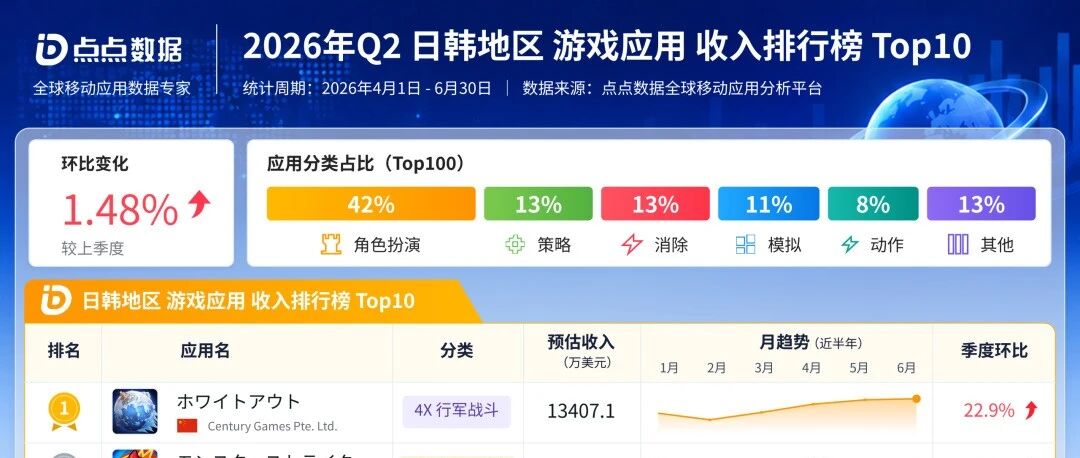
Chinese Mobile Games Dominate Japan & Korea Q2 2026 Revenue Charts
Diandian Interactive's Whiteout Survival and Kingshot top Japan/Korea Q2 2026 revenue rankings. Market shows steady growth with iOS users spending 1.2x more. Full analysis inside.

Global Mobile Gaming Revenue Dips 1% in August: Why Mid-Tier Games Are Losing
Sensor Tower's August report reveals a $66M monthly revenue drop in mobile gaming. Top titles grow while mid-tier suffers. Insights on market shifts, regional trends, and what it means for developers.

China Southern Airlines Incheon Airport Ground Staff Recruitment 2026: A Gateway for Bilingual Talent
China Southern Airlines is hiring ground staff at Incheon International Airport for 2026. Learn about the role, requirements, and why this is a strategic opportunity for Korean-Chinese bilinguals.

Korea Coast Guard 2026 Chinese Translation Exam: Key Dates & Rules
Korea Coast Guard's 2026 3rd recruitment Chinese translation written exam set for Sept 5. Learn schedule, scoring, ID rules, prohibited items, and results date.
Latest Articles
- FAA warns U.S. airlines of safety risks over Saudi Arabia after attacks
- McDonald's Chicken and Beverage Strategy Faces Intense Competition
- Delta Air Lines Delays Saudi Arabia Launch Due to Airport Security Threats
- The Paper Launches New Earth Channel to Address Climate Change
- China's Countermeasures Against Belize's Minister of Foreign Affairs and Trade
- Taiz: The Decisive Battlefield Shaping Yemen's War