Gyirong Port Landslide Disaster: Rescue Challenges and Multilateral Response
A devastating landslide at Gyirong Port on the Nepal border has left 558 missing. Here's the latest on rescue efforts, terrain challenges, and how China mobilized a massive emergency response.
Source: 上游新闻
The remote Himalayan border crossing of Gyirong Port in Tibet's Shigatse Prefecture has become the epicenter of a large-scale rescue operation after a catastrophic landslide on August 26, 2026. Triggered by a debris flow on the Nepalese side, the disaster has killed at least three people and left 558 missing, including 260 foreign nationals. As rescue teams race against time, the region's treacherous terrain and complex hydrology are severely complicating efforts. This article provides a comprehensive overview of the disaster, the ongoing rescue mission, and the formidable challenges that lie ahead.
Key Developments
-
Massive Casualty and Missing Count: As of 8:00 AM on August 27, rescuers had recovered two survivors, while three fatalities were confirmed and 558 people remained unaccounted for. The majority of the missing are believed to be in the port area, which was directly in the path of the mudslide.
-
Infrastructure Devastation: The landslide, with a leading edge nearly 1.5 meters thick, completely destroyed 1.5 to 2 kilometers of the road leading to the port. The road's foundation was undercut in multiple places, and cracks appeared on mountain slopes, making access extremely difficult for heavy machinery.
-
Emergency Shelters and Evacuations: In Gyirong Town, authorities set up a temporary shelter with about 30 tents, each equipped with four beds, bedding, and pillows. Power supply and emergency lighting were activated. By the evening of August 26, 42 villagers from Laojang Village and 327 others from three other villages were evacuated to safer locations. All residents in high-risk zones near the port were relocated.
-
Multilateral Rescue Mobilization: The first batch of 141 rescuers reached the port by 8:00 AM on August 27. A high-altitude Mi-171 helicopter was deployed, and a civilian charter flight brought 111 members of the China Rescue Team with detection, life-saving, and communication gear. Additional teams from China Railway, China State Construction, and other state-owned enterprises, totaling 548 people with 384 pieces of equipment, were en route. The Tibet Military District dispatched 228 troops and 23 vehicles, with another 4,790 personnel on standby.
-
Aerial Support and Communication: A Wing Loong drone, launched from Sichuan, arrived over the disaster zone at 2:00 AM on August 27. Equipped with high-definition cameras and mobile base stations, it is providing vital communication support. Two more helicopters from the Army Aviation Brigade were deployed for search and rescue by noon.
-
Government Funding and Supplies: The central government allocated 120 million yuan (approximately $17 million) in emergency disaster relief funds. The Tibet Autonomous Region dispatched 8,000 cotton coats, with the first batch arriving on August 27. The Red Cross Society of China sent 2,500 relief items, including tents and family kits.
-
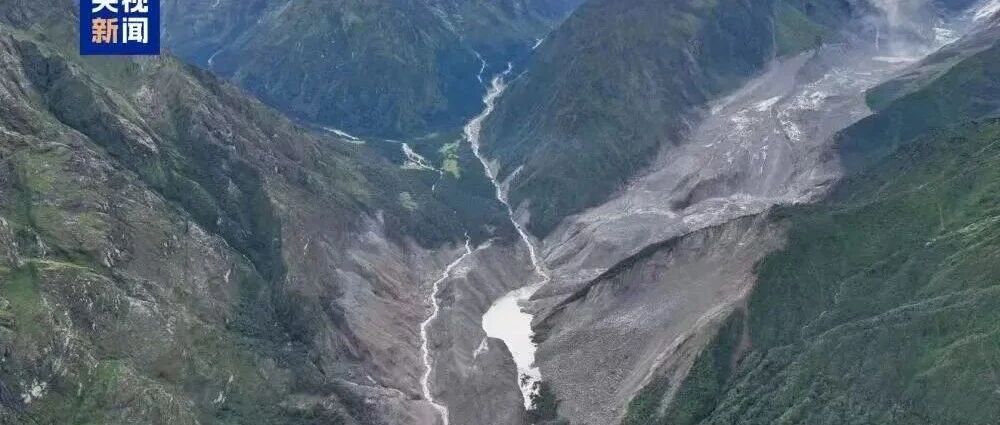
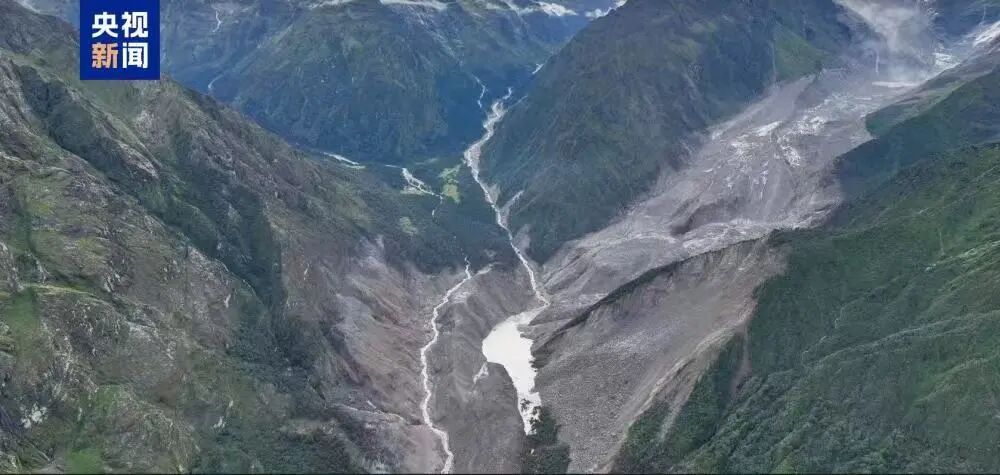
Ongoing Risks: Meteorologists warned of heavy rainfall and potential secondary disasters such as flash floods and landslides in low-altitude areas. A barrier lake near the confluence of the Cuojian River and Pureqiang Zangbo had an estimated 2 million cubic meters of water and was at risk of breaching, posing an additional threat.
In-Depth Analysis
The Gyirong Port disaster underscores the extreme vulnerability of infrastructure in high-altitude, geologically unstable regions. The area's unique combination of steep mountain slopes, narrow valleys, and concentrated water flow creates a perfect storm for landslides and debris flows, especially during monsoon season. The fact that the road to the port was completely destroyed within hours highlights the fragility of the only land link to Nepal for this remote region.
One of the most critical challenges is the uncertainty about the stability of the source area on the Nepalese side. Without ground access, experts must rely on aerial surveillance and satellite imagery to assess the risk of further collapses. The barrier lake, which has already reached a volume of 2 million cubic meters and is expected to grow by another 3 million cubic meters in the coming days, could unleash a catastrophic flash flood if it breaches, endangering both rescue teams and downstream communities.
The response has been swift and massive, reflecting China's established protocol for major disasters. The use of drones, helicopters, and even a Y-20 transport aircraft demonstrates the military's role in disaster relief. However, the terrain limits the effectiveness of heavy equipment, forcing rescuers to rely on manual search and specialized tools. The presence of 260 foreign nationals among the missing adds an international dimension, requiring coordination with Nepal and other countries.
Looking ahead, the priority is to locate survivors, but time is running out. The weather forecast predicts rain, which could hamper operations and trigger new landslides. The long-term recovery will require rebuilding the road and reinforcing slope stability, a task that could take months. This disaster also highlights the need for improved early warning systems and cross-border cooperation in disaster management, as the landslide originated in Nepal but had devastating impacts on Chinese territory.
Frequently Asked Questions
Why is the rescue so difficult in Gyirong Port?
The rescue is challenging due to the complex terrain and hydrology. The area is a high mountain canyon with concentrated water flow, making it prone to landslides. The road to the port is completely destroyed, and there are risks of secondary disasters like barrier lake breaches and further slope collapses. Limited visibility and adverse weather conditions also hinder aerial operations.
What is the status of the missing persons, and how are foreign nationals being handled?
As of now, 558 people are missing, including 260 foreigners. Search and rescue teams are working around the clock, but the rugged terrain and ongoing risks make progress slow. The Chinese government is coordinating with Nepal and other relevant embassies to provide information and support to families of the missing.
What are the potential secondary disasters, and how are authorities mitigating them?
Potential secondary disasters include barrier lake breaches, landslides, and flash floods. Authorities are monitoring the barrier lake closely and conducting risk assessments. They have set up observation posts to detect any signs of instability. Additionally, temporary traffic controls are in place to ensure safe passage for rescue vehicles and to prevent civilian casualties.

Source: https://mp.weixin.qq.com/s/ejPU6Wq687TyZNegk_RQWg
Related posts

Volkswagen to Cut 100,000 Jobs: Inside the Biggest Automaker Restructuring
Volkswagen plans 100,000 job cuts, four German plant closures, and a halved model lineup by 2035 as profits collapse and China earnings shrink.

Alibaba Scrapped Its P-Level System: What It Means for Your Company
Alibaba dismantled its 19-year-old P-level hierarchy in 2023. Here's why high-level 'performers' drain profits, and how smaller firms can cut layers before it's too late.

China's 2026 Unicorn Rankings: AI Reshapes the Top 10
China ranks second globally with 381 unicorns. AI leads the 2026 list as ByteDance, Ant Group, and DeepSeek dominate. Explore the shifting landscape.

ByteDance Boosts AI Talent Incentives with Doubao Stock Hike
ByteDance raises Doubao stock price by 14.6% to retain AI talent, expands equity incentives, and integrates teams to accelerate AI adoption in the workplace.

Chinese Mobile Games Dominate Japan & Korea Q2 2026 Revenue Charts
Diandian Interactive's Whiteout Survival and Kingshot top Japan/Korea Q2 2026 revenue rankings. Market shows steady growth with iOS users spending 1.2x more. Full analysis inside.

Global Mobile Gaming Revenue Dips 1% in August: Why Mid-Tier Games Are Losing
Sensor Tower's August report reveals a $66M monthly revenue drop in mobile gaming. Top titles grow while mid-tier suffers. Insights on market shifts, regional trends, and what it means for developers.

China Southern Airlines Incheon Airport Ground Staff Recruitment 2026: A Gateway for Bilingual Talent
China Southern Airlines is hiring ground staff at Incheon International Airport for 2026. Learn about the role, requirements, and why this is a strategic opportunity for Korean-Chinese bilinguals.

Korea Coast Guard 2026 Chinese Translation Exam: Key Dates & Rules
Korea Coast Guard's 2026 3rd recruitment Chinese translation written exam set for Sept 5. Learn schedule, scoring, ID rules, prohibited items, and results date.
Latest Articles
- UN Chief Condemns US Sanctions on International Criminal Court
- Ukraine Expresses Betrayal Over US-Russia Diesel Deal
- WFP Chief Warns: 'Slow-Burning' Food Crisis as War, Climate, and Supply Chain Disruptions Collide
- Colin Mackerras: Australia's Renowned Sinologist and Bridge Between Nations
- EU Parliament Report on China: Diplomatic Response & Future Outlook
- South Korea Successfully Tests First Indigenous Hypersonic Glide Vehicle