South Korea's Game Industry Struggles as Global Market Booms
Despite global gaming growth, South Korea's game industry faces declining users, closures, and reliance on MMORPGs. Analysis of causes and future outlook.
Source: AJU视界
The global gaming industry is on an upward trajectory, with market size projected to nearly double by 2031. Yet, South Korea—once a powerhouse in the sector—is bucking the trend. New data reveals a dramatic drop in game usage, a surge in company closures, and a stubborn reliance on outdated business models. As Chinese competitors gain ground, the question arises: can Korea adapt to the new era of entertainment consumption?
Key Highlights
-
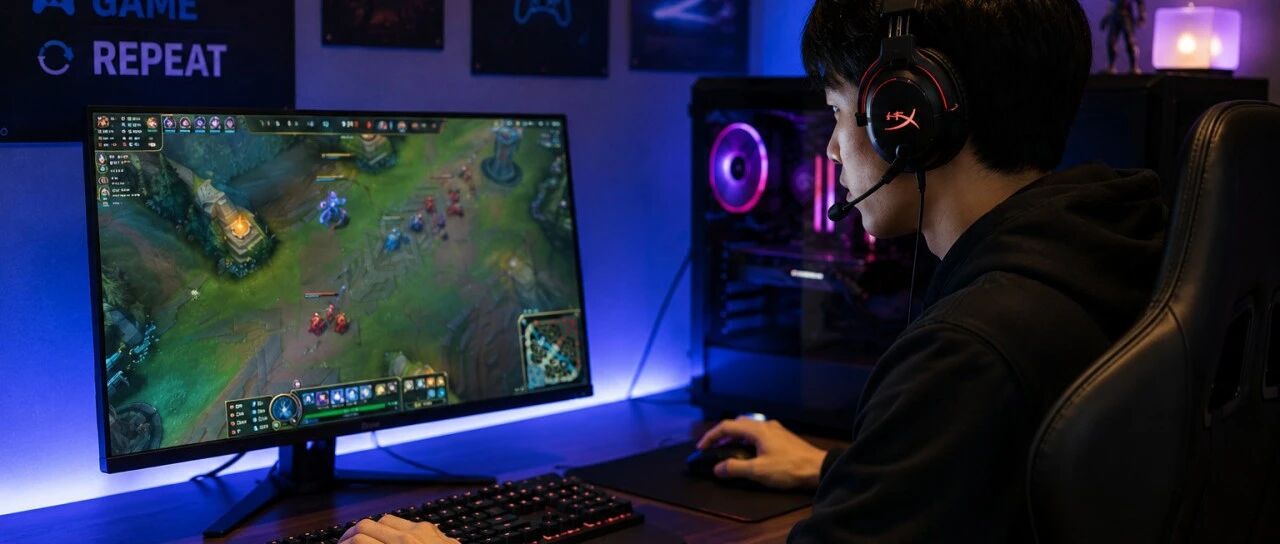
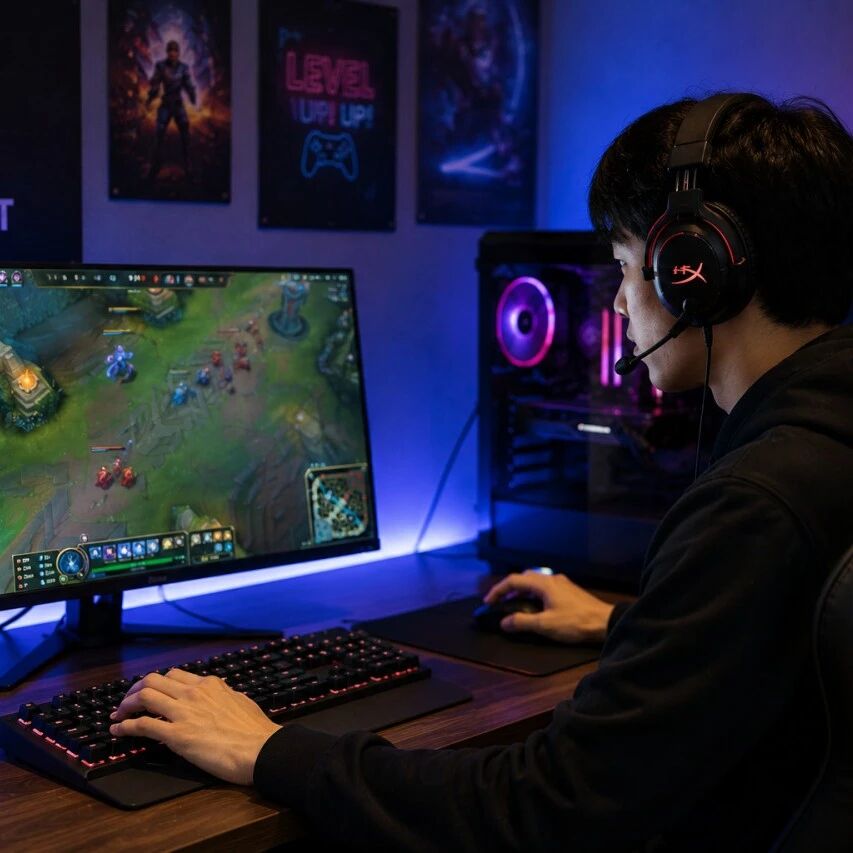
Plummeting Game Usage: According to the Korea Creative Content Agency, the percentage of South Koreans playing games fell from 74.4% in 2022 to 62.9% in 2023, 59.9% in 2024, and just 50.2% in 2025—the lowest on record. Industry insiders predict it could drop below 50% this year, signaling a fundamental shift in consumer behavior.
-
Rising Business Closures: The Ministry of the Interior and Safety reported that 223 game development and publishing companies shut down last year, a 31.2% increase year-over-year and the highest since 2007. In the first seven months of this year, 151 more have closed, putting the annual total on track to approach 300—a concerning trend for the industry's health.
-
Global Market Contrast: While Korea struggles, the global gaming market continues to expand. Mordor Intelligence forecasts the market will grow from $269.06 billion in 2025 to $446.27 billion by 2031, driven by mobile gaming, cloud gaming, and emerging markets. This disparity highlights Korea's unique challenges.
-
Shift in Entertainment Habits: The rise of streaming services and short-form video has fragmented consumer leisure time. Last year, daily mobile gaming time for Koreans dropped to 90.9 minutes on weekdays and 116.4 minutes on weekends. About 80% of users who reduced gaming time redirected it to streaming, TV, movies, and animation.
-
MMORPG Overdependence: Korean companies have long relied on massively multiplayer online role-playing games (MMORPGs), which require long play sessions and high spending. According to Sensor Tower, MMORPGs accounted for 78.8% of Korea's mobile game revenue in 2020, and still 56.2% in 2024. This model clashes with the modern preference for quick, bite-sized entertainment.
-
Chinese Competitors Gaining Ground: In the latest monthly rankings for mobile game revenue in Korea, five of the top ten titles are from Chinese companies. Chinese developers have diversified into new genres and innovative gameplay, directly challenging Korean firms' traditional strengths.
-
Export Concentration Risk: Games make up 60.1% of South Korea's content industry exports. A decline in game competitiveness could have ripple effects on the entire content sector, including K-dramas, music, and webtoons, which often rely on gaming's financial success.
Deep Dive Analysis
South Korea's gaming predicament is not merely a cyclical downturn but a structural crisis rooted in strategic inertia. For over two decades, the industry has ridden the wave of PC bang (internet café) culture and the immense popularity of MMORPGs like Lineage and MapleStory. These games were designed for long sessions, fostering social communities and monetizing through in-game purchases. However, the entertainment landscape has transformed dramatically with the advent of Netflix, YouTube, and TikTok. Consumers now favor short, immediate gratification—a trend that directly contradicts the time-intensive nature of MMORPGs.
The data underscores this mismatch: while global gaming grows, Korean engagement declines. The industry's failure to pivot toward casual, hyper-casual, or narrative-driven games has left it vulnerable. Meanwhile, Chinese companies, unburdened by legacy models, have aggressively expanded into Korea with titles like Genshin Impact and Honkai: Star Rail, offering high-quality visuals and innovative mechanics that appeal to younger audiences.
Another critical factor is the regulatory environment. South Korea has stringent regulations on gaming, including the shutdown law (often called the 'Cinderella Law') that restricts minors from playing late at night. While intended to curb addiction, these rules have stifled growth and pushed some developers to focus on overseas markets. Additionally, the industry's concentration in a few large conglomerates (like Nexon, NCSoft, and Netmarble) has led to risk-averse strategies, prioritizing proven formulas over experimentation.
Looking ahead, Korea's game industry must undergo a paradigm shift. Diversifying into mobile-friendly, cross-platform games, embracing emerging technologies like cloud gaming and AI-driven content, and fostering indie developers could revitalize the sector. The government could also play a role by easing regulations and promoting global partnerships. However, time is of the essence—as the global market booms, Korea risks being left behind unless it adapts to the evolving tastes of digital natives.
Frequently Asked Questions
Why is South Korea's game industry declining despite global growth? The decline is primarily due to a shift in consumer entertainment habits toward streaming and short-form content, coupled with the industry's heavy reliance on MMORPGs, which require long play sessions and high spending. This model no longer resonates with younger audiences who prefer quick, casual gaming experiences.
How are Chinese game companies impacting South Korea? Chinese companies have captured significant market share in Korea by offering diverse genres and innovative gameplay. Their success in Korea's top-grossing charts highlights their ability to adapt to global trends, putting direct pressure on Korean developers to innovate.
What can South Korea do to revive its game industry? To recover, Korea needs to diversify game genres, invest in new business models (e.g., subscription services, cloud gaming), support indie developers, and possibly revise regulations that hinder growth. Embracing international trends and fostering a culture of innovation are crucial steps.
Source: https://mp.weixin.qq.com/s/IOS4kEyRN3ViPcqbbe8Ytg
Related posts

Volkswagen to Cut 100,000 Jobs: Inside the Biggest Automaker Restructuring
Volkswagen plans 100,000 job cuts, four German plant closures, and a halved model lineup by 2035 as profits collapse and China earnings shrink.

Alibaba Scrapped Its P-Level System: What It Means for Your Company
Alibaba dismantled its 19-year-old P-level hierarchy in 2023. Here's why high-level 'performers' drain profits, and how smaller firms can cut layers before it's too late.
China's 2026 Unicorn Rankings: AI Reshapes the Top 10
China ranks second globally with 381 unicorns. AI leads the 2026 list as ByteDance, Ant Group, and DeepSeek dominate. Explore the shifting landscape.

ByteDance Boosts AI Talent Incentives with Doubao Stock Hike
ByteDance raises Doubao stock price by 14.6% to retain AI talent, expands equity incentives, and integrates teams to accelerate AI adoption in the workplace.
Chinese Mobile Games Dominate Japan & Korea Q2 2026 Revenue Charts
Diandian Interactive's Whiteout Survival and Kingshot top Japan/Korea Q2 2026 revenue rankings. Market shows steady growth with iOS users spending 1.2x more. Full analysis inside.

Global Mobile Gaming Revenue Dips 1% in August: Why Mid-Tier Games Are Losing
Sensor Tower's August report reveals a $66M monthly revenue drop in mobile gaming. Top titles grow while mid-tier suffers. Insights on market shifts, regional trends, and what it means for developers.

China Southern Airlines Incheon Airport Ground Staff Recruitment 2026: A Gateway for Bilingual Talent
China Southern Airlines is hiring ground staff at Incheon International Airport for 2026. Learn about the role, requirements, and why this is a strategic opportunity for Korean-Chinese bilinguals.

Korea Coast Guard 2026 Chinese Translation Exam: Key Dates & Rules
Korea Coast Guard's 2026 3rd recruitment Chinese translation written exam set for Sept 5. Learn schedule, scoring, ID rules, prohibited items, and results date.
Latest Articles
- WFP Chief Warns: 'Slow-Burning' Food Crisis as War, Climate, and Supply Chain Disruptions Collide
- Colin Mackerras: Australia's Renowned Sinologist and Bridge Between Nations
- Ukraine Expresses Betrayal Over US-Russia Diesel Deal
- UN Chief Condemns US Sanctions on International Criminal Court
- EU Parliament Report on China: Diplomatic Response & Future Outlook
- South Korea Successfully Tests First Indigenous Hypersonic Glide Vehicle