Meituan's Pindu Haofan Adds McDonald's: A Strategic Win for Budget Meal Delivery
Meituan's group-buying meal service Pindu Haofan partners with McDonald's across 3,000+ stores in China. Explore how this move boosts brand trust, standardizes low-cost meals, and shapes the competitive food delivery landscape.
Source: 李响
In the fiercely competitive Chinese food delivery market, Meituan's budget-friendly service, Pindu Haofan (拼好饭), has just landed a major coup: McDonald's. The fast-food giant has launched exclusive combo meals on the platform across more than 3,000 stores nationwide. This partnership is more than just another menu addition—it signals a strategic shift in how platforms are leveraging brand power to win over price-sensitive consumers while maintaining quality and trust. As the battle for daily meals intensifies, this collaboration could redefine the economics of low-cost food delivery.
Key Highlights
-
McDonald's joins Pindu Haofan with exclusive combos: The initial offerings include two McChicken sandwiches with a taro pie, and a combo of crispy bamboo shoot rolls, fries, and a cola. These are designed to cater to high-frequency lunch and quick-meal needs, priced aggressively to compete in the budget segment.
-
Pindu Haofan's evolution from small vendors to big brands: Originally dominated by small, independent restaurants, the platform has been actively recruiting well-known chains like KFC, Burger King, Pizza Hut, and Laoxiangji. McDonald's entry is the latest and most significant addition, aiming to elevate the platform's credibility and standardize quality.
-
Standardization is key to McDonald's operational efficiency: McDonald's highly standardized processes—from ingredient specifications to cooking procedures—make it an ideal partner for Pindu Haofan's model, which relies on limited menu options and high order density to keep costs low.
-
Local supply chain strength: McDonald's China reports that over 90% of its supply chain is locally sourced, ensuring cost stability and the ability to handle large, concentrated orders without compromising quality.
-
Strategic move for Meituan to build brand trust: By bringing in established brands, Meituan aims to address consumer concerns about food safety and quality that have plagued budget meal platforms. Familiar logos reduce hesitation and increase order conversion.
-
The "Pindu Haofan" model: The service aggregates orders in specific areas, allowing restaurants to prepare identical meals in bulk, which reduces per-unit costs. This model works best with a limited menu, something McDonald's excels at.
-
Competitive landscape: Rivals like Taobao Flash Purchase and JD Delivery are also expanding their food delivery offerings, making brand partnerships a critical differentiator.
-
Regulatory pressures on subsidies: New regulations in June 2026 restrict excessive, long-term subsidies, pushing platforms to find sustainable cost efficiencies rather than relying on cash-burning promotions.

In-Depth Analysis
This partnership is a textbook example of how platforms and brands can create mutual value in the cutthroat food delivery market. For Meituan, Pindu Haofan has been a key growth driver, especially in lower-tier cities where price sensitivity is high. However, the platform has struggled with inconsistent quality and a "cheap" image. By enlisting McDonald's, Meituan gains instant brand recognition and quality assurance, which can help shift consumer perception from "cheap and possibly dodgy" to "affordable and reliable."
For McDonald's, the move is equally strategic. While the company already has its own app, loyalty program, and delivery service (McDelivery), Pindu Haofan opens a new customer segment: those who prioritize price over brand loyalty. These are consumers who might not have considered McDonald's for a daily meal but are drawn in by the low-priced combos. This could increase order volume and utilize idle kitchen capacity during off-peak hours.
However, the success of this venture is not guaranteed. The key challenge lies in whether these new orders represent incremental sales or merely cannibalize existing ones. If customers who would have ordered via McDelivery simply switch to Pindu Haofan for a cheaper price, McDonald's might see lower margins without a net increase in volume. To avoid this, the combos on Pindu Haofan are distinct from regular menu items, and the platform's user base is different from McDonald's core customers, suggesting a potential for true incremental growth.
Moreover, this partnership reflects a broader industry trend: the shift from subsidy-driven competition to efficiency and brand-driven competition. With regulators cracking down on irrational subsidies, platforms must find ways to offer low prices sustainably. Standardized brand partnerships are a perfect solution—they reduce operational complexity, ensure consistent quality, and allow for bulk purchasing and preparation. This not only benefits the platform but also helps restaurants like McDonald's maintain profitability even with lower prices.
Looking ahead, we can expect more such partnerships. Meituan's "10,000 Brand Plan" aims to bring on board thousands of brands, and McDonald's is just the beginning. The real test will be in execution: can Meituan manage the logistics, ensure food safety, and maintain restaurant profitability while keeping prices low? If successful, Pindu Haofan could become the go-to platform for affordable daily meals, reshaping the food delivery landscape in China.

Frequently Asked Questions
Q: Will McDonald's participation in Pindu Haofan affect the quality of its food? A: No. McDonald's maintains strict standardized processes across all its outlets. The combos offered on Pindu Haofan are prepared using the same ingredients and procedures as regular menu items, ensuring consistent quality. The only difference is the price and bundle configuration.
Q: How does Pindu Haofan manage to offer such low prices? A: Pindu Haofan aggregates orders from a specific area, allowing restaurants to prepare identical meals in bulk. This increases order density and reduces per-unit costs. Additionally, the platform limits menu options, which simplifies kitchen operations and reduces waste. These efficiencies enable lower prices without sacrificing quality.
Q: Is this partnership available nationwide? A: Yes, McDonald's has launched Pindu Haofan combos in over 3,000 stores across China. The availability may vary by region, but the rollout is nationwide. To check if your local McDonald's participates, simply open the Pindu Haofan section in the Meituan app and search for McDonald's.

Source: https://mp.weixin.qq.com/s/pSB3j_xuzEV8GLNXa1PXAA
Related posts
Volkswagen to Cut 100,000 Jobs: Inside the Biggest Automaker Restructuring
Volkswagen plans 100,000 job cuts, four German plant closures, and a halved model lineup by 2035 as profits collapse and China earnings shrink.

Alibaba Scrapped Its P-Level System: What It Means for Your Company
Alibaba dismantled its 19-year-old P-level hierarchy in 2023. Here's why high-level 'performers' drain profits, and how smaller firms can cut layers before it's too late.
China's 2026 Unicorn Rankings: AI Reshapes the Top 10
China ranks second globally with 381 unicorns. AI leads the 2026 list as ByteDance, Ant Group, and DeepSeek dominate. Explore the shifting landscape.

ByteDance Boosts AI Talent Incentives with Doubao Stock Hike
ByteDance raises Doubao stock price by 14.6% to retain AI talent, expands equity incentives, and integrates teams to accelerate AI adoption in the workplace.
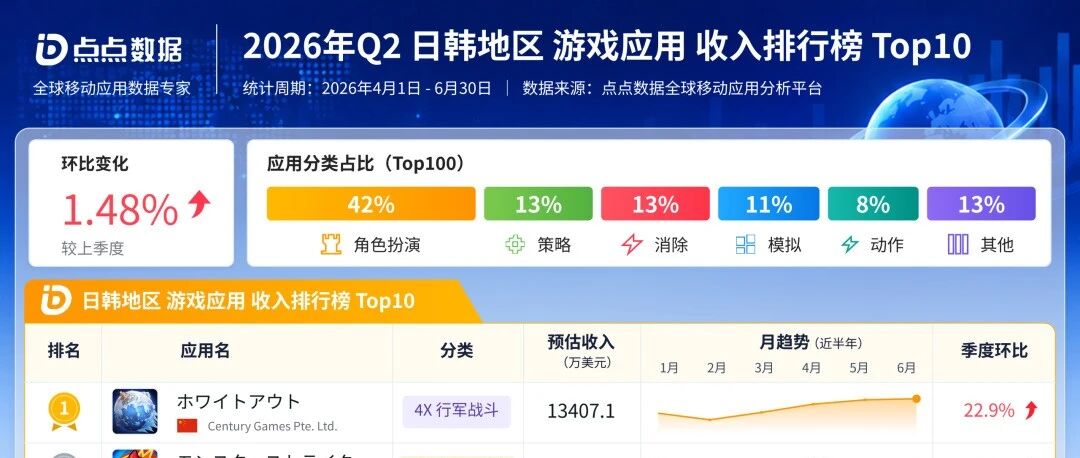
Chinese Mobile Games Dominate Japan & Korea Q2 2026 Revenue Charts
Diandian Interactive's Whiteout Survival and Kingshot top Japan/Korea Q2 2026 revenue rankings. Market shows steady growth with iOS users spending 1.2x more. Full analysis inside.

Global Mobile Gaming Revenue Dips 1% in August: Why Mid-Tier Games Are Losing
Sensor Tower's August report reveals a $66M monthly revenue drop in mobile gaming. Top titles grow while mid-tier suffers. Insights on market shifts, regional trends, and what it means for developers.
China Southern Airlines Incheon Airport Ground Staff Recruitment 2026: A Gateway for Bilingual Talent
China Southern Airlines is hiring ground staff at Incheon International Airport for 2026. Learn about the role, requirements, and why this is a strategic opportunity for Korean-Chinese bilinguals.

Korea Coast Guard 2026 Chinese Translation Exam: Key Dates & Rules
Korea Coast Guard's 2026 3rd recruitment Chinese translation written exam set for Sept 5. Learn schedule, scoring, ID rules, prohibited items, and results date.
Latest Articles
- Delta Air Lines Cuts 2026 Forecast Due to Fuel Surge, Despite Strong Demand
- Botswana President's State Visit to China: Strengthening Strategic Partnership
- US Budget Deficit Reaches $2 Trillion in FY 2026: A Warning Sign for Global Markets
- South Korea Successfully Tests First Indigenous Hypersonic Glide Vehicle
- EU Parliament Report on China: Diplomatic Response & Future Outlook
- Starbucks Acquisition of Chipotle: A Strategic Fit or Financial Overreach?