Dove Apologizes After Controversial Video Sparks Backlash
Dove China issues public apology after a promotional video with inappropriate messaging sparks outrage. Learn about the incident, brand response, and implications.
Source: 澎湃新闻
In a world where brand authenticity is more scrutinized than ever, a single misstep can unravel years of trust. This week, Dove, the iconic chocolate brand known for its messages of warmth and sincerity, found itself at the center of a social media firestorm. A short video posted on its official flagship store account featured a script that many found deeply offensive, prompting a swift and public apology. The incident highlights the fragile nature of brand-consumer relationships in the digital age and raises important questions about content oversight and corporate responsibility.
Key Details of the Incident
- The Controversial Video: The video, which has since been deleted, showed a woman complaining that her boyfriend wouldn't buy her a Dove七彩礼盒 (colorful gift box), and then saying she would share it with her 'ambiguous friend' (暧昧对象) instead. The implication of infidelity and the casual tone struck a nerve with viewers.
- Public Outrage: Social media users expressed disgust, calling the content 'uncomfortable' and 'inappropriate.' Many questioned Dove's values, given the brand's long-standing emphasis on positive relationships and genuine emotions.
- Dove's Apology: On August 25, 2026, Dove issued a formal apology via its official WeChat account, acknowledging the video's inappropriate messaging and the subsequent poor customer service responses.
- Root Cause: Dove stated that the video was created and posted by a third-party store operation team without strict adherence to the brand's content review process. However, Dove accepted full responsibility, noting that content on official channels reflects on the brand.
- Corrective Actions: Dove immediately took down the video, promised to enhance training for responsible personnel and management of partner teams, and pledged to strengthen its content review mechanisms.
- Customer Service Missteps: The company also apologized for inappropriate responses from customer service representatives when consumers raised concerns, indicating a broader failure in handling the crisis.
In-Depth Analysis
This incident is more than a simple PR blunder; it underscores the challenges brands face when outsourcing content creation to third-party agencies. In China's fast-paced e-commerce environment, where short videos drive significant sales, brands often rely on external teams to produce high-volume, engaging content. However, this speed can compromise quality control, leading to tone-deaf messaging that clashes with brand identity.
Dove's response—swift, apologetic, and action-oriented—was textbook crisis management. By accepting responsibility and outlining concrete steps, Dove aimed to mitigate damage and rebuild trust. Yet, the incident reveals a deeper issue: the disconnect between brand values as communicated in high-level marketing and the day-to-day execution by operational teams. For global brands operating in China, this is a cautionary tale about the need for rigorous content governance, especially when dealing with culturally sensitive topics like relationships and gender norms.
Looking ahead, Dove must not only implement stricter review processes but also foster a culture of brand stewardship among all partners. The chocolate market in China is highly competitive, with local players like德芙 (Dove) and foreign rivals vying for consumer loyalty. Trust is a key differentiator, and incidents like this can erode it quickly. Dove's next steps will be closely watched—not just for its marketing campaigns, but for how it operationalizes its values in every consumer touchpoint.
Moreover, this event reflects a broader trend in China's digital landscape, where consumers are quick to call out brands for perceived moral failings. The rise of 'consumer activism' means that even a minor misstep can escalate into a national conversation. Brands must be prepared to respond with transparency and humility, as Dove did, but also to prevent such issues proactively by embedding ethical considerations into their content creation workflows.


Frequently Asked Questions
Why did the Dove video cause such a strong backlash?
The video's script implied that a woman would share a gift intended for her boyfriend with an 'ambiguous friend,' which many interpreted as endorsing infidelity or disrespecting relationships. This clashed with Dove's brand image of promoting sincere and warm connections, leading to public disappointment and anger.
What steps is Dove taking to prevent similar incidents?
Dove has stated it will immediately remove the offending content, enhance training for responsible staff and third-party teams, and strengthen its content review mechanisms. The company is also reviewing its customer service protocols to ensure more appropriate responses to consumer feedback.
How can consumers trust Dove after this incident?
Trust is rebuilt through consistent actions. Dove has acknowledged its mistake and committed to higher standards. Consumers will watch whether Dove follows through on its promises, including transparent communication and improved content quality. Past brand recoveries suggest that genuine, sustained effort can restore trust over time.
Source: https://mp.weixin.qq.com/s/4UZDItM65s3bLDmxSAw-iA
Related posts

Volkswagen to Cut 100,000 Jobs: Inside the Biggest Automaker Restructuring
Volkswagen plans 100,000 job cuts, four German plant closures, and a halved model lineup by 2035 as profits collapse and China earnings shrink.

Alibaba Scrapped Its P-Level System: What It Means for Your Company
Alibaba dismantled its 19-year-old P-level hierarchy in 2023. Here's why high-level 'performers' drain profits, and how smaller firms can cut layers before it's too late.

China's 2026 Unicorn Rankings: AI Reshapes the Top 10
China ranks second globally with 381 unicorns. AI leads the 2026 list as ByteDance, Ant Group, and DeepSeek dominate. Explore the shifting landscape.

ByteDance Boosts AI Talent Incentives with Doubao Stock Hike
ByteDance raises Doubao stock price by 14.6% to retain AI talent, expands equity incentives, and integrates teams to accelerate AI adoption in the workplace.
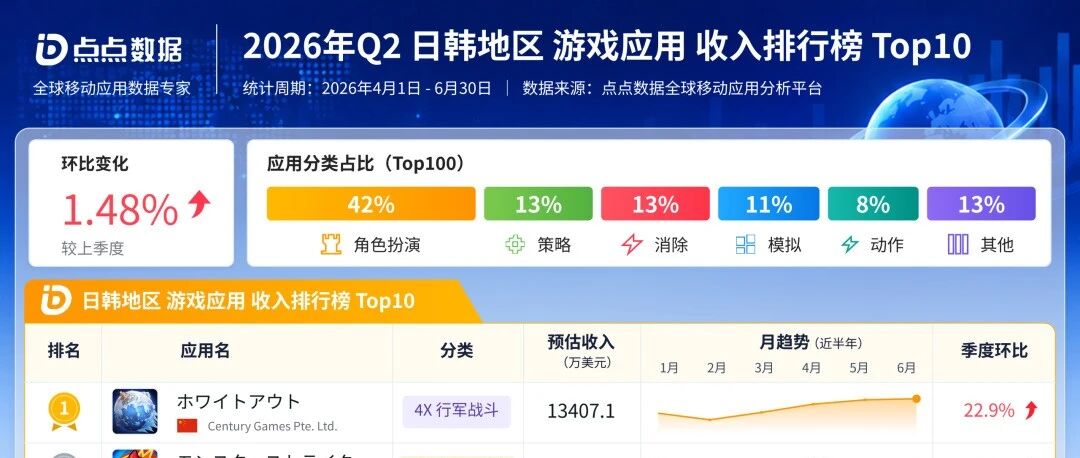
Chinese Mobile Games Dominate Japan & Korea Q2 2026 Revenue Charts
Diandian Interactive's Whiteout Survival and Kingshot top Japan/Korea Q2 2026 revenue rankings. Market shows steady growth with iOS users spending 1.2x more. Full analysis inside.

Global Mobile Gaming Revenue Dips 1% in August: Why Mid-Tier Games Are Losing
Sensor Tower's August report reveals a $66M monthly revenue drop in mobile gaming. Top titles grow while mid-tier suffers. Insights on market shifts, regional trends, and what it means for developers.

China Southern Airlines Incheon Airport Ground Staff Recruitment 2026: A Gateway for Bilingual Talent
China Southern Airlines is hiring ground staff at Incheon International Airport for 2026. Learn about the role, requirements, and why this is a strategic opportunity for Korean-Chinese bilinguals.

Korea Coast Guard 2026 Chinese Translation Exam: Key Dates & Rules
Korea Coast Guard's 2026 3rd recruitment Chinese translation written exam set for Sept 5. Learn schedule, scoring, ID rules, prohibited items, and results date.
Latest Articles
- UN Chief Condemns US Sanctions on International Criminal Court
- Ukraine Expresses Betrayal Over US-Russia Diesel Deal
- WFP Chief Warns: 'Slow-Burning' Food Crisis as War, Climate, and Supply Chain Disruptions Collide
- Colin Mackerras: Australia's Renowned Sinologist and Bridge Between Nations
- EU Parliament Report on China: Diplomatic Response & Future Outlook
- South Korea Successfully Tests First Indigenous Hypersonic Glide Vehicle