Hangzhou Welcomes Two Major Chip Headquarters: AI and SiC Semiconductor Boost
Hangzhou's Qiantang district lands AI chip leader Taihu Yuanqi and SiC power semiconductor firm Aisite, enhancing China's semiconductor self-sufficiency. Explore the impact on the industry.
Source: 杭州杂志
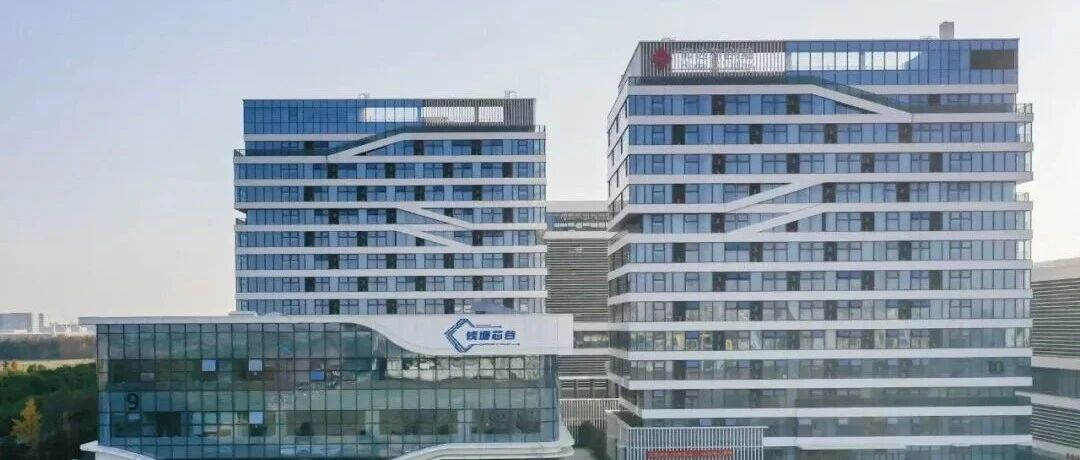
In a significant move for China's semiconductor industry, Hangzhou's Qiantang district has recently attracted two major chip headquarters: Taihu Yuanqi (Taihu (Hangzhou) Integrated Circuit Co., Ltd.) and Aisite (Hangzhou Aisite Semiconductor Co., Ltd.). These additions are set to bolster the region's AI computing power and third-generation semiconductor capabilities, marking a milestone in the city's ambition to become a 'China Chip Valley.' With the global semiconductor race intensifying, Hangzhou is positioning itself as a key player in achieving technological self-reliance, and these new headquarters are a testament to that strategy.
Key Highlights
-
AI Chip Leader Taihu Yuanqi: Taihu Yuanqi, a leading enterprise in domestic AI computing power chips, has established its headquarters in Qiantang. The company focuses on heterogeneous many-core architecture AI chips, intelligent computing system design, and full-process integration. Its products serve national intelligent computing centers and supercomputing clusters, making it a core benchmark for independent and controllable domestic computing infrastructure.
-
Aisite's SiC Semiconductor Expertise: Aisite is a national-level 'Little Giant' enterprise specializing in silicon carbide (SiC) power semiconductors. It is one of the few domestic companies with full-chain independent technology and large-scale delivery capabilities. With over 10 million SiC MOSFETs sold and revenue exceeding 100 million yuan, Aisite has already made a mark in the industry.
-
Comprehensive Product Portfolio: Aisite has mass-produced SiC MOSFETs covering a full voltage range from 650V to 3300V. It was the first to develop and mass-produce 1700V SiC power modules, filling a domestic gap. These products have been integrated into the supply chains of leading new energy vehicle manufacturers, with over 3 million units installed in more than 500,000 vehicles, and even entering the procurement catalog of European aviation manufacturing.
-
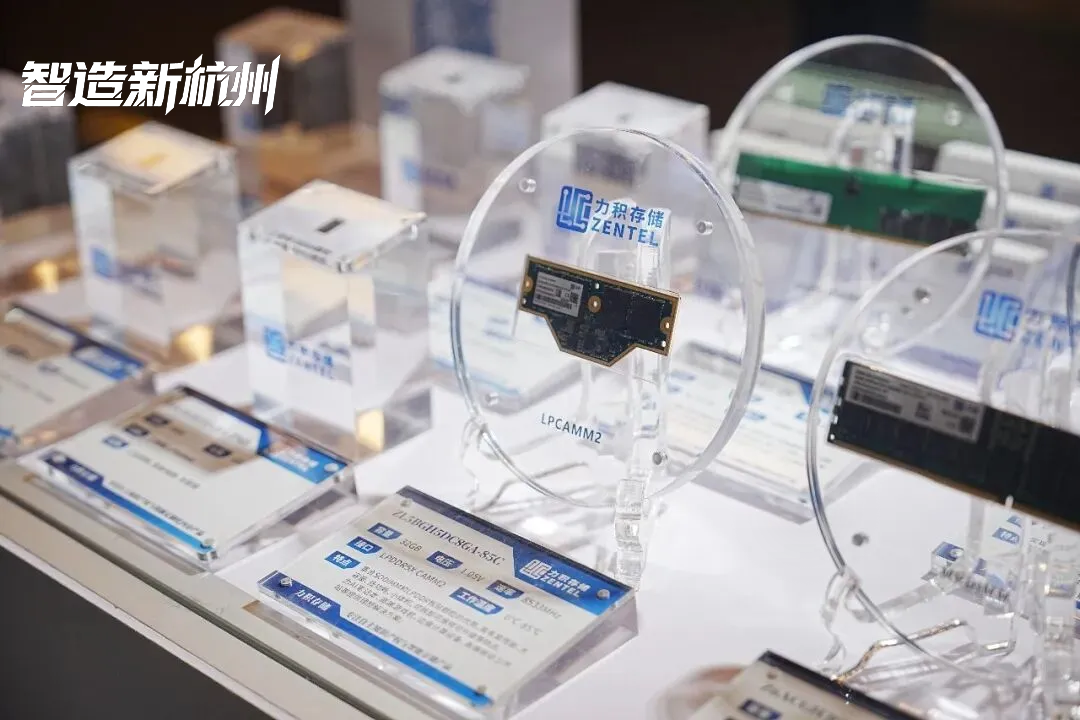
Industry Ecosystem Synergy: The Qiantang district already hosts semiconductor companies like Hanbo Semiconductor, Powerchip Storage, Jingkong Semiconductor, and Bibo Semiconductor. Taihu Yuanqi's arrival will create deep synergies, forming an integrated ecosystem for 'storage, computing, and communication' in AI hardware, closing a critical loop in the district's semiconductor industry chain.
-
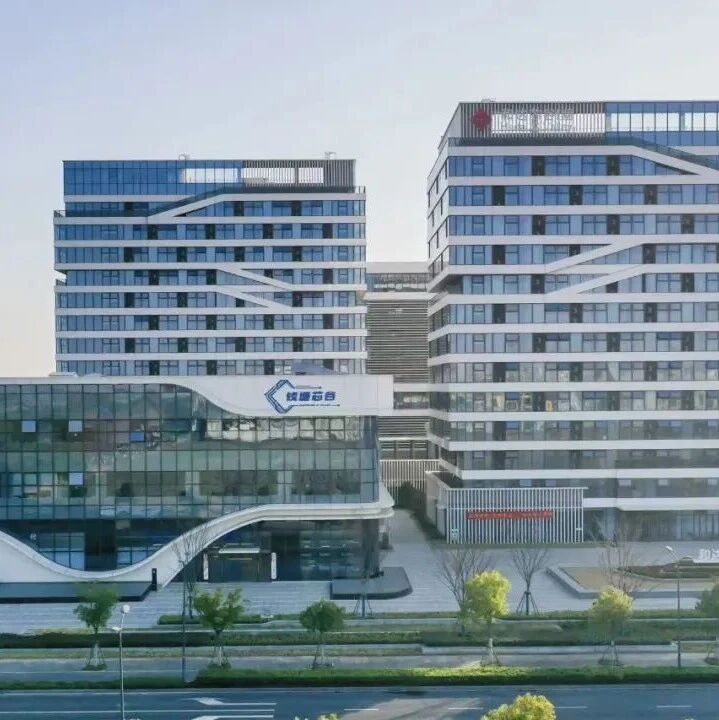
Policy and Infrastructure Support: Qiantang offers a complete industrial chain from materials to applications, along with dedicated hard-tech industrial funds and precise industrial policies. The district boasts over 140 integrated circuit companies, an industry scale exceeding 80 billion yuan, and wafer manufacturing capacity accounting for over 25% of the province. It is the only district in China with wafer manufacturing capabilities ranging from 4-inch to 12-inch.
-
Closing the Loop for Third-Generation Semiconductors: Aisite's presence fills the final gap from semiconductor materials to chip design, module packaging, and terminal applications, creating a complete closed loop for the third-generation semiconductor industry chain in Qiantang. The new intelligent manufacturing line will focus on high-power-density AI server power modules, targeting new energy vehicles, photovoltaic storage, and AI computing power supply.
-
Government-Enterprise 'Two-Way Commitment': The decision by both companies to settle in Hangzhou underscores the city's effective governance and supportive policies. As Aisite's representative noted, the government's pragmatic and efficient business services, coupled with substantial financial support, allow companies to focus on technological breakthroughs and capacity expansion.
In-Depth Analysis
The arrival of Taihu Yuanqi and Aisite in Hangzhou is more than just a corporate relocation; it reflects a strategic national push to strengthen China's semiconductor self-sufficiency amid global export controls and supply chain uncertainties. By attracting these two companies, Hangzhou is not only diversifying its semiconductor portfolio but also enhancing its resilience against external shocks. The focus on AI chips and SiC power semiconductors is particularly astute, as these are critical components for next-generation technologies like electric vehicles, renewable energy, and AI data centers.
Qiantang's existing infrastructure, including its unique wafer manufacturing capabilities, provides a solid foundation for these companies to thrive. The district's ability to support everything from raw materials to end products is a competitive advantage that few other regions in China can match. This ecosystem approach reduces costs and accelerates innovation, making Hangzhou an increasingly attractive destination for high-tech enterprises.
Moreover, the integration of Aisite's SiC technology with Taihu Yuanqi's AI chips could lead to breakthroughs in energy-efficient computing, addressing one of the biggest challenges in AI: power consumption. As AI models grow larger, the demand for efficient power management solutions becomes critical, and SiC semiconductors are well-positioned to meet this need.
Looking ahead, Hangzhou's 'China Chip Valley' ambition seems well on track. The city is likely to see further investments in semiconductor R&D and manufacturing, potentially attracting more global players. However, challenges remain, including intense competition from other regions and the need for continuous innovation. Nevertheless, with strong government support and a growing ecosystem, Hangzhou is poised to play a pivotal role in China's semiconductor industry.
Frequently Asked Questions
Why is Hangzhou becoming a hub for semiconductor companies? Hangzhou offers a unique combination of a robust industrial ecosystem, supportive government policies, and a talent pool from nearby universities. The Qiantang district specifically provides complete wafer manufacturing capabilities and a cluster of related companies, making it an ideal location for semiconductor firms to establish their headquarters and manufacturing bases.
What is the significance of Aisite's SiC technology for the automotive industry? Aisite's SiC MOSFETs and modules enable higher efficiency and faster charging in electric vehicles, extending their range and reducing energy loss. With over 3 million units already installed in vehicles, the technology is proven and critical for the transition to electric mobility. The new production line in Hangzhou will further support the growing demand from EV makers.
How will Taihu Yuanqi's AI chips impact China's computing infrastructure? Taihu Yuanqi's chips are designed for intelligent computing centers and supercomputing clusters, which are essential for AI training and inference. By localizing these chips, China can reduce its reliance on foreign technology, enhancing national security and technological sovereignty. The company's presence in Hangzhou will also spur innovation in AI applications across various industries.

Source: https://mp.weixin.qq.com/s/3kyBPuiLSvHFT9WHKERXlA
Related posts
Volkswagen to Cut 100,000 Jobs: Inside the Biggest Automaker Restructuring
Volkswagen plans 100,000 job cuts, four German plant closures, and a halved model lineup by 2035 as profits collapse and China earnings shrink.

Alibaba Scrapped Its P-Level System: What It Means for Your Company
Alibaba dismantled its 19-year-old P-level hierarchy in 2023. Here's why high-level 'performers' drain profits, and how smaller firms can cut layers before it's too late.
China's 2026 Unicorn Rankings: AI Reshapes the Top 10
China ranks second globally with 381 unicorns. AI leads the 2026 list as ByteDance, Ant Group, and DeepSeek dominate. Explore the shifting landscape.

ByteDance Boosts AI Talent Incentives with Doubao Stock Hike
ByteDance raises Doubao stock price by 14.6% to retain AI talent, expands equity incentives, and integrates teams to accelerate AI adoption in the workplace.
Chinese Mobile Games Dominate Japan & Korea Q2 2026 Revenue Charts
Diandian Interactive's Whiteout Survival and Kingshot top Japan/Korea Q2 2026 revenue rankings. Market shows steady growth with iOS users spending 1.2x more. Full analysis inside.

Global Mobile Gaming Revenue Dips 1% in August: Why Mid-Tier Games Are Losing
Sensor Tower's August report reveals a $66M monthly revenue drop in mobile gaming. Top titles grow while mid-tier suffers. Insights on market shifts, regional trends, and what it means for developers.
China Southern Airlines Incheon Airport Ground Staff Recruitment 2026: A Gateway for Bilingual Talent
China Southern Airlines is hiring ground staff at Incheon International Airport for 2026. Learn about the role, requirements, and why this is a strategic opportunity for Korean-Chinese bilinguals.

Korea Coast Guard 2026 Chinese Translation Exam: Key Dates & Rules
Korea Coast Guard's 2026 3rd recruitment Chinese translation written exam set for Sept 5. Learn schedule, scoring, ID rules, prohibited items, and results date.
Latest Articles
- Paramount Skydance Merger: A Historic Media Consolidation
- British Airways Expands Business Class to 106 Seats on A380: The Future of Luxury Travel
- Cheapest & Most Expensive US Flights in November 2026
- Key States Hold Clues to 2026 Midterm Election Outcomes
- World Bank Raises Economic Growth Forecast for East Asia and Pacific Region
- Controversial Live Animal Feeding at Chinese Zoo Sparks Ethical Debate