Leaving a $1M Job at miHoYo to Make a Farming Game
A top art director at miHoYo quit his six-figure job to pursue a 20-year dream of making a farming game. We explore the risks, the industry reality, and what it means for game devs.
Source: en的幸福时光
When a senior art director at miHoYo—the studio behind Genshin Impact and Zenless Zone Zero—announced he was leaving to make a farming game, the gaming community took notice. This wasn't a burnout resignation or a jump to a rival for more money. It was a deliberate choice to trade stability, prestige, and a seven-figure salary for an uncertain path driven by a two-decade-old passion. In an industry where big-studio success often masks the brutal odds for indie developers, his story raises a compelling question: when is the right time to bet on yourself?
Key Takeaways
-
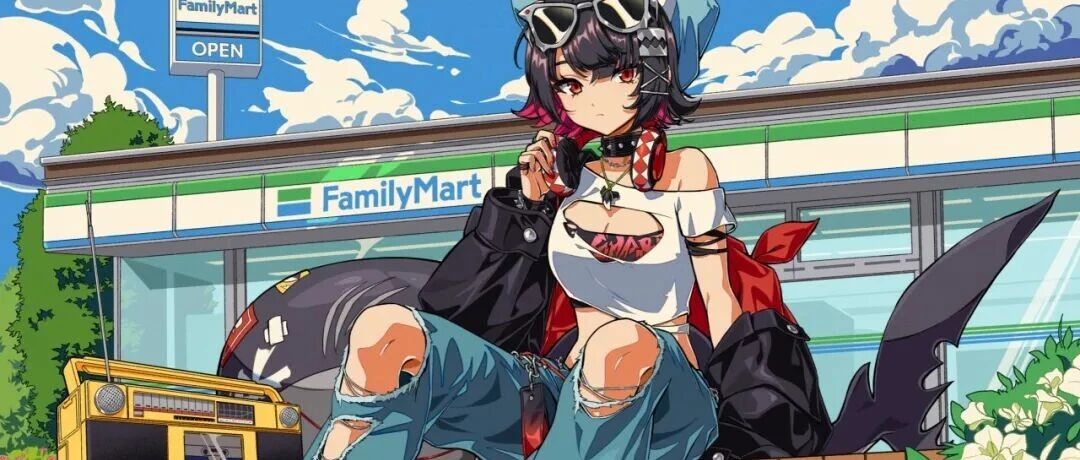
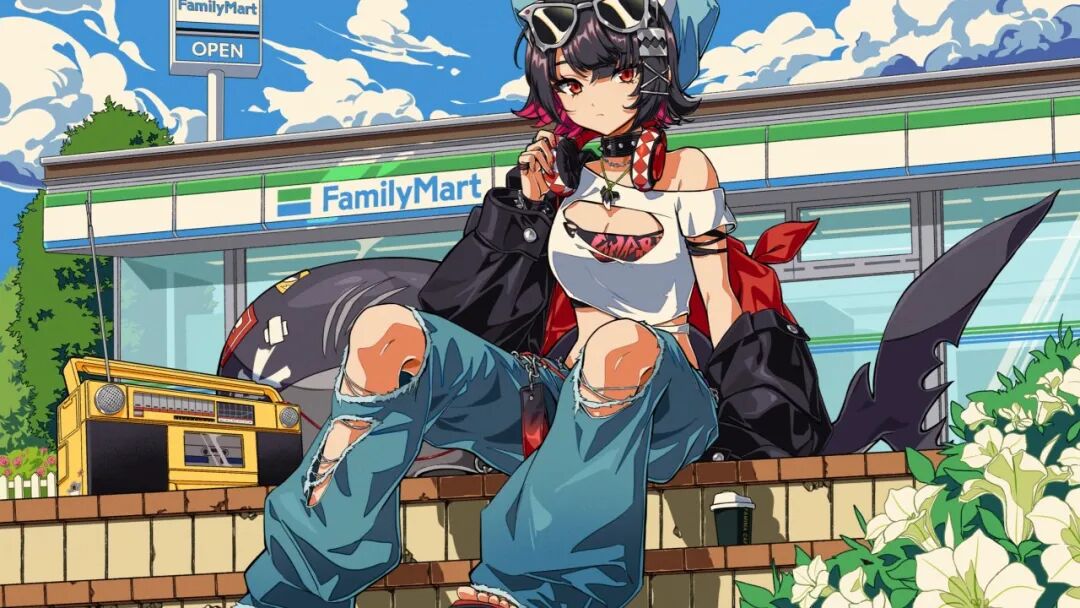
A Core Creator Steps Away: The designer, known online as "A Tu Friend," spent six years at miHoYo, joining Zenless Zone Zero when the team was just over 20 people. He helped shape iconic characters like Yanagi, Ellen Joe, and Billy, and introduced the "faction-based character design" philosophy that became the game's foundation.
-
The Financial Leap: At miHoYo, a senior role with 3-5 years of experience can command an annual salary of 600,000 RMB or more. As a core member for six years, his compensation likely exceeded one million RMB annually—making his departure a significant financial sacrifice.
-
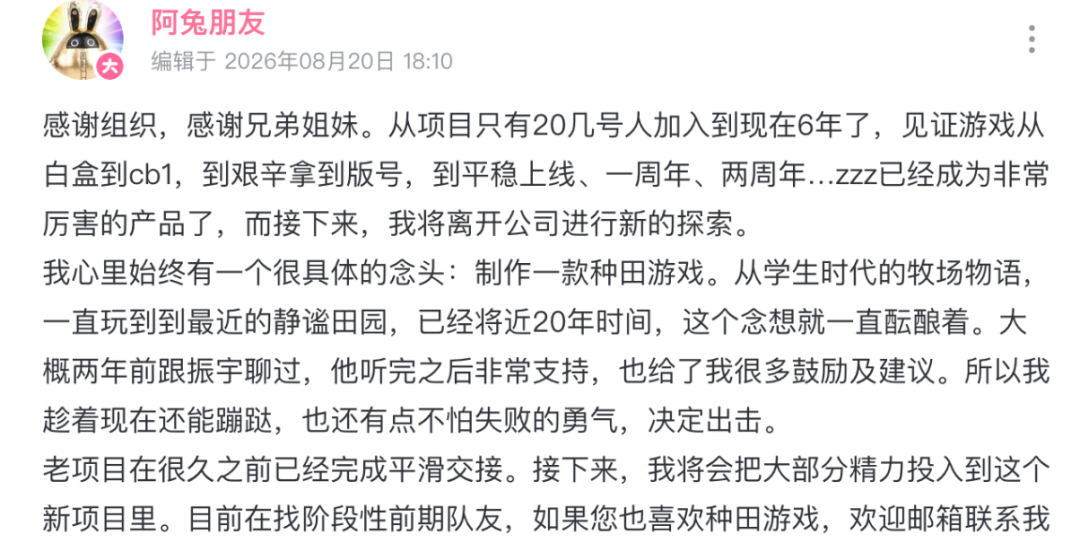
The Dream Behind the Move: In his departure post, he mentioned he still has "energy to spare" and "the courage to fail." He's been dreaming of making a farming game since playing Harvest Moon as a student—a dream he discussed with Zenless Zone Zero producer Li Zhenyu two years ago, who was supportive.
-
The Industry Reality Check: Even miHoYo co-founder Cai Haoyu faced a harsh landing when he left to pursue AI gaming. His studio Anuttacon's debut title, Whisper from the Stars, saw its daily concurrent players drop to just 139 on Steam. The lesson: big-studio success doesn't guarantee indie success.
-
Player Reaction Is Unusually Positive: Unlike typical core-member departures that spark fan anxiety, the community response was overwhelmingly supportive. Comments praised his courage and even joked that watching him adjust soil moisture parameters in a dev log made them confident in his new project.
-
The Long Road Ahead: His farming game is still in early development, with the team currently recruiting. Creating a compelling farming sim is notoriously difficult—Stardew Valley took one person four and a half years of dedicated effort. His transition from urban fantasy art to pastoral aesthetics is a bold pivot.
Deep Dive: The Courage to Leave the Ivory Tower
This story resonates far beyond the gaming industry. It highlights a universal tension between security and fulfillment. In the corporate world, especially in tech hubs like Shanghai, high salaries often come with golden handcuffs—the comfort of a steady paycheck can quietly suffocate personal ambitions. The art director's decision is a stark reminder that even the most successful careers can feel incomplete if they don't align with one's inner calling.
From a market perspective, his move reflects a broader trend of talent leaving major studios to pursue indie projects. While the success rate is low, the indie space has produced breakout hits like Stardew Valley and Hollow Knight, proving that passion projects can thrive. However, the odds are daunting: a former Ubisoft employee who sold 26,000 copies of his indie game was considered a success story—a figure that might represent a single day's revenue for a skin in Zenless Zone Zero.
The psychological shift is equally significant. Working at a giant like miHoYo means your creations belong to the company's IP. The designer's desire to create something entirely his own is a powerful motivator. Yet, the transition from a team of hundreds with a massive budget to a small startup is a formidable challenge. He'll need to master not just art, but programming, production, marketing, and distribution—a steep learning curve.
Looking ahead, the success of his farming game will depend on his ability to adapt his skills and embrace a slower, more organic creative process. The genre demands a deep understanding of player psychology, resource management, and environmental storytelling—areas where his previous experience may not directly translate. But if he can channel his proven artistic vision and design sensibility into this new venture, he might just create something special.
His story also serves as an inspiration for anyone contemplating a major career change. It's a testament to the power of long-held dreams and the importance of timing. While not everyone can afford to leave a million-dollar job, the underlying message is universal: it's never too late to pursue what truly matters to you.

Frequently Asked Questions
What is miHoYo's stance on employees leaving to start indie projects? While miHoYo hasn't publicly commented on this specific departure, the company has historically been supportive of alumni ventures. The producer's encouraging response to the designer's idea suggests a culture that values creative ambition, even beyond its own walls.
What are the odds of success for a farming game from a former AAA art director? Statistically, the chances are slim—most indie games fail to break even. However, the designer's proven track record in character design and his deep understanding of player engagement could give him an edge. The key will be execution and whether he can build a game that resonates emotionally.
How does this compare to other high-profile departures in the gaming industry? Similar cases include former Blizzard and CD Projekt Red developers who left to form indie studios. Some, like the creators of Hades (Supergiant Games), achieved critical acclaim. Others struggled. The common thread is that success often comes from a clear vision and relentless iteration—qualities this designer has demonstrated.
Source: https://mp.weixin.qq.com/s/g8Z42DEYSGjSRTkNbOy7fw
Related posts

Volkswagen to Cut 100,000 Jobs: Inside the Biggest Automaker Restructuring
Volkswagen plans 100,000 job cuts, four German plant closures, and a halved model lineup by 2035 as profits collapse and China earnings shrink.

Alibaba Scrapped Its P-Level System: What It Means for Your Company
Alibaba dismantled its 19-year-old P-level hierarchy in 2023. Here's why high-level 'performers' drain profits, and how smaller firms can cut layers before it's too late.

China's 2026 Unicorn Rankings: AI Reshapes the Top 10
China ranks second globally with 381 unicorns. AI leads the 2026 list as ByteDance, Ant Group, and DeepSeek dominate. Explore the shifting landscape.

ByteDance Boosts AI Talent Incentives with Doubao Stock Hike
ByteDance raises Doubao stock price by 14.6% to retain AI talent, expands equity incentives, and integrates teams to accelerate AI adoption in the workplace.
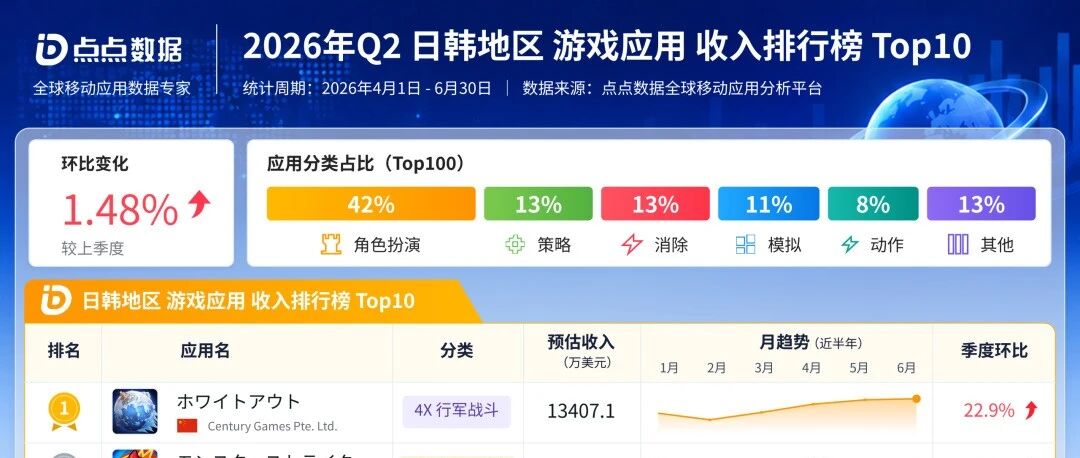
Chinese Mobile Games Dominate Japan & Korea Q2 2026 Revenue Charts
Diandian Interactive's Whiteout Survival and Kingshot top Japan/Korea Q2 2026 revenue rankings. Market shows steady growth with iOS users spending 1.2x more. Full analysis inside.

Global Mobile Gaming Revenue Dips 1% in August: Why Mid-Tier Games Are Losing
Sensor Tower's August report reveals a $66M monthly revenue drop in mobile gaming. Top titles grow while mid-tier suffers. Insights on market shifts, regional trends, and what it means for developers.
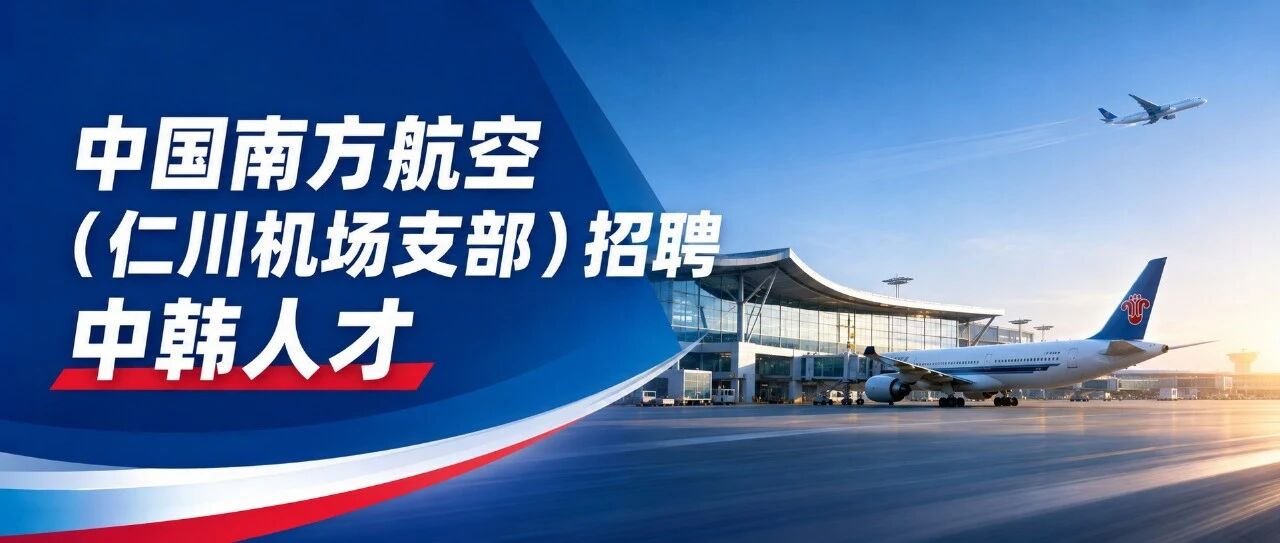
China Southern Airlines Incheon Airport Ground Staff Recruitment 2026: A Gateway for Bilingual Talent
China Southern Airlines is hiring ground staff at Incheon International Airport for 2026. Learn about the role, requirements, and why this is a strategic opportunity for Korean-Chinese bilinguals.

Korea Coast Guard 2026 Chinese Translation Exam: Key Dates & Rules
Korea Coast Guard's 2026 3rd recruitment Chinese translation written exam set for Sept 5. Learn schedule, scoring, ID rules, prohibited items, and results date.
Latest Articles
- South Korea to Tighten Military Exemption Rules for Athletes
- South Korea's Former President Yoon Suk Yeol Acquitted in Political Funding Case
- Paramount Skydance Merger: A Historic Media Consolidation
- British Airways Expands Business Class to 106 Seats on A380: The Future of Luxury Travel
- Cheapest & Most Expensive US Flights in November 2026
- Key States Hold Clues to 2026 Midterm Election Outcomes