Swiss Neutrality in Crisis: Why Voters Rejected 'Strict Neutrality'
Swiss voters overwhelmingly rejected a constitutional amendment to adopt strict neutrality. This decision reveals how geopolitical shifts and economic realities are challenging Switzerland's two-century-old diplomatic strategy.
Source: thepaper.cn
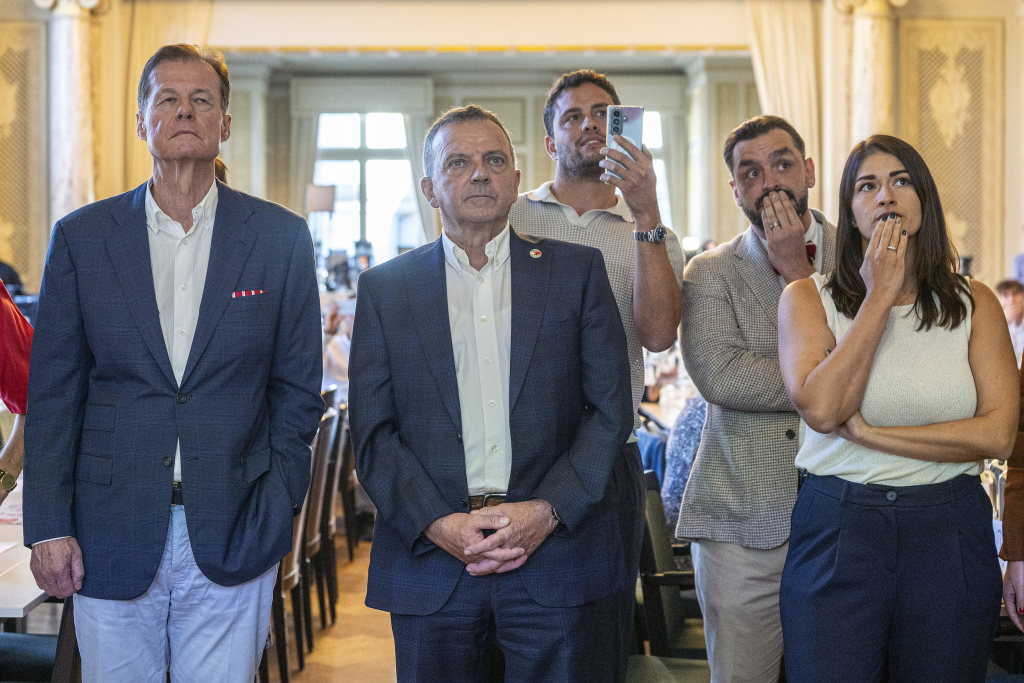
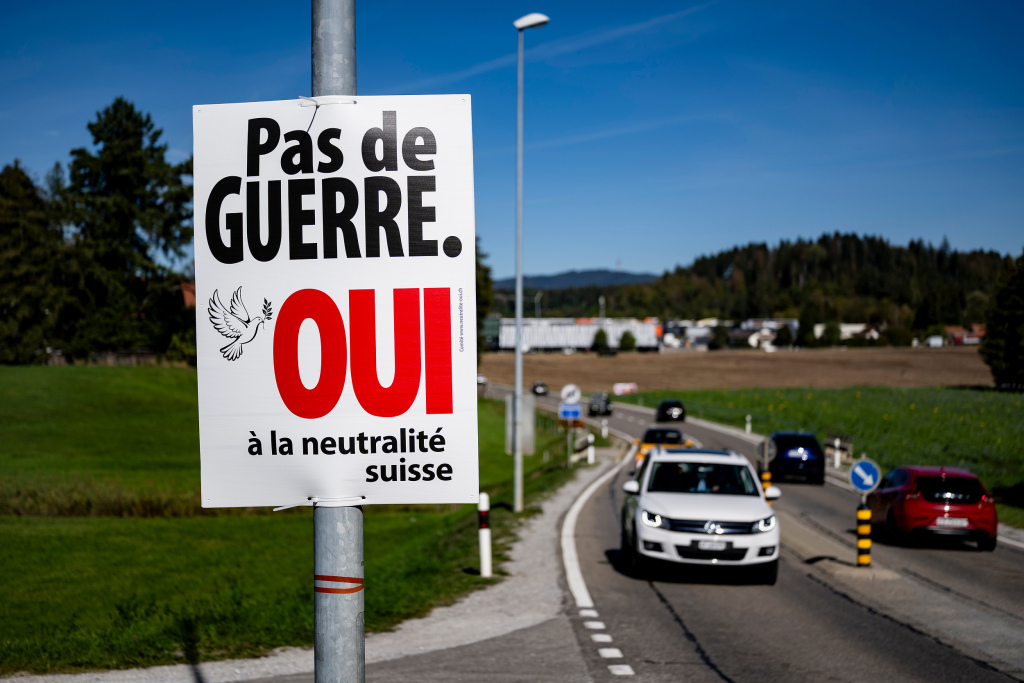
In an era of escalating global conflicts, the traditional concept of neutrality is facing its greatest test in centuries. On September 27, 2026, Swiss voters delivered a decisive verdict that challenges the very foundation of the country's foreign policy. By rejecting a motion to enshrine 'strict neutrality' into the constitution, the Swiss population has signaled a strategic pivot toward a more pragmatic and flexible approach to international relations. This referendum, triggered by the Russia-Ukraine war and shifting security dynamics, forces a re-evaluation of whether Switzerland can maintain its status as a neutral mediator while participating in modern alliances and trade networks.
Key Takeaways
- Strategic Rejection of Dogma: Over 70% of voters rejected the 'Neutrality Initiative,' which sought to prohibit military alliances and foreign military interventions. This confirms that the majority of the Swiss population prioritizes national sovereignty and economic flexibility over historical dogma.
- The 'Flexible Neutrality' Consensus: The Federal Council and major political parties successfully defended the existing 'flexible neutrality' model. This approach allows Switzerland to maintain economic ties with all sides while engaging in security cooperation, such as the European Sky Shield Initiative, to ensure national defense.
- Economic Realities Trump Political Ideology: The referendum outcome highlights a growing skepticism toward 'absolute neutrality' among the Swiss public. There is a widespread belief that rigid neutrality limits national security and economic prosperity, particularly in the face of unpredictable trade policies from major powers.
- New Security Threats: The conflict in Ukraine has exposed the vulnerability of traditional 'armed neutrality.' As hybrid threats and drone incursions become more common, the Swiss military acknowledges that the Alps are no longer a sufficient natural barrier against modern warfare.
- Geopolitical Distrust: The public's rejection of the motion was fueled by suspicion of its sponsors, who were accused of having commercial ties to Russia. This distrust underscores the difficulty of maintaining a neutral image when economic interests intersect with geopolitical rivalries.
Deep Dive Analysis
The rejection of the 'Neutrality Initiative' marks a pivotal moment in Swiss history, moving the nation away from the rigid constraints of the past toward a strategy defined by adaptability. The core of this debate has always been the definition of neutrality itself. The 'strict neutrality' proposed by the right-wing 'Pro Schweiz' organization would have required Switzerland to refuse participation in military coalitions, even for collective defense, and to abstain from all sanctions. However, the Swiss Federal Council, led by Vice President and Foreign Minister Ignazio Cassis, argued that such a rigid interpretation would render the country diplomatically isolated and economically vulnerable. The government’s victory in this debate suggests that the Swiss electorate has accepted that neutrality must be a dynamic tool for national interest rather than a static rule.
This shift is driven by a convergence of security and economic imperatives. The Russia-Ukraine war has fundamentally altered the European security architecture. Switzerland, deeply integrated into the European Single Market, found itself in a precarious position. By participating in sanctions against Russia and strengthening cooperation with NATO members, Switzerland inadvertently 'chose a side.' The public's concern is not necessarily about abandoning neutrality, but about ensuring that Switzerland remains a relevant actor in global diplomacy. The failure of the 2024 Ukraine peace summit, where Russia refused to attend, served as a stark reminder that a neutral Switzerland lacks the leverage to mediate between superpowers when it is not actively engaged in the security architecture.
Furthermore, the referendum outcome was heavily influenced by economic pragmatism. The Swiss economy is export-oriented, with the United States being its largest trading partner. The threat of protectionist measures, highlighted by the Trump administration's potential tariffs, has made the Swiss wary of any policy that might alienate major economic powers. The Swiss public has increasingly viewed neutrality as a means to an end—a tool for attracting investment and ensuring stability—not as an end in itself. The suspicion surrounding the motion's main sponsor, Christopher Bloch, whose business interests in Russia were questioned, likely swayed voters who feared that the initiative was a veiled attempt to protect commercial interests rather than a genuine defense of national values.
Looking ahead, the debate is far from over. While the 'strict neutrality' motion failed, Switzerland is set to hold another referendum in November regarding the relaxation of the War Materials Act. This upcoming vote could further erode the traditional interpretation of neutrality by allowing arms exports to friendly nations. The Swiss military is also modernizing its capabilities, acknowledging that the 14,700-strong force is no longer sufficient to deter modern threats in a multi-domain conflict. Ultimately, the Swiss have decided that their security and prosperity depend on a 'flexible' approach that allows them to navigate the complex currents of the 21st-century geopolitical landscape, rather than adhering to the rigid rules of the 19th century.
Frequently Asked Questions
What exactly was the 'Neutrality Initiative' that was rejected?
The initiative proposed by the right-wing 'Pro Schweiz' group sought to amend the Swiss Constitution to enshrine 'permanent armed neutrality.' This would have legally prohibited Switzerland from joining any military alliances, cooperating on defense with other nations, or participating in military conflicts outside of strict UN mandates. It was a move to strictly isolate Switzerland from global security pacts.
Why did Swiss voters reject this strict interpretation?
Voters were concerned that a rigid 'strict neutrality' would leave Switzerland diplomatically isolated and economically vulnerable. They also feared that such a policy would compromise the country's ability to act as a mediator in international conflicts. Additionally, public distrust was high regarding the sponsors of the motion, who were accused of prioritizing their own business interests in Russia over the national interest.
How is Switzerland changing its security strategy?
Switzerland is moving toward 'flexible neutrality.' This means the country continues to maintain economic ties with all parties but engages more closely with Western security structures, such as the European Sky Shield Initiative for air defense. The military is also modernizing its forces to counter modern threats, acknowledging that traditional geographic isolation is no longer sufficient for national security.
Source: https://www.thepaper.cn/newsDetail_forward_34174419
Related posts
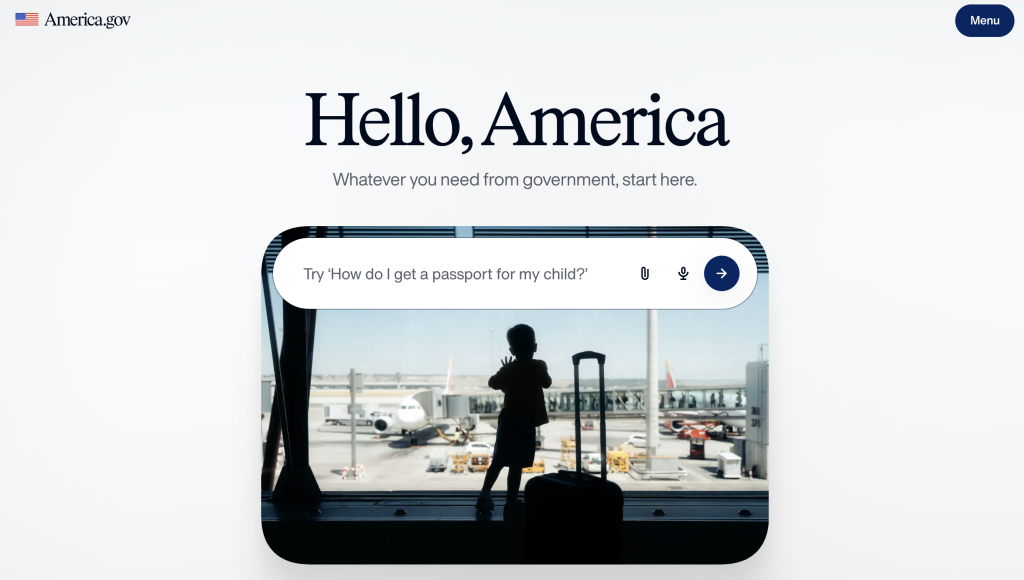
America.gov Launch: Trump's AI Government Portal Hits Glitches
Trump's new America.gov uses AI to streamline federal services, but it immediately contradicts the President's own statements.

Alaska Airlines Unveils Premium Cabin Overhaul Amid Luxury Travel Boom
Alaska Airlines announces massive cabin upgrades across its fleet and Hawaiian Airlines, adding hundreds of premium seats and new lounges to capitalize on travelers' willingness to pay for luxury experiences.
El Pollo Loco Expands East Coast: First NYC Location Set for 2027
El Pollo Loco is expanding beyond California with plans for 15 NYC-area restaurants. Discover how the grilled chicken chain aims to become a national player amidst fierce competition.

How to Avoid Getting Ripped Off: 4 Strategies from a Pricing Expert
Learn how to spot hidden fees, avoid dynamic pricing traps, and use price comparison tools to protect your wallet.
Iran-US Nuclear Standoff: High-Stakes Diplomacy Amid Political Calculations
As tensions persist between Iran and the United States, diplomatic efforts continue with both sides maneuvering ahead of critical elections. The complex negotiations involve nuclear concessions, economic sanctions, and strategic positioning in the Middle East.
Potential Trump-Putin-Xi Trilateral Meeting at APEC Shenzhen
China remains noncommittal about possible trilateral talks between US, Russian, and Chinese leaders during APEC summit in Shenzhen.
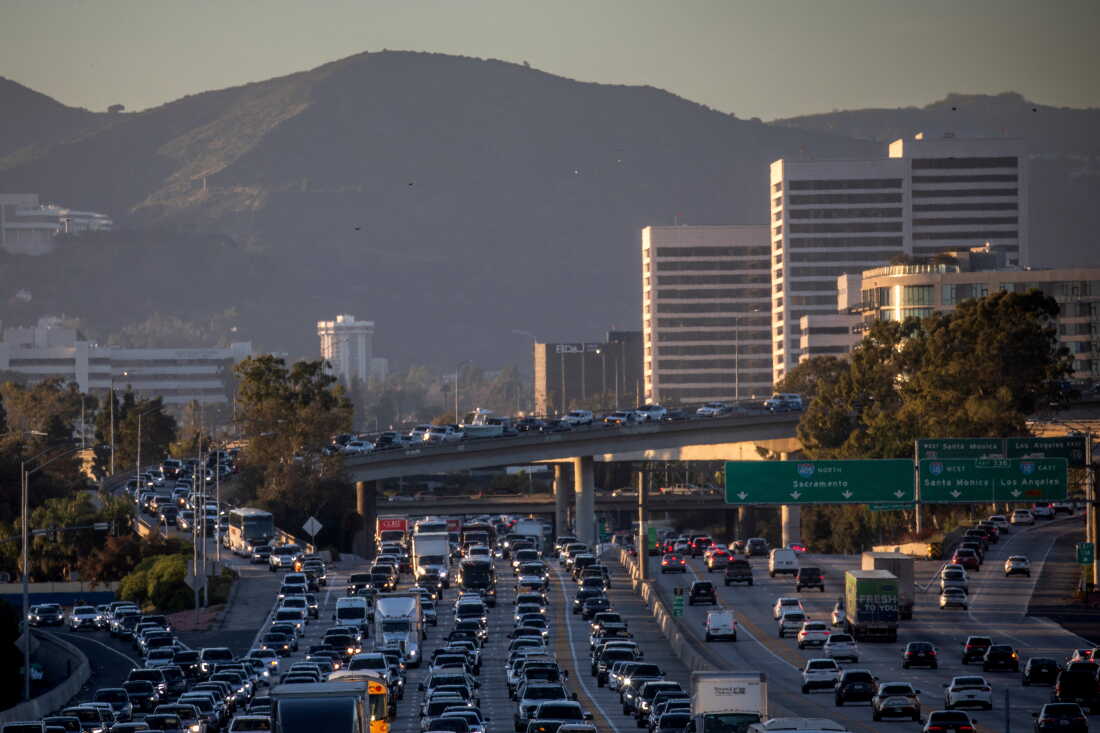
Trump Administration Rolls Back Fuel Efficiency Standards: What It Means for Consumers and the Auto Industry
The Trump administration has finalized rules to weaken fuel efficiency standards for new cars, aiming to lower sticker prices but raising concerns about long-term competitiveness and climate goals.
Trump Approval Rate Hits 36-Year Low Before Midterm Elections
President Trump's approval rating has plummeted to historic lows as midterm elections approach, with economic concerns and policy backlash driving voter dissatisfaction.
Latest Articles
- Disney Power Struggle: Bob Chapek's Memoir Reveals Weekly Boardroom Battles with Bob Iger
- Boeing 737 Max 10 Certification Delayed: FAA Safety Review and Market Impact
- US-China Summit: Diplomatic Dialogue on North Korea and Regional Stability
- Iranian Foreign Minister: Prepared for 'Doomsday War' as Trump Holds the Cards
- IPO Weekly: Two Leading Companies Set to Launch Before National Day Holiday
- Lowe's Drone Delivery: Revolutionizing Home Improvement with 20-Minute Service