Eli Lilly's Dominance vs. Novo Nordisk: The Battle for the GLP-1 Future
As Eli Lilly expands its lead in the obesity drug market, Novo Nordisk faces a critical challenge to diversify its portfolio and maintain relevance beyond its blockbuster semaglutide franchise.
Source: CNBC
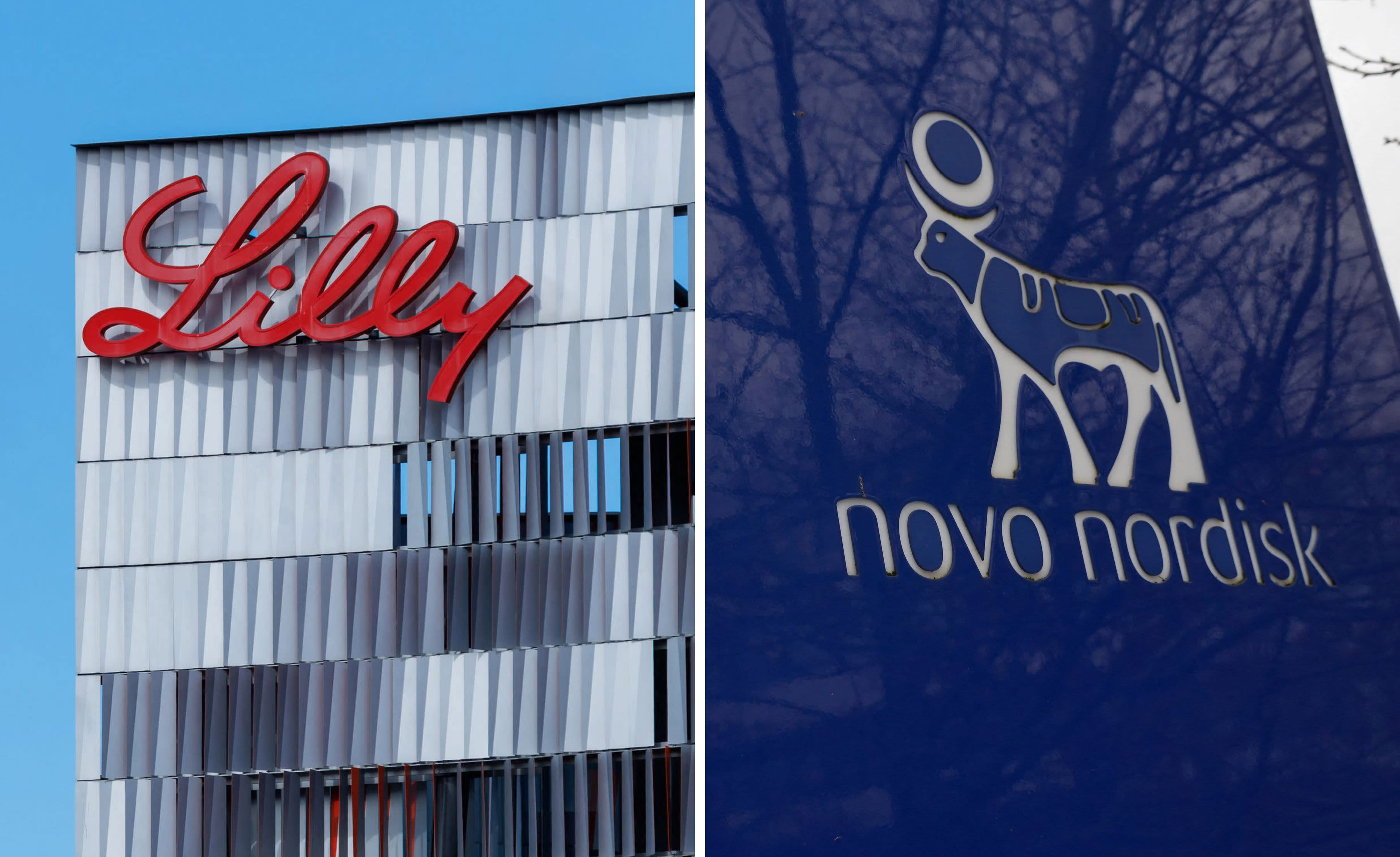
The landscape of the global weight loss market is undergoing a seismic shift, and the rivalry between Eli Lilly and Novo Nordisk has never been more intense. While Novo Nordisk continues to leverage the immense success of its flagship injectable treatments, Eli Lilly is aggressively chipping away at its rival's market share through superior commercial strategies and innovative oral medications. This dynamic is forcing Novo to look beyond its established revenue streams and confront a future where its dominance may be eroded by a competitor with greater resources and a broader product pipeline.
Key Developments in the GLP-1 Arms Race
- Lilly's Oral Market Lead: Despite Novo Nordisk launching its oral weight loss pill earlier, Eli Lilly is rapidly gaining ground. CEO Dave Ricks revealed that one-third of new patients starting oral GLP-1 medications are choosing Lilly's drug, with market share growing 'week by week.'
- Medicare Advantage: Lilly has secured a commanding position in the newly established Medicare market for obesity drugs. Following July coverage expansions, 70% of the 700,000 seniors starting GLP-1s are on Lilly's Zepbound, highlighting a strong preference for its injectable therapy.
- Manufacturing Scalability: Analysts point to Lilly's Foundayo as a potential global market leader not just due to efficacy, but because it is a small-molecule drug. This classification allows for easier and more cost-effective mass manufacturing compared to Novo's peptide-based pills and injectables.
- Efficacy and Competition: While Novo launched a higher-dose version of Wegovy this year to match Zepbound's weight loss results, Lilly maintains an edge with Zepbound's superior efficacy compared to the original doses of Wegovy.
- Novo's Pipeline Diversification: Novo is betting on a portfolio of over five potential multi-billion dollar drugs by 2030. This includes CagriSema, a combination therapy, and a focus on factors like tolerability and muscle preservation to differentiate its offerings.
- The 'Pill vs. Injection' Debate: Novo CEO Mike Doustdar suggests that the shift toward oral treatments is mathematically inevitable, predicting that by the end of the decade, a larger portion of patients will prefer pills over injections due to convenience and patient adoption trends.
- Supply Chain Confidence: Novo executives remain confident in their ability to meet demand, aiming to increase the number of patients on GLP-1 drugs tenfold by 2030 and assuring investors that supply chain issues won't hinder their growth.
In-Depth Analysis: The Strategic Implications
The current market trajectory suggests that Eli Lilly is not just competing for today's patients but is systematically building a moat that could last for years. The company's commercial advantage is evident in its ability to penetrate high-value segments like Medicare, where its brand loyalty is already proving decisive. Furthermore, the strategic pivot to small-molecule drugs like Foundayo addresses a critical pain point in the obesity treatment market: accessibility. By offering a drug that is easier to manufacture at scale, Lilly is positioning itself to capture a larger global market share, potentially dominating the oral segment before Novo can fully catch up.
For Novo Nordisk, the challenge is twofold. First, it must defend its existing franchise against a well-funded and strategically aggressive rival. Second, and perhaps more importantly, it must convince investors that its pipeline of new drugs—such as CagriSema—can generate sufficient revenue to replace the massive sales from Wegovy and Ozempic once they face generic competition in the early 2030s. The recent stock underperformance following Novo's Capital Markets Day indicates that the market is skeptical about the company's ability to outpace industry averages in growth. While Novo's strategy to diversify into drugs that target tolerability and other physiological factors is scientifically sound, the financial reality remains daunting. The company needs to demonstrate that its next generation of therapies can command premium pricing and sustain growth, a hurdle that Lilly appears better positioned to clear.
Frequently Asked Questions
Q: Why is Eli Lilly gaining more market share than Novo Nordisk recently?
A: Eli Lilly's gains are driven by its strong commercial execution, particularly in the Medicare market, and the early success of its oral weight loss drug, Foundayo. The company's ability to secure a high share of new oral GLP-1 patients and its 'tremendous commercial firepower' are key factors.
Q: What is the difference between Wegovy and Foundayo?
A: Wegovy is Novo Nordisk's injectable and oral GLP-1 therapy, while Foundayo is Eli Lilly's oral small-molecule drug. Foundayo is expected to be easier and cheaper to manufacture at scale, which could give Lilly a significant advantage in global accessibility.
Q: Will Novo Nordisk be able to replace the revenue from Wegovy and Ozempic?
A: This is the central challenge for Novo. With patent protections on semaglutide expiring around 2032, the company needs to prove that its pipeline, including CagriSema and other next-generation drugs, can generate billions in sales to offset the loss of exclusivity for its top products.
Source: https://www.cnbc.com/2026/09/25/novo-eli-lilly-obesity-drugs.html
Related posts

Estate Planning Pitfalls That Lead to Family Legal Battles
New study reveals how common estate planning choices can trigger inheritance disputes among heirs, with insights on prevention strategies.
Airlines Waive Change Fees as Nor'easter Threatens East Coast Travel
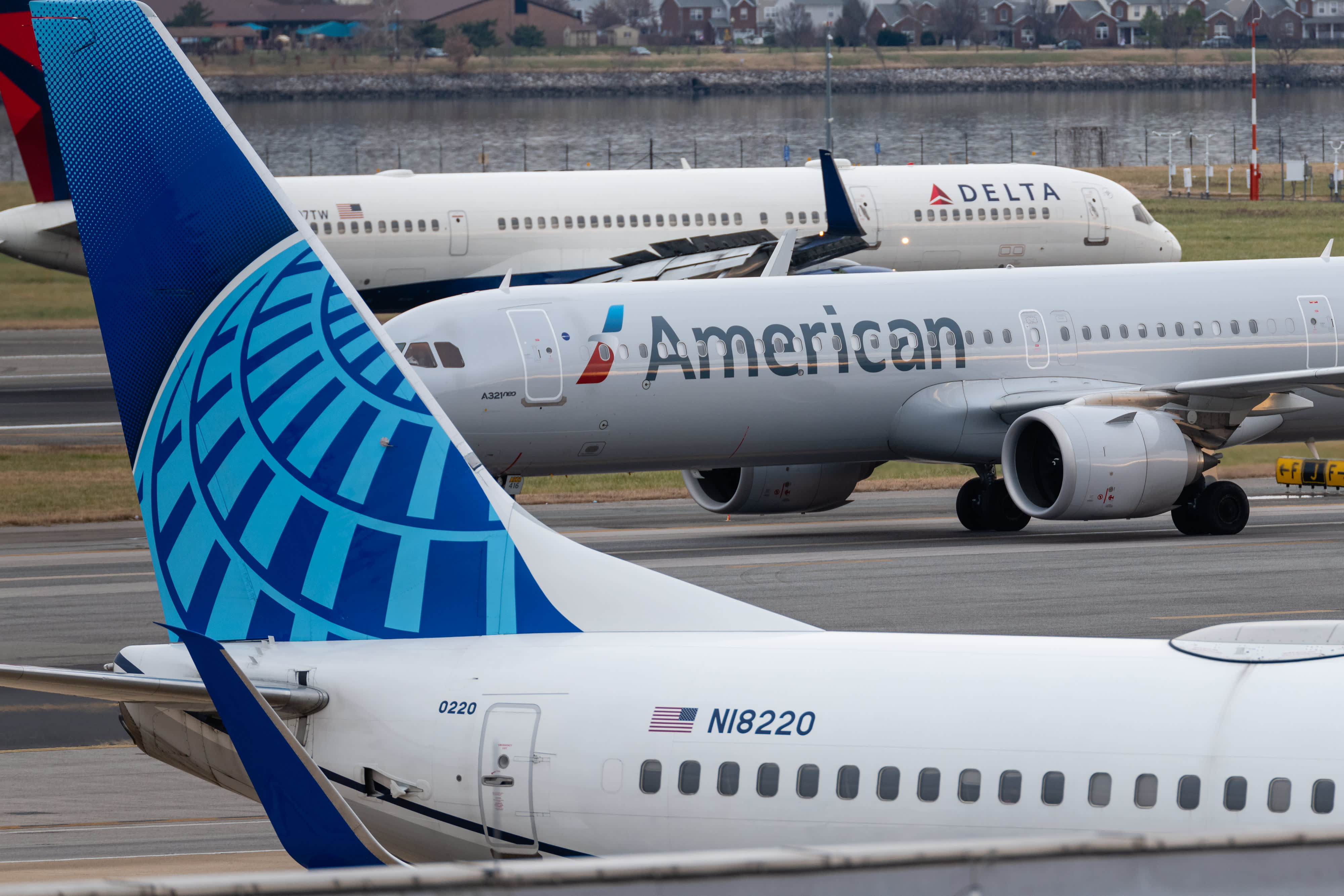
Major US airlines waive flight-change fees ahead of weekend nor'easter bringing high winds and potential flooding to Northeast.
South China Sea Tensions Rise as Philippines Provokes China During National Holiday
China Coast Guard responds to Philippine provocation at Second Thomas Shoal during Chinese holiday, escalating regional tensions in the disputed South China Sea.
New Era of US-China Relations: Analyzing Xi Jinping's Historic 2026 Visit
An in-depth analysis of President Xi Jinping's speech at the 2026 White House State Dinner, exploring the historical context of US-China ties and the future of global diplomacy.
MGM Resorts Shares Plunge 11% After Barry Diller's People Inc. Withdraws Takeover Offer
Barry Diller's People Inc. has rescinded its $48.30 per share takeover proposal for MGM Resorts, causing the casino giant's stock to drop significantly. The decision comes amid concerns about the deal's complexity and potential debt burden.
Hyundai Poised to Surpass Ford in Q3 Sales as Detroit Automakers Lag in Hybrid Market
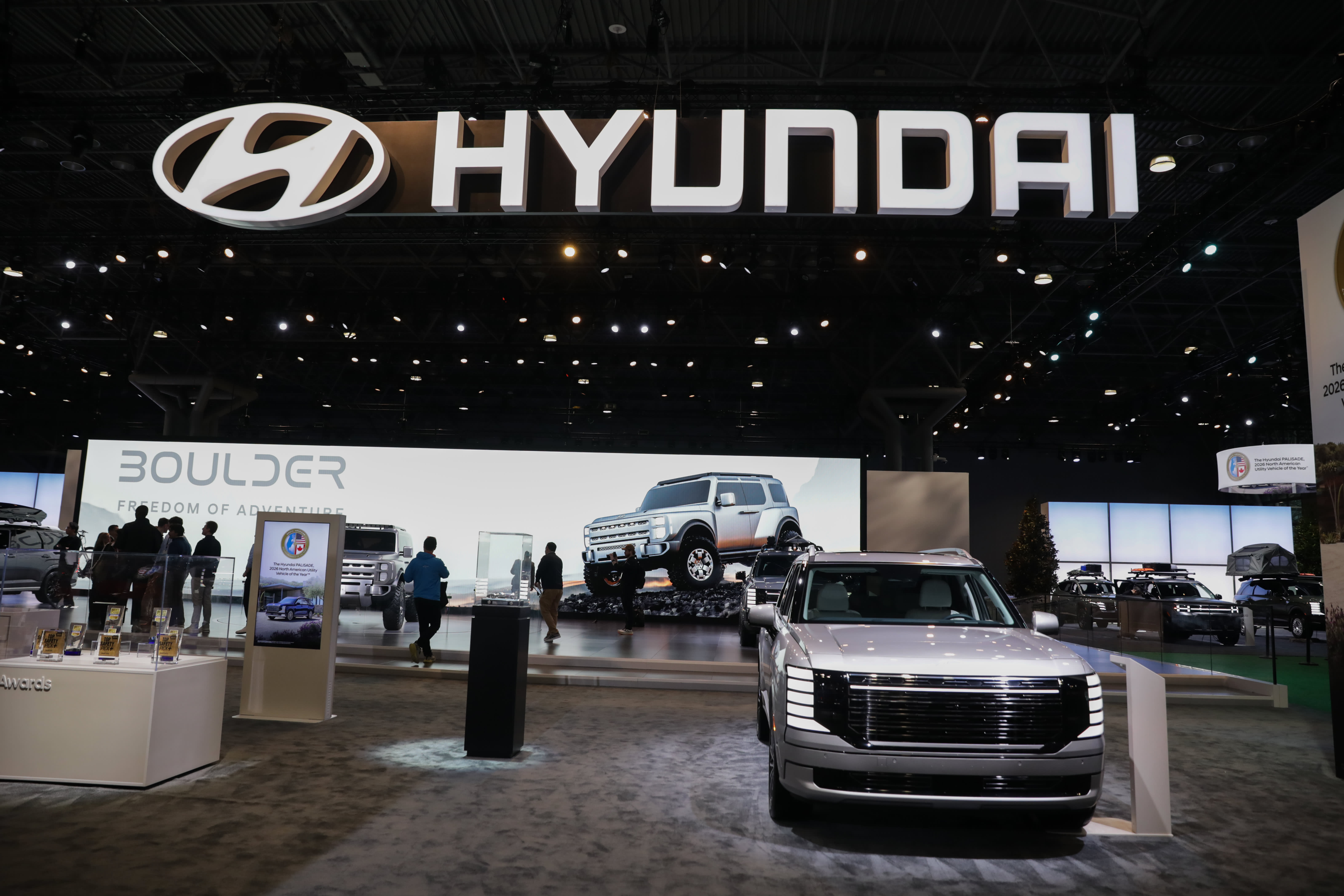
South Korean automaker Hyundai expected to outsell Ford for the first time ever in Q3, highlighting Detroit's struggle with hybrid vehicles amid rising gas prices.
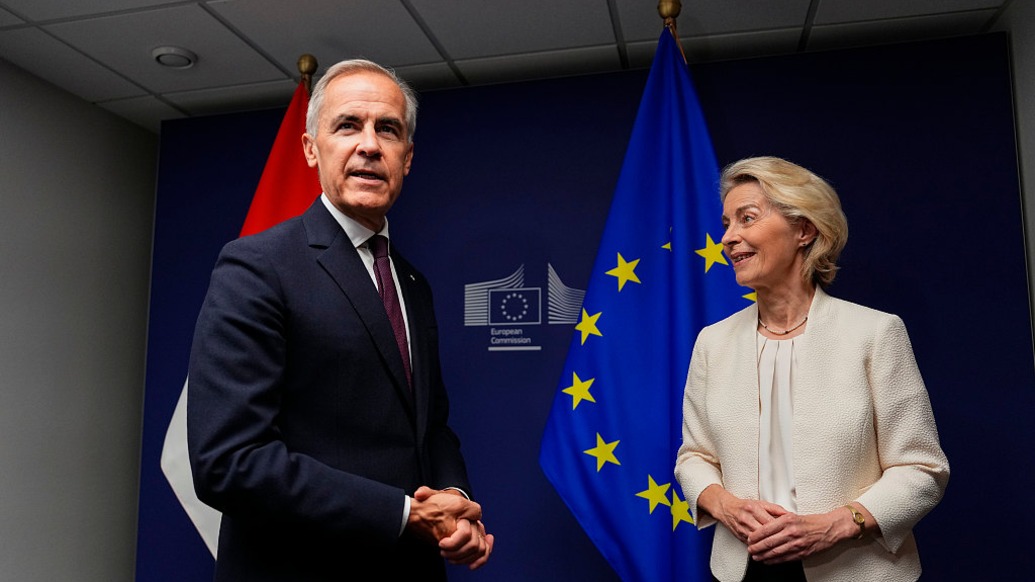
Canada and EU Reducing US 'Indispensability' Within Transatlantic Framework
Analysis of how Canada and the EU are strategically diversifying partnerships while maintaining transatlantic ties amid shifting geopolitical dynamics.

Navigating US-China Relations: Building a Constructive Strategic Stability
As 2026 marks a pivotal year for US-China relations, explore how the two nations are forging a new path of constructive strategic stability amid global challenges.
Latest Articles
- Historic Visit of Xi Jinping to the United States: A Milestone in Sino-American Diplomacy
- UK Returns 12 Cultural Artifacts to China in Historic Repatriation
- 2026 Global Governance Forum to convene in Xiongan New Area
- Venezuela's Interim President Meets Trump in New York Amid Major Energy Deal
- UK Regional Leaders Meet Amid Constitutional Crisis: Separation Dreams vs Reality
- Strategic Reset: Xi Jinping's Historic Return to the United States in 2026