Autonomous Trucking Revolution: Aurora Innovation's Path to Profitability
Aurora Innovation is deploying 20 driverless trucks on US highways, targeting profitability by 2028. Discover how autonomous fleets can be 7.5X more profitable than human-driven ones.
Source: CNBC
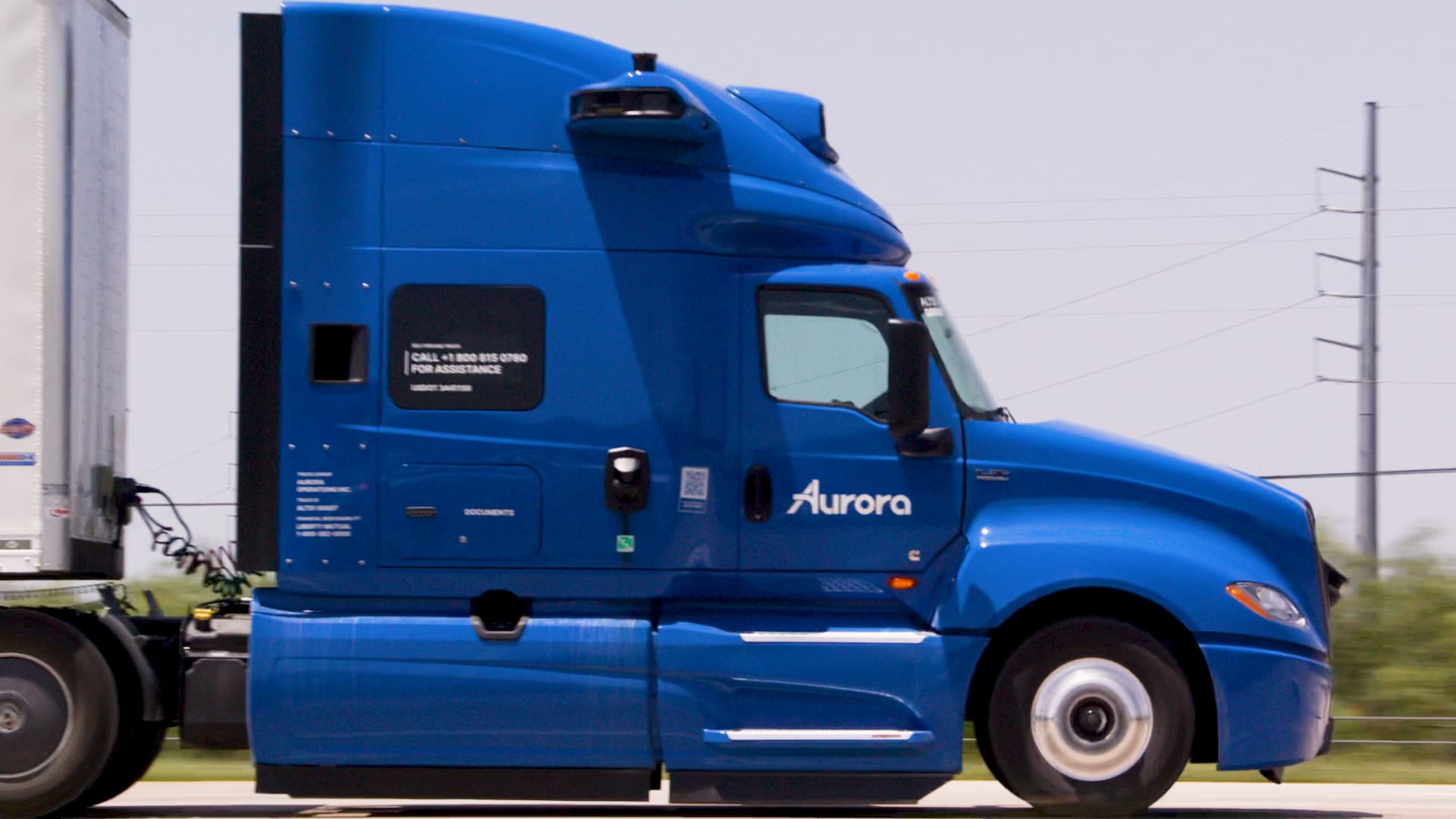
Imagine cruising down Interstate 45 in Texas, a corridor bustling with commercial traffic between Houston and Dallas. Amidst the sea of tractor-trailers, a striking sight emerges: a fully autonomous semi-truck navigating the highway without a human behind the wheel. This is not a scene from a sci-fi movie but a reality unfolding on the roads today, thanks to companies like Aurora Innovation. As the trucking industry faces a severe driver shortage and rising operational costs, autonomous technology is positioning itself not just as a novelty, but as a critical solution for supply chain efficiency. The race to replace human drivers with AI is accelerating, and understanding the economic and operational implications of this shift is more important now than ever.
Key Insights into Autonomous Trucking
-
Massive Operational Efficiency Gains: Autonomous trucks can theoretically operate for up to 20 hours a day without the fatigue-induced breaks mandated by federal laws for human drivers. This continuous operation capability allows for significantly faster delivery times and higher throughput for freight companies.
-
Substantial Cost Reductions: According to industry analysis, a fully autonomous fleet can be nearly 7.5 times more profitable than a human-driven fleet. Bank of America estimates that Aurora's "driver as a service" model will cost approximately $0.85 per mile, compared to the $1.30 per mile average for human driver wages and benefits.
-
Rapid Fleet Expansion: Aurora Innovation currently has 20 driverless trucks on the road with a clear roadmap to expand this autonomous fleet to 200 trucks by the end of the year. This aggressive scaling is driven by the company's goal to achieve positive free cash flow by 2028.
-
Advanced Sensor Technology: Aurora trucks utilize a sophisticated combination of LiDAR, radar, and cameras to create a comprehensive 360-degree view of their surroundings. This sensor fusion allows the AI to detect other vehicles, pedestrians, and road hazards with high precision, ensuring safe navigation in complex traffic environments.
-
Addressing the Driver Shortage: With the U.S. trucking industry facing a critical lack of qualified drivers, autonomous trucks offer a reliable alternative. They can fill the gap when companies struggle to hire and retain top-tier drivers, ensuring that goods continue to move efficiently across the country.
Deep Dive: The Economics of a Driverless Future
The transition toward autonomous trucking represents a fundamental shift in the logistics and transportation sectors, driven by both technological maturity and economic necessity. The core argument for autonomous vehicles (AVs) lies in their superior operational economics. By eliminating the need for human rest periods, autonomous fleets can maximize asset utilization, effectively doubling the daily driving capacity compared to human-operated trucks. This efficiency is compounded by the reduction in labor costs, which constitute a significant portion of the total operating expense for trucking companies. Furthermore, the consistency of an AI driver reduces the likelihood of human error, which is a leading cause of accidents and subsequent insurance claims, thereby lowering the overall risk profile for shipping firms.
However, the path to profitability is not without its challenges. While the theoretical cost savings are substantial, the initial investment in AV technology and the infrastructure required to support it are enormous. Companies like Aurora are betting that the economies of scale will eventually outweigh these upfront costs. The "driver as a service" model shifts the capital expenditure from the shipping company to the technology provider, making it more accessible for smaller logistics firms to adopt the technology. Yet, skeptics argue that the value of human drivers extends beyond simple transportation; they provide crucial judgment in navigating unpredictable road conditions, handling customer service interactions, and ensuring cargo security. As the industry moves forward, the balance between the efficiency of AI and the reliability of human oversight will define the future of freight transport.
Frequently Asked Questions
Can autonomous trucks legally drive for 20 hours straight?
Yes, autonomous trucks are not subject to the same federal regulations regarding rest breaks and driving hours as human drivers. This allows them to maintain a consistent schedule and maximize productivity, though they are still subject to speed limits and traffic laws.
How does Aurora's technology compare to other autonomous trucking companies?
Aurora Innovation distinguishes itself with its "driver as a service" business model and its focus on operating on specific, high-traffic corridors. Competitors like Tesla and Kodiak AI are also developing autonomous systems, but Aurora has already deployed a fleet of vehicles on public roads, logging millions of miles of real-world experience.
What are the main safety concerns with driverless trucks?
The primary safety concerns revolve around the technology's ability to handle unexpected situations, such as sudden lane changes by other vehicles, adverse weather conditions, or navigating complex intersections. While Aurora claims its systems have undergone rigorous testing, public acceptance remains a hurdle as the technology becomes more common on highways.
Source: https://www.cnbc.com/2026/09/22/aurora-autonomous-semi-ride.html
Related posts
Pakistan Police Camp Terror Attack: China's Firm Stance Against Terrorism
China strongly condemns Pakistan police camp terror attack, reaffirming unwavering support in global fight against terrorism.

Wreck Island Captive: A Story of Humanity Amidst War
The recent symposium on 'Wreck Island Captive' reveals how a forgotten WWII photo sparked a powerful bridge between China and the US, proving that people-to-people diplomacy remains the bedrock of international relations.
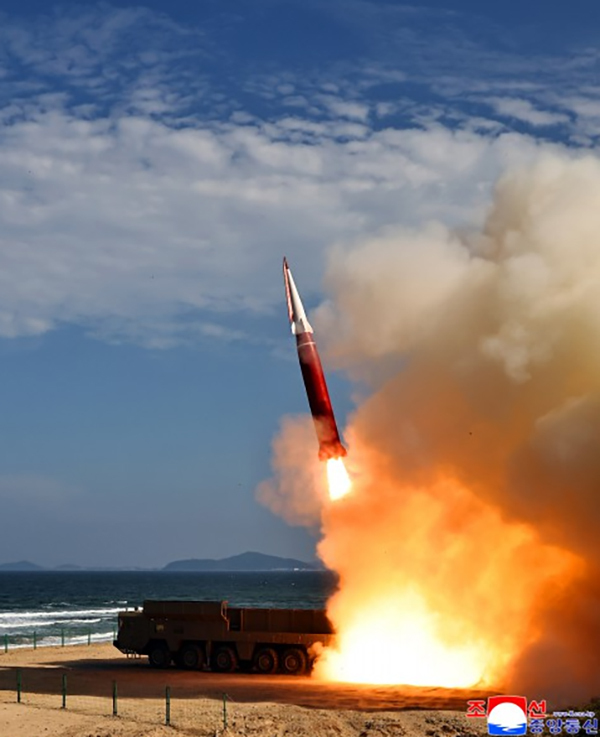
North Korea Unveils New Hypersonic Missile with Waverider Design
North Korea's latest hypersonic missile test showcases advanced waverider technology, marking the country's fifth public demonstration of hypersonic capabilities.

Germany's Political Shift: AfD's Rise and the Fall of the Firewall
Why is Germany's political landscape fracturing? Analyzing the AfD's surge, the collapse of the firewall, and the rise of left-wing movements.
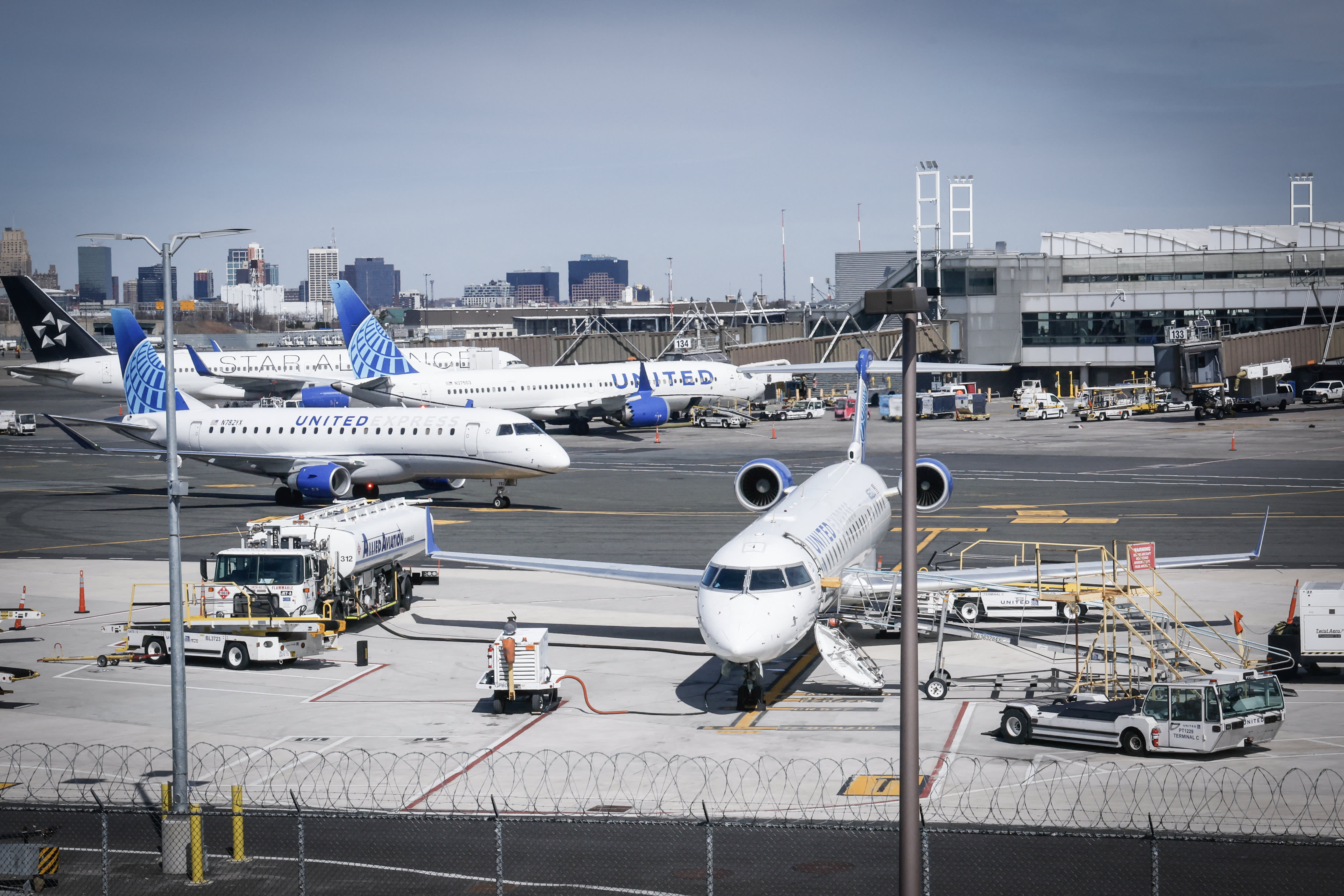
Verizon Fiber Cut Causes Major Flight Disruptions Across Northeast US
Construction accident in New Jersey cuts critical Verizon fiber cable, halting hundreds of flights to Newark, NYC, and Philadelphia airports.
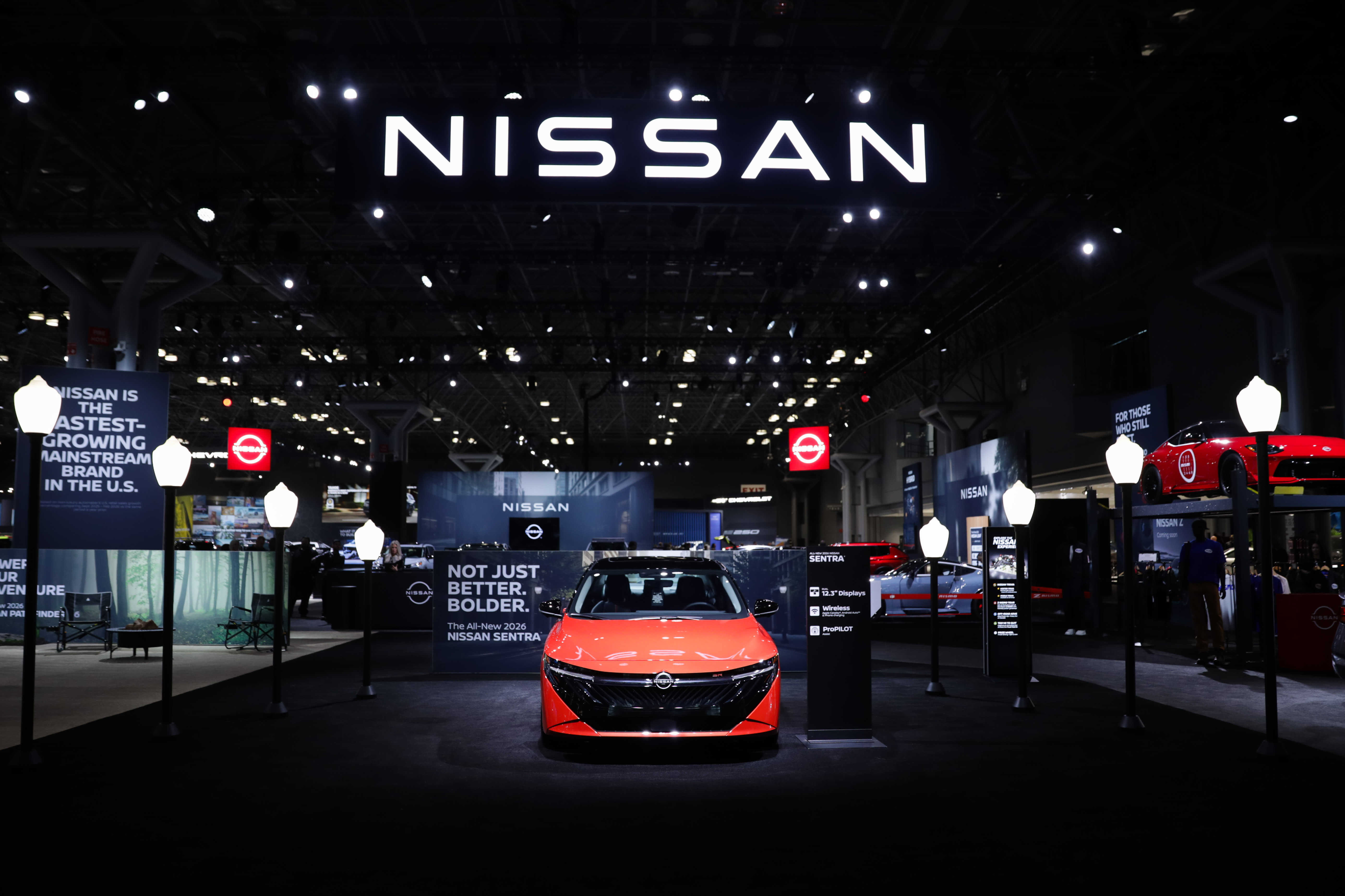
Nissan Boosts U.S. Production with 2027 Rogue Hybrid Launch
Nissan eyes 3 shifts at US plants to boost production to 1M units with the new Rogue e-Power hybrid.

NVIDIA's AI Revolution: Transforming Industries with Cutting-Edge Technology
Explore how NVIDIA's latest AI innovations are reshaping industries, from healthcare to autonomous vehicles, and what this means for the future of technology.
China to Participate in ASEAN Defense Exercise 'Trident Resolve' in Indonesia
Chinese military to join multinational disaster response drill focusing on earthquake and compound disaster scenarios in Southeast Asia.
Latest Articles
- Budget Airlines Shift Strategy: Frontier, Allegiant, JetBlue Add Premium Seats
- Philippine Vessel's 'Staged' Collision: Analyzing South China Sea Tactics
- Ticket Prices Surge 45% For Macklemore Solo Concert Amid Ed Sheeran Tour Fallout
- The Three-Way Squeeze: How Tariffs, Fuel Costs, and Interest Rates Are Reshaping American Business
- Semaglutide Lawsuits: Link Between Diabetes Drug and Rare Vision Damage Under Scrutiny
- Caribbean Nations Seek Reparations from Britain: A New Era of Legal Action