The Three-Way Squeeze: How Tariffs, Fuel Costs, and Interest Rates Are Reshaping American Business
American companies face a 'triple squeeze' from tariffs, soaring fuel prices due to the Iran war, and rising interest rates, forcing executives to make tough decisions.
Source: CNBC
For American businesses, the current economic landscape feels less like a recovery and more like a survival test. The combination of aggressive trade policies, geopolitical instability driving energy costs, and a central bank tightening cycle is creating a perfect storm. Executives across manufacturing, logistics, and retail are forced to make agonizing choices between raising prices, cutting costs, or risking insolvency. This is not merely a fluctuation in the market; it is a structural shift that demands a strategic pivot.
Key Takeaways
- The Triple Threat: Companies are simultaneously battling higher input costs due to tariffs, rising operational expenses from fuel, and the increased cost of capital due to interest rate hikes.
- Inventory Hoarding: To mitigate supply chain risks, many manufacturers are stockpiling essential parts, leading to cash flow constraints and reduced agility.
- Pricing Power Variance: The ability to pass costs to consumers varies wildly. While tech giants and airlines with strong demand can absorb or transfer costs, smaller manufacturers often face a 'catch-22' where raising prices risks killing demand.
- Sector-Specific Pain: Capital-intensive sectors like manufacturing, auto supply chains, and trucking are disproportionately hit, as seen in the bankruptcy filings of auto parts suppliers like Grupo Antolin.
- The Fed's Dilemma: The Federal Reserve's battle against inflation risks slowing the economy too much, especially since the root causes—geopolitics and supply chain disruptions—may not be solved by higher interest rates alone.
In-Depth Analysis
The current economic pressure on American companies is best understood as a three-way squeeze that has converged with alarming speed. First, the legacy of trade policies has left a heavy tax on raw materials and goods, forcing manufacturers to absorb or pass on these costs. Second, the ongoing conflict in the Middle East has sent fuel prices, particularly diesel, to record highs, directly impacting transportation and logistics costs. Finally, the Federal Reserve’s decision to raise interest rates for the first time in years to combat inflation has made borrowing expensive. This trifecta of challenges means businesses cannot simply 'wait it out'; they must adapt or risk obsolescence.
This is particularly acute for the middle-market manufacturing sector, which lacks the cash reserves of tech giants but faces the same input costs. The situation has forced a divergence in corporate strategies. While large corporations with strong balance sheets and long-term debt structures can weather the storm, smaller firms reliant on short-term financing are finding credit drying up. The auto supply chain serves as a stark example of this fragility; with profit margins shrinking and raw material costs soaring, even major suppliers are filing for bankruptcy protection.
Looking ahead, the outlook is complicated by the Federal Reserve's policy dilemma. While higher rates are intended to cool inflation, they may inadvertently stifle the very growth they aim to manage. The root causes of current inflationary pressures—geopolitical instability and supply chain disruptions—may not respond to monetary policy in the same way as demand-pull inflation. Consequently, we are likely to see a prolonged period of 'stagflationary' pressure where growth is sluggish, but costs remain high. Companies that fail to innovate and optimize their supply chains will struggle to survive this environment.
Frequently Asked Questions
How are tariffs affecting small businesses?
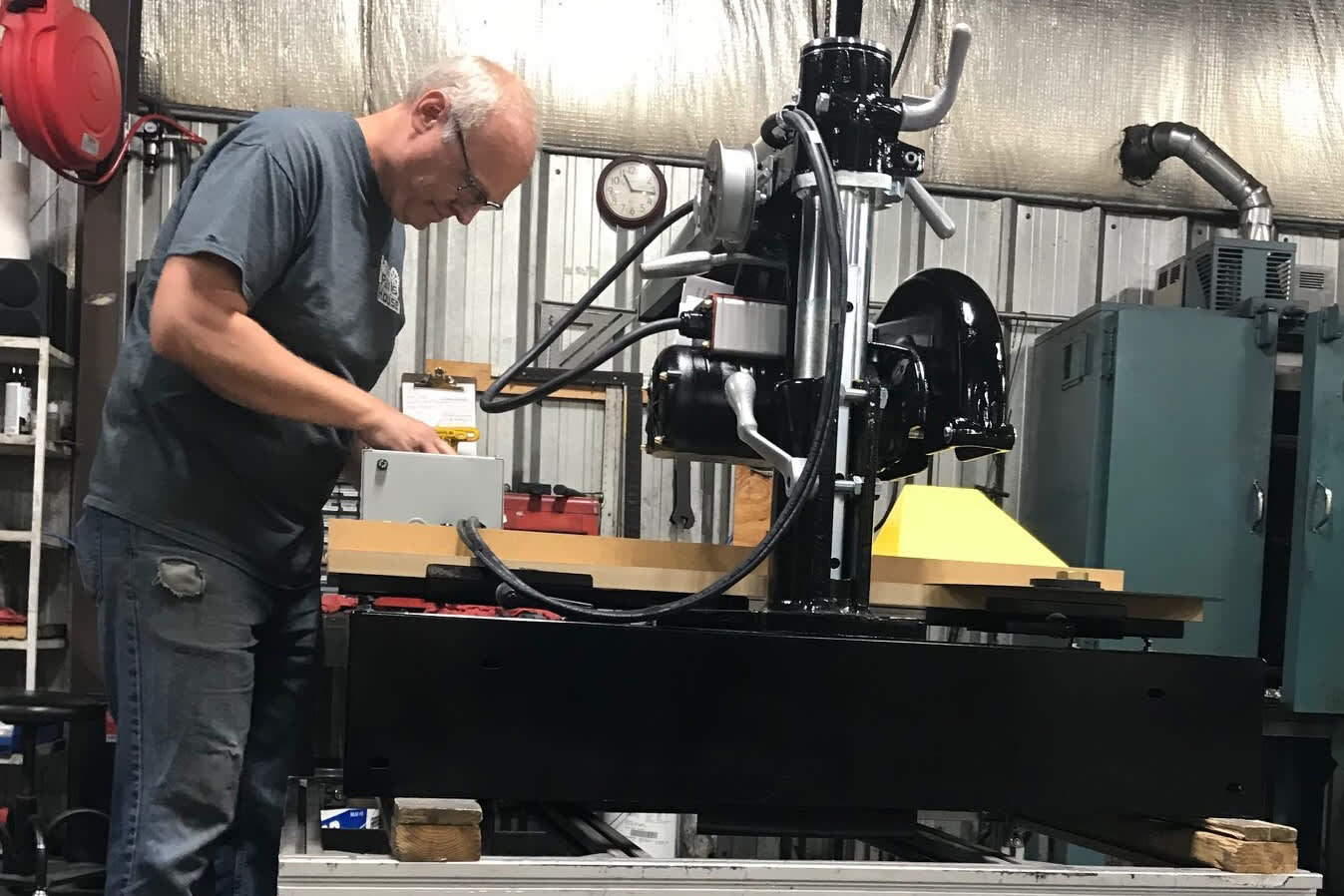
Small businesses, like the Original Saw Co., are hit harder than large corporations because they often lack the bargaining power to negotiate lower prices with suppliers. As tariffs increase the cost of raw materials like steel and aluminum, small manufacturers are forced to either cut into their thin profit margins or raise prices, both of which can be fatal in a competitive market.
Why are fuel prices so high right now?
The primary driver is the ongoing geopolitical situation in the Middle East, specifically the Iran war. This instability has disrupted oil supplies and created significant uncertainty in energy markets, leading to soaring diesel prices. Since diesel is the fuel of commerce for trucking and shipping, this directly impacts the cost of moving goods across the country.
Will interest rates stay high forever?
While the Federal Reserve has signaled that borrowing costs will remain elevated to combat persistent inflation, the eventual pivot depends on economic data. If inflation continues to cool and the job market remains stable, rates may stabilize. However, heavy government borrowing and ongoing supply chain issues could keep upward pressure on rates for an extended period.
Source: https://www.cnbc.com/2026/09/20/tariffs-fuel-prices-and-interest-rates-squeeze-us-companies.html
Related posts

Ticket Prices Surge 45% For Macklemore Solo Concert Amid Ed Sheeran Tour Fallout
Macklemore's removal from Ed Sheeran's tour triggers a ripple effect in the ticket market. Find out why resale prices for his upcoming solo shows are soaring.
Semaglutide Lawsuits: Link Between Diabetes Drug and Rare Vision Damage Under Scrutiny
Dozens of patients are suing Novo Nordisk over claims that semaglutide caused rare optic nerve damage. The pharmaceutical company denies the allegations, citing insufficient evidence.
Caribbean Nations Seek Reparations from Britain: A New Era of Legal Action
Barbados and Jamaica lead a historic push for British compensation over slavery. Explore the new legal strategies and international pressure being applied.
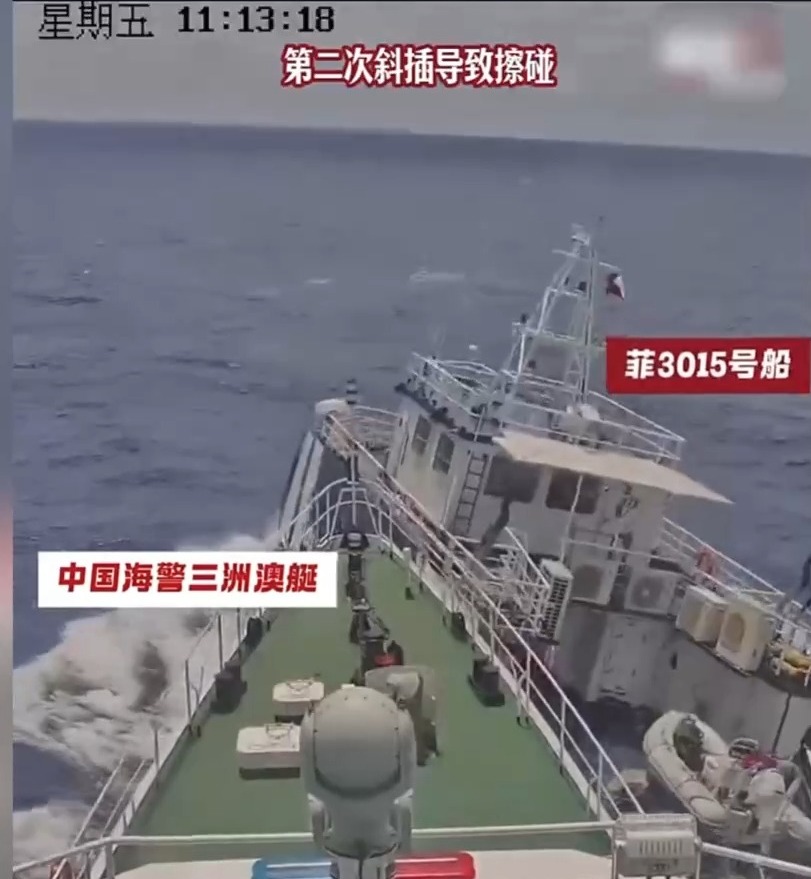
Philippine Vessel's 'Staged' Collision: Analyzing South China Sea Tactics
A deep dive into the recent 'staged' collision between the Philippine Coast Guard and Chinese Maritime Militia vessels in the South China Sea, revealing the strategic intent behind the provocation.

How The Federal Reserve Interest Rate Changes Impact Your Wallet And The Economy
Understanding the Federal Reserve's rate hikes is crucial for navigating the current economic climate. This analysis explains how these decisions affect inflation, borrowing costs, and your personal finances.
Russia's 2026 Duma Election: War, Drone Threats, and a Tightened Grip on Power
Russia's ninth Duma election marks a historic shift with four newly annexed regions participating. Amidst drone attacks and economic strain, Vladimir Putin calls for a 'correct choice' to support the military.
Microsoft Executives Admit AI Could Destroy Journalism: 'Unprecedented Theft of Labor'
Court documents reveal Microsoft and OpenAI executives privately acknowledged AI models are 'unprecedented theft of labor' and threaten news organizations. The New York Times lawsuit exposes the stark contrast between public claims and private admissions.
EU Proposes Ban on Social Media for Children Under 13
European Union plans legislation prohibiting social media use for children under 13, with strict penalties for non-compliant companies.
Latest Articles
- Trump Bans CNN, Politico & MS-NOW From White House Press Access
- Kylian Mbappé Signs with On: A Major Shift in Football Sponsorships
- Wendy's Franchisee Files for Bankruptcy Amid Chain's Struggles
- US Returns 64 Artifacts to China: A Historic Step in Diplomatic Relations
- Stephen Curry's Li-Ning Signature Shoe Set for Early 2027 Debut
- Global South Rise: Analyzing China's Diplomatic Strategy in SCO and BRICS