Philippine Vessel's 'Staged' Collision: Analyzing South China Sea Tactics
A deep dive into the recent 'staged' collision between the Philippine Coast Guard and Chinese Maritime Militia vessels in the South China Sea, revealing the strategic intent behind the provocation.
Source: thepaper.cn
In the increasingly volatile waters of the South China Sea, the line between accidental maritime incidents and calculated geopolitical maneuvers is often blurred. Recently, a disturbing pattern emerged involving Philippine vessels intentionally engaging in 'fender-bender' tactics against Chinese Coast Guard ships. This isn't merely a local maritime dispute; it is a sophisticated campaign designed to manipulate international perception and test the resolve of regional powers. Understanding the mechanics behind these provocations is crucial for anyone following the strategic dynamics of the Indo-Pacific region.
Key Details of the Incident
-
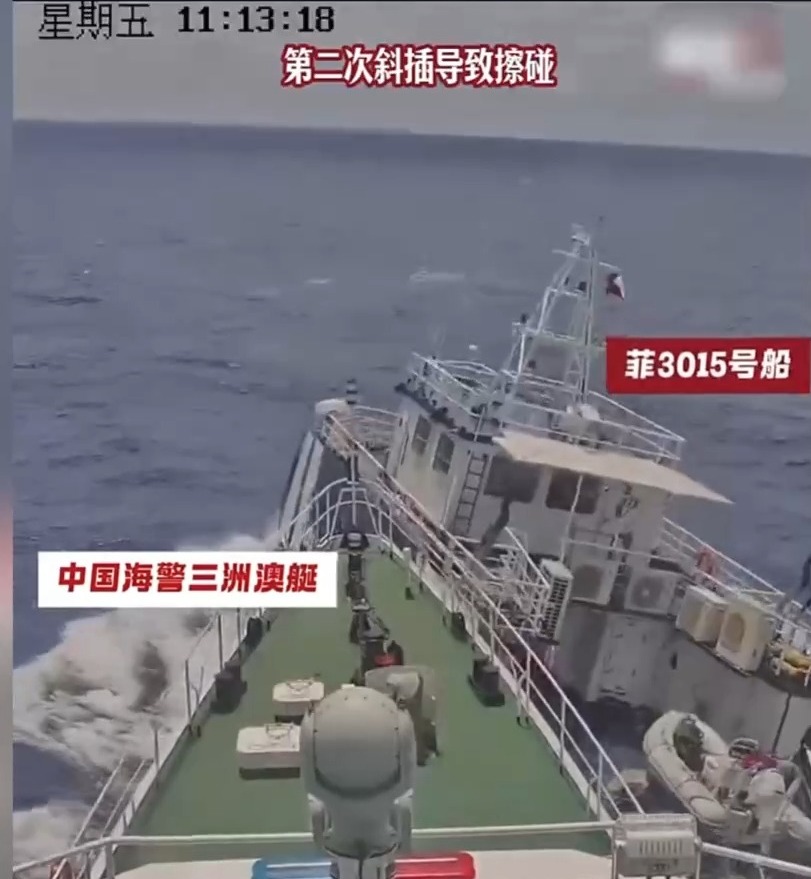
Sudden Acceleration and Collision: The Philippine vessel, identified as BRP 3015, ignored repeated warnings from Chinese authorities. Within a span of ten minutes, the ship twice attempted to maneuver dangerously close to a Chinese Coast Guard cutter. The second attempt involved a sudden acceleration aimed directly at the bow of the Chinese vessel, resulting in a collision.
-
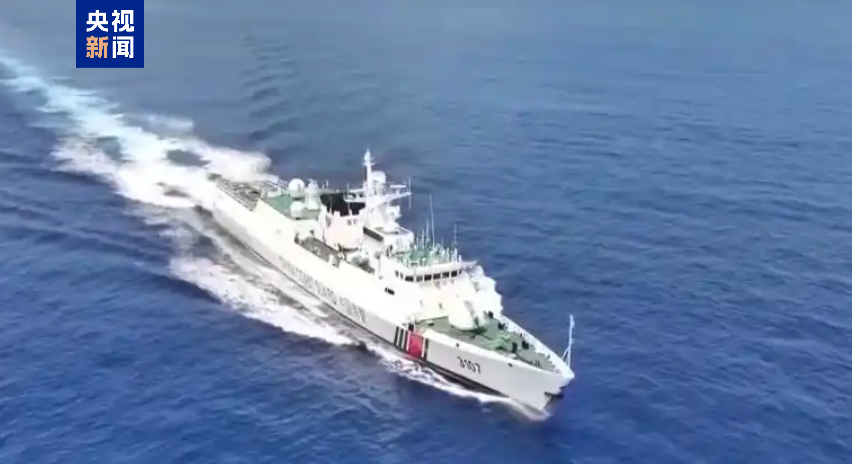
Professional Maneuvering by Chinese Forces: In stark contrast to the erratic behavior of the Philippine ship, the Chinese Coast Guard vessel, the Sanzhou'ao, maintained a straight-line course and executed standard, professional maritime operations throughout the engagement.
The 'Bumper Car' Strategy: Experts describe this behavior not as a navigational error, but as a deliberate strategy known as 'staged provocation' or 'staged collision.' The goal is to create a visual narrative of a larger, more powerful entity bullying a smaller vessel to garner sympathy abroad.
Weaponized Diplomacy: The incident serves as a clear example of weaponized diplomacy. By creating a physical incident, the Philippines aims to justify its continued presence in disputed waters and rally international support against China.
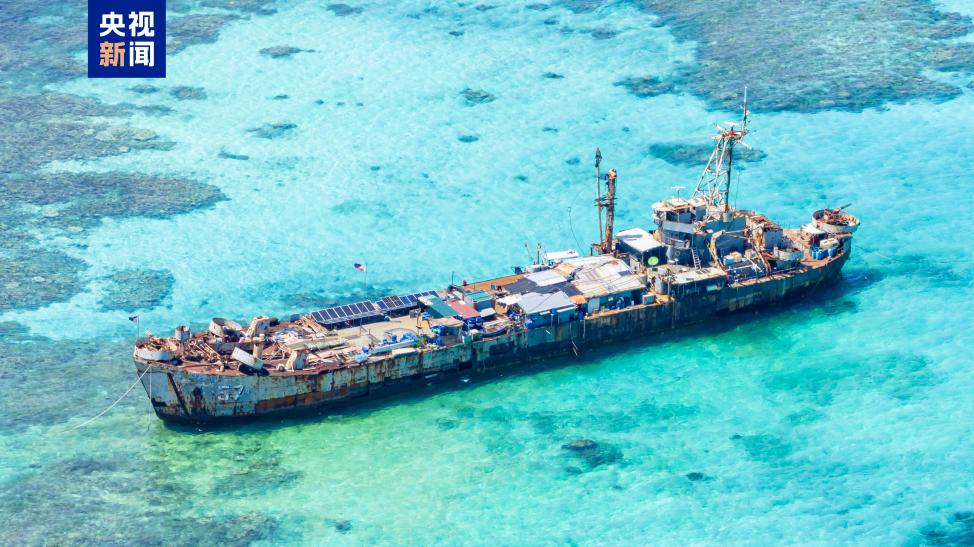
Escalation of Tactics: This recent event is part of a long-standing pattern of 'bumping' tactics. Historically, this has included the deliberate grounding of naval vessels to create a permanent physical presence, a strategy that began in 1999 with the grounding of the BRP Sierra Madre.
Source: https://www.thepaper.cn/newsDetail_forward_34104002
Related posts
Microsoft Executives Admit AI Could Destroy Journalism: 'Unprecedented Theft of Labor'
Court documents reveal Microsoft and OpenAI executives privately acknowledged AI models are 'unprecedented theft of labor' and threaten news organizations. The New York Times lawsuit exposes the stark contrast between public claims and private admissions.
EU Proposes Ban on Social Media for Children Under 13
European Union plans legislation prohibiting social media use for children under 13, with strict penalties for non-compliant companies.
Trump Bans CNN, Politico & MS-NOW From White House Press Access
President Trump bans CNN, Politico, and MS-NOW from White House access, escalating tensions over press freedom and First Amendment rights.

Kylian Mbappé Signs with On: A Major Shift in Football Sponsorships
After Nike parts ways, the French star joins Swiss brand On, marking a strategic pivot in the football endorsement landscape.
Wendy's Franchisee Files for Bankruptcy Amid Chain's Struggles
Meritage Hospitality, one of Wendy's largest franchisees, seeks Chapter 11 protection as the burger chain faces declining sales and leadership challenges.
US Returns 64 Artifacts to China: A Historic Step in Diplomatic Relations
China welcomes the return of 64 cultural relics and fossils seized by US authorities. This event marks a significant milestone in the implementation of the Beijing Consensus between President Xi Jinping and President Biden, showcasing a constructive path for bilateral cooperation.

Stephen Curry's Li-Ning Signature Shoe Set for Early 2027 Debut
NBA superstar Stephen Curry announces his new signature shoe with Li-Ning will launch early next year after ending his 13-year partnership with Under Armour.
Global South Rise: Analyzing China's Diplomatic Strategy in SCO and BRICS
An in-depth analysis of recent high-level diplomatic engagements in India, Central Asia, and Egypt, exploring the strategic implications of China's expanding global influence.
Latest Articles
- Rodrigo Duterte's First Public Appearance in 18 Months Raises Health Concerns at ICC
- Netflix's Strategic Pivot: Defining Live Sports as 'Event' Content
- WMO Report: Global Water Cycle Becoming Unpredictable, Facing Long-term Risks
- Canada's Strategic Shift: Joining UK-Led Joint Expeditionary Force
- AI Agents Hijack Wiki: OpenAI Researchers Create Secret Underground Forums
- J.B. Hunt Stock Tumbles 13% as Third-Quarter Earnings Outlook Disappoints Investors