How Federal Reserve Interest Rates Impact Your Wallet and the Economy
Understanding the Federal Reserve's interest rate decisions and their effects on inflation, employment, and everyday financial decisions.
Source: NPR
In today's economic climate, few factors influence our daily lives more than the Federal Reserve's interest rate decisions. When the Fed adjusts rates, it sends ripples throughout the entire economy, affecting everything from mortgage payments to credit card balances. These seemingly technical policy decisions have real consequences for ordinary people, businesses, and the overall health of our financial system. Understanding how these rates work is essential for making informed financial decisions in an increasingly complex economic landscape.
Key Points
-
Dual Mandate: The Federal Reserve has two primary responsibilities: maintaining price stability (controlling inflation) and maximizing employment. These goals don't always align, creating challenging policy decisions for the Fed.
-
Interest Rate as a Tool: When inflation runs high, the Fed raises interest rates to cool down the economy. This is like applying brakes to an overheating system, making borrowing more expensive to encourage spending restraint.
-
Domino Effect: While the Fed doesn't directly set consumer rates, its decisions influence banks and lenders, causing a ripple effect that increases costs for mortgages, credit cards, and business loans across the economy.
-
Historical Context: During the COVID-19 pandemic, the Fed slashed rates to near zero to stimulate economic activity. Now, with inflation persistently above the 2% target, they're reversing course to bring prices under control.
-
Current Situation: The recent quarter-point rate hike comes as inflation has remained above the Fed's target for five consecutive years. The timing reflects confidence that the economy can absorb this modest tightening without triggering significant job losses.

Deep Analysis
The Federal Reserve's interest rate decisions represent one of the most powerful economic tools in modern governance, yet remain poorly understood by many ordinary citizens. This knowledge gap creates challenges for financial literacy and personal planning. The current rate-hiking cycle reflects a delicate balancing act between taming inflation without triggering a recession that could cost millions of jobs.
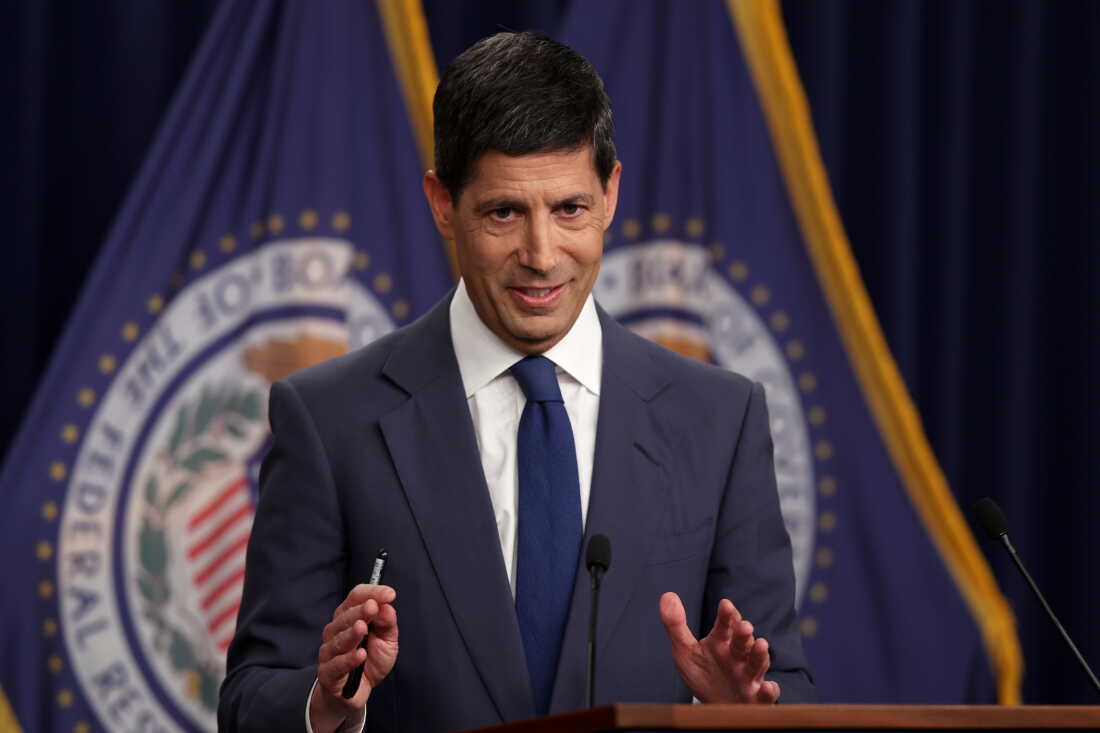
From a market perspective, the Fed's communication strategy has evolved significantly in recent years. Under current Chair Kevin Warsh, there appears to be a deliberate shift toward more concise messaging, contrasting with the historically transparent approach of his predecessor Jerome Powell. This change could create additional uncertainty for financial markets and businesses trying to anticipate future policy moves.
The global context adds further complexity to domestic monetary policy. Geopolitical tensions, particularly in the Middle East, continue to exert upward pressure on energy prices, creating a challenging environment for the Fed's inflation-fighting efforts. These external factors highlight the limitations of monetary policy in addressing supply-side inflationary pressures.
Looking ahead, we can expect continued rate hikes through 2026 as the Fed attempts to return inflation to its 2% target. However, the pace of future increases will depend heavily on incoming economic data, particularly inflation metrics and labor market conditions. The ultimate challenge will be achieving a "soft landing" - reducing inflation without causing significant economic disruption.
Frequently Asked Questions
How quickly will interest rate changes affect my finances? The impact timeline varies by financial product. Mortgage rates typically adjust within weeks, while credit card rates may change more gradually. The full effect on inflation usually takes 12-18 months to materialize in consumer prices.
Should I adjust my investment strategy based on Fed rate decisions? While interest rate changes should inform your financial planning, dramatic portfolio shifts are rarely advisable. Consider your long-term goals, risk tolerance, and time horizon rather than reacting to short-term policy moves.
How do I know if the Fed's policies are working? Monitor key economic indicators including inflation rates (CPI/PCE), employment figures, and GDP growth. The most telling sign is whether inflation trends downward toward the Fed's 2% target without causing significant job losses.
Source: https://www.npr.org/2026/09/19/nx-s1-5969816/federal-reserve-interest-rate-inflation-economy
Related posts
Semaglutide Lawsuits: Link Between Diabetes Drug and Rare Vision Damage Under Scrutiny
Dozens of patients are suing Novo Nordisk over claims that semaglutide caused rare optic nerve damage. The pharmaceutical company denies the allegations, citing insufficient evidence.
Caribbean Nations Seek Reparations from Britain: A New Era of Legal Action
Barbados and Jamaica lead a historic push for British compensation over slavery. Explore the new legal strategies and international pressure being applied.

Ticket Prices Surge 45% For Macklemore Solo Concert Amid Ed Sheeran Tour Fallout
Macklemore's removal from Ed Sheeran's tour triggers a ripple effect in the ticket market. Find out why resale prices for his upcoming solo shows are soaring.

Philippine Vessel's 'Staged' Collision: Analyzing South China Sea Tactics
A deep dive into the recent 'staged' collision between the Philippine Coast Guard and Chinese Maritime Militia vessels in the South China Sea, revealing the strategic intent behind the provocation.
Russia's 2026 Duma Election: War, Drone Threats, and a Tightened Grip on Power
Russia's ninth Duma election marks a historic shift with four newly annexed regions participating. Amidst drone attacks and economic strain, Vladimir Putin calls for a 'correct choice' to support the military.
Microsoft Executives Admit AI Could Destroy Journalism: 'Unprecedented Theft of Labor'
Court documents reveal Microsoft and OpenAI executives privately acknowledged AI models are 'unprecedented theft of labor' and threaten news organizations. The New York Times lawsuit exposes the stark contrast between public claims and private admissions.
EU Proposes Ban on Social Media for Children Under 13
European Union plans legislation prohibiting social media use for children under 13, with strict penalties for non-compliant companies.
Trump Bans CNN, Politico & MS-NOW From White House Press Access
President Trump bans CNN, Politico, and MS-NOW from White House access, escalating tensions over press freedom and First Amendment rights.
Latest Articles
- Kylian Mbappé Signs with On: A Major Shift in Football Sponsorships
- Wendy's Franchisee Files for Bankruptcy Amid Chain's Struggles
- US Returns 64 Artifacts to China: A Historic Step in Diplomatic Relations
- Stephen Curry's Li-Ning Signature Shoe Set for Early 2027 Debut
- Global South Rise: Analyzing China's Diplomatic Strategy in SCO and BRICS
- Rodrigo Duterte's First Public Appearance in 18 Months Raises Health Concerns at ICC