Caribbean Nations Seek Reparations from Britain: A New Era of Legal Action
Barbados and Jamaica lead a historic push for British compensation over slavery. Explore the new legal strategies and international pressure being applied.
Source: thepaper.cn
The echoes of history are finally demanding a reckoning. For decades, descendants of enslaved people in the Caribbean have called for justice regarding the transatlantic slave trade. Now, that call has evolved into a coordinated, multifaceted legal and diplomatic offensive. The Caribbean Community (CARICOM) and individual nations are moving beyond symbolic gestures to draft concrete 'action plans' and legal strategies aimed at forcing Britain to pay reparations for centuries of brutality.
Key Developments in the Reparation Campaign
- Drafting the 'Action Plan': Barbados, in collaboration with the CARICOM Reparations Commission (CRC), is actively formulating a detailed plan. This document outlines various legal and diplomatic options to compel Britain to negotiate a settlement for the lingering effects of slavery.
- A Unified Front: The push for reparations is not happening in isolation. Leaders from across the region, including former Prime Minister Ralph Gonsalves of Saint Vincent and the Grenadines, are working to establish a unified regional strategy. The goal is to present a single, powerful voice to the British government.
- Legal Arguments: The campaign is pivoting to the international legal arena. Caribbean nations are challenging the notion that slavery was merely a historical event. They are arguing that the international laws Britain has signed, such as the International Convention on the Elimination of All Forms of Racial Discrimination (ICERD), create binding obligations for the UK to address the 'consequences' of slavery.
- Seeking Royal Intervention: A landmark move by Jamaica involves submitting a formal petition to King Charles III. This petition asks the British monarch to exercise his power to direct the Judicial Committee of the Privy Council in London to provide legal advice on the matter, effectively bypassing the British government's direct political leadership.
- Defining the Crime: The narrative is shifting to categorize slavery as a crime against humanity. This aligns with a March 2026 UN resolution, which the UK abstained from voting on. This move aims to frame the issue not as a debt, but as a matter of justice for a crime.
- Addressing Modern Inequities: The demands extend beyond a simple cash payment. The Caribbean nations argue that the systemic racism and economic disparity they face today are direct descendants of the wealth generated by slavery. They are seeking a comprehensive plan that addresses these ongoing social and economic injustices.
- UK's Stance: The British government maintains its long-standing position of refusing to pay direct reparations. A spokesperson for Prime Minister Keir Starmer has reiterated that the UK has 'no plans' to do so, citing the complexities of historical debts and the UK's own history of abolition.
Deep Dive Analysis
This recent escalation marks a significant shift in the decades-long reparations movement. Historically, the demand for compensation was often met with silence or diplomatic rebuffs. However, the current strategy represents a sophisticated evolution, blending diplomatic pressure with aggressive legal tactics.
The core of this new strategy is to leverage international law. By pointing to the UK's ratification of the ICERD and other human rights treaties, Caribbean nations are attempting to create a legal framework where the UK cannot simply ignore the issue. The move to seek a ruling from the Judicial Committee of the Privy Council is particularly bold. It challenges the UK's sovereignty argument by asking its own highest court for guidance, effectively turning the legal battle inward.
Furthermore, the framing of slavery as a crime against humanity is a crucial strategic pivot. This moves the conversation away from a financial transaction to one of accountability and moral responsibility. It also aligns with the growing global discourse on historical injustices and restorative justice.
For the UK, this presents a complex dilemma. Ignoring the legal challenges could damage its international reputation as a champion of human rights and the rule of law. However, engaging with the demands could set a precedent that the UK would be wary of establishing. The UK government is likely to face increasing pressure from within its own parliament and civil society to reconsider its hardline stance.
The outcome of this campaign will have far-reaching implications. It could set a precedent for other former colonial powers to face similar legal challenges. It will also force a global conversation about the true cost of empire and the responsibilities of modern nations towards the injustices of the past.
Frequently Asked Questions
Q: What is the ultimate goal of the Caribbean nations?
A: The primary goal is to secure a formal apology from the UK and establish a comprehensive reparations program. This includes financial compensation, debt relief, investment in education and health in the Caribbean, and initiatives to address the social and economic legacy of slavery.
Q: Why is the UK refusing to pay?
A: The UK government argues that it is unfair to hold a modern nation responsible for the actions of its ancestors. They also contend that the UK was the first major nation to abolish the slave trade and played a leading role in the eventual abolition of slavery itself.
Q: What happens if the UK refuses to engage?
A: The Caribbean nations have a range of legal options, including taking the issue to the International Court of Justice. They are also prepared to use diplomatic pressure, such as at the United Nations, to keep the issue on the global agenda.
Source: https://www.thepaper.cn/newsDetail_forward_34107445
Related posts

Ticket Prices Surge 45% For Macklemore Solo Concert Amid Ed Sheeran Tour Fallout
Macklemore's removal from Ed Sheeran's tour triggers a ripple effect in the ticket market. Find out why resale prices for his upcoming solo shows are soaring.

Philippine Vessel's 'Staged' Collision: Analyzing South China Sea Tactics
A deep dive into the recent 'staged' collision between the Philippine Coast Guard and Chinese Maritime Militia vessels in the South China Sea, revealing the strategic intent behind the provocation.

How The Federal Reserve Interest Rate Changes Impact Your Wallet And The Economy
Understanding the Federal Reserve's rate hikes is crucial for navigating the current economic climate. This analysis explains how these decisions affect inflation, borrowing costs, and your personal finances.
Russia's 2026 Duma Election: War, Drone Threats, and a Tightened Grip on Power
Russia's ninth Duma election marks a historic shift with four newly annexed regions participating. Amidst drone attacks and economic strain, Vladimir Putin calls for a 'correct choice' to support the military.
Microsoft Executives Admit AI Could Destroy Journalism: 'Unprecedented Theft of Labor'
Court documents reveal Microsoft and OpenAI executives privately acknowledged AI models are 'unprecedented theft of labor' and threaten news organizations. The New York Times lawsuit exposes the stark contrast between public claims and private admissions.
EU Proposes Ban on Social Media for Children Under 13
European Union plans legislation prohibiting social media use for children under 13, with strict penalties for non-compliant companies.
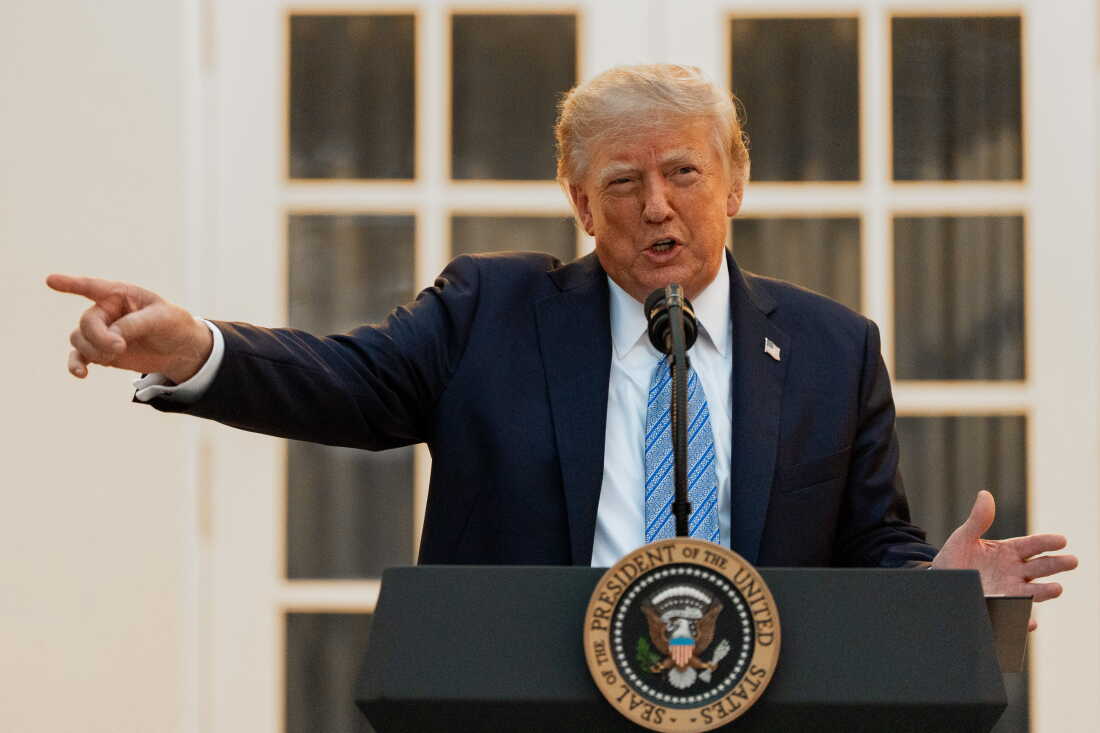
Trump Bans CNN, Politico & MS-NOW From White House Press Access
President Trump bans CNN, Politico, and MS-NOW from White House access, escalating tensions over press freedom and First Amendment rights.

Kylian Mbappé Signs with On: A Major Shift in Football Sponsorships
After Nike parts ways, the French star joins Swiss brand On, marking a strategic pivot in the football endorsement landscape.
Latest Articles
- Wendy's Franchisee Files for Bankruptcy Amid Chain's Struggles
- US Returns 64 Artifacts to China: A Historic Step in Diplomatic Relations
- Stephen Curry's Li-Ning Signature Shoe Set for Early 2027 Debut
- Global South Rise: Analyzing China's Diplomatic Strategy in SCO and BRICS
- Rodrigo Duterte's First Public Appearance in 18 Months Raises Health Concerns at ICC
- Netflix's Strategic Pivot: Defining Live Sports as 'Event' Content