China Offers Nepal Post-Disaster Rebuild Aid After Deadly Mudslides
China's Foreign Ministry says Beijing is ready to help Nepal rebuild after catastrophic mudslides, signaling continued goodwill between the two neighbors.
Source: thepaper.cn
When landslides tear through mountain villages, the speed of international response often determines how quickly survivors regain a semblance of normal life. In September 2026, after a devastating mudslide struck Nepal, Beijing moved quickly to signal solidarity with its longtime neighbor. The exchange at China's Foreign Ministry briefing was brief, but it carried outsized diplomatic weight — a reminder that disaster diplomacy is one of the most reliable channels of Sino-Nepali relations.
Key Developments
-
Official statement at the daily briefing. On September 10, 2026, Foreign Ministry spokesperson Guo Jiakun fielded a question from a Reuters correspondent about Nepal's recovery efforts during the ministry's regular press conference. Guo's answer framed China's position in clear, supportive terms, according to state media outlet The Paper.
-
Immediate emergency assistance already delivered. Guo noted that after the mudslide disaster struck, China launched its own emergency rescue operations while simultaneously extending a hand to Nepal to support its disaster relief. This dual-track response — protecting Chinese personnel on the ground while assisting the host country — has become a standard feature of Beijing's crisis management abroad.
-
A pledge tied to Nepal's own needs. Rather than announcing a fixed aid package, Guo said China is willing to provide assistance "within its capacity" based on what Nepal actually requests. This conditional framing gives Kathmandu room to define its own priorities and avoids the appearance of one-sided charity.
-
Framing as a "traditional friendly neighbor." The spokesperson explicitly invoked the language of longstanding friendship between the two countries, a phrase Chinese diplomats reserve for a small circle of close partners. It signals that the relationship is treated as durable rather than transactional.
-
Confidence in Nepal's recovery. Guo expressed belief that under the leadership of the Nepali government, the people of Nepal would overcome the disaster and rebuild their homes. Such statements are diplomatic ritual, but they also set expectations that China will remain engaged through the reconstruction phase.
-
Reuters interest reflects global attention. The fact that a Reuters correspondent raised the question shows international media are tracking how major powers respond to climate-linked disasters in South Asia. China's answer was calibrated for that broader audience as much as for Kathmandu.
-
Timing within a broader diplomatic calendar. The briefing came during a period of active Chinese engagement with South Asian states, making the Nepal pledge one data point in a wider pattern of regional outreach.
Deeper Analysis
Disaster relief has quietly become one of China's most effective tools of soft power in South Asia. Unlike infrastructure financing, which can take years and generate debt-sustainability debates, emergency assistance produces visible, immediate goodwill at relatively low cost. For Nepal — a country wedged between China and India and historically sensitive about overdependence on either — accepting Chinese help after a natural disaster carries far less political baggage than accepting large-scale investment loans.
The phrasing "within its capacity" is worth reading closely. It echoes language China has used in other aid contexts, and it serves two purposes: it avoids committing to specific figures that could later be scrutinized, and it keeps the initiative on Nepal's side. Kathmandu can request what it needs without Beijing appearing to dictate terms. This is a subtle but meaningful shift from the more headline-driven aid announcements of earlier eras.
Geologically, Nepal sits in one of the world's most hazard-prone zones, where monsoon rains regularly trigger landslides and flash floods in mountainous terrain. Climate change is widely understood to be intensifying the frequency and severity of such events across the Himalayan region. That reality means disaster cooperation between China and Nepal is likely to become more routine, not less — and each response builds institutional familiarity between the two governments.
For global audiences, the episode also illustrates how Beijing uses its daily Foreign Ministry briefings as a stage. A single question from a Reuters journalist becomes an opportunity to project reliability, generosity, and regional leadership — all in under a minute of remarks. Whether that translates into deeper long-term influence depends on follow-through during reconstruction, where Chinese engineering firms and equipment suppliers could play a practical role.
Looking ahead, the key question is whether this pledge evolves into concrete projects: temporary housing, road repairs, or slope-stabilization works in affected districts. If it does, the September briefing will be remembered as the opening move rather than a one-off gesture.
Frequently Asked Questions
What exactly did China offer Nepal? Beijing said it is willing to provide assistance for post-disaster reconstruction based on Nepal's needs and within China's capacity. No specific monetary figure or project list was announced at the briefing.
Why does this matter beyond the immediate disaster? It reinforces China's role as a reliable partner in South Asia and keeps the bilateral relationship warm without the controversy that often surrounds large infrastructure financing.
How does this fit China's wider regional strategy? Disaster assistance is a low-cost, high-visibility form of diplomacy. It builds goodwill with Nepal's government and public while positioning Beijing as a constructive regional actor.
Source: https://www.thepaper.cn/newsDetail_forward_34044303
Related posts

UN Reform: China's 55-Year Commitment to Multilateralism
Explore China's deepening role at the UN, from peacekeeping to global development initiatives, and how it shapes the future of international cooperation.
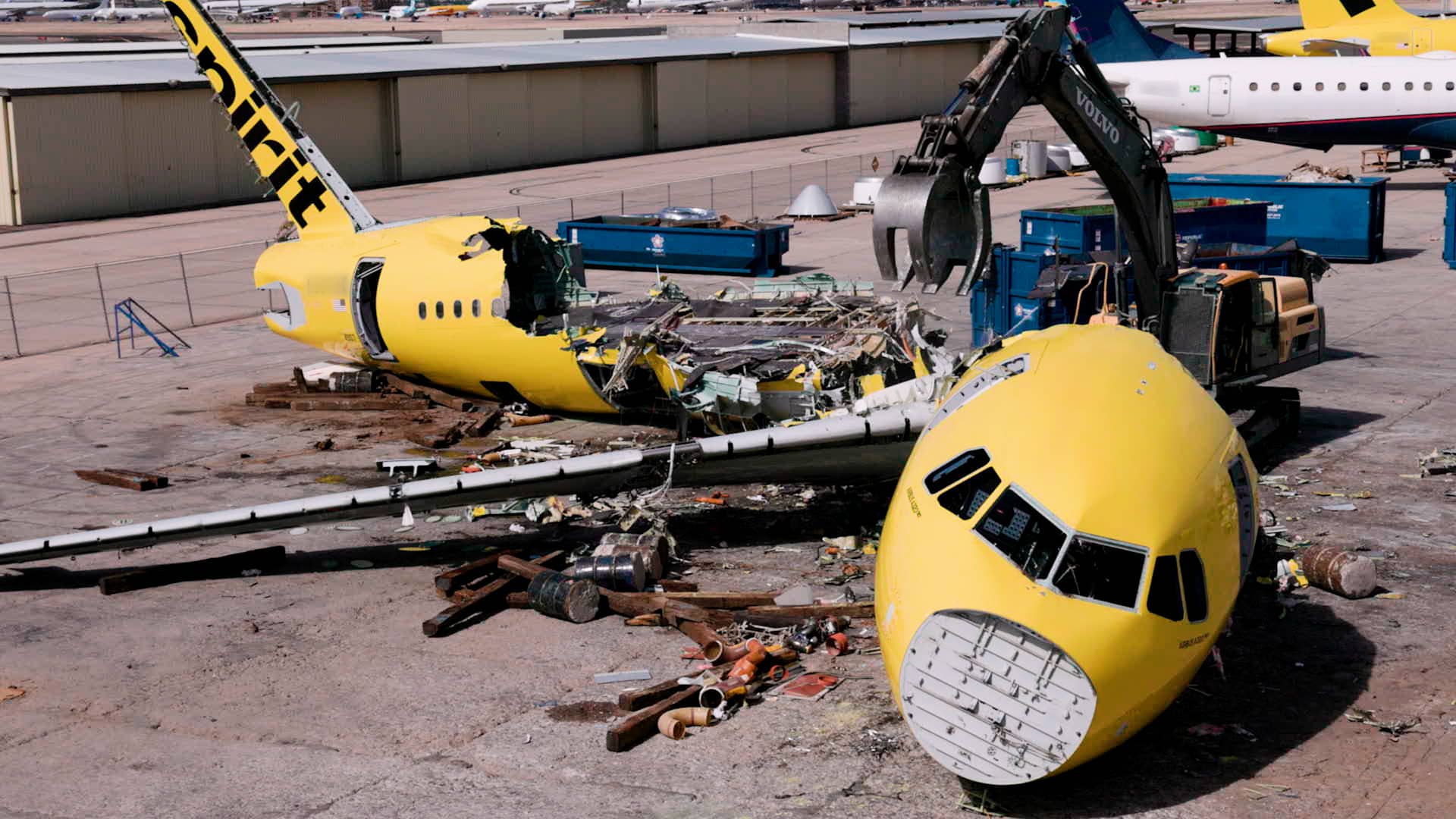
Why Airlines Are Scrapping Brand-New Aircraft Amid Engine Shortage Crisis
Airlines are dismantling planes years ahead of schedule due to unprecedented engine shortages, creating a booming market for aircraft parts while raising concerns about sustainability and operational costs.

Comcast Exceeds Q3 Earnings Expectations as Media Strength Outweighs Connectivity Challenges
Comcast beats Wall Street expectations with strong media performance, while Peacock streaming service turns profitable for second time. The company faces challenges in connectivity but sees growth opportunities in mobile.

David's Bridal Spins Off AI Platform Pearl for Public Listing
David's Bridal plans to spin off its AI platform Pearl into a publicly traded company, targeting a $350M valuation and a first-half 2027 IPO.

Elon Musk's Billion-Dollar Bet: New Investment in Skydance Media
Elon Musk invests $1 billion in Skydance, a major media merger involving Paramount and Warner Bros. Discovery. This strategic move aims to cut costs and secure the future of the combined entertainment giant.

NHK Documentary Exposes Secret 1978 Yasukuni Shrine Ritual
Newly released archival footage reveals the 1978 secret ritual that enshrined Class-A war criminals, exposing Japan's persistent historical revisionism.
Philippines Air Force Training Crash: 4 Pilots Killed in SF-260 Collision
A tragic air collision during a routine training mission in the Philippines has resulted in the deaths of four Air Force pilots. The incident highlights critical safety concerns within the country's military aviation infrastructure.

North Korea Holds Third Company Commanders Meeting Amid Military Reinforcement
Analysis of North Korea's recent military leadership gathering focused on strengthening company-level units and enhancing combat readiness.
Latest Articles
- Gen Z Candidates Tackle Housing Crisis in Midterms 2026
- Tibetan Plateau Earthquake: Analysis of the 7.0 Magnitude Quake and Post-Disaster Response
- Meta's New Link Policy: Why Social Media Sites Want You to Stay
- Darden vs. Chipotle: How Portfolio Diversification Impacts Restaurant Stock Performance in 2026
- High Fares And Fewer Passengers: Why Airlines Are Profitable Despite Lower Demand
- American Express Cuts 5% of Workforce to Accelerate AI Transformation