Wealthy Investors Chase Oil and Gas Assets as Bargains Vanish
Family offices and ultra-wealthy investors are piling into oil, gas and mineral rights as energy demand surges, but competition has turned the market into a seller's game.
Source: CNBC
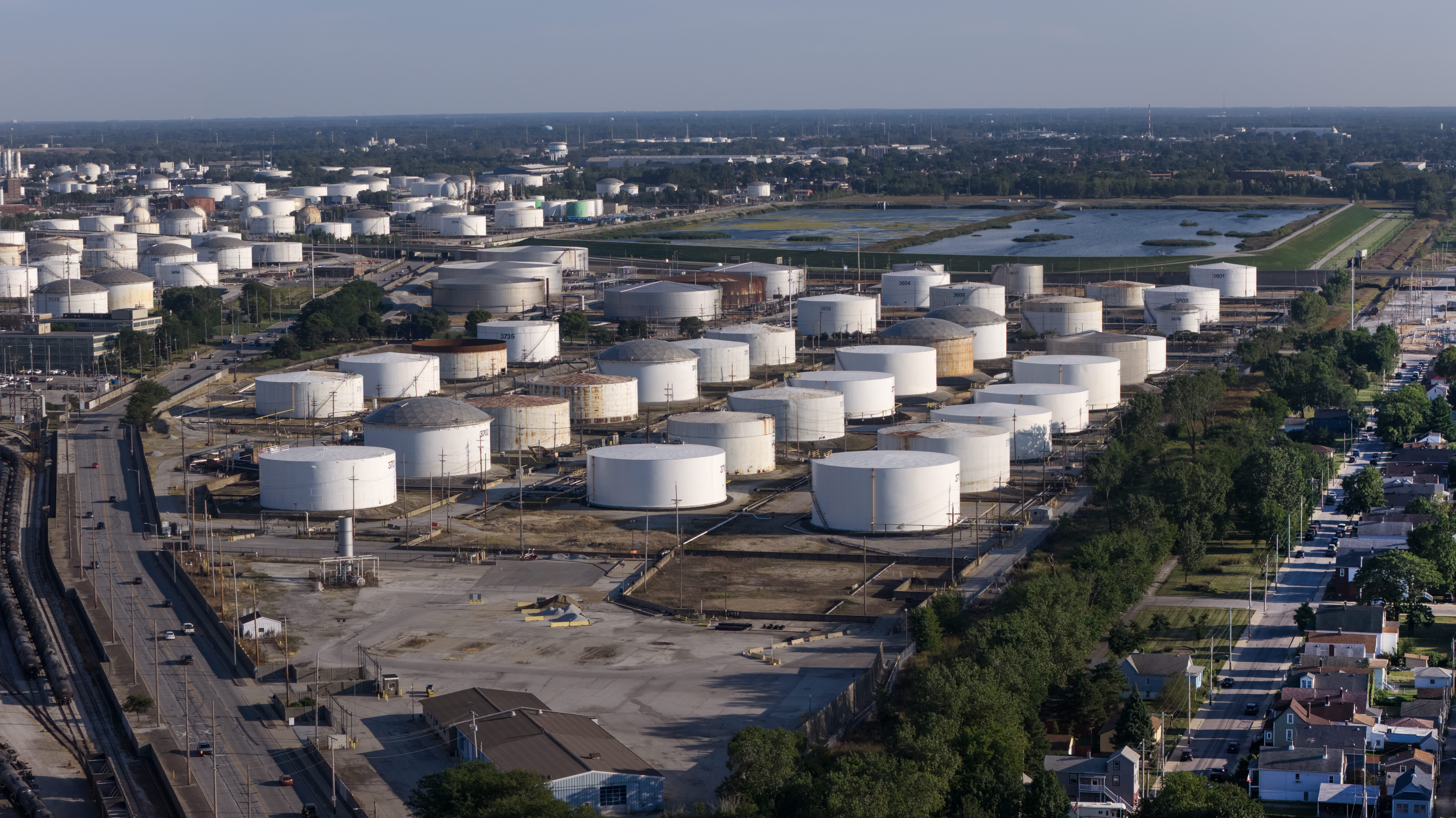
Ultra-high-net-worth investors and family offices are quietly rewriting their playbooks. With energy markets rattled by geopolitical conflict and an artificial-intelligence boom driving power demand, wealthy capital is flowing back into oil, gas and mineral rights. The catch: the easy money has already been made, and finding a bargain today takes patience, niche expertise and a tolerance for volatility that few traditional funds can stomach.
Key Takeaways
- Renewed appetite from family offices. Investment advisors report growing interest in mineral rights and other energy assets from ultra-high-net-worth investors and single-family offices. The dual drivers are the energy pressures tied to the Iran war and soaring electricity demand from AI data centers.
- Deal activity is hitting multi-year highs. Oil and gas deal spend in the first half of 2026 reached a two-year record, according to research firm Wood Mackenzie. Gas production projects were especially hot, with deal spend exceeding $32 billion — the highest level in more than a decade.
- It is now a seller's market. Competition from institutional investors and private-equity firms has made attractive valuations scarce. Jeff Peterson, chief investment officer at single-family office Gillon Capital, described the current environment bluntly as a seller's market.
- Commodity volatility complicates transactions. Since early June, Brent crude has traded between roughly $70 and $102 a barrel — a spread of about 45% — and jumped nearly 10% in a single session in July. That whipsaw makes pricing deals difficult for both buyers and sellers.
- Infrastructure is the new structural bet. According to Andrew Dock, head of energy wealth management at Bank of America, pipelines and export facilities are drawing interest because investors are taking a longer-term view of energy demand. He frames it as a structural shift rather than a cyclical commodity trade.
- Supply of infrastructure deals is limited. Permitting timelines and construction complexity constrain how many pipeline and export projects reach the market, keeping competition fierce for the few opportunities available.
- Smaller deals remain a family-office edge. Cody Carper, a partner at law firm Baker Botts, notes that assets under $100 million — such as a $30 million non-operated stake — attract far fewer buyers, leaving room for family offices to find undervalued opportunities.
- The goal is income and inflation hedging. Peter Suberlak of Tolleson Wealth Management says clients typically are not betting on price swings. Instead, they target mature fields with producing wells, where experienced operators can cut costs or boost output, delivering predictable cash flow.
Deeper Analysis
The return of wealthy capital to oil and gas marks a striking reversal. In the years after the pandemic, family offices moved in as institutional investors retreated under pressure from environmentally conscious stakeholders. That window of opportunity has now closed. Private-equity firms and large institutions have returned, and the resulting competition has compressed the value gap that made those earlier deals so lucrative.
What makes this cycle different is the demand story. The AI boom has turned electricity into a strategic resource, and data centers are projected to consume ever-larger shares of power generation. That reality pushes investors toward infrastructure — pipelines, export terminals and long-lived energy assets — where returns depend less on nailing the macro call and more on structural demand growth. As Dock puts it, this is no longer a commodity trade; it is a structural shift.
Yet the structural thesis collides with a practical bottleneck. Permitting timelines and construction complexity mean few infrastructure assets come to market, so capital chasing those deals faces steep competition and rich pricing. For family offices, the smarter path may be the one Carper describes: smaller, non-operated positions in the $30 million to $100 million range, where the buyer universe is thin and inefficiencies persist. These deals demand operational diligence and patience, but they offer exposure without competing against mega-funds.
Volatility remains the wild card. A 45% trading range in Brent crude within months makes underwriting difficult, and it explains why sophisticated investors increasingly favor mature, cash-flowing fields over exploration bets. For wealthy investors with long horizons, that discipline — prioritizing reliable income and inflation protection over speculative upside — may prove the defining strategy of this energy cycle. The question is whether competition will eventually erode even these niche advantages, as it has so many times before.
Frequently Asked Questions
Why are family offices suddenly interested in oil and gas again? Two forces are converging: energy supply pressures linked to the Iran war and surging electricity demand from AI data centers. Together they have convinced long-horizon investors that energy assets offer both inflation protection and durable cash flow.
Can smaller investors still find good deals? Yes, but the sweet spot has shifted. Assets under $100 million — particularly non-operated stakes — attract fewer buyers, so family offices can still uncover undervalued opportunities that larger institutions overlook.
What risks should investors watch? Commodity price volatility is the biggest one. Brent crude has swung roughly 45% in recent months, making returns less predictable. Investors are responding by favoring mature producing fields and infrastructure rather than speculative exploration plays.
Source: https://www.cnbc.com/2026/09/10/wealthy-investors-oil-gas-assets.html
Related posts
Iran's 'Father of All Bombs' Challenge to US Military Dominance
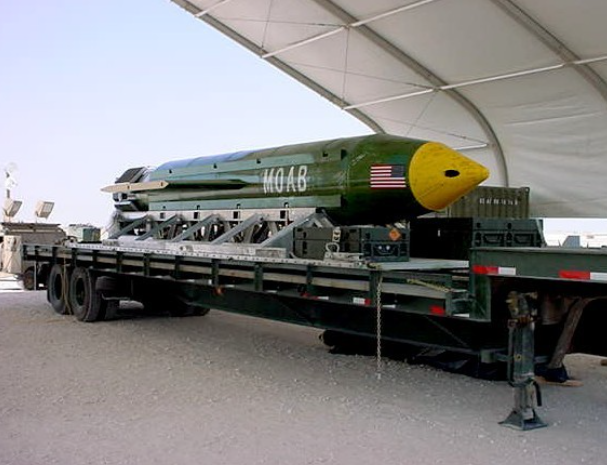
Iran announces development of 'Father of All Bombs' in response to US military threats, escalating tensions in the Middle East amid potential new military actions.
EU's Cold War Approach to China's Arctic Activities Undermines Regional Stability
China criticizes EU's new Arctic strategy for adopting Cold War mentality, warning that geopolitical tensions threaten Arctic peace and sustainable development.

Travel Advisory: Safety Alert for Saudi Arabia Due to Airport Attacks
A deadly attack at King Fahd International Airport in Dammam has caused casualties and disrupted flights. The Chinese Embassy advises citizens to avoid travel and stay vigilant amid rising security threats.

US Israel Strike Plans Against Iran Post-Midterms: Escalation Risks
US and Israel are reportedly preparing for potential military action against Iran after the US midterm elections, as tensions rise and diplomatic efforts falter.

Saudi Arabia Execution of Bangladeshi Workers: Debunking the 'Honeymoon Kiss' Myth
Fact-checking the viral claims that two Bangladeshi citizens were executed in Saudi Arabia for a honeymoon kiss. We analyze the source of the rumors and the actual circumstances of their arrest and execution.

Wall Street Titans Debate AI Bubble: Internet Era or Long-Term Winner?
Citadel, BlackRock, and Oaktree leaders clash over AI valuations. Is the tech boom a repeat of 2000, or the dawn of a new era?

Southwest Airlines Cuts 2026 Profit Forecast Due to Rising Fuel Costs
Southwest Airlines lowers 2026 profit outlook to $2.60-$2.85/share due to higher fuel prices, despite strong demand.

eBay 9% Workforce Cut: Strategic Shifts & AI Investment in 2026
eBay cuts 1,000 jobs (9%) to streamline operations amid AI spending and Depop acquisition. Analyzing the second round of layoffs and strategic pivot.
Latest Articles
- The AI Stock Boom: Goldman Sachs, JPMorgan, and Morgan Stanley's Dominance
- The 30,000 km Journey of Beijing Swifts: Understanding Transnational Bird Conservation
- Japanese Telecom Giant Admits CEO's Actions Caused Massive Mongolia Grassland Fire
- Shanghai Cooperation Organization: Strengthening Global Governance and Future Collaboration
- Nvidia CEO Jensen Huang: Europe Must Act Fast or Risk Falling Behind in AI Race
- Boeing 737 Max 10 FAA Approval: A Major Win After Years of Delays