Kimmel Pulls Talarico Interview From ABC as FCC Pressure Builds
Jimmy Kimmel moved a Senate candidate interview to YouTube after FCC threats, escalating the fight over broadcast speech, equal time rules and ABC's First Amendment lawsuit.
Source: CNBC
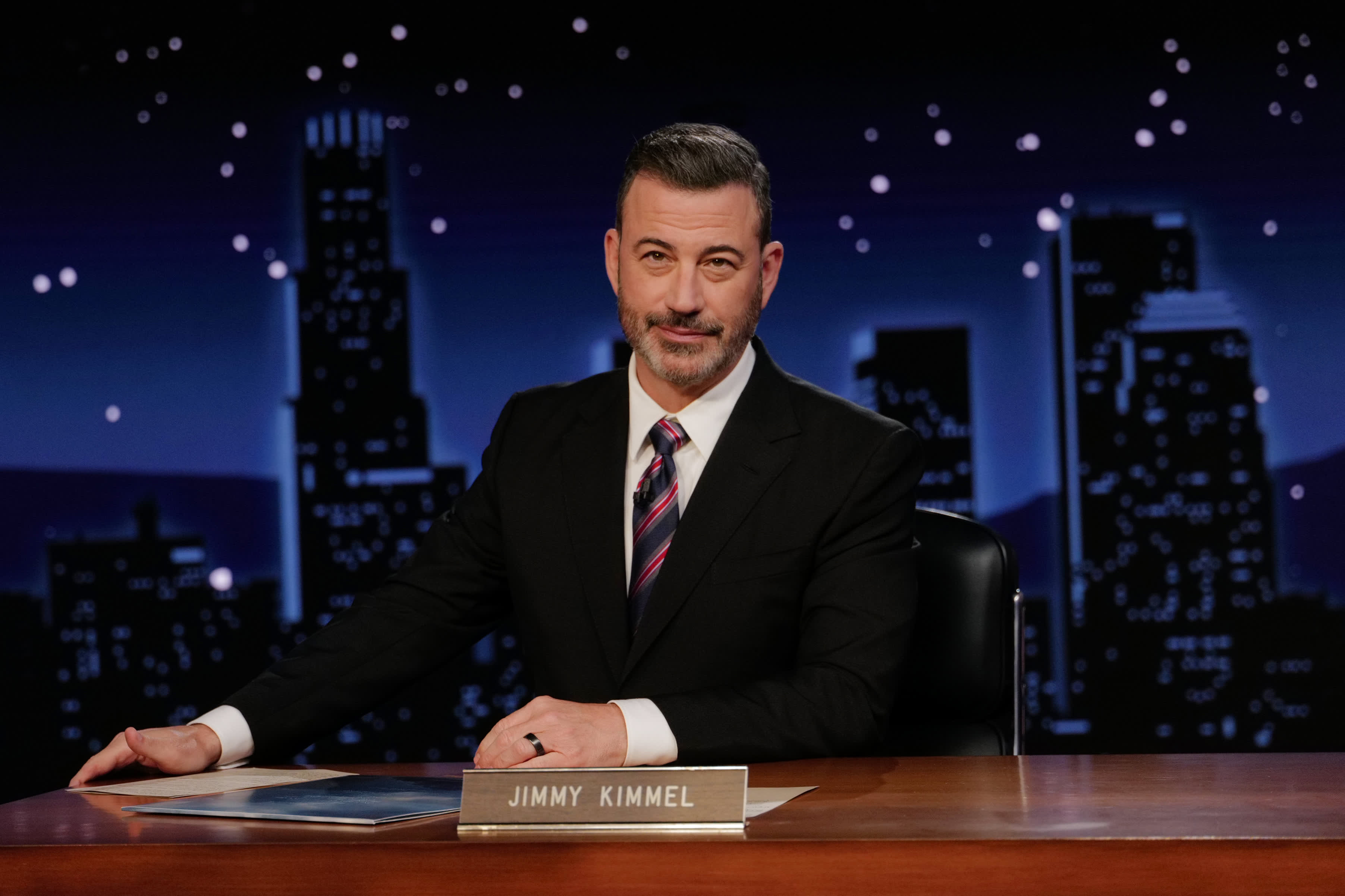
Jimmy Kimmel's decision to keep a Senate candidate interview off ABC's airwaves is more than a late-night scheduling tweak. It is a visible marker of how much pressure the Federal Communications Commission now exerts over broadcasters, and how quickly a routine editorial choice can become a constitutional flashpoint. With a tight Texas Senate race in the background and ABC already suing the agency, the episode matters well beyond one network.
Key Facts
- The interview moved platforms. Kimmel announced on his Wednesday broadcast that his conversation with Democratic Senate candidate James Talarico would not run on national television, and would instead appear on YouTube the following day. The shift keeps the content public while shielding ABC's affiliate stations from regulatory blowback.
- Kimmel framed it as self-protection for affiliates. He said the decision was made "out of consideration" for local stations that would otherwise have to "deal with this nonsense" of FCC scrutiny. That language signals the pressure is being felt at the station level, not just in the network's executive suites.
- The FCC has questioned whether talk shows are real news. In January, the agency raised the issue of whether TV talk shows qualify as "bona fide" news programs, which determines whether they are exempt from equal airtime obligations for political candidates. ABC's "The View" has faced similar examination.
- Kimmel says the rules changed with the administration. He noted that he has interviewed political candidates for years, including Donald Trump, and argued that traditional editorial decisions are now being treated as regulatory offenses. The FCC did not immediately respond to a request for comment.
- The Texas race adds electoral stakes. Talarico, a state representative, is running against Texas Attorney General Ken Paxton, who has Trump's endorsement. Public polling has shown Talarico slightly ahead of Paxton, a figure impeached by the Texas House over corruption allegations and later acquitted by the state Senate.
- This is not an isolated incident. Last year, ABC affiliate owners declined to air "Jimmy Kimmel Live!" after remarks he made following the killing of Charlie Kirk, and ABC suspended the show for about a week. Kimmel later said it was never his intention to make light of the murder.
- ABC has taken the fight to court. In April, the FCC launched an early license renewal process for ABC-owned stations, citing an investigation into the company's diversity, equity and inclusion practices. ABC filed the renewals and in August sued the agency on First Amendment grounds, calling the investigation a "retaliatory campaign."
Deeper Analysis
The most revealing detail here is not the interview itself but where it landed: YouTube. By routing Talarico's appearance to a digital platform, Kimmel and ABC preserve the content while removing it from the regulatory perimeter that governs licensed broadcast stations. That is a meaningful structural shift. Broadcast licenses are a public trust, and the equal time rule exists precisely because the airwaves are treated as a shared civic resource. When political interviews migrate to streaming and social video, the practical reach of that rule shrinks — and so does the leverage regulators hold over editorial decisions.
At the same time, the move can be read as a concession. If a network believes an interview is newsworthy, moving it off air to avoid scrutiny effectively lets regulatory pressure shape programming decisions before any formal enforcement action occurs. That is the classic chilling effect: no rule has to be broken, and no fine has to be levied, for coverage to change. Kimmel's own framing — that this is "the best we can do" until November — suggests he sees the arrangement as temporary and election-driven rather than principled.
The equal time question at the center of this dispute is genuinely unsettled. Talk shows have long operated under the assumption that they are bona fide news programs and therefore exempt from giving equal time to opposing candidates. If the FCC narrows that definition, the economics of political booking change overnight: every candidate interview could trigger demands from rival campaigns for matching airtime, making such segments far less attractive to producers. That outcome would reduce, not expand, the amount of candidate exposure on mainstream television.
For media investors and Disney shareholders, the ABC lawsuit is the more consequential story. A licensing review tied to DEI practices, combined with a First Amendment challenge, introduces regulatory uncertainty into a business already navigating cord-cutting and streaming losses. If the courts side with ABC, the precedent could constrain how aggressively future administrations use license renewals as leverage. If they side with the FCC, broadcasters face a new era in which editorial choices carry licensing risk.
Looking ahead, expect more platform-shifting. Networks will likely keep politically sensitive interviews on streaming arms, where the rules are lighter, while reserving broadcast slots for safer fare. That may satisfy regulators in the short term, but it hollows out the public-interest rationale for broadcast regulation itself — a paradox that will define the next round of this fight.
FAQ
Why did Kimmel move the Talarico interview to YouTube instead of airing it on ABC? He said he wanted to spare ABC's local affiliate stations from FCC scrutiny, describing the decision as consideration for stations that would otherwise have to handle the fallout. The interview still reached the public, just through a digital platform rather than a licensed broadcast channel.
What is the equal time rule, and why does it matter here? The rule requires broadcasters to give opposing political candidates equal airtime, but it exempts bona fide news programs. The FCC has questioned whether talk shows qualify for that exemption, which could force producers to offer matching time to rival campaigns and make candidate interviews far more costly to air.
Has ABC taken any legal action against the FCC? Yes. After the FCC opened an early license renewal process for ABC-owned stations in April, citing a DEI investigation, ABC filed the renewals and in August sued the agency, arguing the investigation amounts to a retaliatory campaign that violates the First Amendment.
Source: https://www.cnbc.com/2026/09/10/abc-kimmel-talarico-fcc.html
Related posts
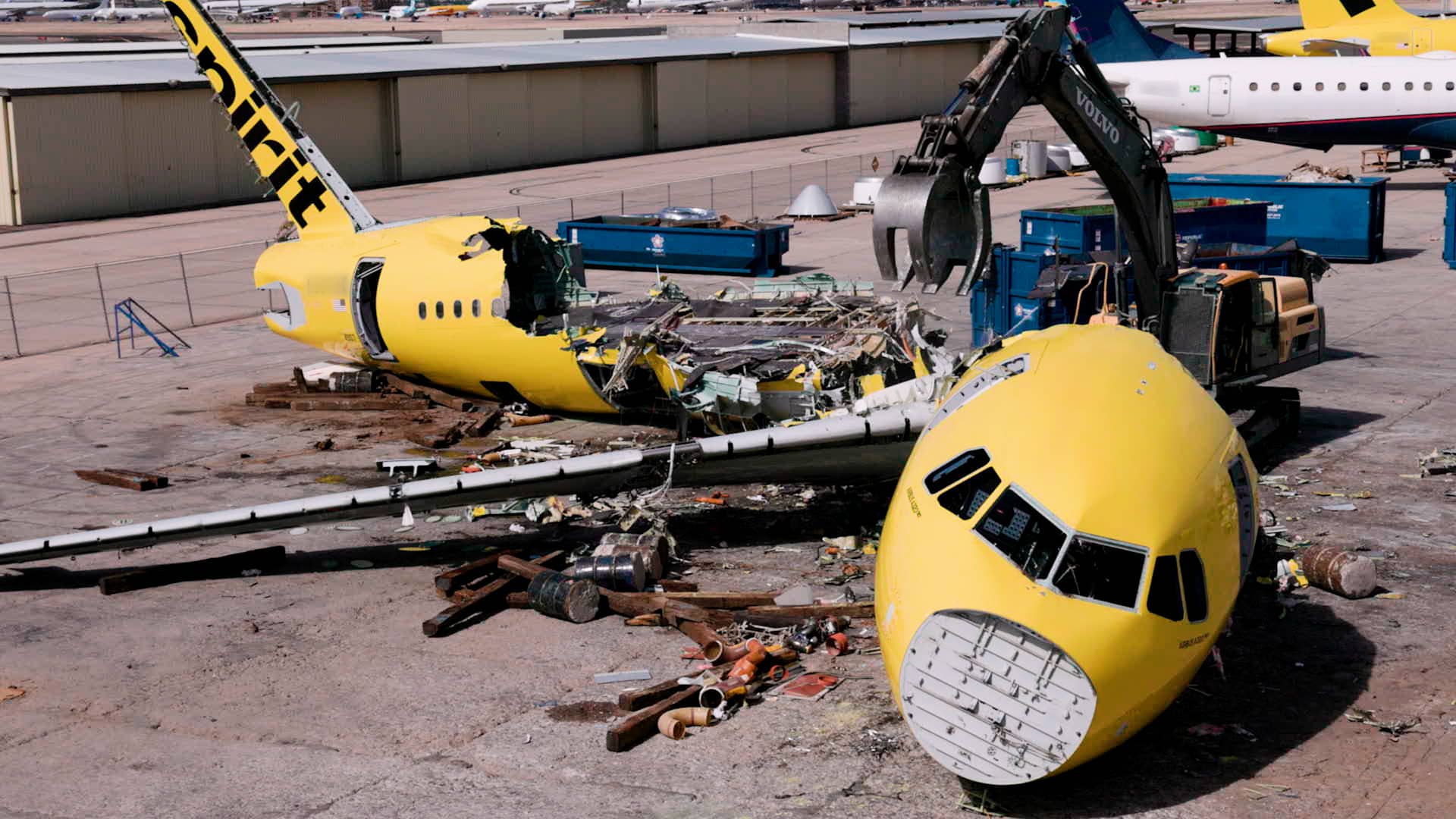
Why Airlines Are Scrapping Brand-New Aircraft Amid Engine Shortage Crisis
Airlines are dismantling planes years ahead of schedule due to unprecedented engine shortages, creating a booming market for aircraft parts while raising concerns about sustainability and operational costs.
Comcast Exceeds Q3 Earnings Expectations as Media Strength Outweighs Connectivity Challenges
Comcast beats Wall Street expectations with strong media performance, while Peacock streaming service turns profitable for second time. The company faces challenges in connectivity but sees growth opportunities in mobile.
David's Bridal Spins Off AI Platform Pearl for Public Listing
David's Bridal plans to spin off its AI platform Pearl into a publicly traded company, targeting a $350M valuation and a first-half 2027 IPO.
Elon Musk's Billion-Dollar Bet: New Investment in Skydance Media
Elon Musk invests $1 billion in Skydance, a major media merger involving Paramount and Warner Bros. Discovery. This strategic move aims to cut costs and secure the future of the combined entertainment giant.

NHK Documentary Exposes Secret 1978 Yasukuni Shrine Ritual
Newly released archival footage reveals the 1978 secret ritual that enshrined Class-A war criminals, exposing Japan's persistent historical revisionism.
Philippines Air Force Training Crash: 4 Pilots Killed in SF-260 Collision
A tragic air collision during a routine training mission in the Philippines has resulted in the deaths of four Air Force pilots. The incident highlights critical safety concerns within the country's military aviation infrastructure.

North Korea Holds Third Company Commanders Meeting Amid Military Reinforcement
Analysis of North Korea's recent military leadership gathering focused on strengthening company-level units and enhancing combat readiness.
Gen Z Candidates Tackle Housing Crisis in Midterms 2026
Young lawmakers from both parties are campaigning on solving the record-high cost of living. Explore how Gen Z is reshaping the housing debate.
Latest Articles
- Tibetan Plateau Earthquake: Analysis of the 7.0 Magnitude Quake and Post-Disaster Response
- Meta's New Link Policy: Why Social Media Sites Want You to Stay
- Darden vs. Chipotle: How Portfolio Diversification Impacts Restaurant Stock Performance in 2026
- High Fares And Fewer Passengers: Why Airlines Are Profitable Despite Lower Demand
- American Express Cuts 5% of Workforce to Accelerate AI Transformation
- Israel Imposes Total West Bank Blockade After Hebron Attack