Iran Strike on Jordan Base Damages 8 US F-15s, A-10: What It Means
Iran's missile attack on a US base in Jordan damaged eight F-15Es and an A-10, per US media. Here's what happened, why it matters, and what comes next.
Source: thepaper.cn
A single night of missile exchanges has quietly reshaped how the Middle East conflict is being read. Reports emerging on September 9 and 10 describe Iranian strikes on a US air base in Jordan that damaged multiple American warplanes, including eight F-15E fighters and an A-10 attack aircraft. Coming on the heels of US strikes on Iranian tankers, the episode marks one of the most direct military collisions between Washington and Tehran in this campaign — and it raises hard questions about base defense, escalation control, and the true cost of a war that has largely been fought out of the headlines.
Key Developments
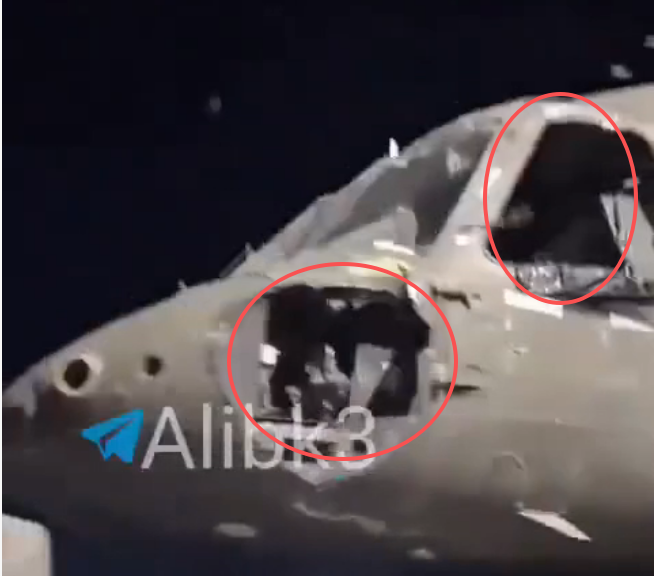
- Multiple US aircraft were damaged at Muwaffaq Salti Air Base in Jordan. US media, citing unnamed sources, reported that an A-10 "Thunderbolt II" attack jet took a hit that severed one of its wings, while eight F-15E Strike Eagles sustained lighter damage and have since been returned to service. The mix of airframes suggests the strike caught aircraft on the ground rather than in the air.
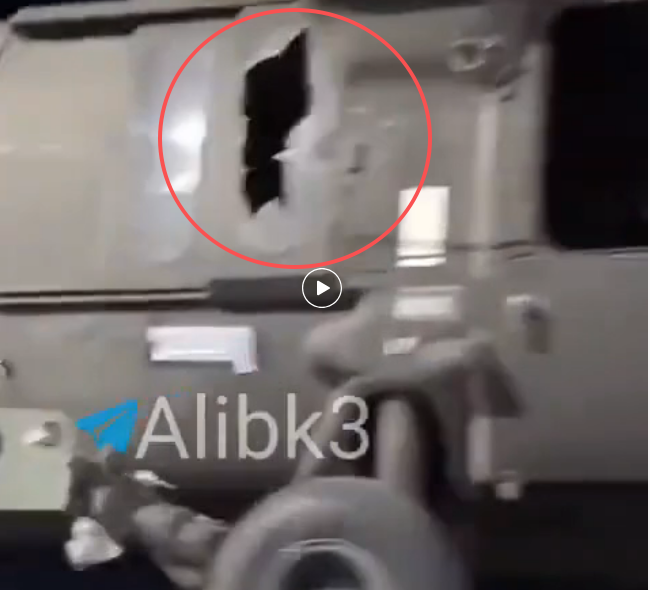
- Helicopters may also have been hit. Video circulating on social platforms appeared to show several "Black Hawk" helicopters being moved by truck with unusual puncture holes in their fuselages, hinting that the damage toll could extend beyond fixed-wing aircraft.
- The attack followed US strikes on five Iranian tankers. According to the reporting, Iran's operation came after US forces hit five Iranian oil tankers on September 8, framing the base attack as a direct retaliation rather than a standalone provocation.
- Jordan's air defenses intercepted most incoming missiles. Jordan's armed forces said in a statement that 20 ballistic missiles were fired from Iranian territory toward the kingdom in a matter of hours, with 18 intercepted and destroyed and two landing in uninhabited open areas.
- US air defenses fired more than 30 Patriot interceptors. The volume of defensive fire from the Jordan-based US contingent underscores how saturated the airspace became during the engagement, and how expensive even a "successful" defense can be.
- Iran claimed it targeted fighter shelters. Iranian media said the Islamic Revolutionary Guard Corps struck the US base in Jordan, aiming at enemy fighter deployment areas and hardened shelters for F-35, F-16, and F-15 aircraft, describing the results as "severe damage."
- Casualty figures continue to climb. A Pentagon-linked database tracking US casualties reported 30 additional injured service members, bringing totals since late February to 820 wounded and 18 killed.
- A US underwater drone was reportedly seized. Iran's Revolutionary Guard announced it had captured an advanced unmanned underwater vehicle it attributed to the US, while the Pentagon downplayed the loss, calling it an older model without sensitive equipment.
Deep Analysis
The most striking detail here is not the number of damaged jets but the fact that they were damaged at all. For years, the assumption underpinning US force posture in the region has been that layered air defense — Patriots, sensors, and hardened shelters — would keep high-value aircraft largely out of reach. A strike that dents eight F-15Es and severs the wing of an A-10 challenges that assumption, even if the damage is described as minor. The distinction between "lightly damaged and returned to service" and "destroyed" matters enormously for operational readiness, but it matters far less for deterrence messaging: what gets remembered is that missiles landed on the flight line.
Second, the economics of this exchange deserve attention. Iran expended roughly 20 ballistic missiles; Jordan and US forces fired more than 30 Patriot interceptors. Interceptors are vastly more expensive per unit than the missiles they intercept, and production lines for both are finite. A sustained campaign of this kind becomes a contest of magazine depth as much as accuracy — a dynamic already visible in other recent missile-heavy conflicts and one that Western defense planners have been openly worried about.
Third, the political geometry is delicate for Amman. Jordan is not a belligerent in this war, yet its territory hosted the target and its air defenses did the bulk of the shooting. Its public statement carefully emphasized interception and the absence of civilian casualties, a framing designed to preserve the kingdom's position as a non-combatant while acknowledging the reality of hosting US forces. That balancing act will only get harder if strikes recur.
Finally, the information war is running in parallel with the kinetic one. Iran claims severe damage and showcases captured hardware; the Pentagon minimizes both the drone seizure and, implicitly, the aircraft damage. Independent verification is nearly impossible in real time, which means the narrative battle may shape escalation decisions more than the actual bomb damage assessments do. Watch three indicators going forward: whether US aircraft are repositioned to more distant bases, whether Patriot interceptor stocks trigger new procurement urgency, and whether Jordan quietly revises the terms of US access. Each would signal that this single night changed something structural, not just something tactical.
Frequently Asked Questions
Did Iran actually destroy any US aircraft? Based on current reporting, no aircraft were confirmed destroyed. Eight F-15Es were lightly damaged and returned to service, while one A-10 reportedly lost a wing — a serious but potentially repairable hit. Independent confirmation remains limited.
Why is Jordan involved if it is not at war with Iran? Jordan hosts US forces under longstanding security arrangements, which makes those facilities legitimate targets in Iran's view. Amman's own statements stress that its air defenses acted defensively over Jordanian territory, not as a party to the conflict.
What does this mean for the broader war? It suggests Iran is willing to strike US assets directly rather than only through proxies, and that base defense in the region is more porous than assumed. That combination raises the risk of further exchanges and makes de-escalation harder to engineer.
Source: https://www.thepaper.cn/newsDetail_forward_34043280
Related posts
Israel Imposes Total West Bank Blockade After Hebron Attack
Israel orders a full siege of the West Bank following a deadly attack in Hebron. Here is the analysis of the escalation and the implications for regional security.

Russia Starts Diesel Exports to US: Geopolitical Shifts Ahead
Russian President's spokesperson confirms first oil tanker heading to the US, marking a significant shift in energy markets and sanctions.

Peru Allocates $1.8 Billion to Combat El Niño and Economic Headwinds
President Kina Fujimori announces a massive fiscal stimulus to address climate crises, fuel costs, and infrastructure needs in 2027.

Trump Demands SpaceX Lift Starlink Restrictions for Ukraine Amid Geopolitical Tensions
President Trump expressed dissatisfaction with SpaceX CEO Elon Musk over throttling Starlink services, demanding the removal of speed limits to aid Ukraine's defense capabilities against Russian drones.

Louvre, Orsay Museums to Close on Oct 24 Amid Paris Protests
Paris museums including the Louvre and Orsay will close on Oct 24 due to planned demonstrations. Here is what you need to know about the closures and the ongoing unrest.

Moderna Cancer Vaccine Shows Promise Despite Stock Drop After Data Leak
Moderna's personalized cancer vaccine demonstrates significant efficacy in melanoma treatment, causing stock market volatility despite positive clinical results.

Wall Street Titans Debate AI Bubble: Internet Era or Long-Term Winner?
Citadel, BlackRock, and Oaktree leaders clash over AI valuations. Is the tech boom a repeat of 2000, or the dawn of a new era?
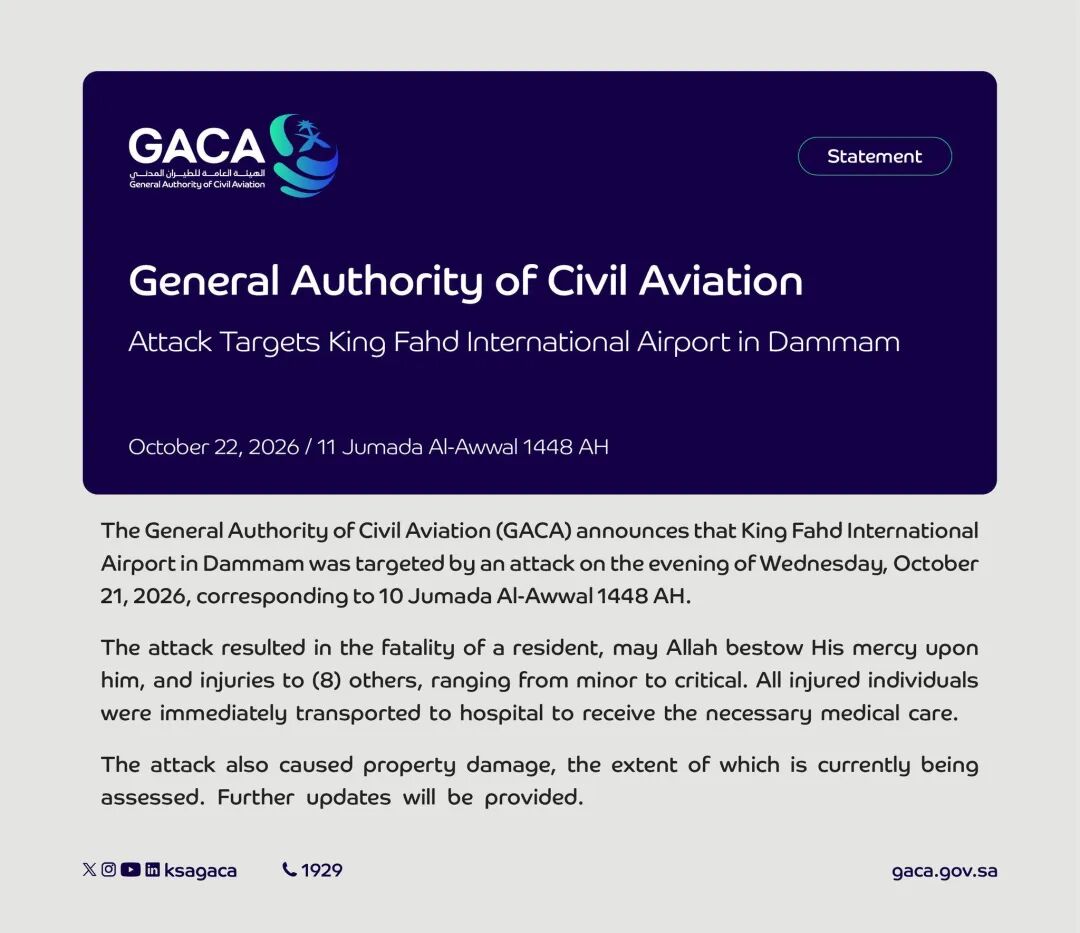
Travel Advisory: Safety Alert for Saudi Arabia Due to Airport Attacks
A deadly attack at King Fahd International Airport in Dammam has caused casualties and disrupted flights. The Chinese Embassy advises citizens to avoid travel and stay vigilant amid rising security threats.
Latest Articles
- EU's Cold War Approach to China's Arctic Activities Undermines Regional Stability
- Iran's 'Father of All Bombs' Challenge to US Military Dominance
- US Israel Strike Plans Against Iran Post-Midterms: Escalation Risks
- Saudi Arabia Execution of Bangladeshi Workers: Debunking the 'Honeymoon Kiss' Myth
- Southwest Airlines Cuts 2026 Profit Forecast Due to Rising Fuel Costs
- eBay 9% Workforce Cut: Strategic Shifts & AI Investment in 2026