Trump's $45,000 Cash Gifts to Three Aides: Ethics Questions Explained
Trump reportedly gave three White House aides $45,000 each in holiday cash, plus $20,000 to another official. Here's why ethics experts call it a legal gray area.
Source: thepaper.cn
Financial disclosure forms released by the U.S. government have put a fresh spotlight on how President Donald Trump rewards the people closest to him. The filings show that during the 2025 Christmas season, Trump handed $45,000 in cash to each of three female White House aides, a gesture the White House describes as a personal holiday tradition but which legal scholars say may collide with federal rules on outside payments to government employees.
Key Facts
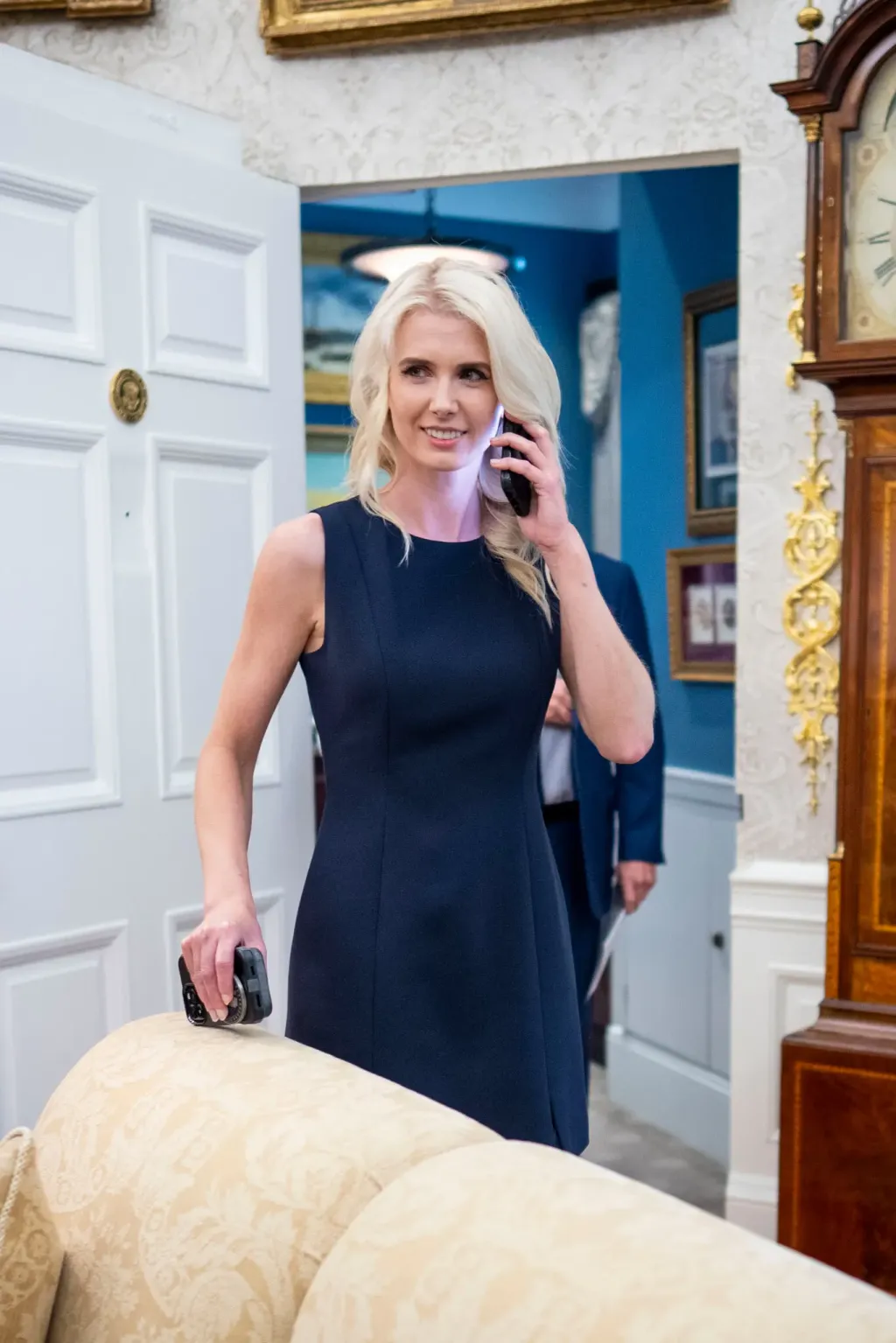
- Three aides, $45,000 each. The payments were listed as "holiday cash gifts" by Natalie Harp, Trump's executive assistant; Margo Martin, a communications adviser; and Chamberlain Harris, deputy director of Oval Office operations. All three are among Trump's most trusted staffers and each earns a $150,000 annual salary, meaning the gifts equaled roughly 30 percent of their base pay.
- A fourth recipient. Walter Notta, the director of Oval Office operations who earns $175,000 a year, separately reported a $20,000 cash gift from Trump, widening the total value of disclosed personal payments.
- Who these aides are. Martin is often physically closer to the president than Secret Service agents, filming his daily activities for social media. Harris was appointed to the U.S. Commission of Fine Arts in February, a body that oversees the White House ballroom and other Washington construction projects, and she previously pushed for a gold coin bearing Trump's likeness.
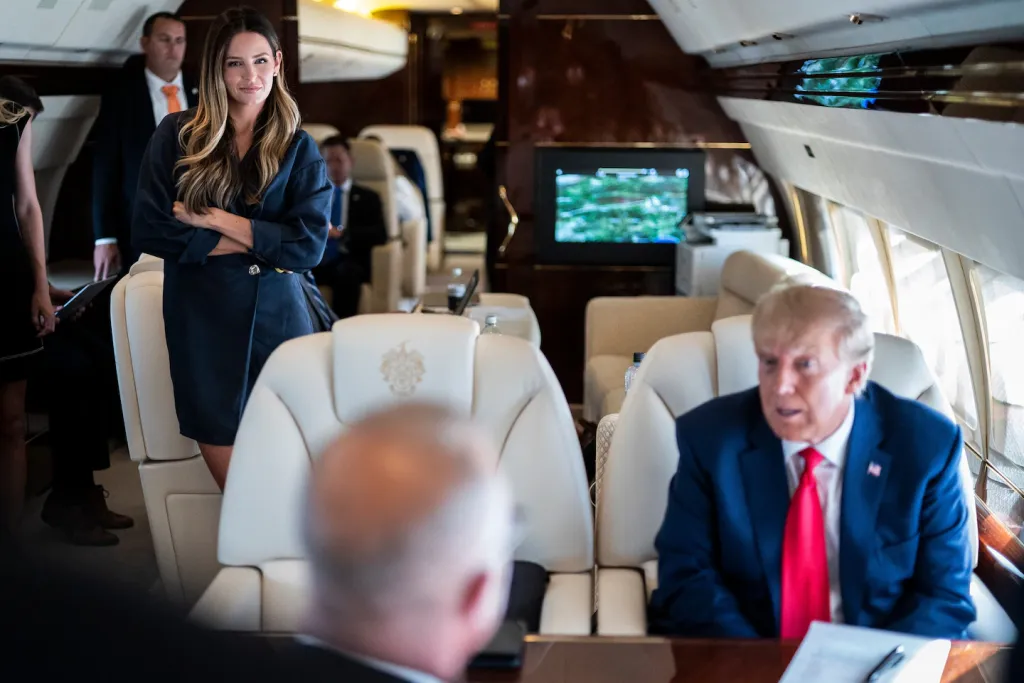
- Natalie Harp's unusual profile. Harp reportedly was among the few aides aboard Air Force One when Trump secretly evacuated via a catering truck during the G20 summit in July amid an assassination threat. She is nicknamed the "human printer" for carrying a portable printer to hand him favorable news coverage on demand.
- The White House position. Officials said Trump "has always had a habit of giving Christmas gifts to those around him," both in government and in private business, and insisted the gifts are unrelated to anyone's public duties and therefore fully compliant with legal and ethical standards.
- The expert counterpoint. Richard Painter, a University of Minnesota law professor who served as White House ethics lawyer under George W. Bush, argued that federal law explicitly bars government employees from accepting outside salary or bonuses. "If you want tips, don't work in government," he said, describing such payments as a breeding ground for corruption and dependency.
- A contradiction in policy. Trump's own administration issued guidance last year telling agencies to award bonuses only to top performers, while explicitly excluding political appointees from such payments — a rule that makes the disclosed cash gifts harder to square with official policy.
- No further response. As of the reporting, the White House had not answered the legal experts' objections in detail.
Deeper Analysis
The story matters less because of the dollar figure than because of the precedent it sets. Federal ethics rules exist to prevent exactly the kind of relationship that cash gifts can create: a personal obligation that runs parallel to, and potentially overrides, the formal chain of command. When a president gives six-figure-adjacent sums to staffers whose jobs involve controlling access to him, managing his public image, or overseeing construction projects tied to his residence, the question is not whether any specific favor was traded — it is whether the structure invites one.
The White House's defense rests on a distinction between personal generosity and official compensation. That distinction is real in theory but slippery in practice. A gift from a sitting president to a subordinate is not a gift between equals; it flows down a hierarchy of power. Ethics lawyers have long argued that this asymmetry is precisely why outside payments to public employees are restricted, regardless of intent.
The political context amplifies the stakes. Trump has repeatedly tested the boundaries of conventional ethics oversight, and his administration's own bonus guidance — restricting performance awards to non-political staff — suggests internal awareness of where those boundaries lie. The disclosure of these gifts, therefore, is not an isolated curiosity but a data point in a broader pattern of personal loyalty being rewarded through informal channels.
Looking ahead, the practical consequences are likely to be limited. Congress is unlikely to pursue sanctions, and the disclosure system itself is the primary enforcement mechanism. But the episode feeds a durable narrative about how power is exercised in this White House, and it gives ethics watchdogs a concrete example to cite in future debates over gift rules, disclosure thresholds, and the line between a boss's generosity and a public official's independence.
Frequently Asked Questions
Is it illegal for a president to give cash to staff? Not automatically. The legal issue is whether the payment functions as an outside bonus or salary supplement to a government employee, which federal rules generally prohibit. Experts disagree on whether a personal holiday gift crosses that line, which is why the disclosure has drawn scrutiny rather than a clear ruling.
Why does the amount matter? At $45,000 per person, the gifts equal roughly 30 percent of the recipients' salaries. That scale makes them hard to characterize as token holiday gestures and easier to view as a meaningful financial benefit tied to proximity to power.
What happens next? Probably nothing formal. The disclosure requirement has been met, and no enforcement action has been announced. The longer-term effect is likely political and precedential — shaping how future gift disclosures by this and other administrations are judged.
Source: https://www.thepaper.cn/newsDetail_forward_34042579
Related posts

Why Airlines Are Scrapping Brand-New Aircraft Amid Engine Shortage Crisis
Airlines are dismantling planes years ahead of schedule due to unprecedented engine shortages, creating a booming market for aircraft parts while raising concerns about sustainability and operational costs.
Comcast Exceeds Q3 Earnings Expectations as Media Strength Outweighs Connectivity Challenges
Comcast beats Wall Street expectations with strong media performance, while Peacock streaming service turns profitable for second time. The company faces challenges in connectivity but sees growth opportunities in mobile.
David's Bridal Spins Off AI Platform Pearl for Public Listing
David's Bridal plans to spin off its AI platform Pearl into a publicly traded company, targeting a $350M valuation and a first-half 2027 IPO.
Elon Musk's Billion-Dollar Bet: New Investment in Skydance Media
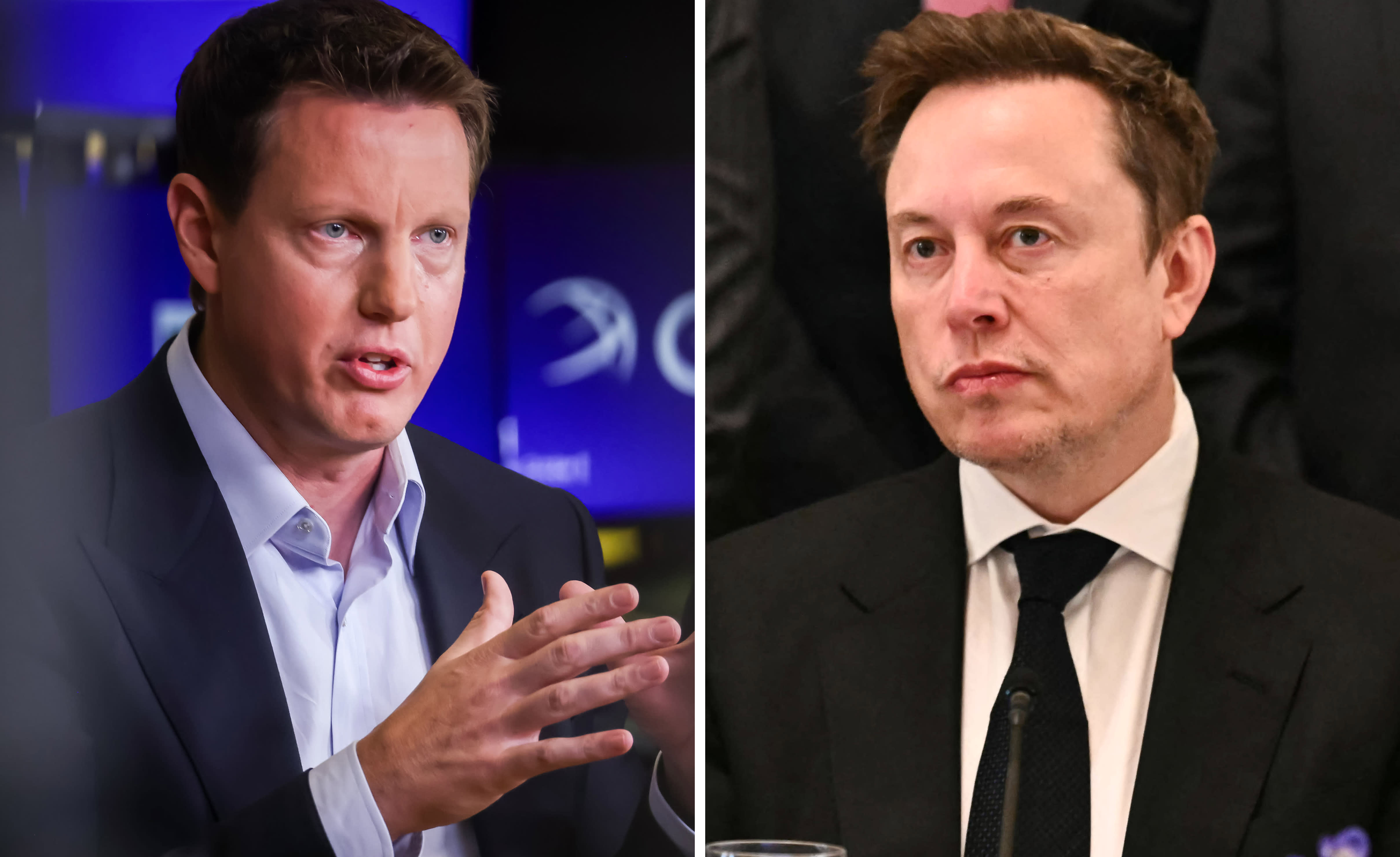
Elon Musk invests $1 billion in Skydance, a major media merger involving Paramount and Warner Bros. Discovery. This strategic move aims to cut costs and secure the future of the combined entertainment giant.

NHK Documentary Exposes Secret 1978 Yasukuni Shrine Ritual
Newly released archival footage reveals the 1978 secret ritual that enshrined Class-A war criminals, exposing Japan's persistent historical revisionism.
Philippines Air Force Training Crash: 4 Pilots Killed in SF-260 Collision
A tragic air collision during a routine training mission in the Philippines has resulted in the deaths of four Air Force pilots. The incident highlights critical safety concerns within the country's military aviation infrastructure.

North Korea Holds Third Company Commanders Meeting Amid Military Reinforcement
Analysis of North Korea's recent military leadership gathering focused on strengthening company-level units and enhancing combat readiness.

Gen Z Candidates Tackle Housing Crisis in Midterms 2026
Young lawmakers from both parties are campaigning on solving the record-high cost of living. Explore how Gen Z is reshaping the housing debate.
Latest Articles
- Tibetan Plateau Earthquake: Analysis of the 7.0 Magnitude Quake and Post-Disaster Response
- Meta's New Link Policy: Why Social Media Sites Want You to Stay
- Darden vs. Chipotle: How Portfolio Diversification Impacts Restaurant Stock Performance in 2026
- High Fares And Fewer Passengers: Why Airlines Are Profitable Despite Lower Demand
- American Express Cuts 5% of Workforce to Accelerate AI Transformation
- Israel Imposes Total West Bank Blockade After Hebron Attack